vegetable in zone 7a
Growing collards in zone 7a
Brassica oleracea var. acephala
- Zone
- 7a 0°F to 5°F
- Growing season
- 210 days
- Suitable varieties
- 3
- Days to harvest
- 55 to 80
The verdict
Zone 7a sits squarely in the traditional collard belt, and this crop performs reliably here. Unlike fruit trees, collards have no chill-hour requirement; what matters is avoiding prolonged hard freezes while young and managing summer heat as temperatures climb. The zone's 210-day growing season supports both a spring planting and a full fall season, with the fall window being the more productive of the two. Minimum winter temperatures of 0 to 5°F are cold enough to threaten overwintering transplants if they go in undersized, but established plants harden off well and typically survive zone 7a winters with minimal protection. Flavor quality actually improves after light frost, which gives fall-planted collards in this zone a real advantage over crops grown in warmer zones where hard frost rarely occurs. This is not a marginal zone for collards. If anything, it is where the crop does some of its best work.
Recommended varieties for zone 7a
3 cultivars suited to this zone, with disease-resistance and zone-fit annotations.
| Variety | Notes | Zone fit | Disease resistance |
|---|---|---|---|
| Georgia Southern fits zone 7a | Sweet, mild, classic tender Southern flavor; large blue-green flat leaves. Long-cooked with smoked meats, stews, ham hocks. Heritage Southern variety, heat-tolerant. | | none noted |
| Champion fits zone 7a | Mild, sweet, tender; productive bunching collard. Slow-cooked greens, salads when young. Cold-hardy, holds through frost, slow to bolt in spring. | | none noted |
| Morris Heading fits zone 7a | Sweet, classic Southern flavor; compact heading-type collard. Long-cooked traditional preparations. Heritage variety with self-blanching tender inner leaves. | | none noted |
Critical timing for zone 7a
In zone 7a, the last spring frost typically falls between mid-March and early April, and the first fall frost arrives in mid-October to early November. For spring production, transplants go in 3 to 4 weeks before the last frost date, with direct seeding possible once soil temperatures reach 45°F. Expect harvest to begin 60 to 80 days from transplant and to close out by late June as summer heat degrades leaf quality. The fall planting, generally started from seed in late July or direct-seeded in early August, produces the highest-quality leaves. Plants established before the first frost continue yielding through the fall and into early winter, often surviving through December in mild zone 7a winters.
Common challenges in zone 7a
- ▸ Cedar-apple rust
- ▸ Brown rot
- ▸ Fire blight
- ▸ High humidity disease pressure
Disease pressure to watch for
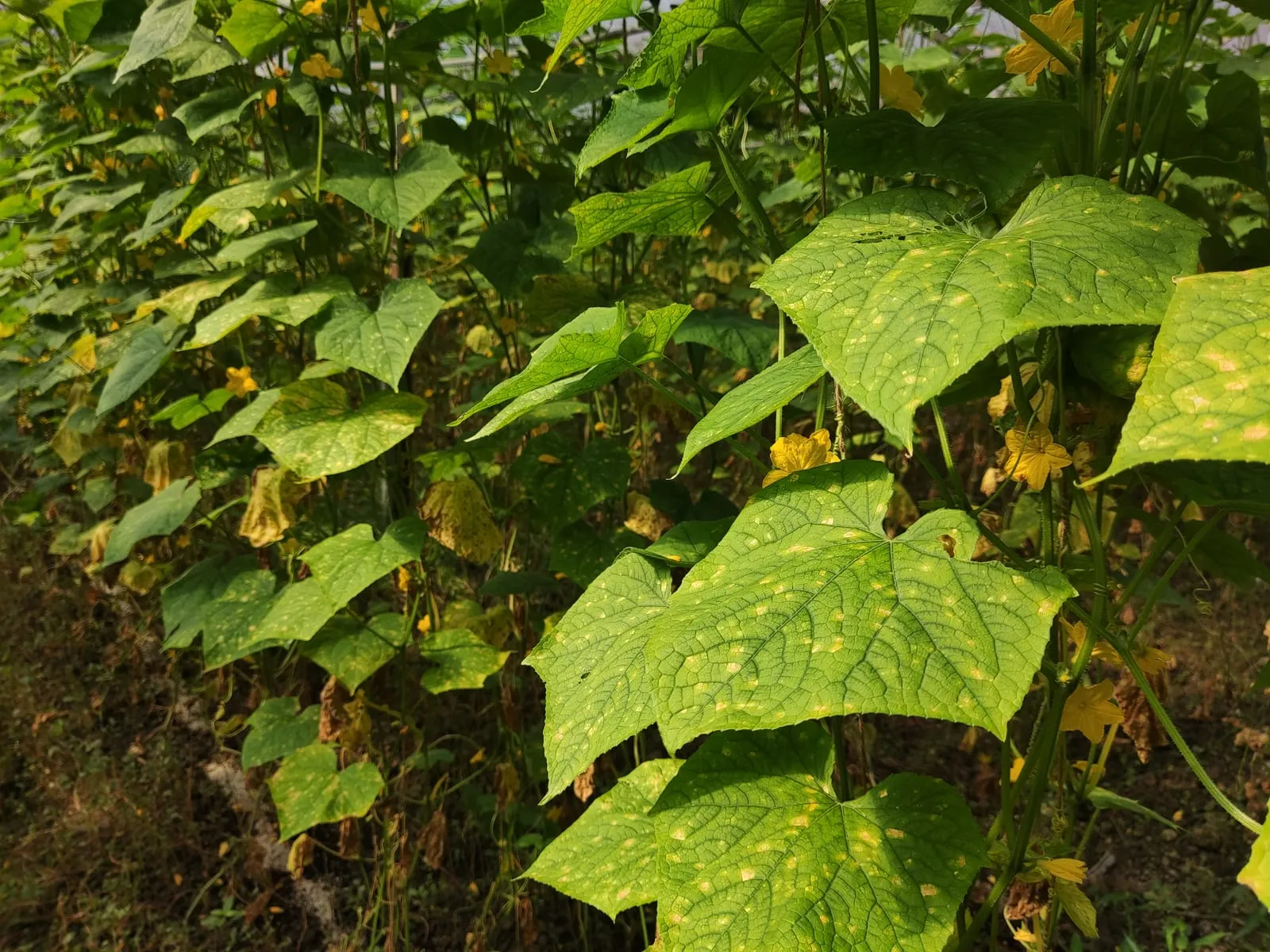
Pseudoperonospora cubensis (cucurbits) and others
Water mold (oomycete, not a true fungus) that thrives in cool damp conditions. Spreads rapidly through cucurbit and brassica plantings on wind-borne spores.
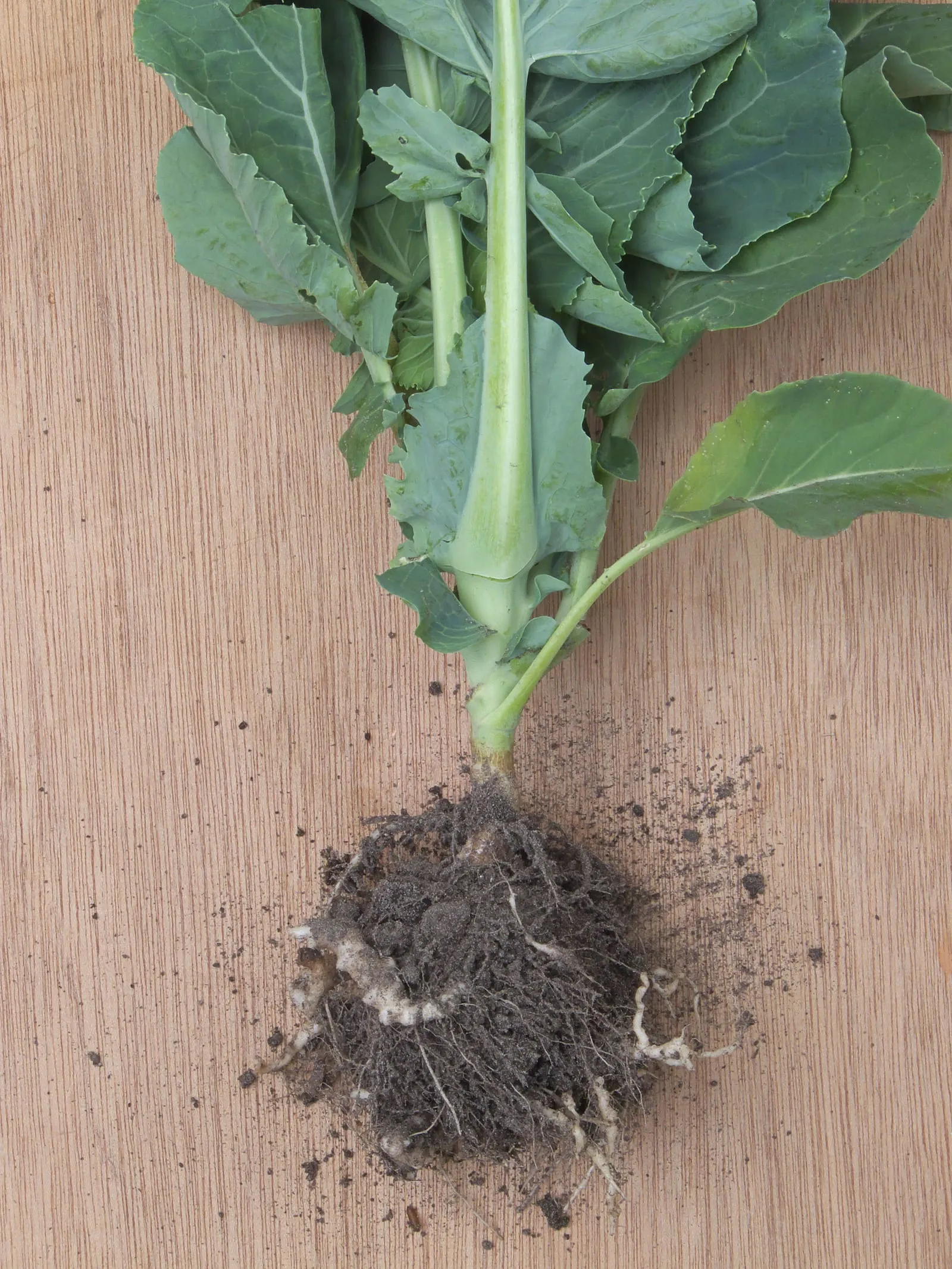
Plasmodiophora brassicae
Soil-borne disease causing characteristic distorted club-shaped roots on brassicas. Persists in soil for 10-20 years; the dominant brassica pathogen in acidic poorly-drained soils.
Modified care for zone 7a
High humidity in zone 7a elevates pressure from downy mildew, which shows as yellow patches on upper leaf surfaces with gray-purple sporulation underneath. Spacing plants to 18 to 24 inches and orienting rows with prevailing airflow reduces humidity around the canopy. Clubroot, a soil-borne pathogen that distorts roots and stunts plants, is a concern on acidic soils; liming to a pH of 7.0 to 7.2 before planting is the primary defense since no effective soil treatment exists once it is established. During July and August, even heat-tolerant varieties may produce bitter, coarsened leaves; some growers skip the summer entirely and rely on the fall planting for table-quality harvest. Mulching through summer retains soil moisture and moderates root-zone temperature, which helps plants enter the fall season in better condition.
Collards in adjacent zones
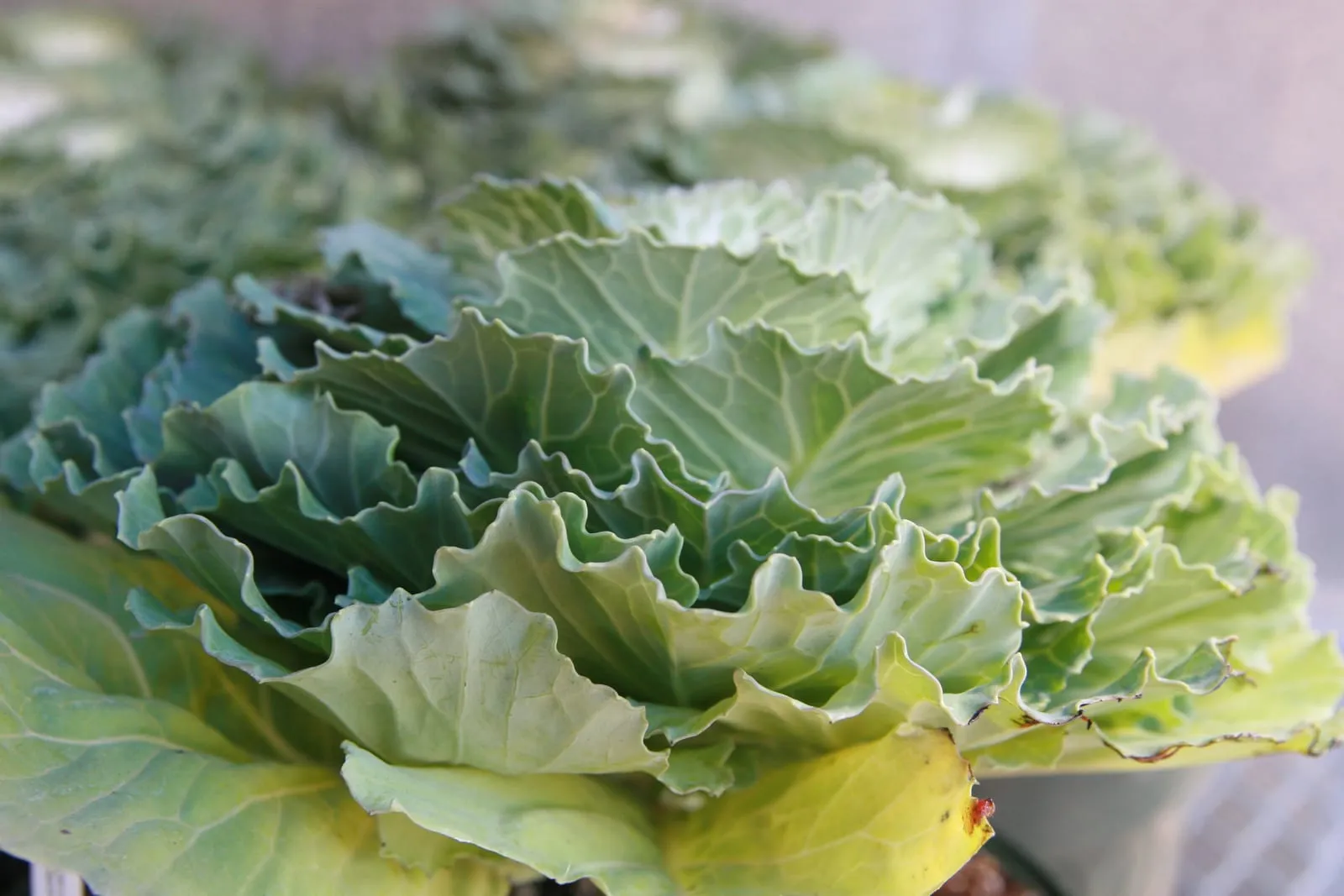
Image: "Brassica oleracea var. acephala Victoria Pigeon 0zz", by Photo by David J. Stang, via Wikimedia Commons, licensed under CC-BY Source.

Related