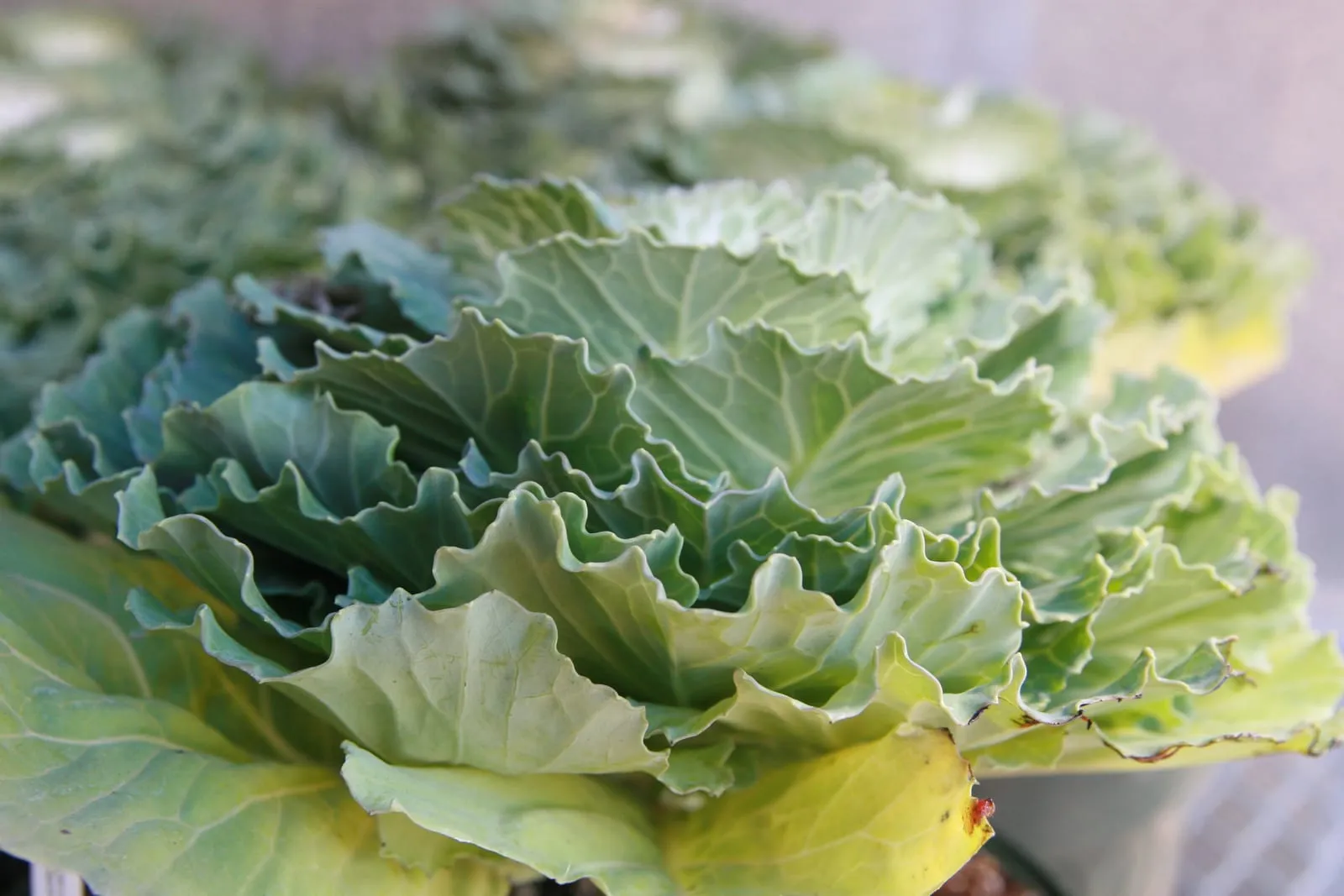
vegetable in zone 7b
Growing collards in zone 7b
Brassica oleracea var. acephala
- Zone
- 7b 5°F to 10°F
- Growing season
- 220 days
- Suitable varieties
- 3
- Days to harvest
- 55 to 80
The verdict
Collards are among the best-adapted brassicas for zone 7b. Unlike many cool-season crops that bolt under the region's summer heat, collards tolerate temperatures that would end a kale or spinach planting within days. The 220-day growing season supports two productive windows each year: a spring planting from late January through early March, and a fall planting from late July through September. Zone 7b's mild winters (brief dips to 5-10°F are possible) allow fall-planted collards to overwinter with minimal protection, and repeated light frosts improve leaf sweetness noticeably. This is not a marginal zone for collards; it sits close to the crop's historical center of gravity in North American kitchen gardens. Georgia Southern in particular was developed for climates much like piedmont zone 7b and performs reliably across both growing windows here.
Recommended varieties for zone 7b
3 cultivars suited to this zone, with disease-resistance and zone-fit annotations.
| Variety | Notes | Zone fit | Disease resistance |
|---|---|---|---|
| Georgia Southern fits zone 7b | Sweet, mild, classic tender Southern flavor; large blue-green flat leaves. Long-cooked with smoked meats, stews, ham hocks. Heritage Southern variety, heat-tolerant. | | none noted |
| Champion fits zone 7b | Mild, sweet, tender; productive bunching collard. Slow-cooked greens, salads when young. Cold-hardy, holds through frost, slow to bolt in spring. | | none noted |
| Morris Heading fits zone 7b | Sweet, classic Southern flavor; compact heading-type collard. Long-cooked traditional preparations. Heritage variety with self-blanching tender inner leaves. | | none noted |
Critical timing for zone 7b
Spring planting should begin 4 to 6 weeks before the average last frost date, which falls around mid-March to early April in zone 7b. Transplants or direct-sown seed go out from late January through early March. Leaves are ready for harvest 60 to 80 days after transplanting and can be cut on a cut-and-come-again basis through late spring. Heat-triggered bolting typically begins in June when temperatures consistently exceed 80°F, closing the spring window. For fall production, direct sow in late July to mid-August; plants establish during late-summer heat and shift into active growth as temperatures drop in September. Fall harvest runs from October through winter, with flavor and sweetness peaking after the first sustained frost.
Common challenges in zone 7b
- ▸ Cedar-apple rust pressure heavy in piedmont
- ▸ Japanese beetles
- ▸ Brown marmorated stink bug
- ▸ Late summer disease pressure
Disease pressure to watch for
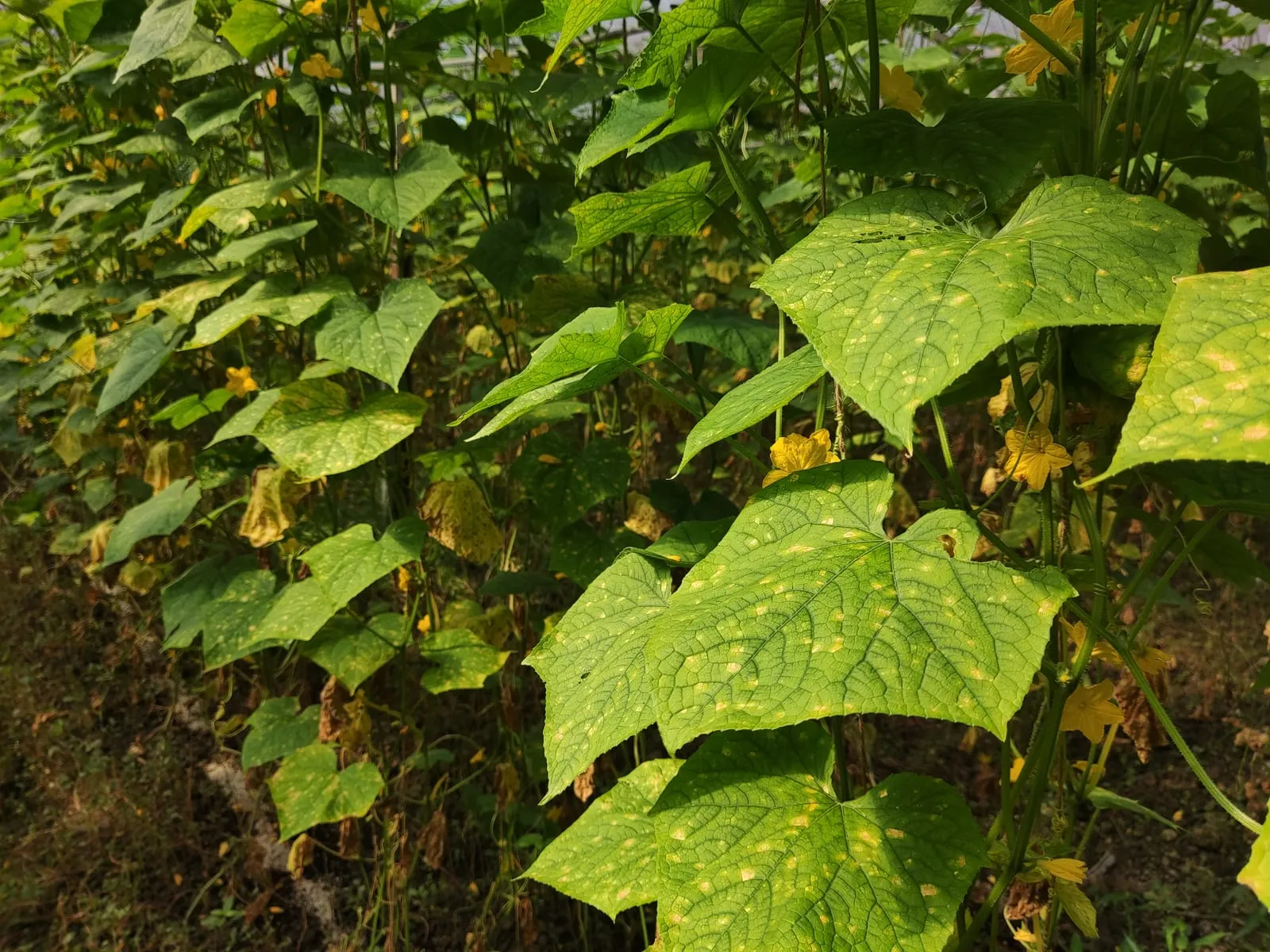
Pseudoperonospora cubensis (cucurbits) and others
Water mold (oomycete, not a true fungus) that thrives in cool damp conditions. Spreads rapidly through cucurbit and brassica plantings on wind-borne spores.
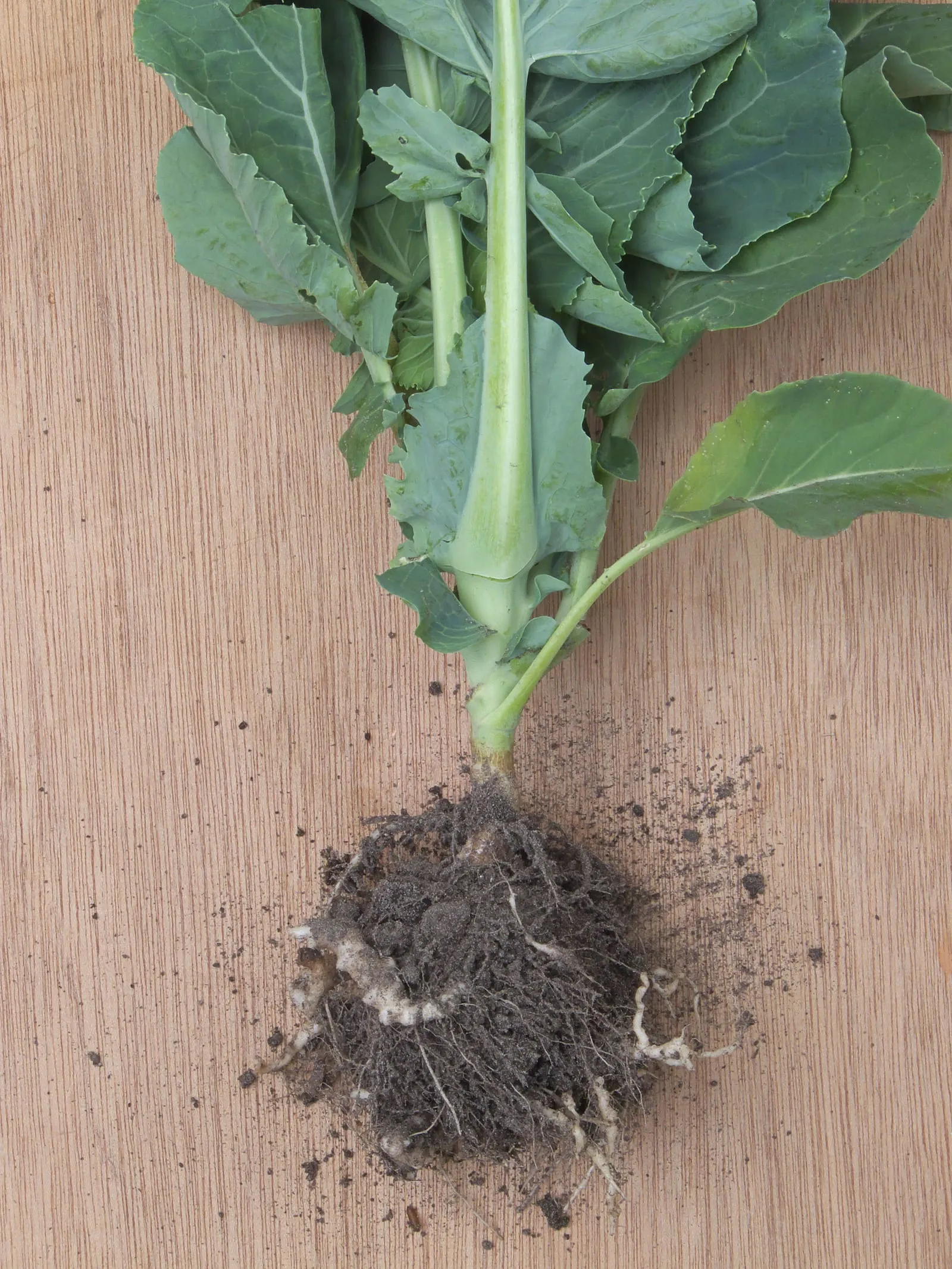
Plasmodiophora brassicae
Soil-borne disease causing characteristic distorted club-shaped roots on brassicas. Persists in soil for 10-20 years; the dominant brassica pathogen in acidic poorly-drained soils.
Modified care for zone 7b
The primary adjustments in zone 7b involve disease pressure and pest timing. Downy mildew builds quickly in the piedmont's humid summers; spacing plants at 18 to 24 inches and avoiding overhead irrigation reduces incidence. Clubroot can persist in soil for years, so rotating out of brassicas for at least 3 years and maintaining soil pH above 6.8 limits establishment. Japanese beetles and brown marmorated stink bugs are both active in zone 7b and will damage foliage during their peak windows; row cover or hand-picking during beetle emergence (June through August) is the most practical control without sprays. Spring plantings benefit from starting early enough that the main harvest window closes before June heat peaks. Fall plantings generally face lighter insect pressure and tend to outperform spring crops in this zone.
Frequently asked questions
- Can collards survive winter in zone 7b?
Yes. Fall-planted collards typically overwinter in zone 7b with no protection beyond mulching the root zone. Brief cold snaps to 5-10°F may damage outer leaves but rarely kill an established plant. Flavor improves markedly after frost.
- Which collard varieties perform best in zone 7b?
Georgia Southern is the traditional choice for piedmont climates and handles both heat and frost well. Champion is a reliable upright type suited to fall and winter harvest. Morris Heading forms a loose head and holds well into cold weather.
- When should collards be planted for a fall harvest in zone 7b?
Direct sow or transplant from late July through mid-August. This timing allows plants to establish during late-summer heat and begin productive growth as temperatures drop in September and October.
- Is clubroot a concern for collards in zone 7b?
Clubroot is a soil-borne pathogen that can persist for years once established. In zone 7b, maintaining soil pH above 6.8 and rotating out of all brassica crops for at least 3 years are the most effective preventive measures.
+−
+−
+−
+−
Collards in adjacent zones
Image: "Brassica oleracea var. acephala Victoria Pigeon 0zz", by Photo by David J. Stang, via Wikimedia Commons, licensed under CC-BY Source.

Related