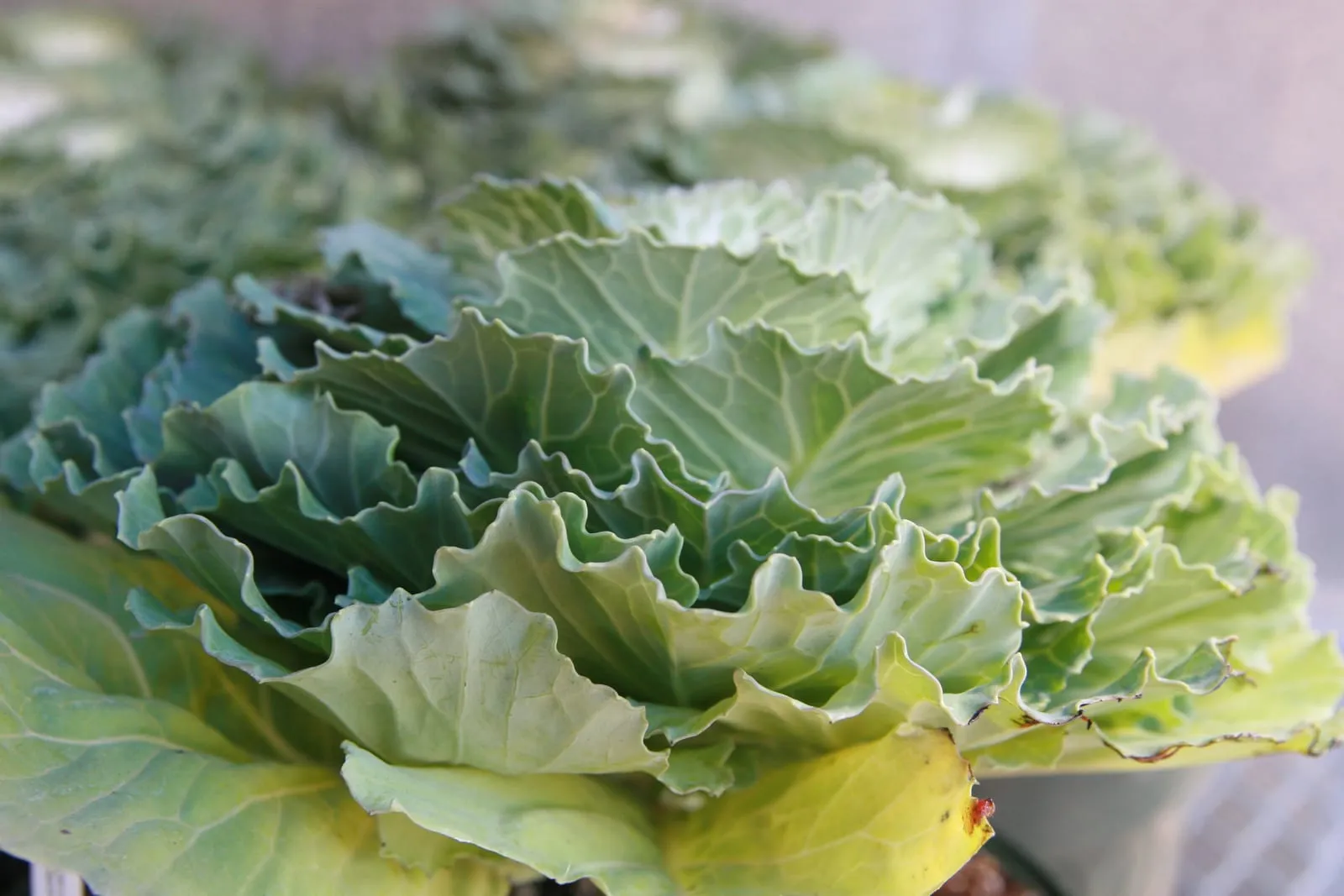
vegetable in zone 8a
Growing collards in zone 8a
Brassica oleracea var. acephala
- Zone
- 8a 10°F to 15°F
- Growing season
- 240 days
- Suitable varieties
- 3
- Days to harvest
- 55 to 80
The verdict
Zone 8a is a strong fit for collards. Unlike stone fruits or grapes that require accumulated chill hours, collards have no chill-hour requirement, so the zone's mild winters are an asset rather than a limiting factor. The 240-day growing season allows growers to run two productive windows: a fall-through-winter planting and a late-winter-into-spring planting, with true summer production avoided due to heat stress on this cool-season crop.
The minimum winter temperature range of 10 to 15°F is cold enough to sweeten collard leaves through frost exposure without killing established plants, which can typically survive brief dips to around 15°F. Georgia Southern, Champion, and Morris Heading all perform reliably here. Heat stress, listed as a zone challenge for cool-season crops, is the real constraint: plants bolted or struggling through a zone 8a August are not in their preferred range. Positioned correctly in the season, though, collards find zone 8a close to ideal.
Recommended varieties for zone 8a
3 cultivars suited to this zone, with disease-resistance and zone-fit annotations.
| Variety | Notes | Zone fit | Disease resistance |
|---|---|---|---|
| Georgia Southern fits zone 8a | Sweet, mild, classic tender Southern flavor; large blue-green flat leaves. Long-cooked with smoked meats, stews, ham hocks. Heritage Southern variety, heat-tolerant. | | none noted |
| Champion fits zone 8a | Mild, sweet, tender; productive bunching collard. Slow-cooked greens, salads when young. Cold-hardy, holds through frost, slow to bolt in spring. | | none noted |
| Morris Heading fits zone 8a | Sweet, classic Southern flavor; compact heading-type collard. Long-cooked traditional preparations. Heritage variety with self-blanching tender inner leaves. | | none noted |
Critical timing for zone 8a
Fall planting is the primary window in zone 8a. Direct seeding or transplanting in mid- to late August targets a harvest window from October through February, with frost events sweetening the leaves rather than damaging them. A secondary spring planting is viable from late January through early March, ahead of the heat that typically arrives by May.
Collards do not bloom on a schedule tied to zone frost dates the way fruit trees do; the concern is bolting, which is triggered by heat and day length. In zone 8a, plants overwintered from a fall planting rarely bolt before March. Spring plantings are more vulnerable and may bolt by May if temperatures climb early. Harvest is cut-and-come-again throughout the cool months, with the most productive period running November through January.
Common challenges in zone 8a
- ▸ Insufficient chill hours for some apple varieties
- ▸ Pierce's disease in grapes
- ▸ Heat stress on cool-season crops
Disease pressure to watch for
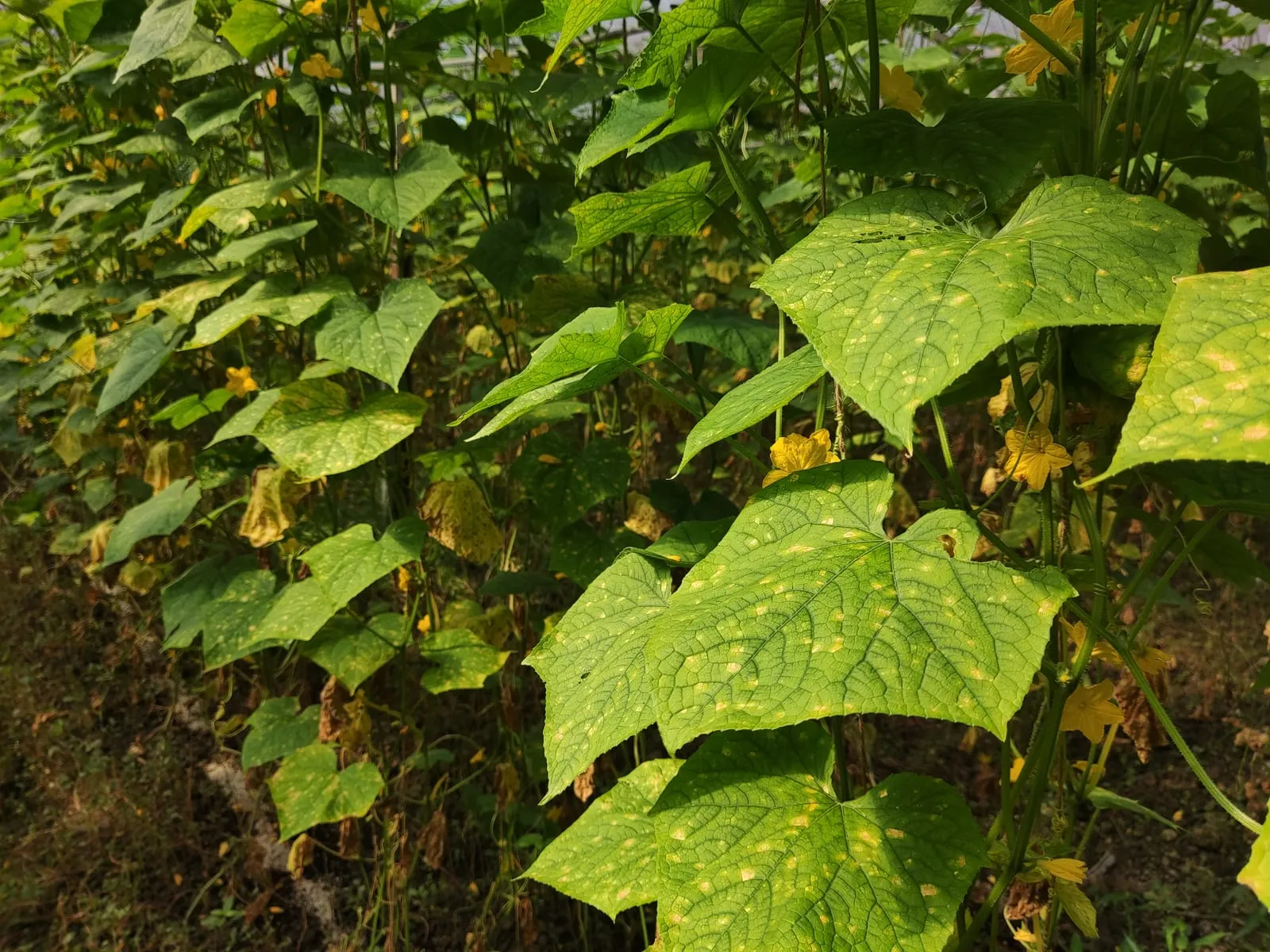
Pseudoperonospora cubensis (cucurbits) and others
Water mold (oomycete, not a true fungus) that thrives in cool damp conditions. Spreads rapidly through cucurbit and brassica plantings on wind-borne spores.
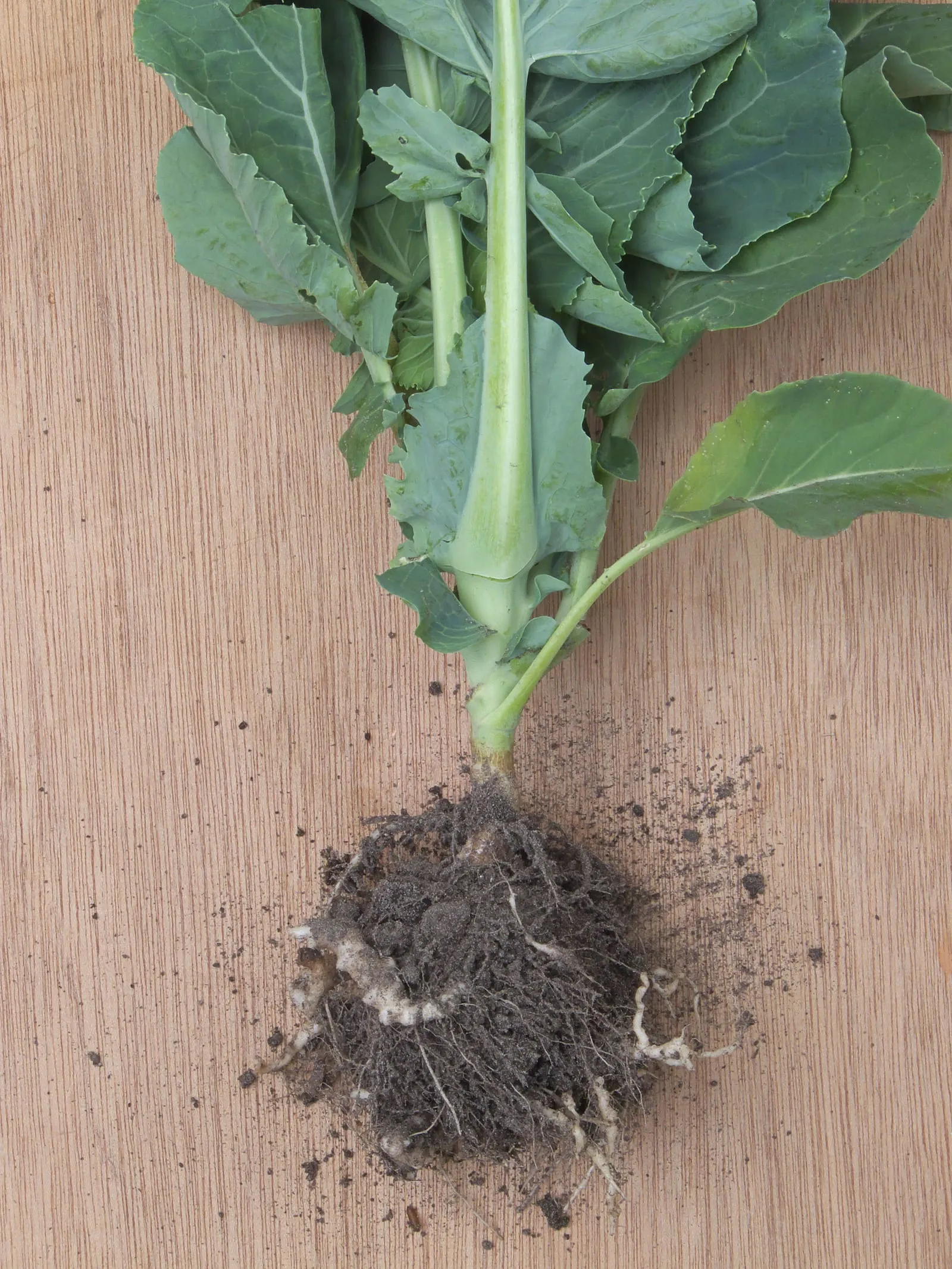
Plasmodiophora brassicae
Soil-borne disease causing characteristic distorted club-shaped roots on brassicas. Persists in soil for 10-20 years; the dominant brassica pathogen in acidic poorly-drained soils.
Modified care for zone 8a
The primary adjustment for zone 8a is calendar discipline. Collards planted after mid-September face shorter productive windows before heat arrives the following spring; plantings made in June or July will stall and struggle through summer heat before conditions improve. Succession planting, starting a second round in January while the fall crop is still producing, extends the harvest without risking a gap.
Downy mildew pressure increases during humid, mild winters typical of zone 8a. Maintaining airflow through proper spacing (18 to 24 inches between plants) and avoiding overhead irrigation reduces incidence. Clubroot is a soil-borne concern in heavier clay soils common in parts of zone 8a; raising soil pH to 7.0 or above suppresses the pathogen. Pest pressure from cabbage loopers and aphids peaks in fall and again in early spring, coinciding with the most productive harvest windows, so monitoring at transplant time is worth the effort.
Frequently asked questions
- Can collards survive the winter in zone 8a without protection?
Established collard plants generally tolerate brief temperature dips to 10 to 15°F, which sits at the lower edge of zone 8a's expected minimum. Prolonged hard freezes below 15°F can damage outer leaves but rarely kill the plant crown. A light row cover adds meaningful insurance during unusual cold snaps.
- Why do collards taste better after a frost in zone 8a?
Cold temperatures trigger the plant to convert stored starches into sugars, which lowers the freezing point of cell fluids and reduces the slightly bitter glucosinolate compounds. Even a light frost, well within zone 8a's fall and winter range, produces noticeably sweeter, more tender leaves.
- Is it worth trying to grow collards through a zone 8a summer?
Generally not. Sustained temperatures above 90°F slow growth, increase pest pressure, and accelerate bolting. The 240-day growing season in zone 8a allows two cool-season windows without any need to push through summer.
+−
+−
+−
Collards in adjacent zones
Image: "Brassica oleracea var. acephala Victoria Pigeon 0zz", by Photo by David J. Stang, via Wikimedia Commons, licensed under CC-BY Source.

Related