vegetable in zone 8b
Growing collards in zone 8b
Brassica oleracea var. acephala
- Zone
- 8b 15°F to 20°F
- Growing season
- 260 days
- Suitable varieties
- 2
- Days to harvest
- 55 to 80
The verdict
Zone 8b is a genuine sweet spot for collards, not a marginal case. Collards are a cool-season brassica grown for foliage, not fruit, so chill-hour accumulation is irrelevant here. What matters is winter mildness and a long enough cool season to sustain leafy growth. Zone 8b's minimum temperatures of 15 to 20°F rarely damage established collard plants, and the 260-day growing season supports fall-through-spring production without any need for row covers in most years.
The real advantage in zone 8b is that light frosts improve collard flavor. Leaf starches convert to sugars after exposure to temperatures below 28°F, a biochemical shift that makes late-season harvests noticeably sweeter than summer-grown greens. Growers in zone 8b can time plantings specifically to capture that frost-sweetened window. The chief limitation is summer: heat above 85°F causes bitterness, bolting, and reduced leaf quality, so zone 8b collards are fundamentally a cool-season crop with summer production off the table.
Recommended varieties for zone 8b
2 cultivars suited to this zone, with disease-resistance and zone-fit annotations.
| Variety | Notes | Zone fit | Disease resistance |
|---|---|---|---|
| Georgia Southern fits zone 8b | Sweet, mild, classic tender Southern flavor; large blue-green flat leaves. Long-cooked with smoked meats, stews, ham hocks. Heritage Southern variety, heat-tolerant. | | none noted |
| Morris Heading fits zone 8b | Sweet, classic Southern flavor; compact heading-type collard. Long-cooked traditional preparations. Heritage variety with self-blanching tender inner leaves. | | none noted |
Critical timing for zone 8b
In zone 8b, the primary production window runs from mid-fall through early spring. Direct seeding or transplanting in late August through October allows harvest from October onward, with peak quality from November through February when intermittent frost sweetens the leaves. Plants can remain productive through March before warming temperatures prompt bolting.
A second, shorter window opens in late January or February for growers who want early spring harvests, though these plantings typically bolt by April. Zone 8b's last frost generally falls between mid-February and mid-March depending on local conditions, which gives spring-started collards a narrow productive stretch before summer heat sets in. Fall plantings remain the more reliable approach. Collards do not have a bloom window relevant to harvest timing; the crop is cut before flowering, and bolting signals the end of usable leaf production.
Common challenges in zone 8b
- ▸ Low chill hours limit apple variety selection
- ▸ Citrus greening risk
- ▸ Nematodes in sandy soils
Disease pressure to watch for
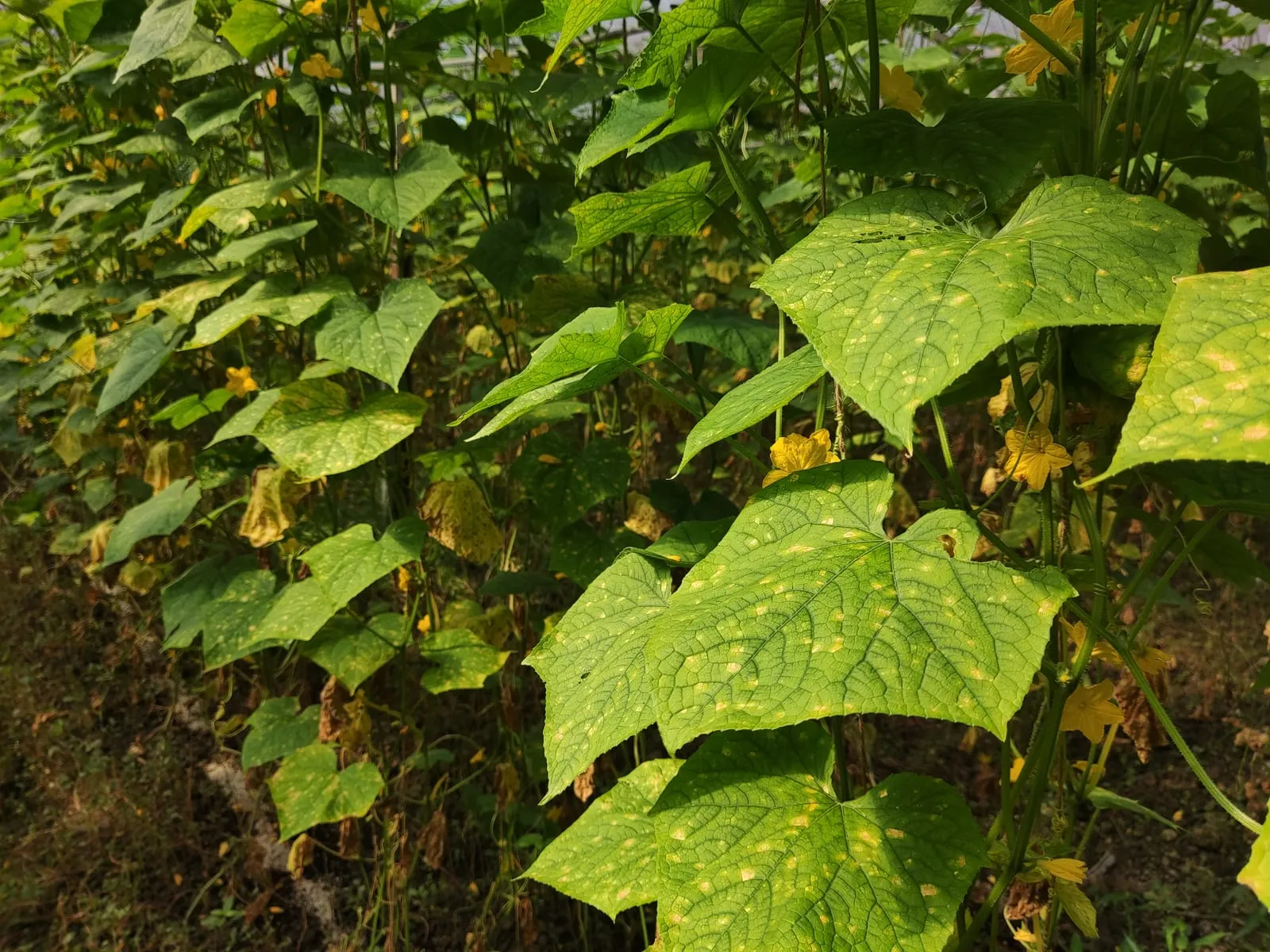
Pseudoperonospora cubensis (cucurbits) and others
Water mold (oomycete, not a true fungus) that thrives in cool damp conditions. Spreads rapidly through cucurbit and brassica plantings on wind-borne spores.
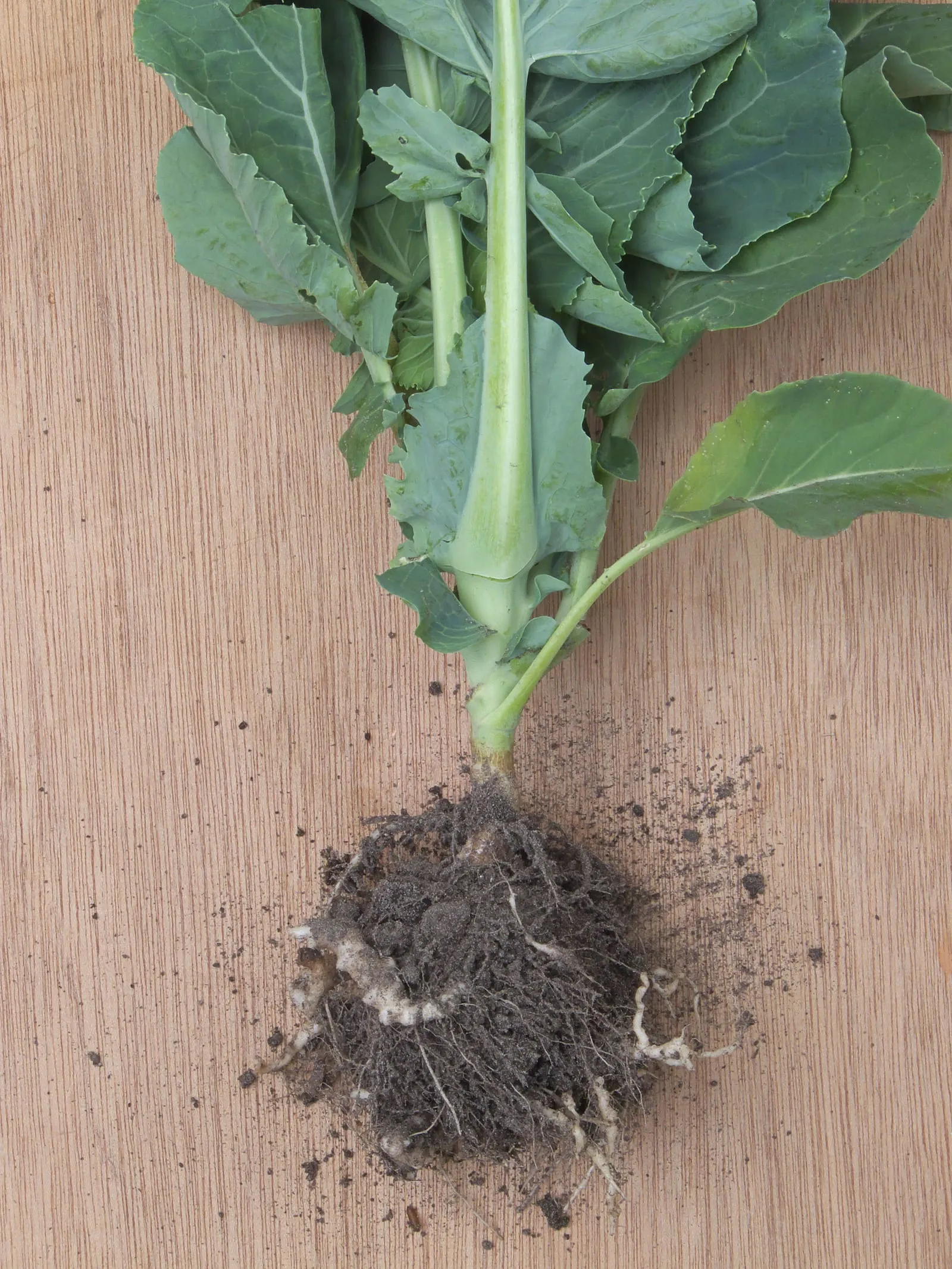
Plasmodiophora brassicae
Soil-borne disease causing characteristic distorted club-shaped roots on brassicas. Persists in soil for 10-20 years; the dominant brassica pathogen in acidic poorly-drained soils.
Modified care for zone 8b
The primary care adjustment in zone 8b involves managing nematode pressure, which is elevated in the sandy soils common across much of the zone. Rotating collards away from other brassicas and solanaceous crops on a three-year cycle reduces nematode buildup. Where sandy soil is unavoidable, amending with organic matter and incorporating resistant cover crops between seasons helps.
Downy mildew becomes a serious concern during the cool, humid stretches of November through February. Adequate plant spacing to improve airflow and avoiding overhead irrigation late in the day reduce infection pressure. Clubroot, a soilborne pathogen favored by acidic conditions, warrants a soil pH check before planting; maintaining pH above 7.0 limits clubroot establishment. Zone 8b winters are mild enough that collards rarely need frost protection, but a brief hard freeze below 15°F, which falls at the lower edge of the zone's range, can cause leaf damage on young transplants. Delaying fall transplanting until plants are well established reduces that risk.
Frequently asked questions
- Can collards survive winter in zone 8b without row covers?
Yes, in most years. Established collard plants tolerate temperatures down to around 15°F, which aligns with the lower end of zone 8b's expected minimum. Young transplants are more vulnerable to brief hard freezes; a floating row cover during the first few weeks after fall transplanting provides insurance without being a permanent requirement.
- Why do collards taste sweeter after a frost in zone 8b?
Exposure to temperatures below 28°F triggers enzymatic conversion of leaf starches to simple sugars. Zone 8b's intermittent winter frosts create repeated freeze-thaw cycles that amplify this effect, which is why late-November and December harvests often taste noticeably milder and sweeter than greens cut in October before frost arrives.
- Is summer collard production practical in zone 8b?
Generally not worth attempting. Sustained temperatures above 85°F cause leaves to turn bitter and plants to bolt. Zone 8b summers regularly exceed that threshold for weeks at a time. Growers who want year-round production typically plan a planting gap from June through August rather than fighting summer heat.
- Which collard varieties perform best in zone 8b?
Georgia Southern and Morris Heading are the established performers for this zone. Georgia Southern is an open-pollinated standard prized for bolt tolerance and large, tender leaves during cool months. Morris Heading produces a more compact plant that performs well in zone 8b's mild winters and is often preferred by growers with limited bed space.
+−
+−
+−
+−
Collards in adjacent zones
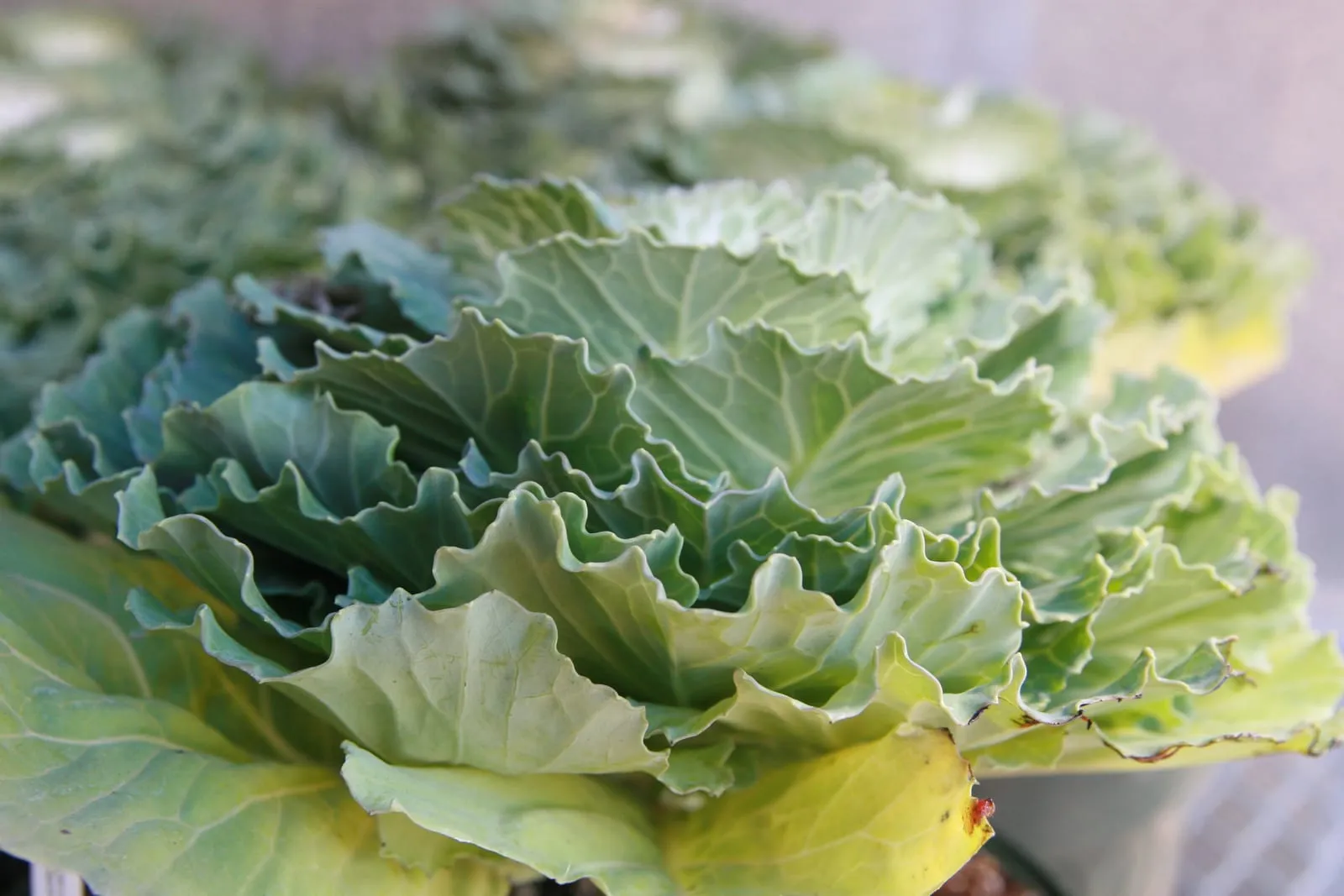
Image: "Brassica oleracea var. acephala Victoria Pigeon 0zz", by Photo by David J. Stang, via Wikimedia Commons, licensed under CC-BY Source.

Related