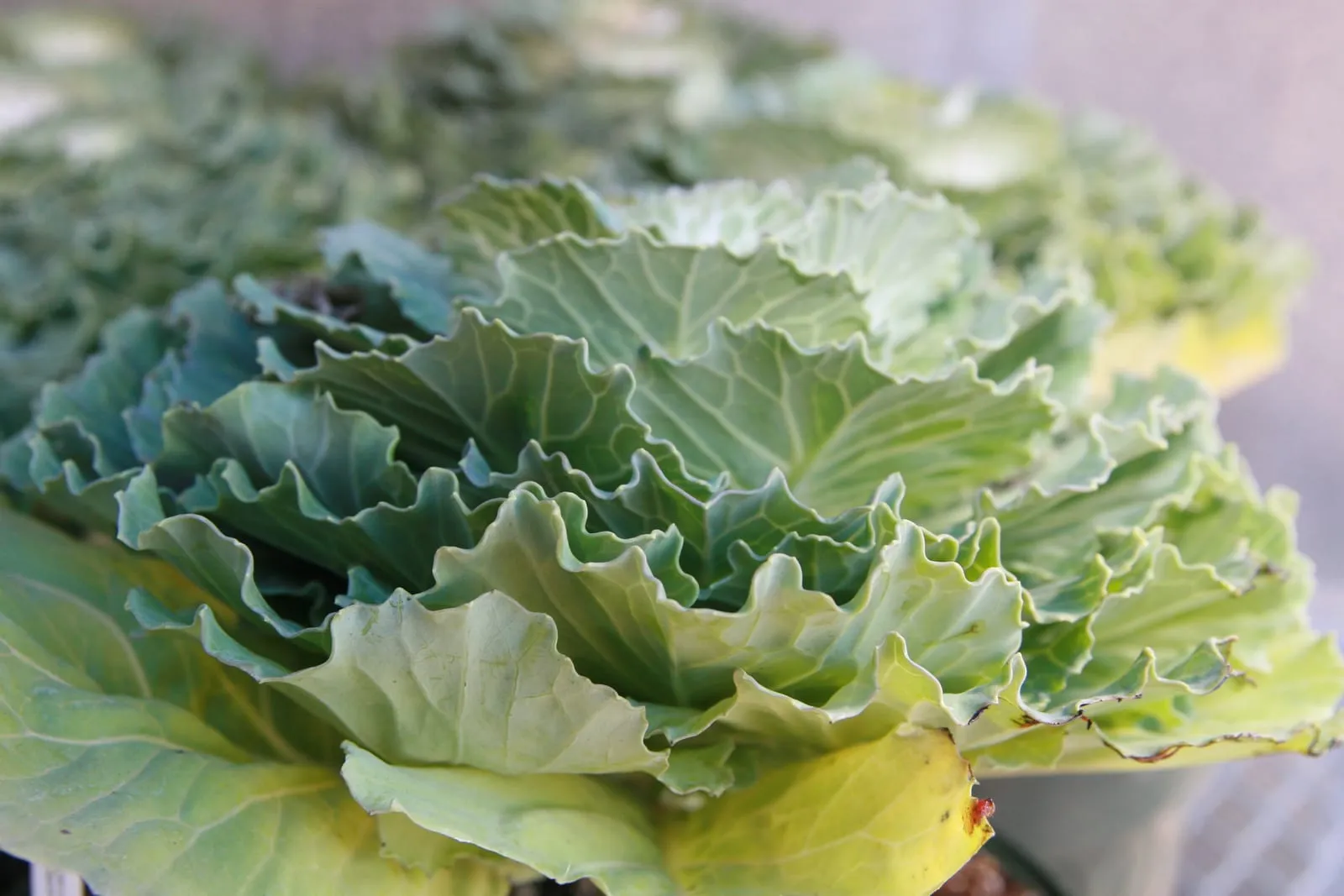
vegetable in zone 9b
Growing collards in zone 9b
Brassica oleracea var. acephala
- Zone
- 9b 25°F to 30°F
- Growing season
- 310 days
- Suitable varieties
- 0
- Days to harvest
- 55 to 80
The verdict
Collards are among the most heat-tolerant brassicas, and zone 9b is workable for them, though the long, hot summers define the limits of production. Unlike fruit crops, collards have no meaningful chill-hour requirement, so the zone's mild winters pose no obstacle on that front. The 310-day growing season creates an extended fall-through-spring production window that suits collards well: plants established in September or October can produce continuously through March, a stretch most northern growers cannot match.
The honest caveat is summer. Temperatures that routinely exceed 90°F push collards into bolting, bitterness, and increased pest pressure. Zone 9b is not a marginal zone for collards overall, but it is a marginal zone for summer production. Treat it as a cool-season crop with a generous cool season, and the zone performs well. Attempt year-round culture and results deteriorate sharply once daytime highs climb above 85°F.
Critical timing for zone 9b
The productive window in zone 9b runs roughly from mid-September through early April. Fall plantings established by October will size up through November and December, with the heaviest harvest typically falling between December and February. Collards tolerate the light frosts zone 9b receives (minimum temperatures of 25 to 30°F), and brief exposure to temperatures in the upper 20s often improves leaf sweetness by converting stored starches.
A second planting in late January or early February can extend harvest into March and early April before heat shuts down production. There is no meaningful bloom period to manage for collards grown as a leaf crop. The practical timing constraint is the onset of sustained heat in late April or May, which ends production more reliably than any frost event.
Common challenges in zone 9b
- ▸ Heat stress in summer
- ▸ Insufficient chill for most apples
- ▸ Salt spray near coasts
Disease pressure to watch for
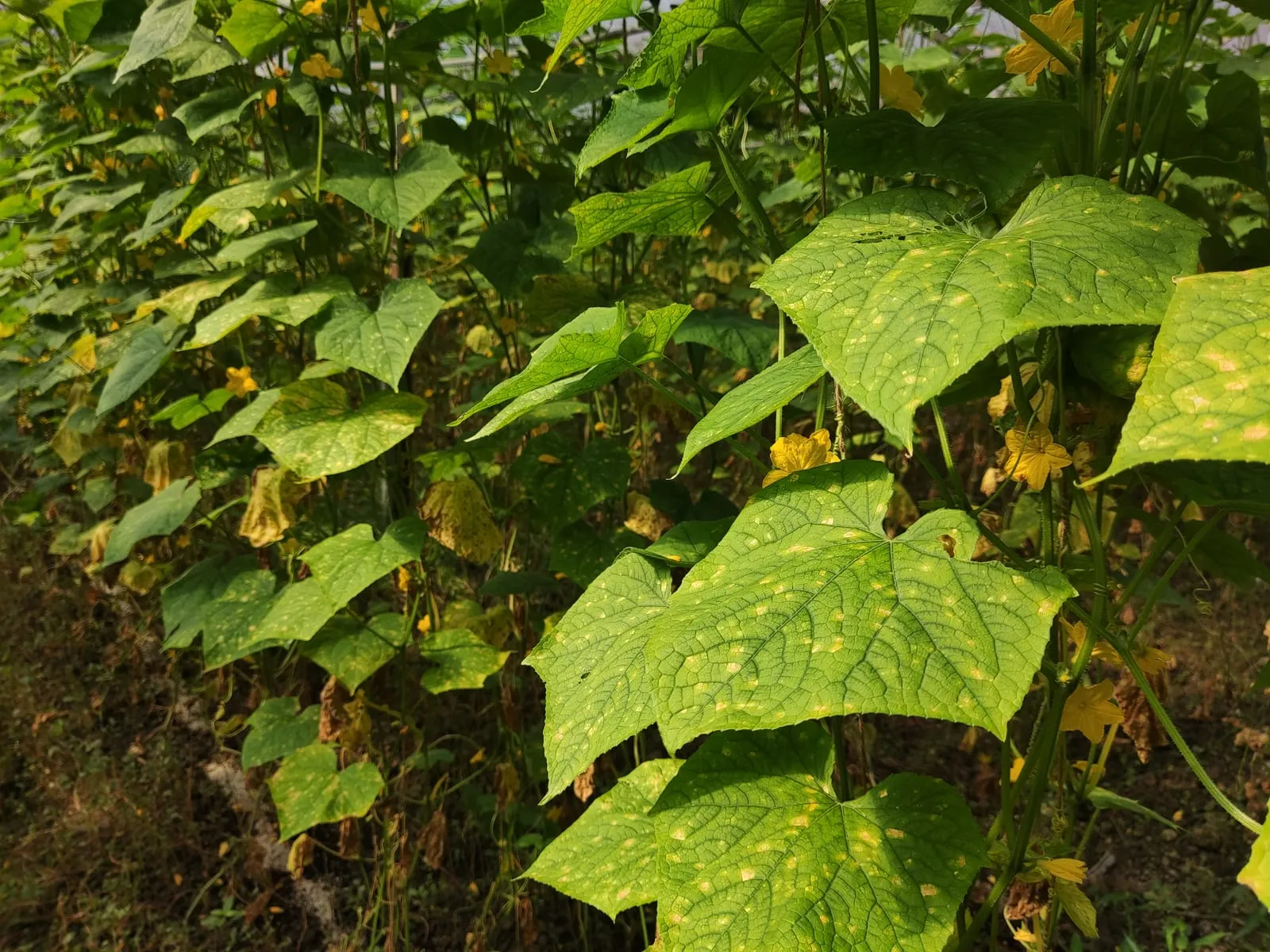
Pseudoperonospora cubensis (cucurbits) and others
Water mold (oomycete, not a true fungus) that thrives in cool damp conditions. Spreads rapidly through cucurbit and brassica plantings on wind-borne spores.
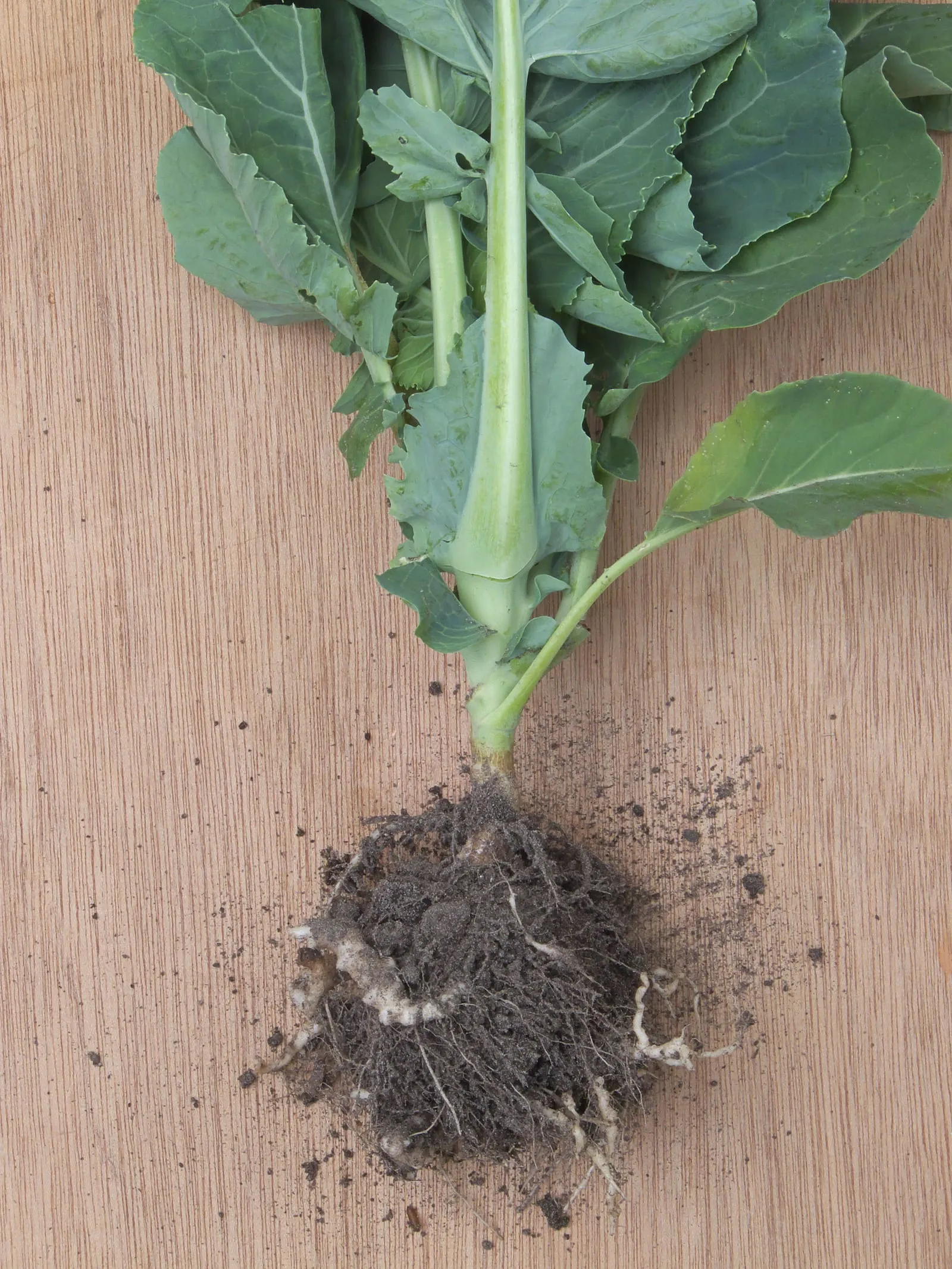
Plasmodiophora brassicae
Soil-borne disease causing characteristic distorted club-shaped roots on brassicas. Persists in soil for 10-20 years; the dominant brassica pathogen in acidic poorly-drained soils.
Modified care for zone 9b
The primary adjustment in zone 9b is sequencing plantings to stay inside the cool-season window. Starting seeds or transplants too early in fall, before nighttime temperatures consistently drop below 75°F, results in slow establishment and elevated aphid and caterpillar pressure.
Downy mildew thrives under the humid, mild conditions common in zone 9b winters, particularly near the Gulf Coast and in areas with frequent marine fog. Improving air circulation through adequate plant spacing (at least 18 inches between plants) reduces incidence. Clubroot is a soilborne disease that persists for years; growers in affected beds should raise soil pH to 7.0 or above with lime, since clubroot is significantly suppressed above pH 6.8. Coastal growers contending with salt spray should rinse foliage after wind events and avoid overhead irrigation that deposits salt on leaf surfaces.
Frequently asked questions
- Can collards survive summer in zone 9b?
Summer production is generally not practical in zone 9b. Sustained heat above 85 to 90°F causes bolting, bitter flavor, and increased insect pressure. Most growers in the zone treat collards strictly as a fall-through-spring crop and skip summer planting entirely.
- Do collards need frost to taste good?
Light frost improves sweetness by triggering starch-to-sugar conversion in the leaves. Zone 9b provides enough cold nights during December and January for this effect, though the improvement is less dramatic than in colder zones that experience sustained freezes.
- How do I manage clubroot in zone 9b soils?
Clubroot persists in soil for up to 20 years, so prevention matters more than treatment. Raise soil pH to 7.0 or above before planting using agricultural lime. Avoid moving soil between beds. Rotate brassicas to a different area of the garden for at least four years after any confirmed infection.
+−
+−
+−
Collards in adjacent zones
Image: "Brassica oleracea var. acephala Victoria Pigeon 0zz", by Photo by David J. Stang, via Wikimedia Commons, licensed under CC-BY Source.

Related