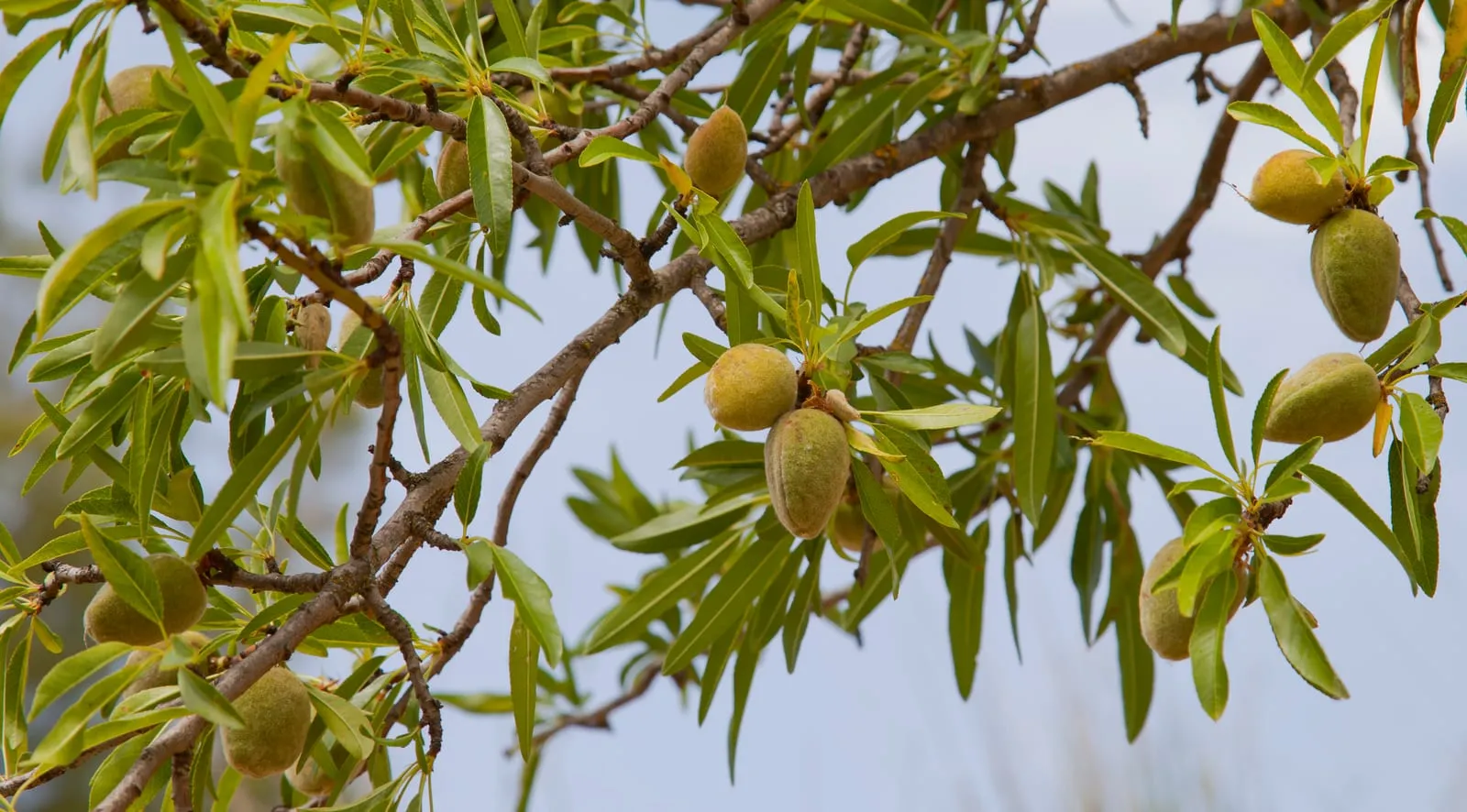
nut in zone 9a
Growing almond in zone 9a
Prunus dulcis
- Zone
- 9a 20°F to 25°F
- Growing season
- 290 days
- Chill needed
- 200 to 500 below 45°F
- Suitable varieties
- 2
- Days to harvest
- 180 to 240
The verdict
Zone 9a sits at the warm edge of almond's viable range, which makes it a marginal zone rather than a sweet spot. Almonds typically require 200 to 500 chill hours (hours below 45°F), and zone 9a accumulates somewhere between 100 and 400 hours depending on elevation, distance from the coast, and yearly weather variation. Inland locations within 9a, particularly those in valley floors that experience cold air drainage, tend to accumulate enough chill most winters. Coastal and lower-elevation sites often fall short.
Variety selection is the most important decision here. Nonpareil, the dominant California commercial variety, sits at roughly 400 chill hours and is a gamble in warmer 9a sites. Mission, with a lower chill requirement in the 250 to 300 hour range, is the more reliable choice. In marginal-chill years, both varieties may bloom erratically or produce sparse crops. Growers in 9a should treat almond as a sometimes-productive crop rather than a dependable annual producer.
Recommended varieties for zone 9a
2 cultivars suited to this zone, with disease-resistance and zone-fit annotations.
| Variety | Notes | Zone fit | Disease resistance |
|---|---|---|---|
| Nonpareil fits zone 9a | Sweet, mild, smooth kernels; the global commercial standard, fresh, baking, processing. California's leading variety. Requires a pollinizer (typically Carmel or Mission). | | none noted |
| Mission fits zone 9a | Sweet, rich, hard-shelled medium kernels; baking, processing, traditional almonds. Late-blooming California heritage variety, often the pollinizer for Nonpareil. | | none noted |
Critical timing for zone 9a
Almonds bloom earlier than nearly any other tree fruit, typically late January through February in zone 9a. This timing creates a real frost-risk window: while 9a rarely sees hard freezes after mid-February, an anomalous cold event during open bloom can wipe out the crop. Zone 9a's last frost dates generally fall between late January and late February, meaning bloom and frost exposure overlap directly.
Harvest in zone 9a typically runs July through early August, well within the 290-day growing season. The long, dry summers common to much of zone 9a are actually favorable for hull split and field drying, provided irrigation is managed correctly during the final stages of nut development.
Common challenges in zone 9a
- ▸ Limited stone fruit options due to insufficient chill
- ▸ Hurricane and tropical storm exposure
- ▸ Citrus disease pressure
Disease pressure to watch for
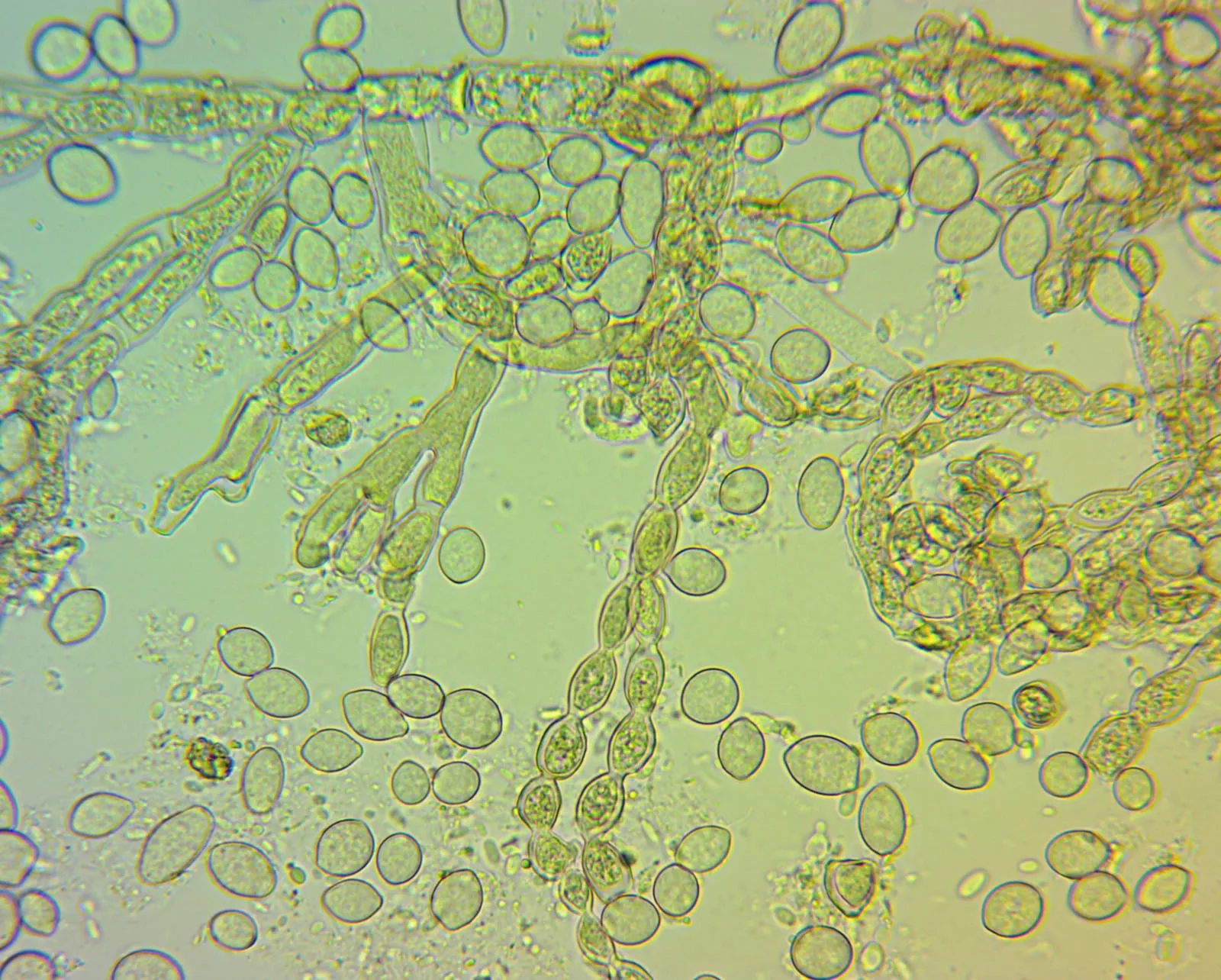
Monilinia fructicola
The most damaging stone-fruit and almond disease, causing blossom blight and fruit rot.
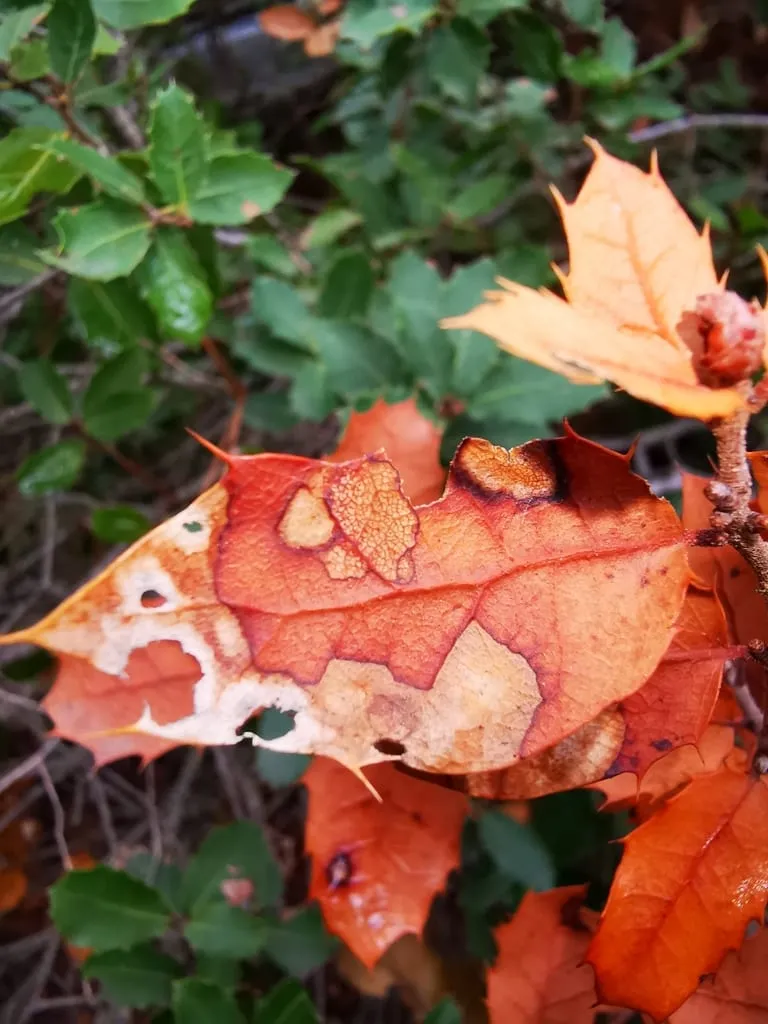
Xylella fastidiosa
Bacterial disease vectored by sharpshooter leafhoppers, causing progressive leaf scorch and tree decline. Same pathogen species as Pierce's disease in grape.
Modified care for zone 9a
Brown rot pressure is lower in zone 9a than in wetter almond-growing regions, but irrigation management during bloom and nut development still matters. Overhead irrigation during bloom raises infection risk significantly; drip or micro-sprinkler systems help minimize this.
Almond leaf scorch, caused by the bacterium Xylella fastidiosa and spread by sharpshooter leafhoppers, is a more serious concern in warmer zones where sharpshooter populations are higher. There is no cure once a tree is infected. Selecting planting sites away from riparian areas and monitoring for early symptoms (marginal leaf scorch, limb dieback) allows for early removal of infected wood before spread worsens.
In 9a locations exposed to Gulf or Atlantic storm tracks, wind damage during the September-October off-season can break scaffold limbs on heavily cropped trees. Training to an open-center form with well-spaced scaffolds reduces this risk without sacrificing light penetration.
Frequently asked questions
- Can almonds grow in zone 9a?
Almonds can grow in parts of zone 9a, particularly inland sites that accumulate 250 to 400 chill hours in a typical winter. Coastal and low-elevation 9a locations often fall short of the chill requirement, leading to erratic bloom and poor fruit set. Mission is the most reliable variety for warmer sites within the zone.
- Which almond varieties work best in zone 9a?
Mission is the better choice for zone 9a because its chill requirement (roughly 250 to 300 hours) is more attainable than Nonpareil's 400-hour threshold. In cooler inland pockets of 9a, Nonpareil remains viable but should be paired with a compatible pollinizer since it is self-incompatible.
- What is almond leaf scorch, and is it a risk in zone 9a?
Almond leaf scorch is a bacterial disease caused by Xylella fastidiosa, transmitted by sharpshooter leafhoppers. Warmer zones with higher sharpshooter pressure, including much of zone 9a, carry elevated risk. Infected trees show marginal leaf browning and progressive dieback with no curative treatment available; infected wood should be removed promptly.
- When do almonds bloom in zone 9a?
Almonds in zone 9a typically bloom late January through February, earlier than most other tree fruits. This early bloom window overlaps with zone 9a's last frost dates, so cold events during open bloom can cause significant crop loss in years when late frosts arrive after bloom has begun.
+−
+−
+−
+−
Almond in adjacent zones
Image: "Almendras (Prunus dulcis), Huérmeda, España 2012-05-19, DD 01", by Diego Delso, via Wikimedia Commons, licensed under CC-BY Source.
,_Hu%C3%A9rmeda,_Espa%C3%B1a_2012-05-19,_DD_01.JPG)
Related