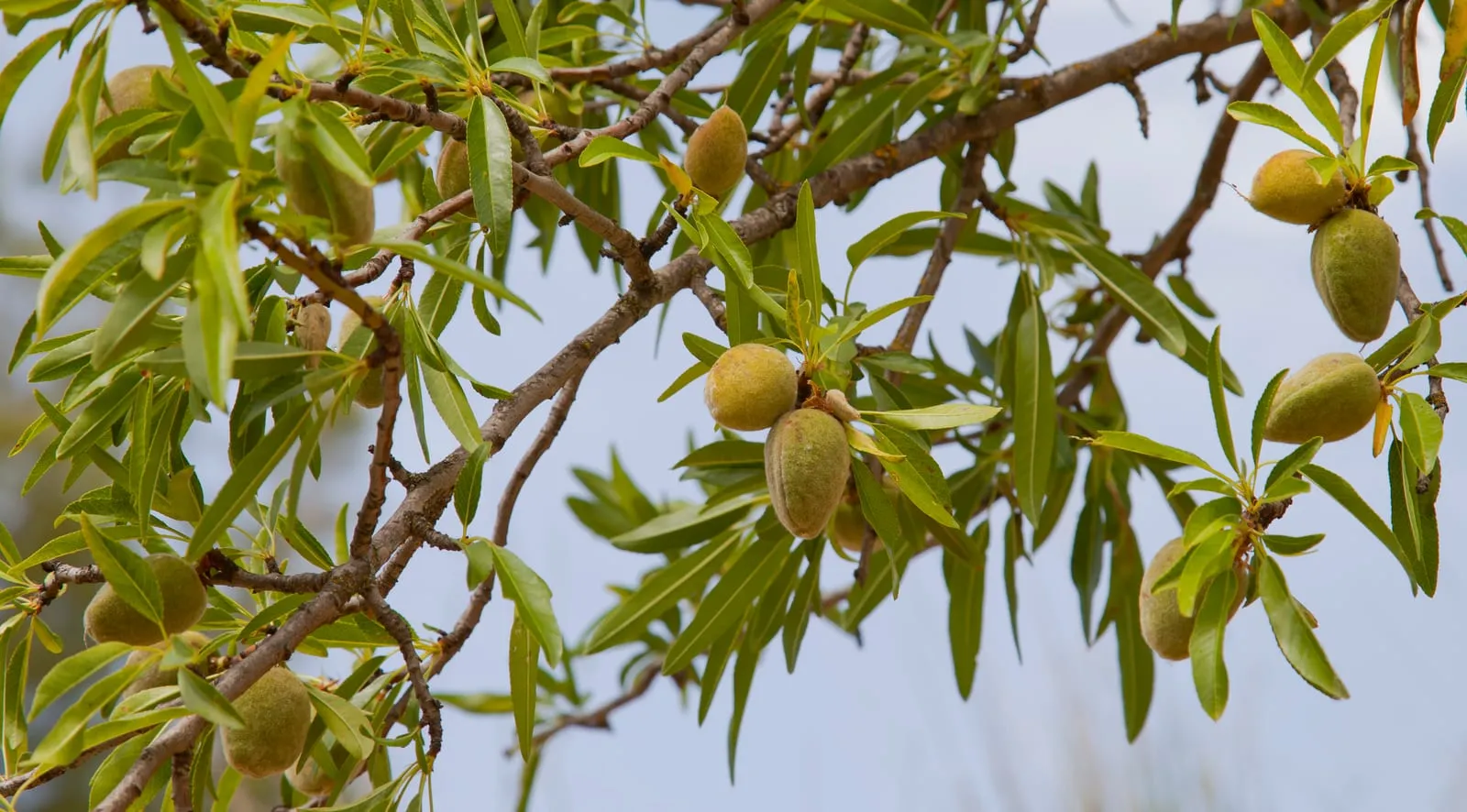
nut
Almond
Prunus dulcis
USDA hardiness range
- Zones
- 6a–9a
- Chill hours
- 200 to 500 below 45°F
- Days to harvest
- 180 to 240
- Sun
- Full
- Water
- Low
- Lifespan
- 25 to 50 years
Growing almond
Almond (Prunus dulcis) is a high-reward but site-specific tree for home orchardists. It thrives in zones 6a through 9a, but the range is deceptive: success within that band depends heavily on chill-hour accumulation, spring frost timing, and drainage.
Chill-hour requirements vary by variety, from around 200 hours for cold-hardy selections like Hall's Hardy to 500 hours for commercial standards like Nonpareil. This flexibility makes almond viable across a wider swath of the South and Intermountain West than most growers expect, but it also means variety selection is the first critical decision. A mismatch between a variety's chill requirements and the site's actual winter accumulation is among the most common causes of poor or nonexistent yields.
The greater constraint for many eastern growers is not cold but humidity. Almond is a Mediterranean crop adapted to dry summers. Zones 6b and 7b can produce reasonable harvests, but they require consistent attention to brown rot pressure, especially in wet springs. Late frosts compound the difficulty: almond blooms earlier than almost any other Prunus species, and a single hard frost at open bloom can eliminate the year's crop entirely.
Where conditions align, almond is a long-lived, relatively low-maintenance tree. Established specimens tolerate drought well and require less irrigation than most other stone fruits. A lifespan of 25 to 50 years means a well-sited planting repays the effort many times over.
Recommended varieties
See all 4 →4 cultivars for home growers, with notes on flavor, ripening, and disease resistance.
| Variety | Notes | Zone fit | Disease resistance |
|---|---|---|---|
| Hall's Hardy | Sweet, rich, marzipan-like flavor with slight bitterness; baking, marzipan, fresh. The cold-hardy home-garden almond, productive in zones 5b-7 where commercial varieties fail. Self-fertile, late-blooming. | | none noted |
| All-In-One | Sweet, mild, soft kernels; fresh, baking, almond flour. Self-pollinating semi-dwarf (12-15 ft), the home-orchard favorite where space is limited. Productive young. | | none noted |
| Nonpareil | Sweet, mild, smooth kernels; the global commercial standard, fresh, baking, processing. California's leading variety. Requires a pollinizer (typically Carmel or Mission). | | none noted |
| Mission | Sweet, rich, hard-shelled medium kernels; baking, processing, traditional almonds. Late-blooming California heritage variety, often the pollinizer for Nonpareil. | | none noted |
Soil and site requirements
Almond demands well-drained soil above all else. Standing water or heavy clay that retains moisture through dormancy and early spring is reliably fatal to the root system. Sandy loam to loam with a pH of 6.0 to 7.5 suits it best. In clay-heavy sites, a raised or bermed planting position can compensate, though it introduces the trade-off of more careful moisture management during dry periods.
Full sun is non-negotiable. Eight or more hours of direct sun daily supports kernel sugar development and keeps foliage dry enough to hold fungal pressure in check.
Spacing depends on rootstock and variety. Standard trees typically want 20 to 25 feet between them. Semi-dwarf selections such as All-In-One can be planted at 12 to 15 feet, which suits smaller home orchards well.
Microclimate matters for frost timing. Low spots and frost pockets carry extra risk because almond blooms earlier than almost any other Prunus species. Planting on a gentle slope or near a thermal mass (a south-facing wall, a body of water) can shift effective bloom timing by several days and provide a degree or two of cold protection that preserves the crop in borderline seasons. Southern and western exposures are generally preferred in zones 6 and 7.
Common diseases
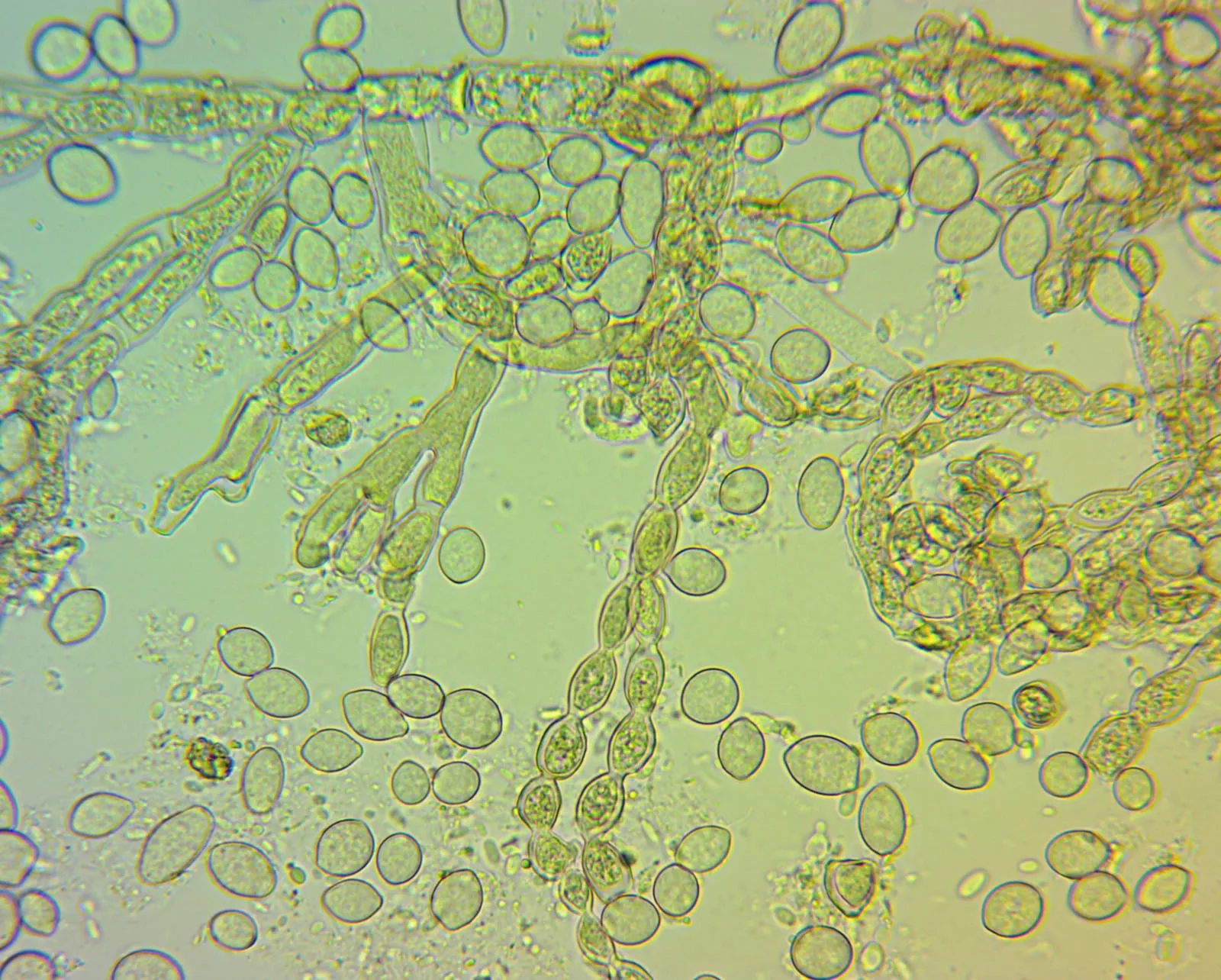
Monilinia fructicola
The most damaging stone-fruit and almond disease, causing blossom blight and fruit rot.
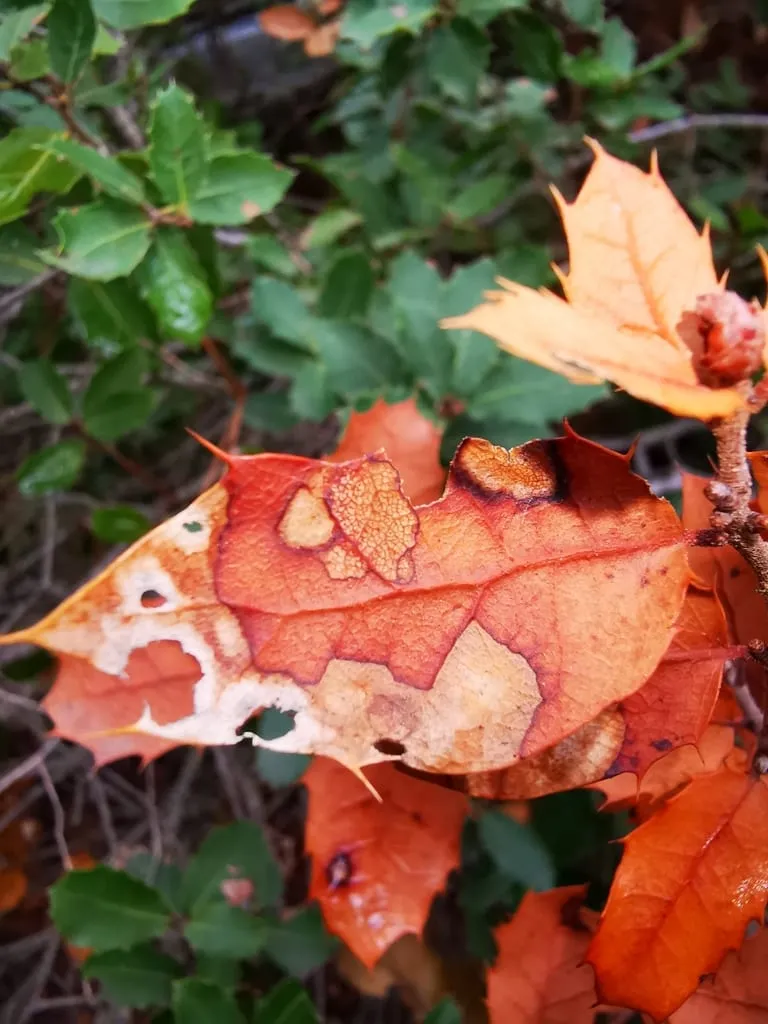
Xylella fastidiosa
Bacterial disease vectored by sharpshooter leafhoppers, causing progressive leaf scorch and tree decline. Same pathogen species as Pierce's disease in grape.
Common pests
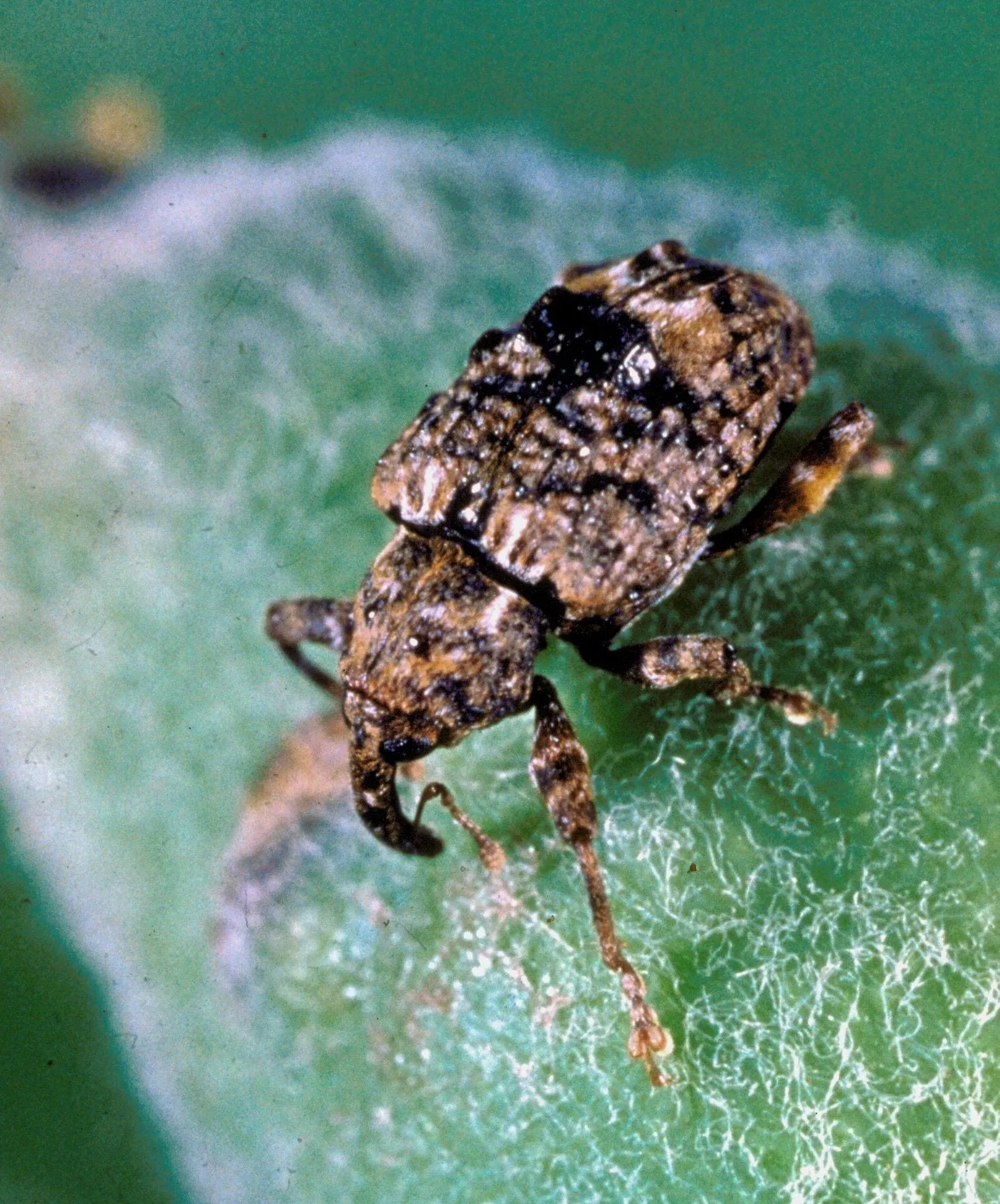
Conotrachelus nenuphar
Native weevil that lays eggs in young stone and pome fruit, causing characteristic crescent-shaped scars.
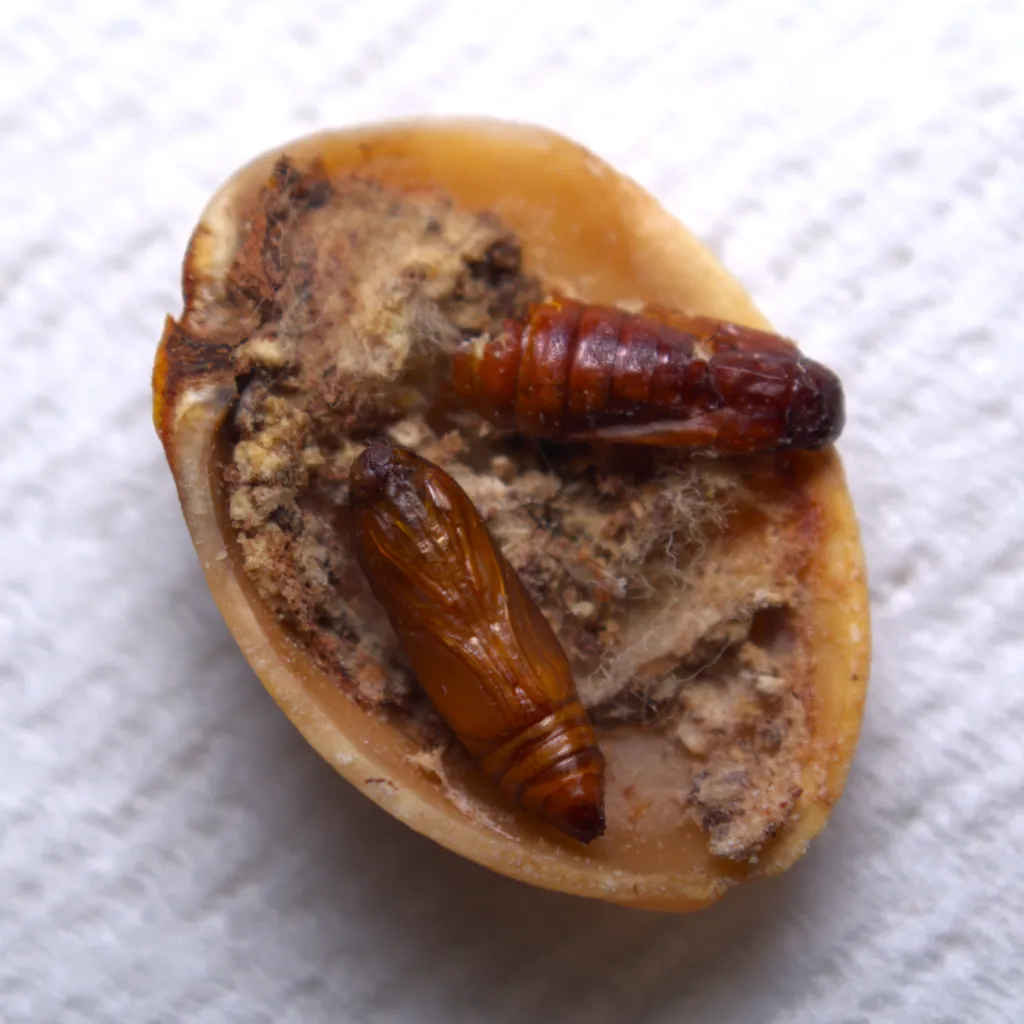
Amyelois transitella
Moth whose larvae infest mummified almonds and continue feeding into the new crop. The dominant almond pest in California, also a vector for Aspergillus aflatoxin contamination.
Common challenges
Three issues account for most almond failures in home orchards outside California.
Frost timing. Almond blooms earlier than nearly any other tree fruit, sometimes as early as late January in warmer zones. A single frost event at open bloom kills developing embryos and eliminates the season's crop. Site selection matters as much as variety choice. Exposed slopes in low-humidity zones carry less risk than low-lying frost pockets or regions prone to warm spells in February followed by a hard freeze.
Pollination requirements. Many popular varieties, including the widely planted Nonpareil, require a compatible pollinizer within range of bee activity. Home growers who plant a single tree of a cross-pollinating variety may wait several years before diagnosing the problem. Self-fertile options like Hall's Hardy and All-In-One remove this variable entirely, a reasonable trade-off even if they fall short of the commercial flavor standard in processed applications.
Brown rot in humid climates. In drier western zones, brown rot pressure is relatively low. In zones 6b through 7b, the disease often requires preventive fungicide applications at bloom and again as hulls begin to split. Delayed harvest when hulls crack also creates entry points for navel orangeworm, which bores into kernels and renders them unmarketable. Timely harvest, good airflow through the canopy, and prompt removal of mummified nuts reduce both risks considerably. UC Davis Almond Production provides regional spray timing guidance.
Companion plants
Frequently asked questions
- How many chill hours does almond need?
Requirements vary by variety, from around 200 hours for cold-hardy selections like Hall's Hardy to around 500 hours for standard commercial varieties like Nonpareil. Most sites in zones 6 through 8a accumulate well within this range. Growers in the warmer parts of zones 8b and 9a should verify local chill accumulation before committing to higher-chill varieties.
- How long does it take for an almond tree to produce a harvest?
Almond requires 180 to 240 days from bloom to hull split and harvest, which typically falls in late summer to early fall depending on zone and variety. Trees planted from nursery stock generally begin bearing in earnest at 3 to 5 years after planting.
- What USDA zones are suitable for growing almond?
Almond performs best in zones 6a through 9a. Zone 6a is the cold edge, where late frosts and hard winters limit reliable cropping to cold-hardy varieties like Hall's Hardy. In zones 9b and above, insufficient winter chill hours become the binding constraint on productivity.
- Does almond need a pollinator tree?
It depends on the variety. Hall's Hardy and All-In-One are self-fertile and will set fruit without a second tree. Nonpareil, the dominant commercial variety, requires a pollinizer such as Carmel or Mission planted within range of bee activity. See Almond Board Variety Information for cross-pollination compatibility charts.
- What is the most common disease affecting almond?
Brown rot is the most widespread fungal problem, especially in humid climates. It affects blossoms, young shoots, and developing nuts. Preventive fungicide applications at bloom and at hull split are standard practice in areas with regular spring rainfall. Good canopy airflow and prompt removal of mummified nuts reduce overwintering inoculum.
- Can almond be grown successfully in zone 7b?
Yes, with the right variety and site selection. Zone 7b provides adequate chill hours and a long enough growing season for full kernel development. The main challenges are early bloom timing relative to late frost risk and elevated brown rot pressure in wet springs. Self-fertile, late-blooming varieties like Hall's Hardy reduce both risks considerably.
- How large does a mature almond tree get?
Standard almond trees typically reach 15 to 30 feet at maturity. Semi-dwarf selections like All-In-One stay in the 12 to 15 foot range, which suits most home gardens. Final size is also influenced by rootstock; trees on vigorous rootstocks tend toward the larger end of that range.
+−
+−
+−
+−
+−
+−
+−
Sources
Image: "Almendras (Prunus dulcis), Huérmeda, España 2012-05-19, DD 01", by Diego Delso, via Wikimedia Commons, licensed under CC-BY. Source.
,_Hu%C3%A9rmeda,_Espa%C3%B1a_2012-05-19,_DD_01.JPG)
Almond by zone
Related