nut in zone 7b
Growing almond in zone 7b
Prunus dulcis
- Zone
- 7b 5°F to 10°F
- Growing season
- 220 days
- Chill needed
- 200 to 500 below 45°F
- Suitable varieties
- 4
- Days to harvest
- 180 to 240
The verdict
Zone 7b minimum temperatures of 5 to 10°F are cold enough to satisfy almond's chill-hour requirement without pushing into damaging territory. Most almond varieties need 200 to 500 chill hours below 45°F, and zone 7b typically accumulates 700 to 900 hours in an average winter, well above the crop's threshold. Chilling is not the limiting factor here.
The real constraint is bloom timing. Almonds are among the earliest-blooming stone fruits, and in zone 7b they often open flowers before the last frost has passed. This makes zone 7b a marginal zone for almonds, not because of winter cold, but because of spring frost vulnerability. Expect some crop loss in years with late freezes. Varieties like Hall's Hardy and All-In-One were developed specifically for climates like this, offering later or more frost-tolerant bloom compared to Nonpareil, which blooms very early and is better suited to California's drier, more predictable springs. With careful variety selection, consistent production is achievable, but growers should plan for irregular yields.
Recommended varieties for zone 7b
4 cultivars suited to this zone, with disease-resistance and zone-fit annotations.
| Variety | Notes | Zone fit | Disease resistance |
|---|---|---|---|
| Hall's Hardy fits zone 7b | Sweet, rich, marzipan-like flavor with slight bitterness; baking, marzipan, fresh. The cold-hardy home-garden almond, productive in zones 5b-7 where commercial varieties fail. Self-fertile, late-blooming. | | none noted |
| All-In-One fits zone 7b | Sweet, mild, soft kernels; fresh, baking, almond flour. Self-pollinating semi-dwarf (12-15 ft), the home-orchard favorite where space is limited. Productive young. | | none noted |
| Nonpareil fits zone 7b | Sweet, mild, smooth kernels; the global commercial standard, fresh, baking, processing. California's leading variety. Requires a pollinizer (typically Carmel or Mission). | | none noted |
| Mission fits zone 7b | Sweet, rich, hard-shelled medium kernels; baking, processing, traditional almonds. Late-blooming California heritage variety, often the pollinizer for Nonpareil. | | none noted |
Critical timing for zone 7b
Almond bloom in zone 7b typically falls in late February through mid-March, depending on winter temperatures and the specific variety. The zone's average last frost date ranges from late March to mid-April across most piedmont and foothills locations, leaving a several-week overlap when open blossoms face freezing risk. Temperatures below 28°F sustained for more than a few hours will destroy open flowers and eliminate that year's crop.
Harvest timing is more favorable. With a growing season of approximately 220 days, hull split typically occurs in late July through August. Growers should monitor hull split closely; delayed harvest in the humid Southeast invites disease and pest pressure that can degrade nut quality quickly.
Common challenges in zone 7b
- ▸ Cedar-apple rust pressure heavy in piedmont
- ▸ Japanese beetles
- ▸ Brown marmorated stink bug
- ▸ Late summer disease pressure
Disease pressure to watch for
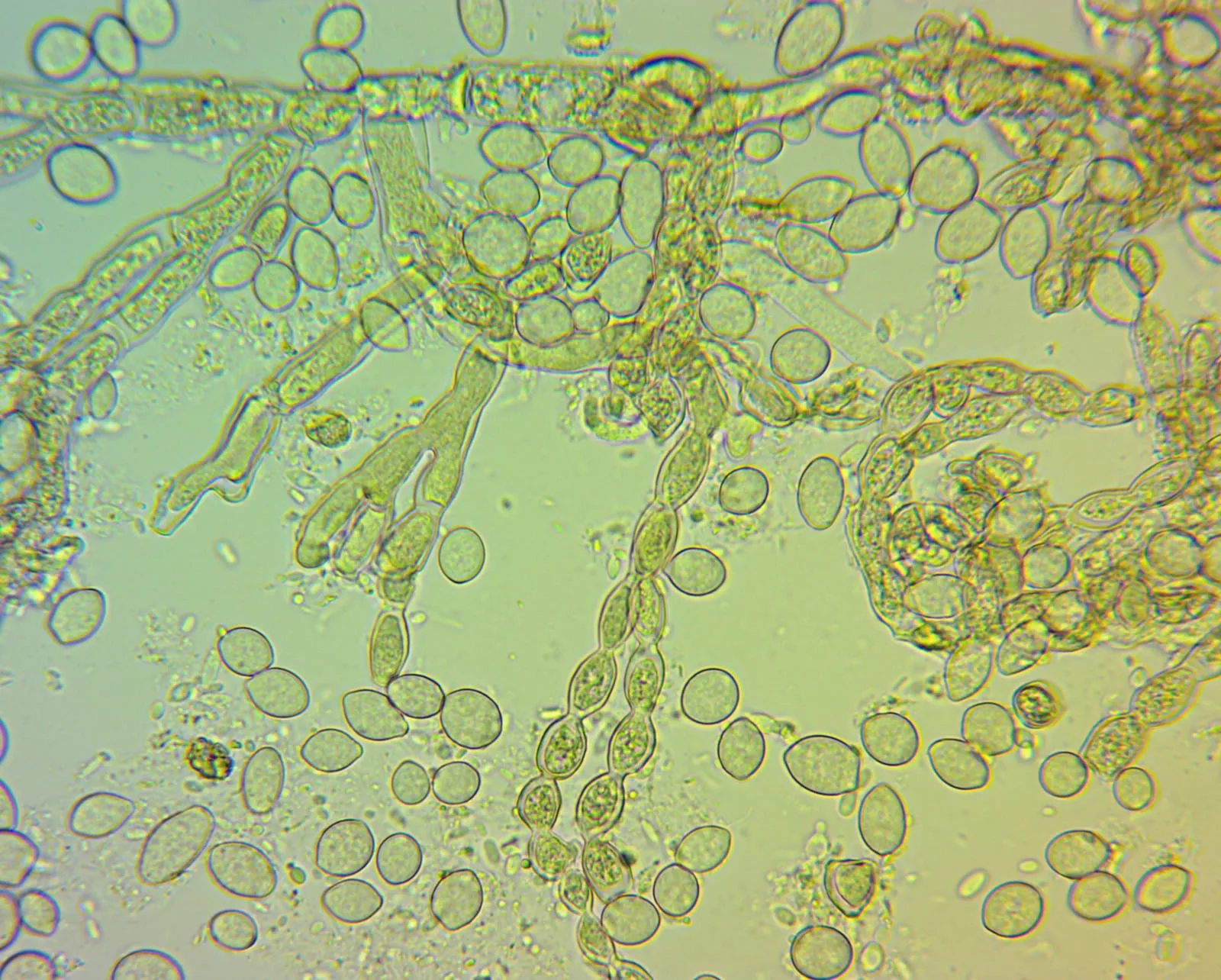
Monilinia fructicola
The most damaging stone-fruit and almond disease, causing blossom blight and fruit rot.
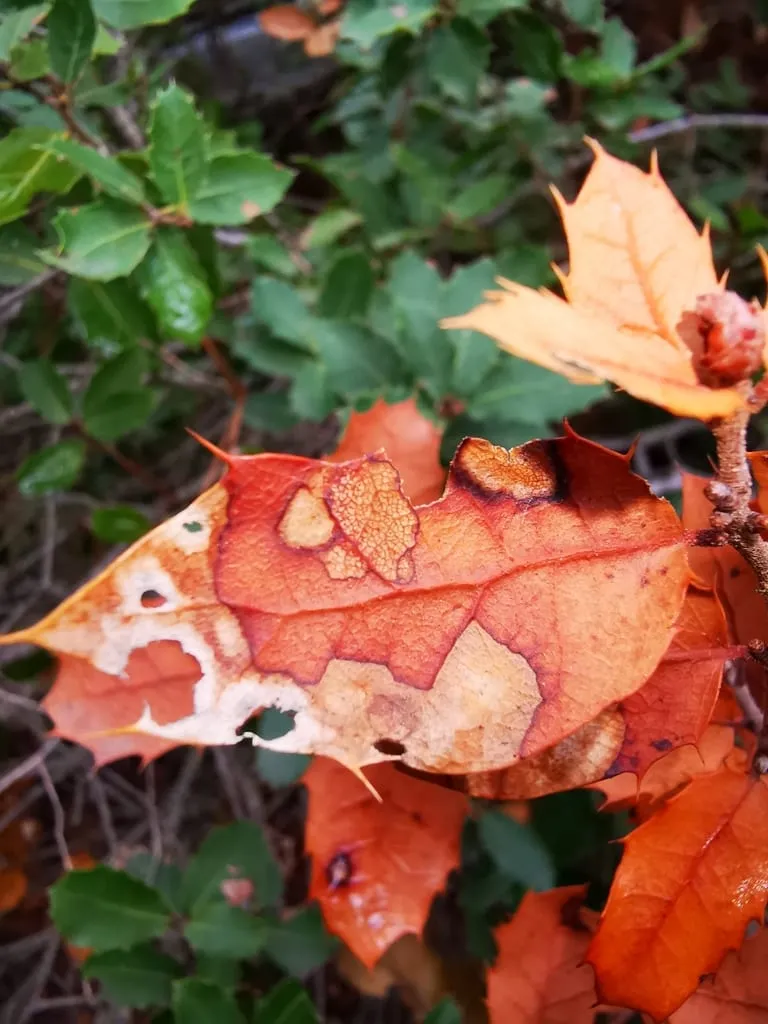
Xylella fastidiosa
Bacterial disease vectored by sharpshooter leafhoppers, causing progressive leaf scorch and tree decline. Same pathogen species as Pierce's disease in grape.
Modified care for zone 7b
The Southeast's humid climate demands a more active disease management approach than almonds require in their native California range. Brown Rot is the primary threat, particularly in wet springs that coincide with bloom. Preventive fungicide coverage starting at first bloom is standard practice, not optional. Almond Leaf Scorch (caused by Xylella fastidiosa) is present in the region; good air circulation and avoiding sites with heavy leafhopper populations reduce transmission risk.
Site selection does more work in zone 7b than in drier climates. Slightly elevated ground, good cold air drainage, and south or southeast exposure all reduce late frost exposure and improve air circulation. Japanese beetles arrive in mid-summer and can stress young trees if uncontrolled. Brown marmorated stink bug causes direct nut damage at hull split, so late-season monitoring and timely harvest limit losses.
Almond in adjacent zones
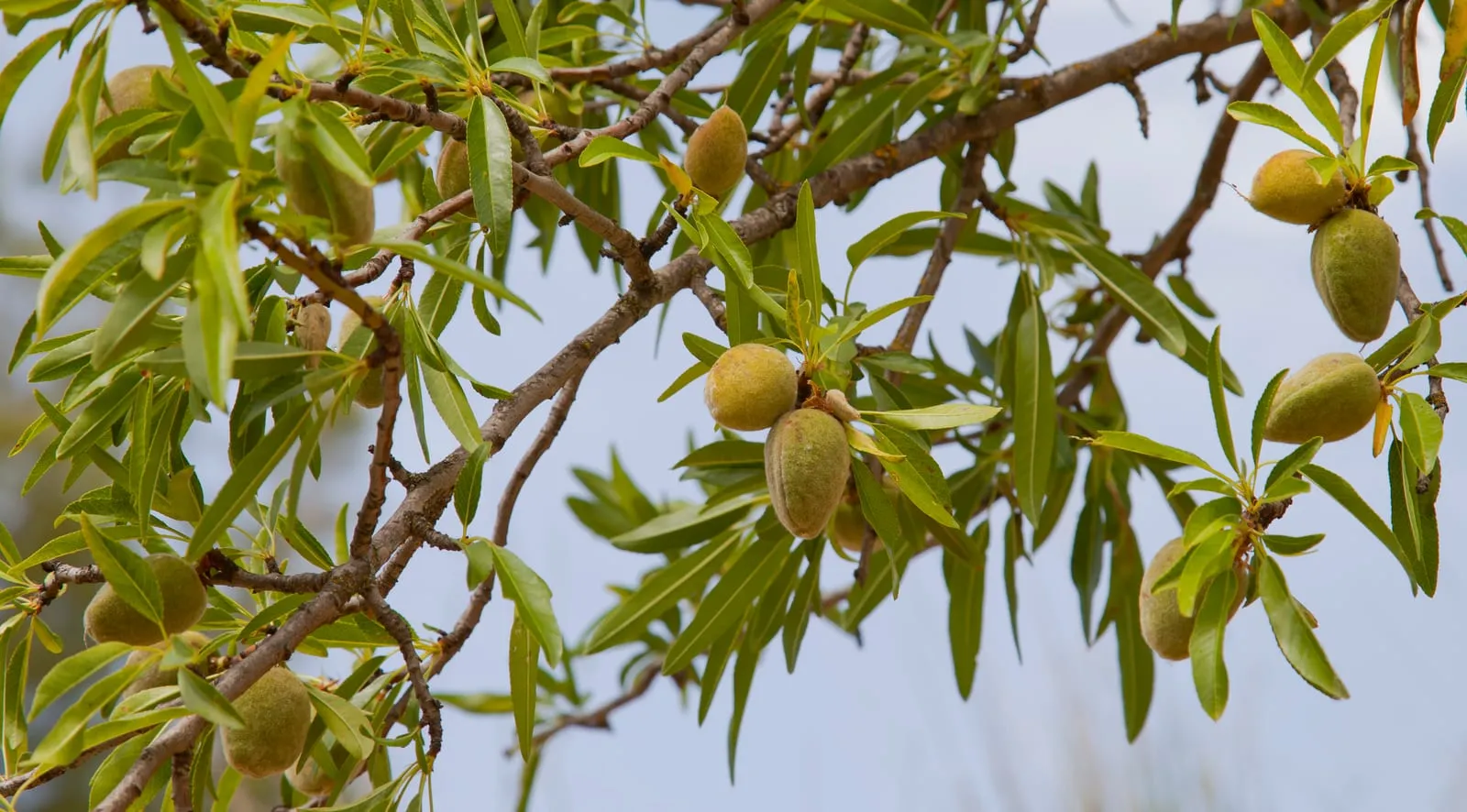
Image: "Almendras (Prunus dulcis), Huérmeda, España 2012-05-19, DD 01", by Diego Delso, via Wikimedia Commons, licensed under CC-BY Source.
,_Hu%C3%A9rmeda,_Espa%C3%B1a_2012-05-19,_DD_01.JPG)
Related