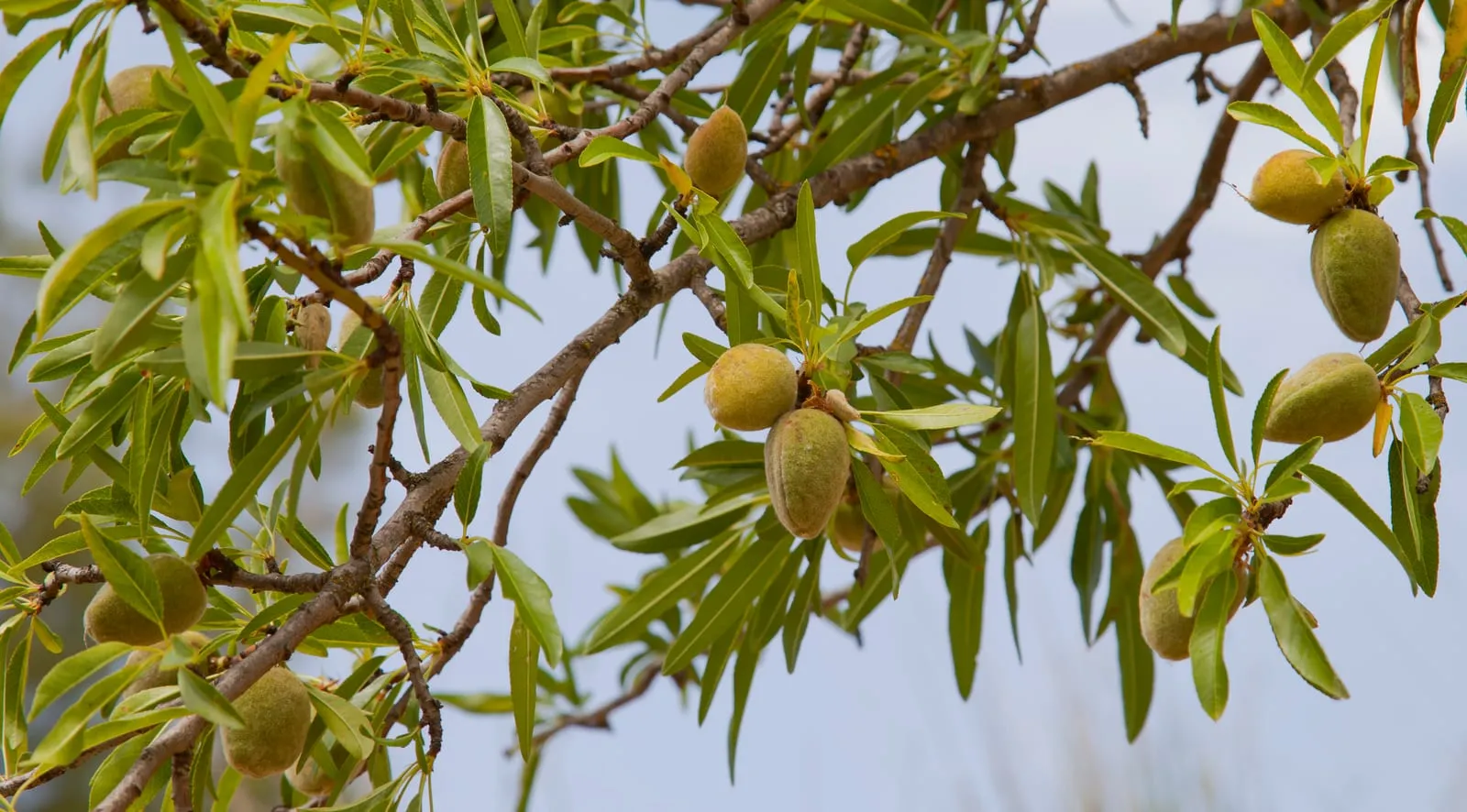
nut in zone 8a
Growing almond in zone 8a
Prunus dulcis
- Zone
- 8a 10°F to 15°F
- Growing season
- 240 days
- Chill needed
- 200 to 500 below 45°F
- Suitable varieties
- 3
- Days to harvest
- 180 to 240
The verdict
Zone 8a sits comfortably within almond's workable range. The crop's chill-hour requirement of 200 to 500 hours is well-matched to what most zone 8a winters deliver, making this neither a marginal fit nor a particularly demanding combination. The 240-day growing season provides ample time from bloom through hull split and drying. Among the compatible varieties, All-In-One performs reliably at the lower end of the chill range (roughly 250 to 300 hours), making it a safer pick in years when winter temperatures run mild. Nonpareil, the dominant commercial variety in California's San Joaquin Valley, sits closer to 400 hours and generally performs well in zone 8a unless the winter is unusually warm. Mission, a later-blooming type, offers some frost-escape advantage and tends to set reliably under zone 8a conditions. The main caveat for zone 8a is Almond Leaf Scorch, which warrants more attention in the warmer, more humid portions of this zone.
Recommended varieties for zone 8a
3 cultivars suited to this zone, with disease-resistance and zone-fit annotations.
| Variety | Notes | Zone fit | Disease resistance |
|---|---|---|---|
| All-In-One fits zone 8a | Sweet, mild, soft kernels; fresh, baking, almond flour. Self-pollinating semi-dwarf (12-15 ft), the home-orchard favorite where space is limited. Productive young. | | none noted |
| Nonpareil fits zone 8a | Sweet, mild, smooth kernels; the global commercial standard, fresh, baking, processing. California's leading variety. Requires a pollinizer (typically Carmel or Mission). | | none noted |
| Mission fits zone 8a | Sweet, rich, hard-shelled medium kernels; baking, processing, traditional almonds. Late-blooming California heritage variety, often the pollinizer for Nonpareil. | | none noted |
Critical timing for zone 8a
Almonds bloom earlier than almost any other tree nut, typically in February in zone 8a. That bloom window intersects directly with the zone's frost risk period, which commonly extends into late February and occasionally into mid-March in cooler portions of zone 8a. A hard frost at or below 28°F during open bloom can cause significant crop loss; even light frost during petal fall can damage developing nutlets. Harvest in zone 8a generally runs from late July through September depending on variety. Nonpareil is typically the earliest to reach hull split, followed by All-In-One and then Mission. The zone's 240-day growing season comfortably accommodates full kernel development, so late-season heat rarely compresses the ripening window.
Common challenges in zone 8a
- ▸ Insufficient chill hours for some apple varieties
- ▸ Pierce's disease in grapes
- ▸ Heat stress on cool-season crops
Disease pressure to watch for
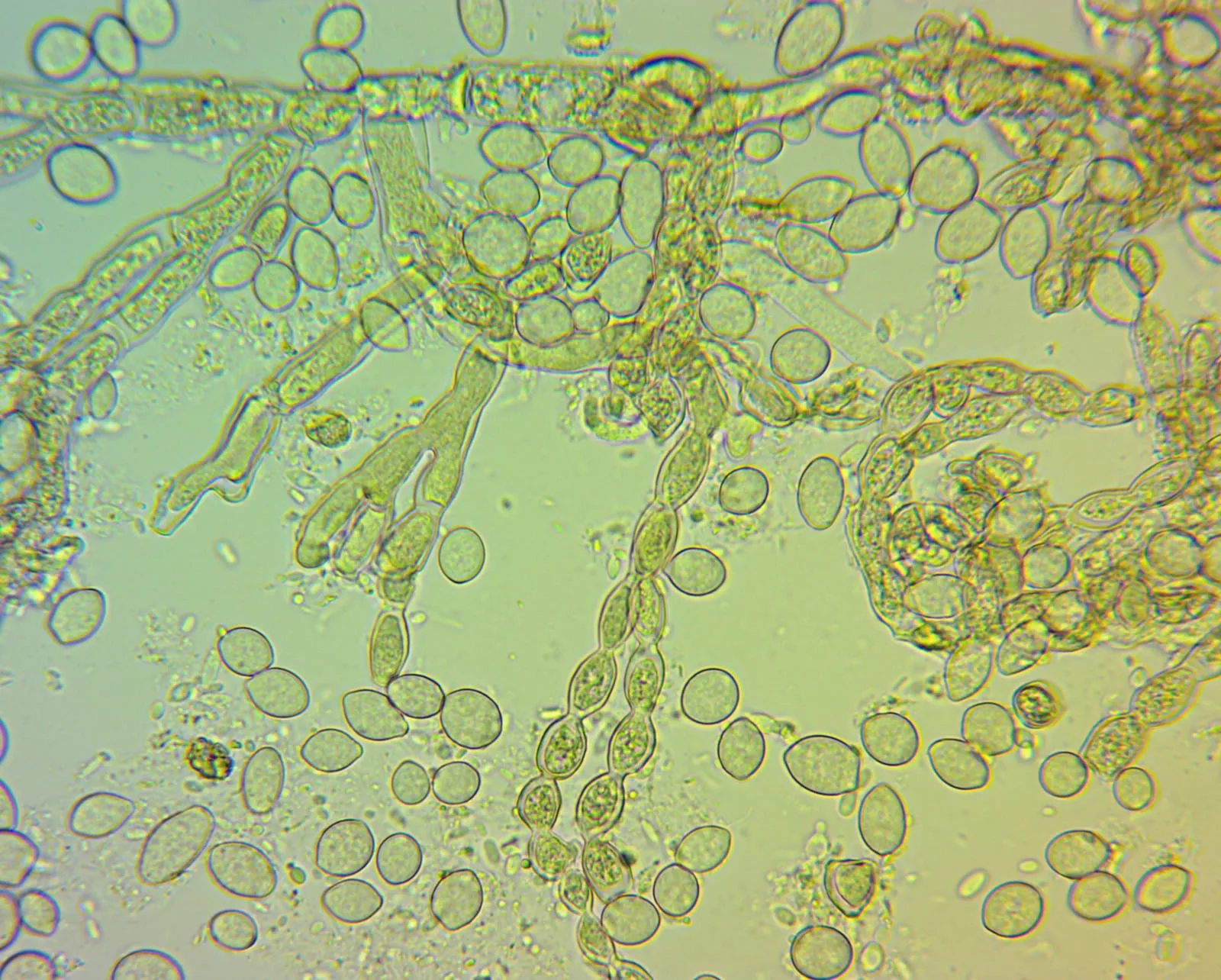
Monilinia fructicola
The most damaging stone-fruit and almond disease, causing blossom blight and fruit rot.
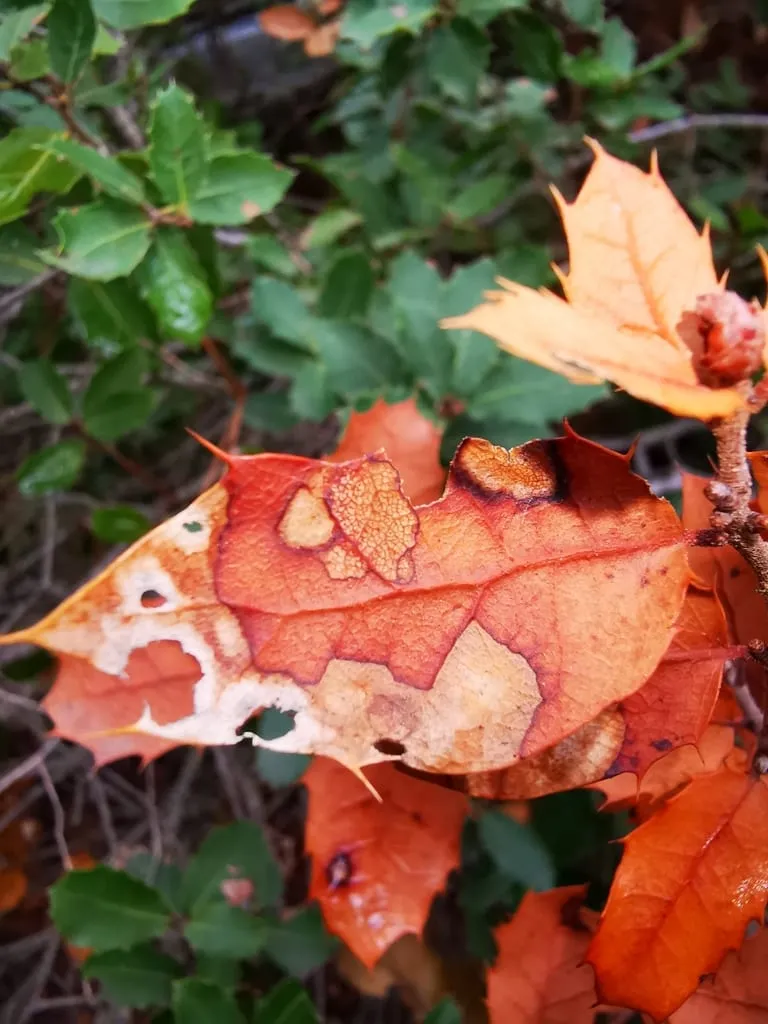
Xylella fastidiosa
Bacterial disease vectored by sharpshooter leafhoppers, causing progressive leaf scorch and tree decline. Same pathogen species as Pierce's disease in grape.
Modified care for zone 8a
The primary zone 8a management adjustment is frost protection during the February bloom window. Overhead irrigation for frost protection is effective but requires a reliable water source and careful monitoring when nighttime temperatures approach 28°F. Brown Rot pressure rises when spring rains coincide with bloom and petal fall; preventive fungicide applications timed to those stages matter more in zone 8a's wetter microclimates than in the dry-summer California regions where most commercial almond advice originates. Almond Leaf Scorch, caused by Xylella fastidiosa and vectored by sharpshooter insects, is an increasing concern in the southeastern and Gulf-adjacent portions of zone 8a. There is no curative treatment; early scouting and prompt removal of infected trees limits spread to neighboring plantings.
Almond in adjacent zones
Image: "Almendras (Prunus dulcis), Huérmeda, España 2012-05-19, DD 01", by Diego Delso, via Wikimedia Commons, licensed under CC-BY Source.
,_Hu%C3%A9rmeda,_Espa%C3%B1a_2012-05-19,_DD_01.JPG)
Related