nut in zone 7a
Growing almond in zone 7a
Prunus dulcis
- Zone
- 7a 0°F to 5°F
- Growing season
- 210 days
- Chill needed
- 200 to 500 below 45°F
- Suitable varieties
- 2
- Days to harvest
- 180 to 240
The verdict
Zone 7a minimum temperatures (0 to 5°F) fall within almond's cold-hardiness range, and the 200 to 500 chill-hour requirement is comfortably met across most of the zone in a typical winter. On paper, the numbers work. In practice, zone 7a sits on the eastern fringe of almond's viable range, where high humidity and unpredictable late-winter warm spells create conditions the crop did not evolve for.
The chill-hour match is not the limiting factor here; bloom timing is. Almonds break dormancy and flower earlier than almost any tree fruit, often in February, and zone 7a's frost window extends into late March or early April in most locations. A single hard frost on open flowers can eliminate the entire crop for the year. Varieties like Hall's Hardy and All-In-One were specifically selected for cold tolerance and somewhat later bloom, making them the practical options for zone 7a. This is a marginal zone for almond, not a sweet spot. Growers should plan for variable annual results rather than reliable harvests.
Recommended varieties for zone 7a
2 cultivars suited to this zone, with disease-resistance and zone-fit annotations.
| Variety | Notes | Zone fit | Disease resistance |
|---|---|---|---|
| Hall's Hardy fits zone 7a | Sweet, rich, marzipan-like flavor with slight bitterness; baking, marzipan, fresh. The cold-hardy home-garden almond, productive in zones 5b-7 where commercial varieties fail. Self-fertile, late-blooming. | | none noted |
| All-In-One fits zone 7a | Sweet, mild, soft kernels; fresh, baking, almond flour. Self-pollinating semi-dwarf (12-15 ft), the home-orchard favorite where space is limited. Productive young. | | none noted |
Critical timing for zone 7a
In zone 7a, almonds typically begin flowering in late February to early March, often weeks before the average last frost date. Depending on the specific location within the zone, last frost can fall anywhere from late March to mid-April, which means open blossoms are frequently at risk. Warm spells in January and February can accelerate dormancy break and push flowering even earlier, compressing the window further.
Harvest for the varieties suited to zone 7a falls in late August through September. The 210-day growing season is more than sufficient to ripen the crop once pollination succeeds. The season-end is not the constraint; the early-season overlap between bloom and frost risk is where zone 7a growers lose crops.
Common challenges in zone 7a
- ▸ Cedar-apple rust
- ▸ Brown rot
- ▸ Fire blight
- ▸ High humidity disease pressure
Disease pressure to watch for
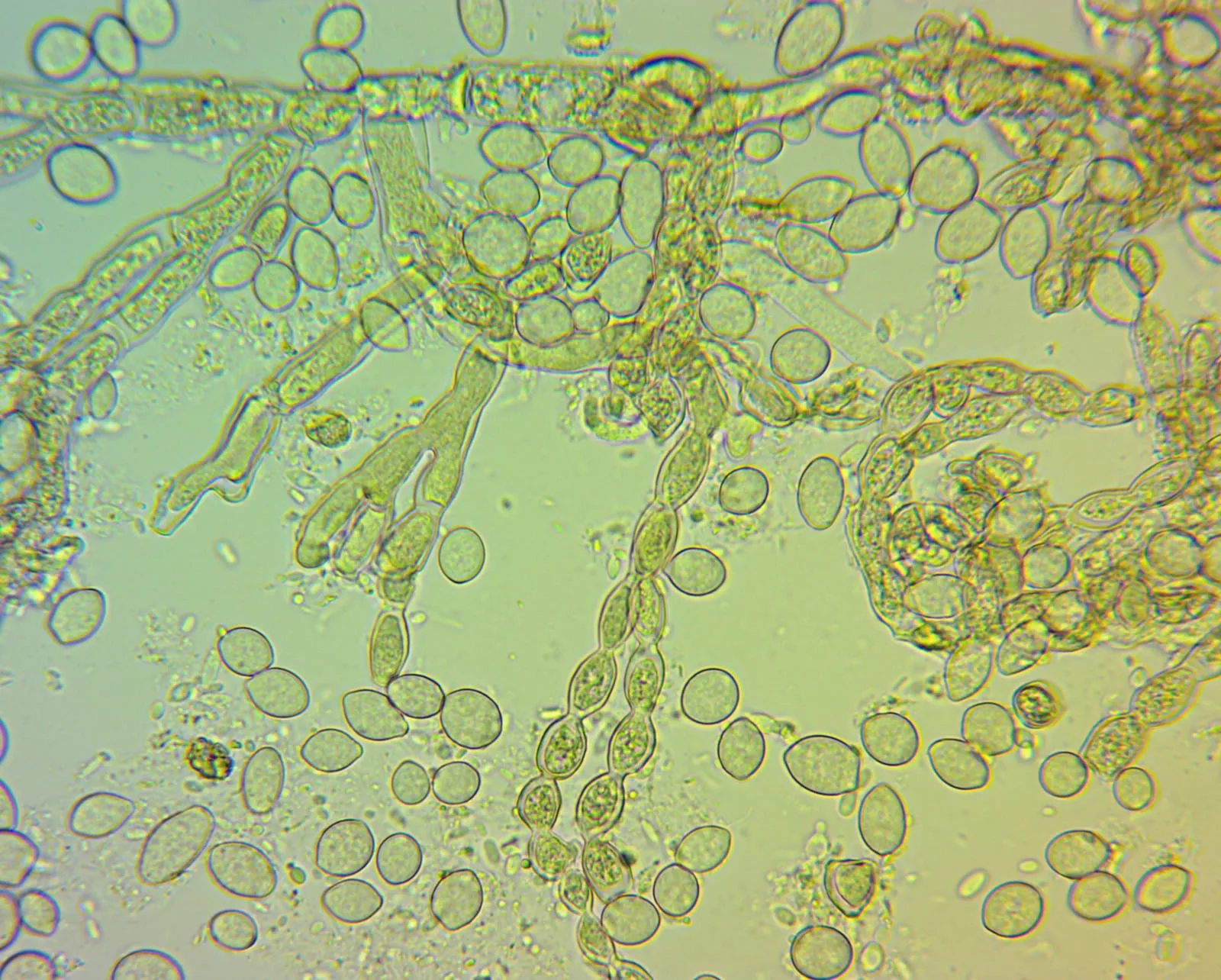
Monilinia fructicola
The most damaging stone-fruit and almond disease, causing blossom blight and fruit rot.
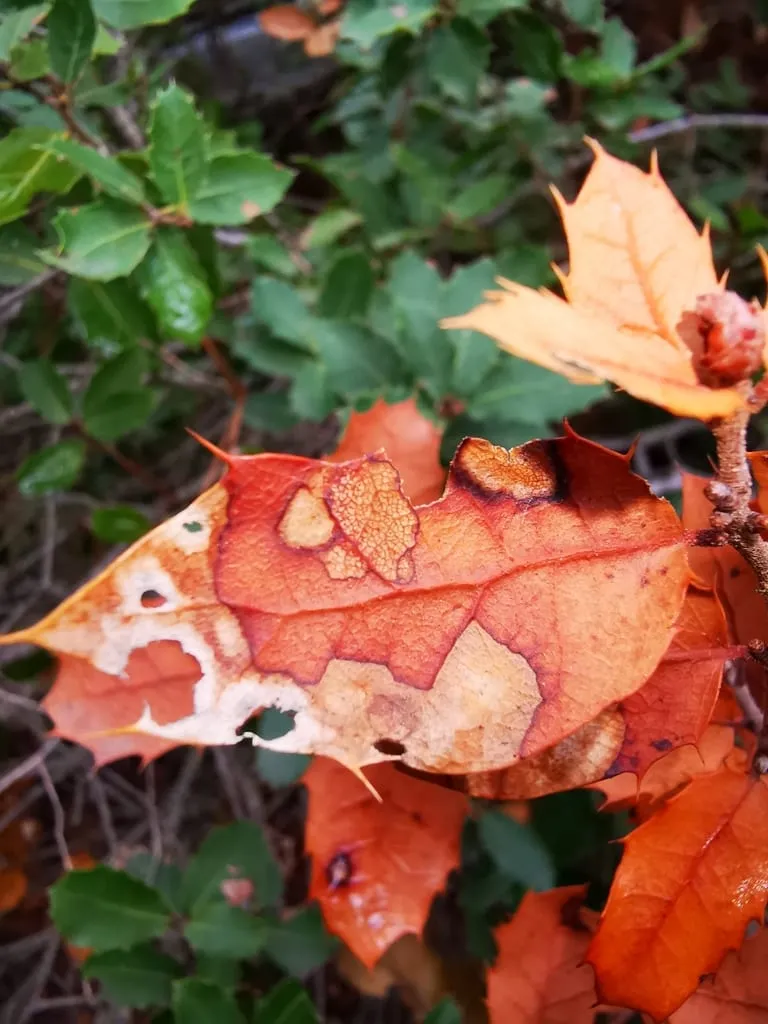
Xylella fastidiosa
Bacterial disease vectored by sharpshooter leafhoppers, causing progressive leaf scorch and tree decline. Same pathogen species as Pierce's disease in grape.
Modified care for zone 7a
Zone 7a's humid summers create disease pressure that growers in arid almond-producing regions rarely encounter. Brown rot is the primary threat at harvest, with infection risk spiking at hull split in late summer. Fungicide applications timed to hull split are more important here than standard guidance from California-focused extension materials suggests. Almond leaf scorch, which spreads through leafhoppers, also warrants monitoring in the humid Southeast.
Site selection should favor good air circulation and full sun to accelerate drying after rain. An open-center pruning form serves both disease management and light penetration. At bloom time, even modest frost protection measures, overhead irrigation or row cover on smaller trees, can preserve a crop during a late cold event. These adjustments reflect the gap between zone 7a conditions and the climate almond production literature typically assumes.
Almond in adjacent zones
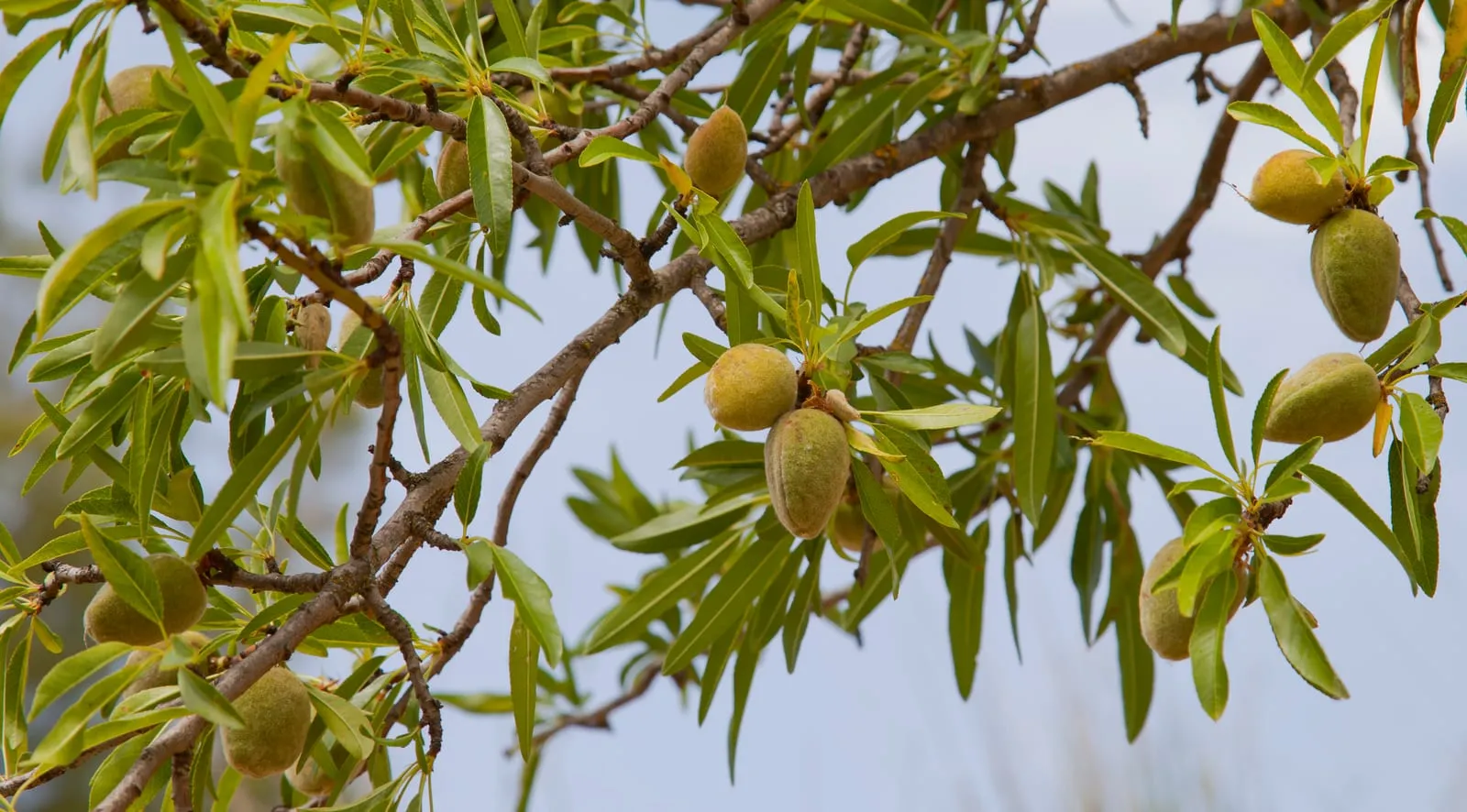
Image: "Almendras (Prunus dulcis), Huérmeda, España 2012-05-19, DD 01", by Diego Delso, via Wikimedia Commons, licensed under CC-BY Source.
,_Hu%C3%A9rmeda,_Espa%C3%B1a_2012-05-19,_DD_01.JPG)
Related