nut in zone 6b
Growing almond in zone 6b
Prunus dulcis
- Zone
- 6b -5°F to 0°F
- Growing season
- 190 days
- Chill needed
- 200 to 500 below 45°F
- Suitable varieties
- 2
- Days to harvest
- 180 to 240
The verdict
Zone 6b sits at the northern edge of reliable almond production in the eastern and central United States. Winter lows of -5 to 0°F push against the hardiness threshold for most almond varieties, though Hall's Hardy was specifically selected to tolerate these temperatures. Chill-hour requirements of 200 to 500 hours are easily satisfied in zone 6b, where most locations accumulate 900 to 1,200 hours annually, so dormancy completion is not the limiting factor.
The real constraint is bloom timing. Almonds flower earlier than almost any other tree fruit, and zone 6b's last frost dates typically fall in late April. A warm spell in February or early March can push bloom to open well before the frost danger has passed. This makes zone 6b a marginal zone for almond, workable with the right variety and site, but not a reliable producer without some deliberate risk management.
Recommended varieties for zone 6b
2 cultivars suited to this zone, with disease-resistance and zone-fit annotations.
| Variety | Notes | Zone fit | Disease resistance |
|---|---|---|---|
| Hall's Hardy fits zone 6b | Sweet, rich, marzipan-like flavor with slight bitterness; baking, marzipan, fresh. The cold-hardy home-garden almond, productive in zones 5b-7 where commercial varieties fail. Self-fertile, late-blooming. | | none noted |
| All-In-One fits zone 6b | Sweet, mild, soft kernels; fresh, baking, almond flour. Self-pollinating semi-dwarf (12-15 ft), the home-orchard favorite where space is limited. Productive young. | | none noted |
Critical timing for zone 6b
In zone 6b, almond bloom typically opens in late February to mid-March depending on winter temperatures and variety. Hall's Hardy tends to bloom slightly later than standard California varieties, which provides modest frost avoidance, but open flowers remain vulnerable to any freeze below 28°F. With a 190-day growing season and last frost dates commonly ranging from late April to early May across zone 6b, the overlap between bloom and frost risk is substantial.
Harvest falls in late August to September once the hull splits and begins to dry. The zone's growing season is long enough to carry the crop to maturity without concern, provided the flowers survive spring. The bottleneck is always at the front of the season, not the back.
Common challenges in zone 6b
- ▸ Cedar-apple rust
- ▸ Fire blight
- ▸ Stink bugs
Disease pressure to watch for
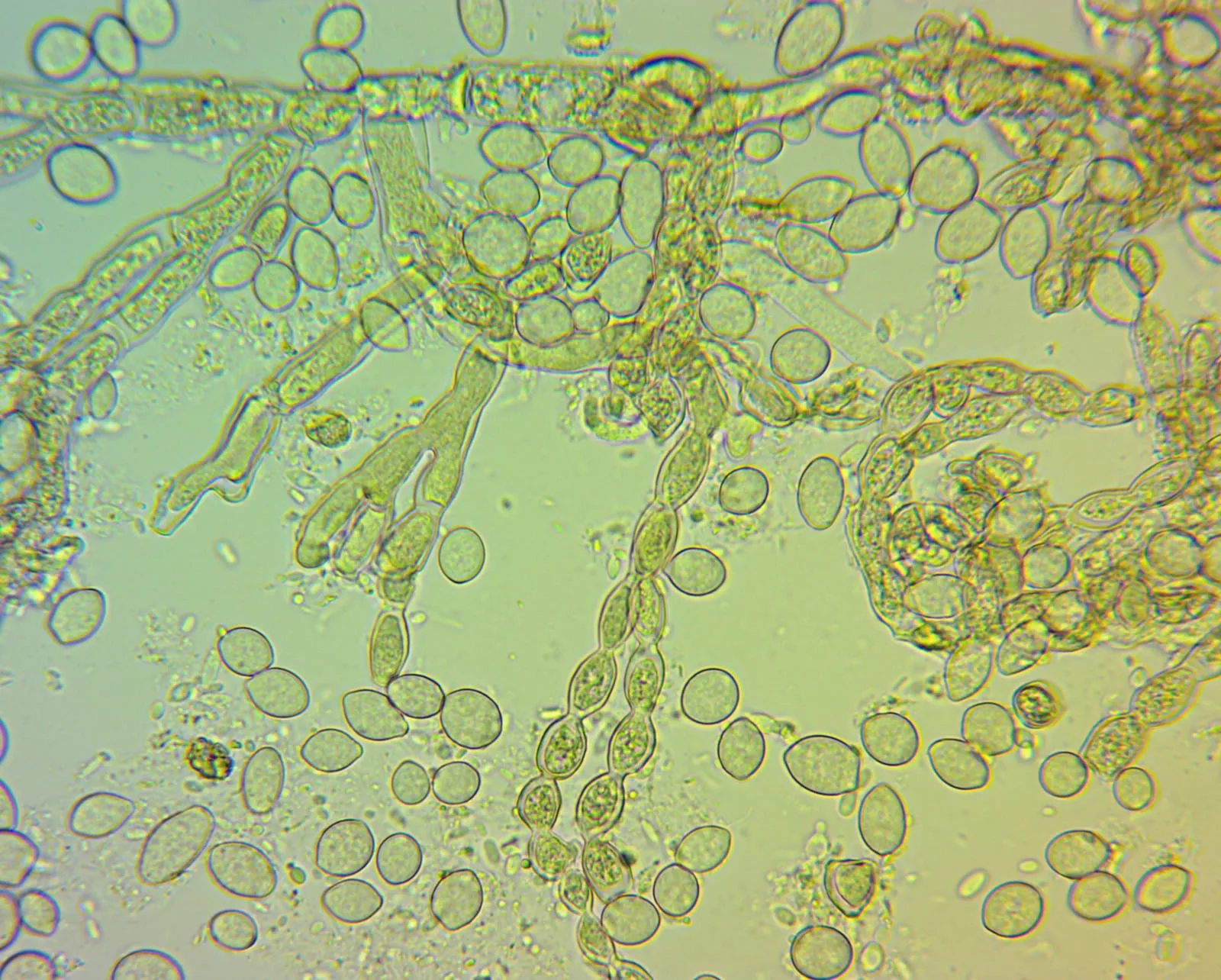
Monilinia fructicola
The most damaging stone-fruit and almond disease, causing blossom blight and fruit rot.
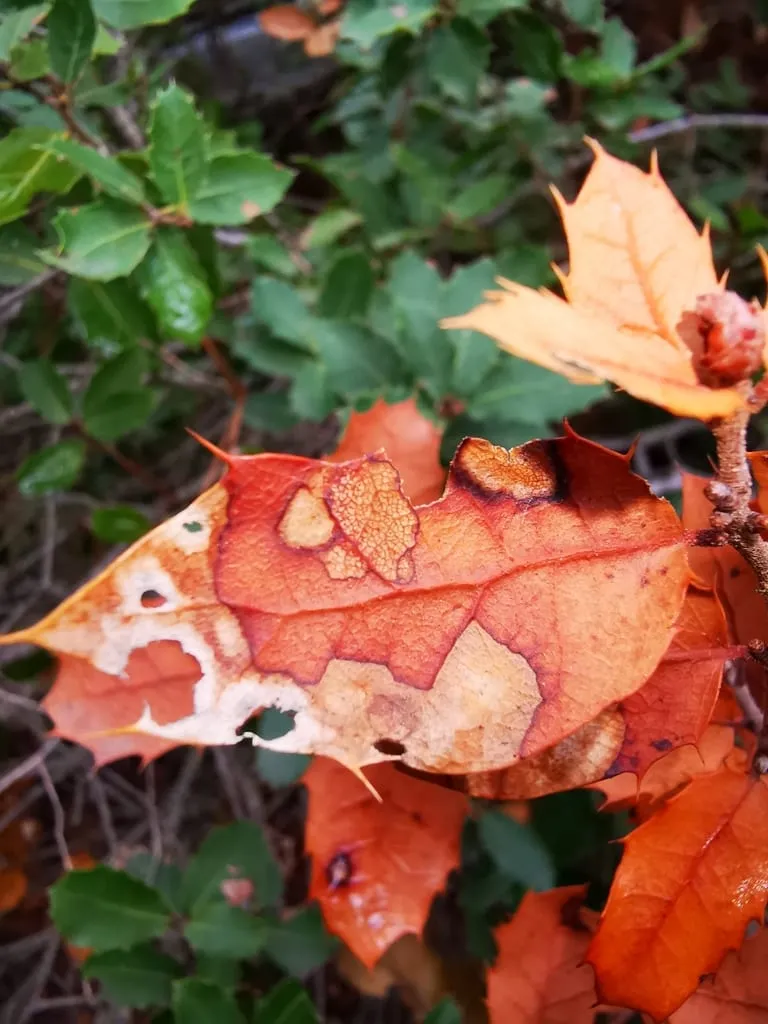
Xylella fastidiosa
Bacterial disease vectored by sharpshooter leafhoppers, causing progressive leaf scorch and tree decline. Same pathogen species as Pierce's disease in grape.
Modified care for zone 6b
Site selection matters more in zone 6b than in warmer zones. Positioning trees on a south-facing slope or near a south-facing wall moderates winter lows and accelerates spring warming, which can marginally delay bloom on cold sites or protect flowers on warmer microclimates. Avoid frost pockets and low-lying areas where cold air pools.
Brown rot pressure increases in years with wet springs coinciding with bloom and early fruit development. Fungicide applications timed to petal fall reduce infection risk more reliably than calendar-based schedules. Stink bug feeding on developing nuts in midsummer leaves entry wounds that invite secondary fungal infection, so monitoring begins in July. Fire blight is primarily a concern on nearby pome fruits but can spread in orchard settings with mixed plantings. Almond Leaf Scorch, spread by leafhoppers, is worth watching in drier summers when leafhopper pressure peaks.
Almond in adjacent zones
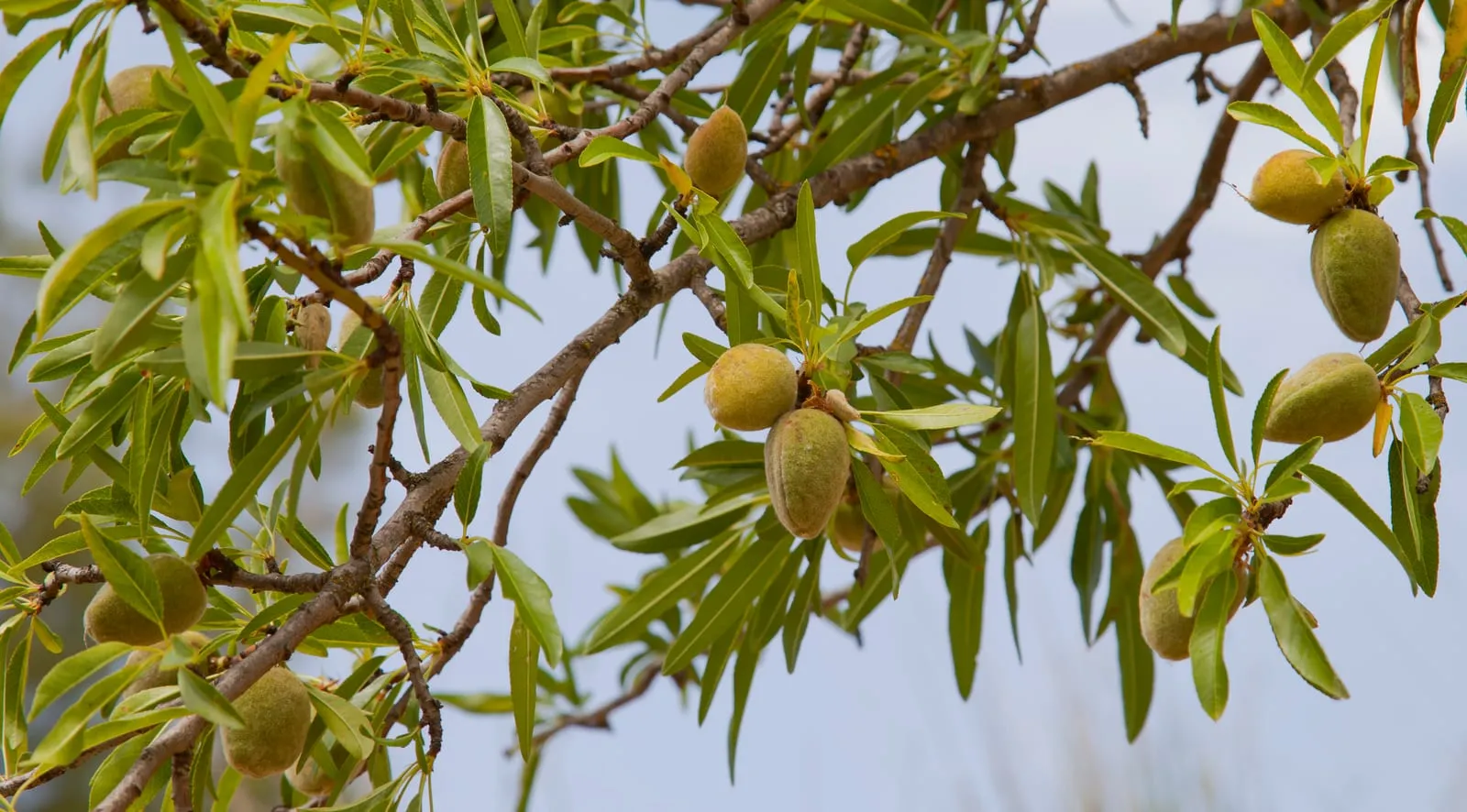
Image: "Almendras (Prunus dulcis), Huérmeda, España 2012-05-19, DD 01", by Diego Delso, via Wikimedia Commons, licensed under CC-BY Source.
,_Hu%C3%A9rmeda,_Espa%C3%B1a_2012-05-19,_DD_01.JPG)
Related