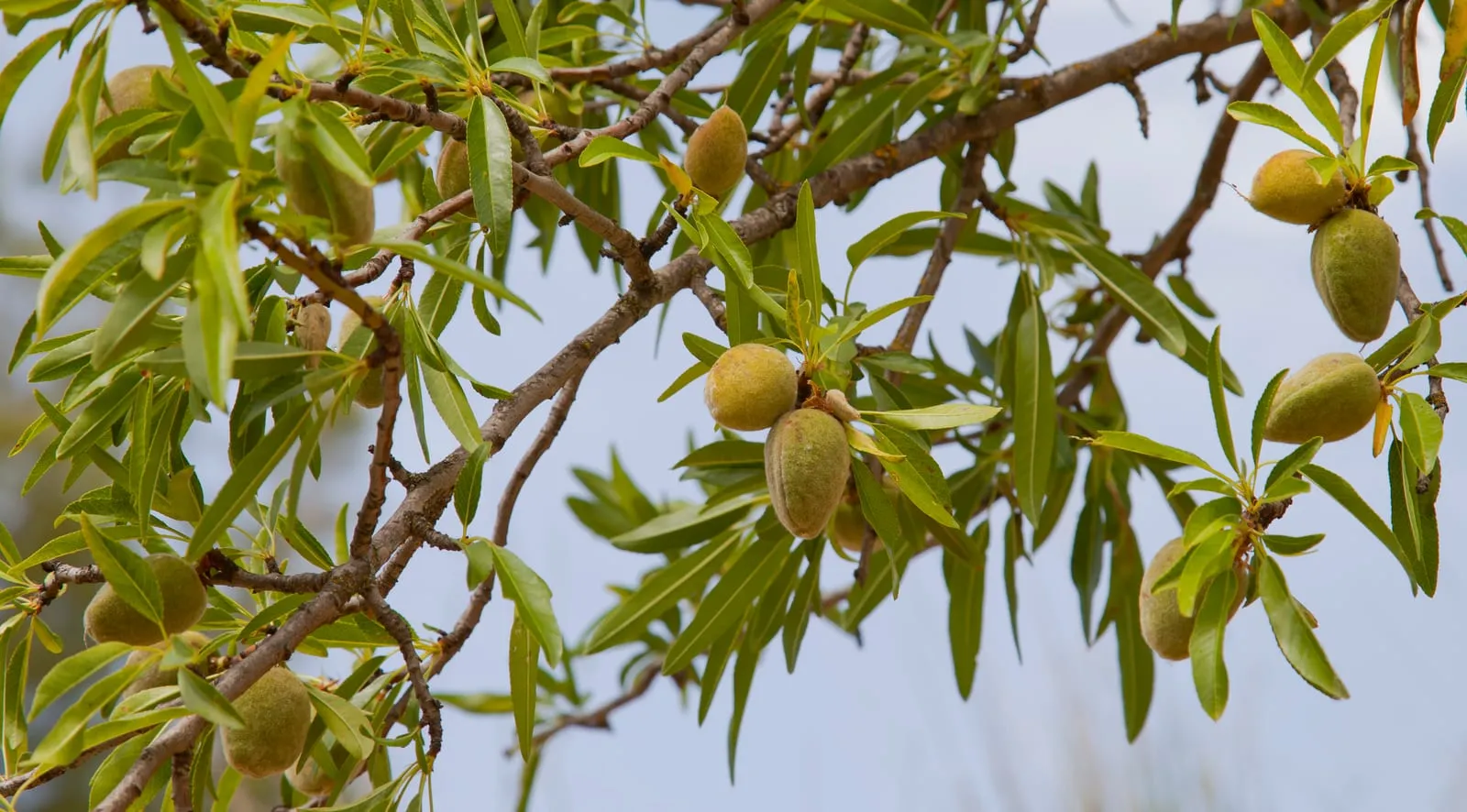
nut in zone 6a
Growing almond in zone 6a
Prunus dulcis
- Zone
- 6a -10°F to -5°F
- Growing season
- 180 days
- Chill needed
- 200 to 500 below 45°F
- Suitable varieties
- 1
- Days to harvest
- 180 to 240
The verdict
Zone 6a winters reach -10 to -5°F, which almond trees can survive on paper, but survival and productivity are different questions. The chill-hour requirement for most almonds sits between 200 and 500 hours, and zone 6a delivers that range comfortably through a typical winter. The problem is bloom timing. Almonds flower earlier than almost any other tree fruit, often in late February or early March, and zone 6a regularly sees hard frosts through April. That gap between bloom and last frost is where most almond crops are lost in this zone.
Hall's Hardy is the only variety with a realistic track record in zone 6a. It blooms somewhat later than standard almonds and tolerates colder temperatures at the bud stage better than California commercial varieties. Even so, expect crop failure in years with late frosts. Zone 6a is marginal for almonds, not because of chill hours or winter hardiness of the tree itself, but because of spring frost collision with early bloom.
Recommended varieties for zone 6a
1 cultivar suited to this zone, with disease-resistance and zone-fit annotations.
| Variety | Notes | Zone fit | Disease resistance |
|---|---|---|---|
| Hall's Hardy fits zone 6a | Sweet, rich, marzipan-like flavor with slight bitterness; baking, marzipan, fresh. The cold-hardy home-garden almond, productive in zones 5b-7 where commercial varieties fail. Self-fertile, late-blooming. | | none noted |
Critical timing for zone 6a
Hall's Hardy almonds in zone 6a typically open flowers in mid to late March, running two to four weeks later than California varieties. The 180-day growing season is more than adequate for nut development once pollination succeeds. Harvest falls in August through early September, when hulls split and begin to dry on the tree.
The critical window is the three to four weeks surrounding bloom. Zone 6a's average last frost date falls anywhere from early to late April depending on elevation and local topography, which means bloom and frost overlap frequently. Years when an early warm spell pulls bloom forward into late February carry the highest risk. Growers tracking local frost-date histories from NOAA station data for their specific site will have a clearer picture of actual exposure than zone averages alone can provide.
Common challenges in zone 6a
- ▸ Brown rot in stone fruit
- ▸ Japanese beetles
- ▸ Spring frost damage to peach buds
Disease pressure to watch for
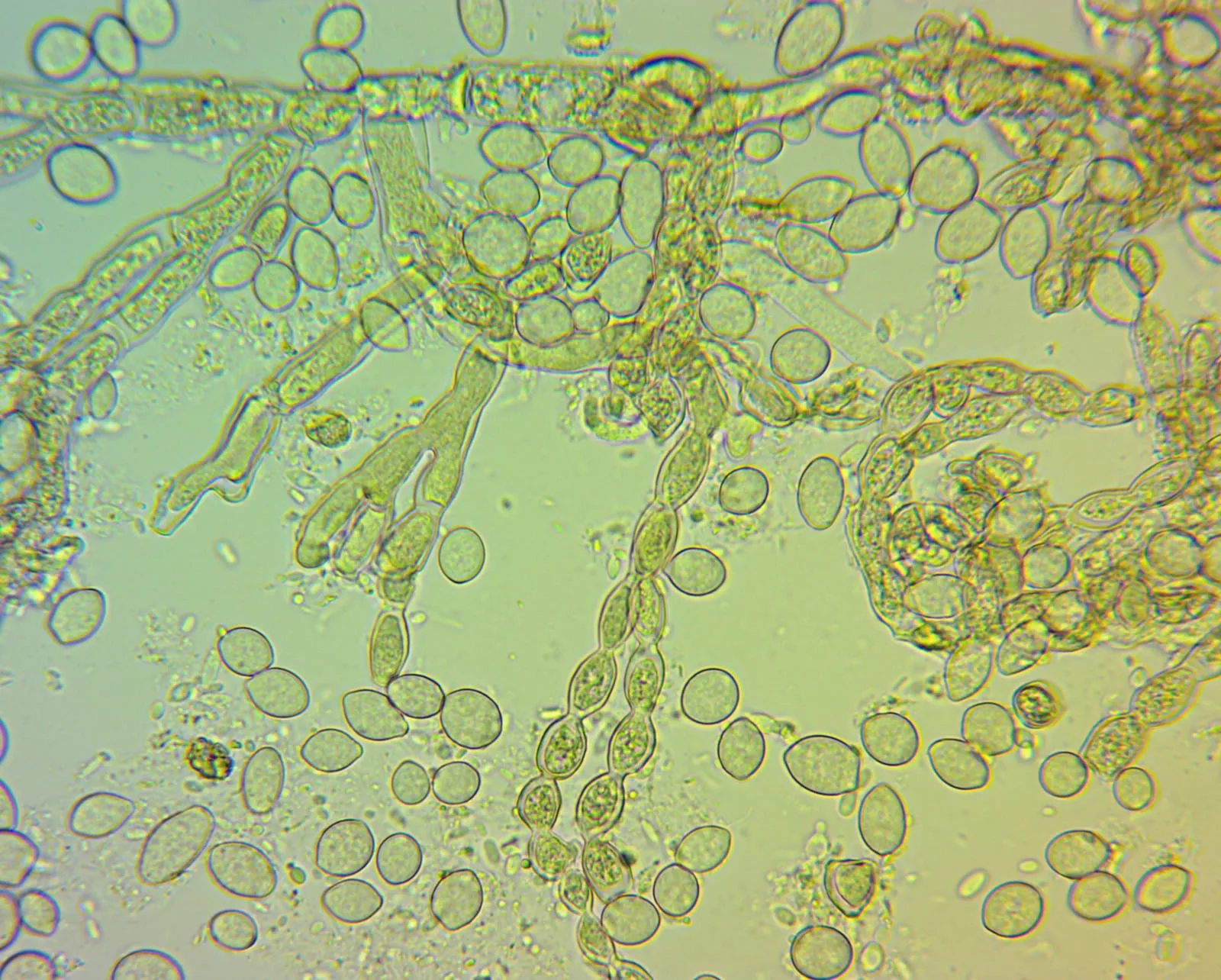
Monilinia fructicola
The most damaging stone-fruit and almond disease, causing blossom blight and fruit rot.
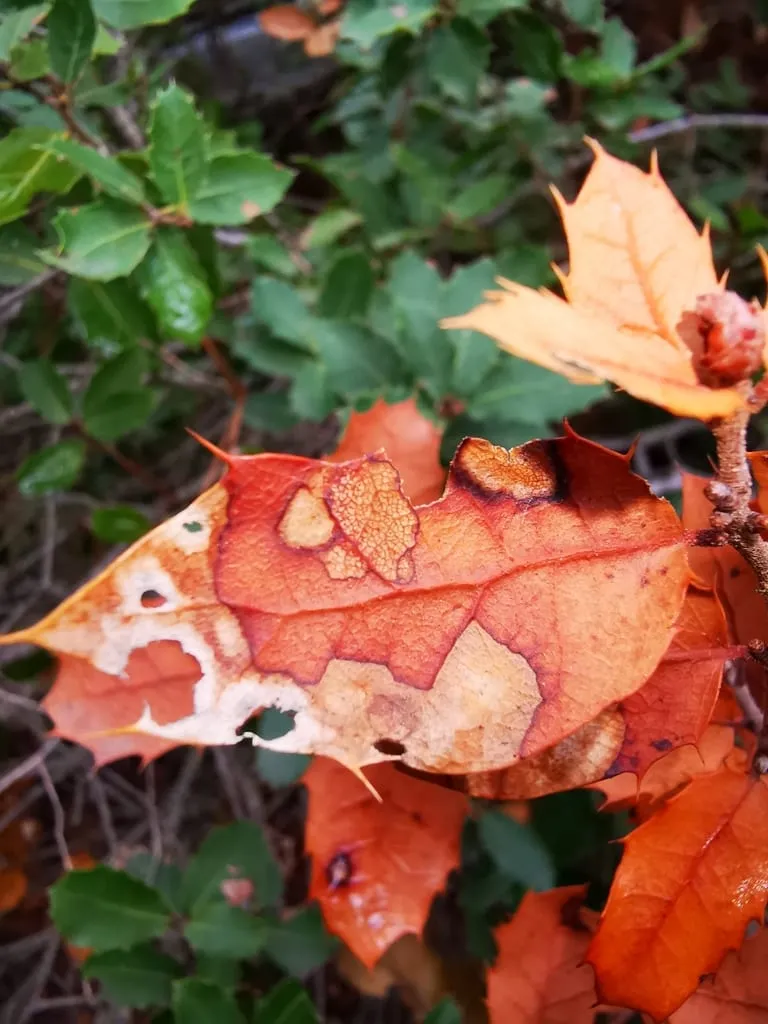
Xylella fastidiosa
Bacterial disease vectored by sharpshooter leafhoppers, causing progressive leaf scorch and tree decline. Same pathogen species as Pierce's disease in grape.
Modified care for zone 6a
Site selection matters more for almond in zone 6a than in warmer zones. South-facing slopes with good air drainage reduce frost pocket exposure during bloom. Avoid low spots where cold air settles on still nights.
During bloom, frost cloth or row covers over small trees can protect flowers when temperatures are forecast to drop below 28°F. This is practical only for young or dwarf-trained trees. Brown rot pressure increases in wet springs, which also tend to coincide with frost risk periods, so preventive copper or sulfur applications timed around bloom serve double duty. Almond leaf scorch, spread by leafhoppers, warrants monitoring through summer; Japanese beetle pressure on foliage adds a second insect concern from late June through August. Neither disease nor pest is typically fatal, but both reduce the tree's energy reserves heading into the next bloom cycle.
Frequently asked questions
- Can almonds actually produce a crop in zone 6a?
In favorable years, yes. Hall's Hardy almond can set and mature nuts in zone 6a when spring frosts stay mild or arrive early enough to miss peak bloom. Expect crop failure in years with late hard frosts. Most zone 6a growers treat almond as a bonus crop rather than a reliable annual harvest.
- Why is Hall's Hardy the only variety recommended for zone 6a?
Hall's Hardy was selected specifically for cold-climate performance. It blooms later than California commercial varieties, reducing frost collision, and the tree itself tolerates temperatures to roughly -20°F. Standard almonds like Nonpareil or Carmel bloom too early and suffer bud kill at temperatures zone 6a routinely sees.
- How do I protect almond flowers from late spring frost in zone 6a?
Frost cloth draped over the canopy on nights forecast below 28°F provides meaningful protection at the open-flower stage. Overhead irrigation for frost protection works on larger trees but requires the right equipment and timing. Site selection, specifically avoiding low-lying frost pockets, is the most reliable long-term strategy.
+−
+−
+−
Almond in adjacent zones
Image: "Almendras (Prunus dulcis), Huérmeda, España 2012-05-19, DD 01", by Diego Delso, via Wikimedia Commons, licensed under CC-BY Source.
,_Hu%C3%A9rmeda,_Espa%C3%B1a_2012-05-19,_DD_01.JPG)
Related