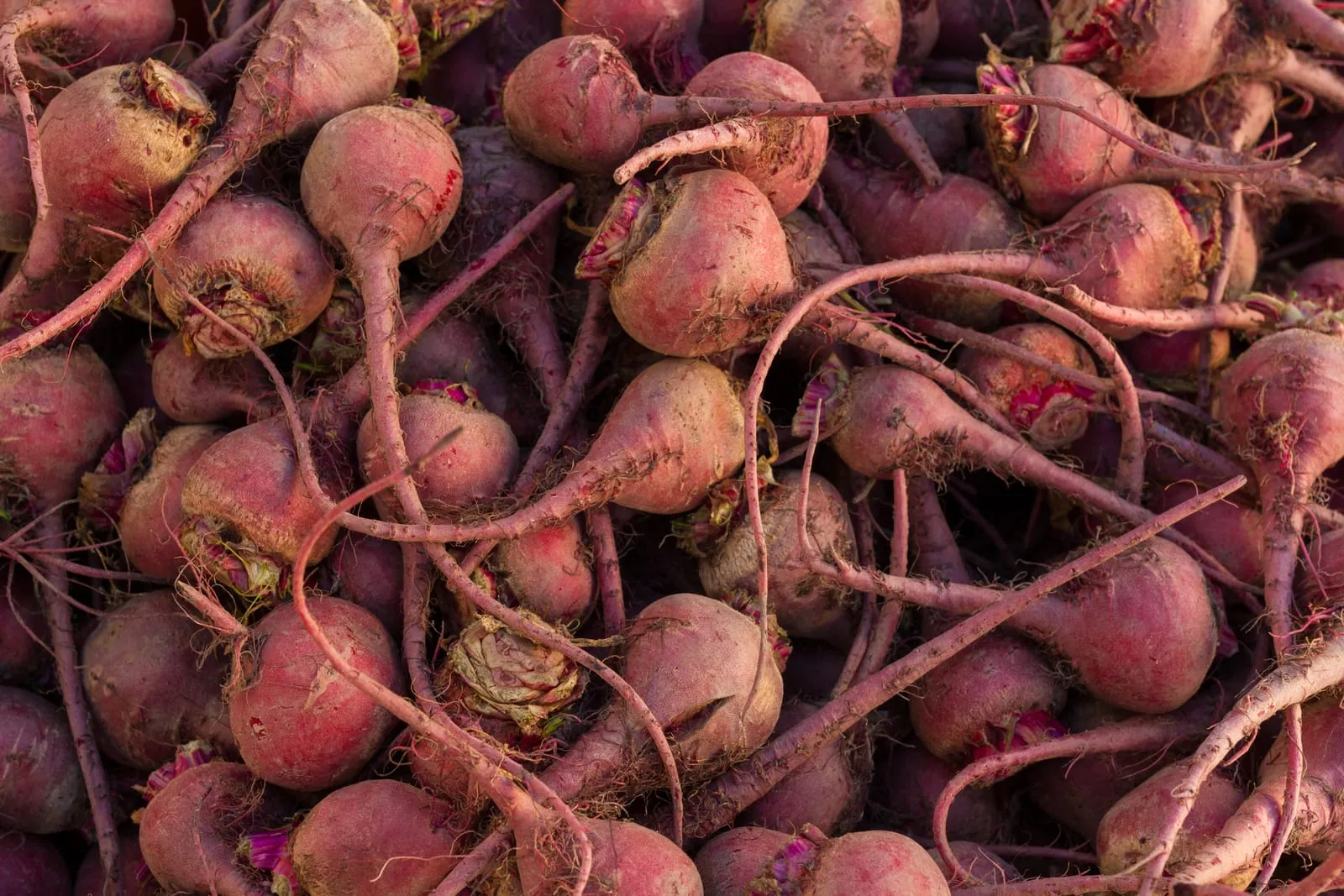
vegetable
Beet
Beta vulgaris
USDA hardiness range
- Zones
- 3a–9a
- Days to harvest
- 55 to 70
- Sun
- Full
- Water
- Moderate
- Lifespan
- biennial grown as annual
Growing beet
Beets thrive as a cool-season crop across a wide zone range, from 3a through 9a, making them one of the more geographically forgiving vegetables in the home garden. The real window for productive growth is soil temperature: seeds germinate reliably between 50°F and 85°F, and roots develop best when air temperatures stay between 60°F and 70°F. Plantings pushed into heat above 80°F often bolt or produce woody, bitter roots before harvest.
The crop's double yield (roots and greens) makes it efficient for small plots. Roots are ready in 55 to 70 days from sowing; greens can be harvested as thinnings throughout the season without waiting for roots to size up. This flexibility suits both succession plantings and single-sow gardens.
Where beets fail most often comes down to two factors: compacted or rocky soil that deforms root development, and mistimed plantings that push plants through prolonged heat. In zones 8a through 9a, beets function primarily as a fall and winter crop; spring plantings are possible but must finish before sustained heat arrives. In zones 3a through 5a, the growing window is narrow enough that getting seeds in the ground shortly after last frost matters considerably. Zones 5b through 7b offer the most flexible planting calendars, with both spring and fall windows reliably productive. The Cornell Beet Production Guide covers timing and variety selection in detail.
Recommended varieties
See all 4 →4 cultivars for home growers, with notes on flavor, ripening, and disease resistance.
| Variety | Notes | Zone fit | Disease resistance |
|---|---|---|---|
| Detroit Dark Red | Sweet, earthy, classic deep-red beet flavor; uniformly round dark roots. Roasting, pickling, borscht, fresh salads. Heritage 1892 variety, the home-garden standard. | | none noted |
| Chioggia | Mild, sweet, less earthy; red-and-white concentric ring patterns when sliced. Fresh raw on salads, lightly roasted. Italian heirloom, ornamental and edible. | | none noted |
| Golden | Mild, sweet, delicate; orange-skinned yellow-fleshed beets. Fresh, roasting, salads. Less earthy than red types, doesn't bleed onto other ingredients. | | none noted |
| Bull's Blood | Earthy, sweet, intensely red; deep wine-red roots and decorative dark red foliage. Roasting, micro greens, ornamental edible. Greens valuable in their own right. | | none noted |
Soil and site requirements
Beets demand loose, deep, well-drained soil to develop smooth, uniform roots. Compacted clay or rocky beds produce misshapen, forked roots regardless of variety or care. Raised beds and amended in-ground plots with a friable, stone-free profile to at least 10 inches deep consistently outperform unimproved ground.
Soil pH should fall between 6.0 and 7.0. Below 6.0, growth slows noticeably and boron deficiency becomes a risk, manifesting as hollow or corky root interiors. A soil test before the first planting in any new bed is a worthwhile step. Full sun is preferred. Partial shade is tolerable and may extend harvest windows in zones 8a and 9a by reducing heat stress, but consistent shade below four to six hours of direct sun reduces root size and delays maturity.
Spacing directly affects root quality. Thin to three to four inches between plants after seedlings reach two inches tall. Crowded beets produce smaller, irregular roots. Thinnings are edible greens, so no plant material is wasted. Standard row spacing is 12 to 18 inches; raised beds can go narrower with disciplined thinning.
Avoid beds with poor drainage or standing water after heavy rain. Waterlogged roots are prone to rot, and Fusarium wilt pressure increases substantially in persistently wet soil.
Common diseases
Common pests
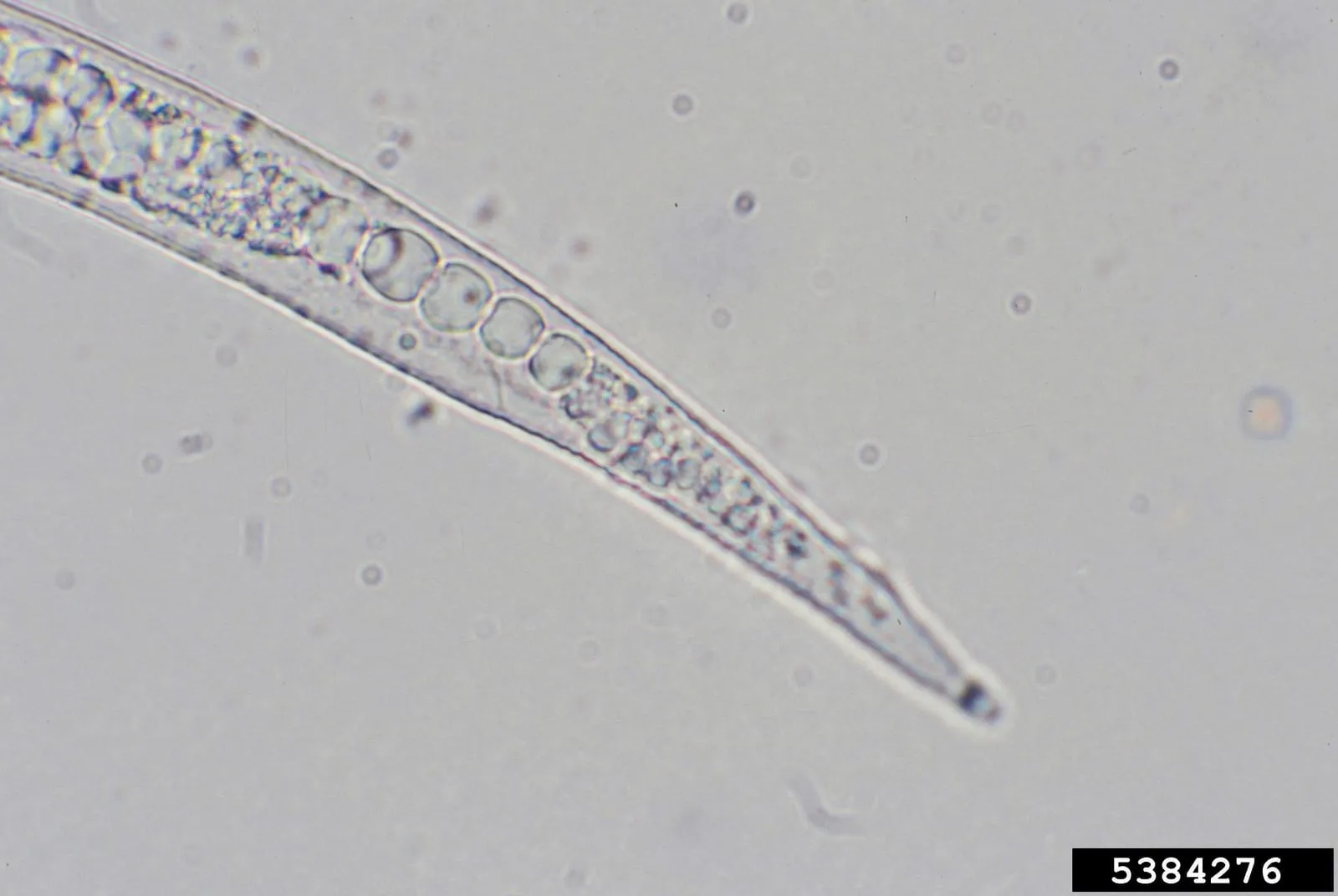
Meloidogyne species
Microscopic soil-dwelling worm that forms galls on roots, reducing vigor and yield.
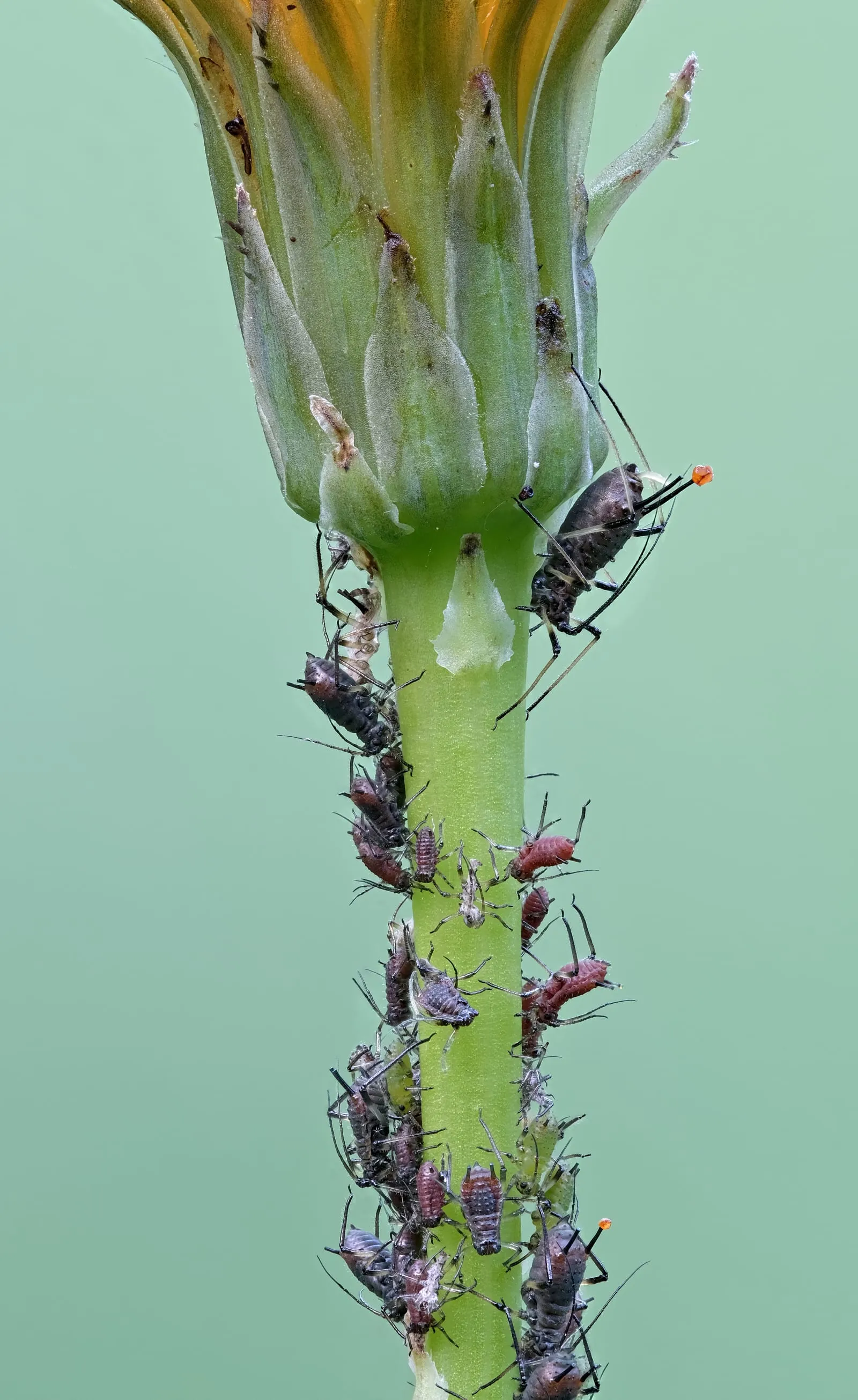
Multiple species (Aphididae)
Small soft-bodied sap-sucking insects that reproduce explosively in spring. Excrete honeydew that supports sooty mold and attracts ants. Transmit viral diseases.
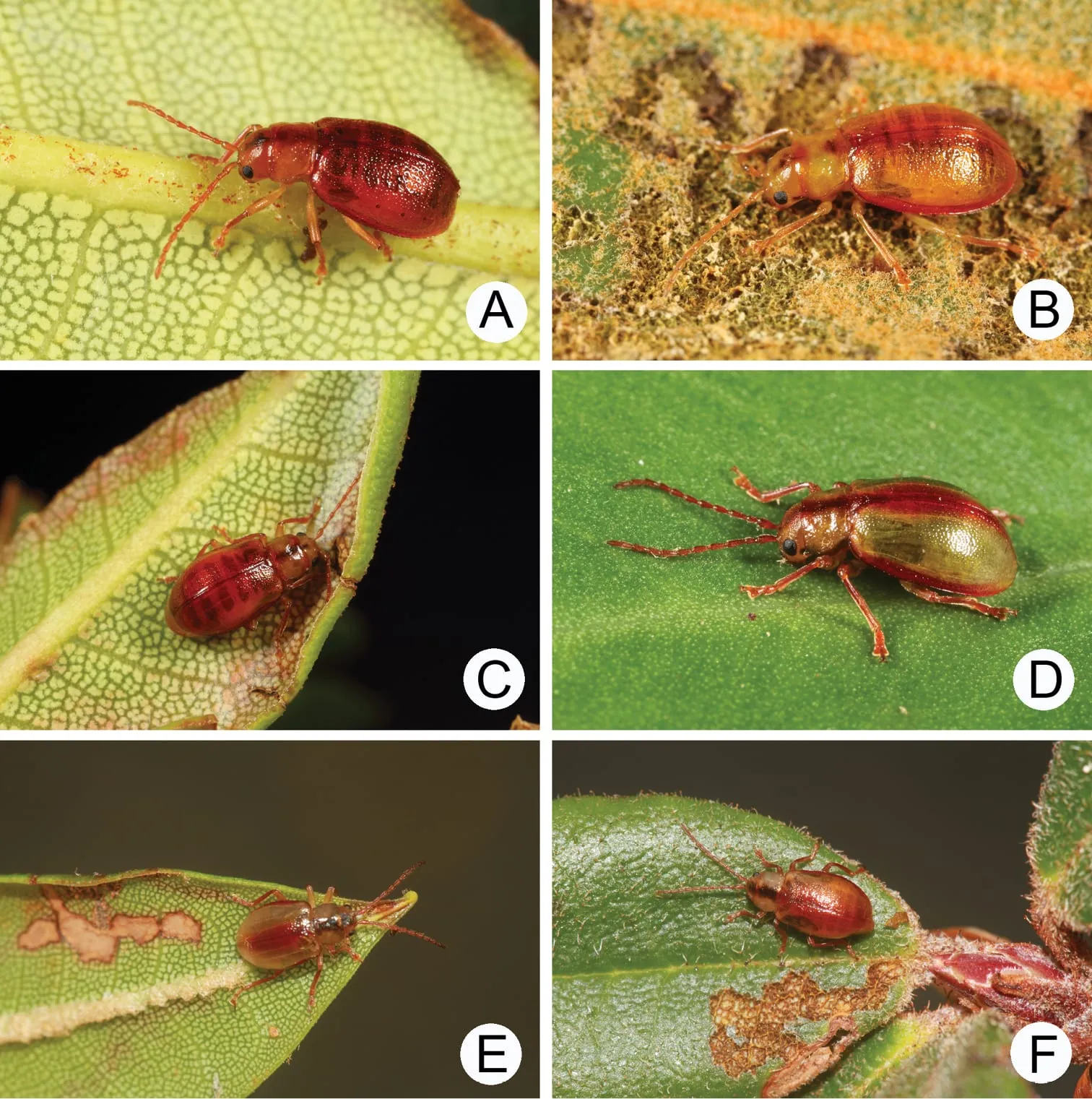
Multiple species (Chrysomelidae)
Tiny black or bronze jumping beetles that put hundreds of small holes in seedling leaves. Most damaging on direct-seeded brassicas and young eggplant.
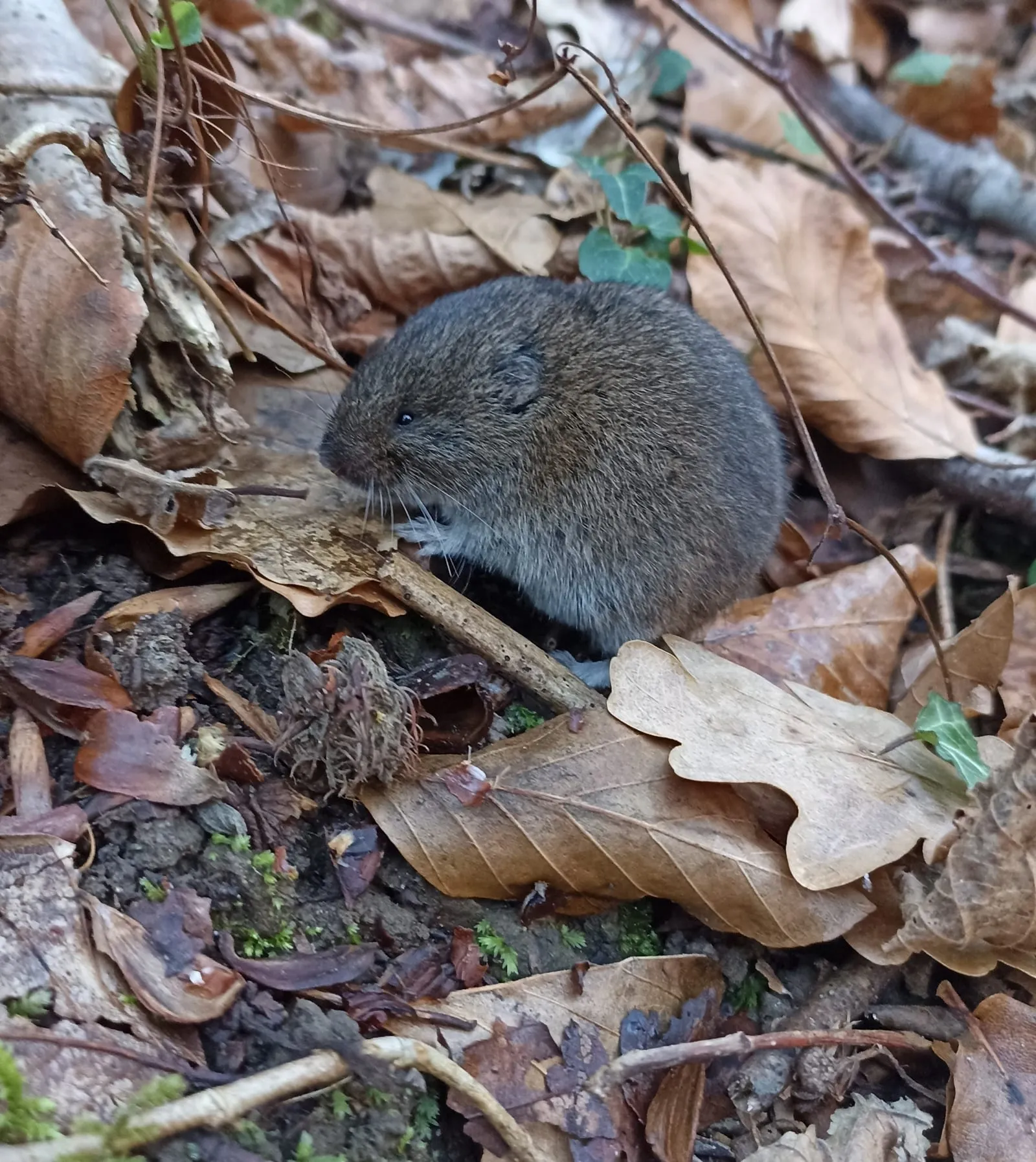
Microtus species
Field voles and meadow voles girdle young fruit-tree trunks under snow cover during winter and chew root crops. The leading cause of mysterious orchard losses.
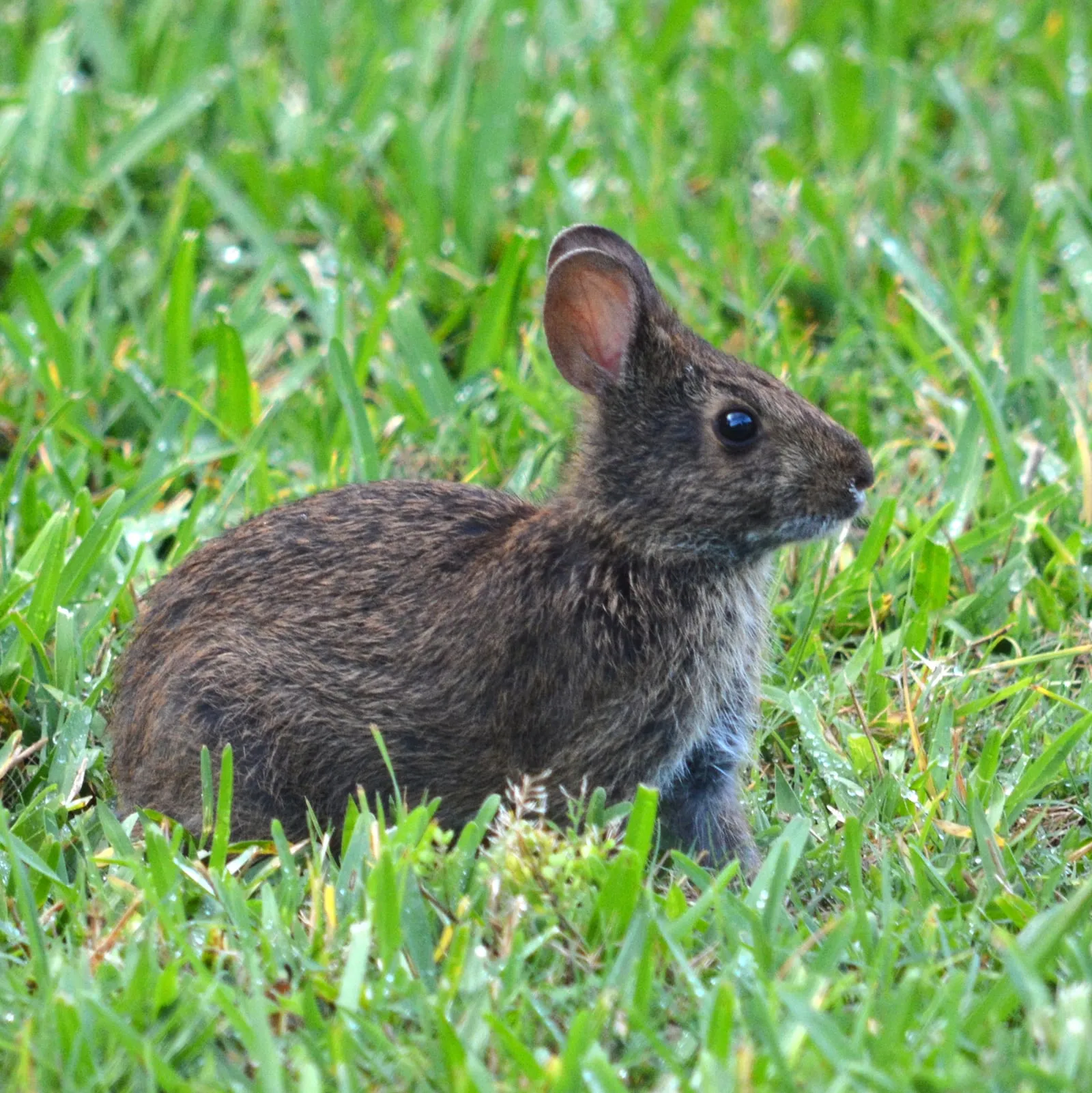
Sylvilagus and Lepus species
Cottontails and jackrabbits strip bark from young fruit trees in winter and graze tender garden vegetables year-round, especially seedlings.
Common challenges
The most common point of failure in home beet plantings is heat at the wrong time. Beet seeds germinate in cool soil (above 40°F), but germination is slow and erratic below 50°F. More critically, sustained air temperatures above 80°F trigger bolting, which redirects the plant's energy toward flowering and makes the root woody and bitter. In warmer zones, the fall planting window is more reliable than spring, which can close quickly as summer approaches.
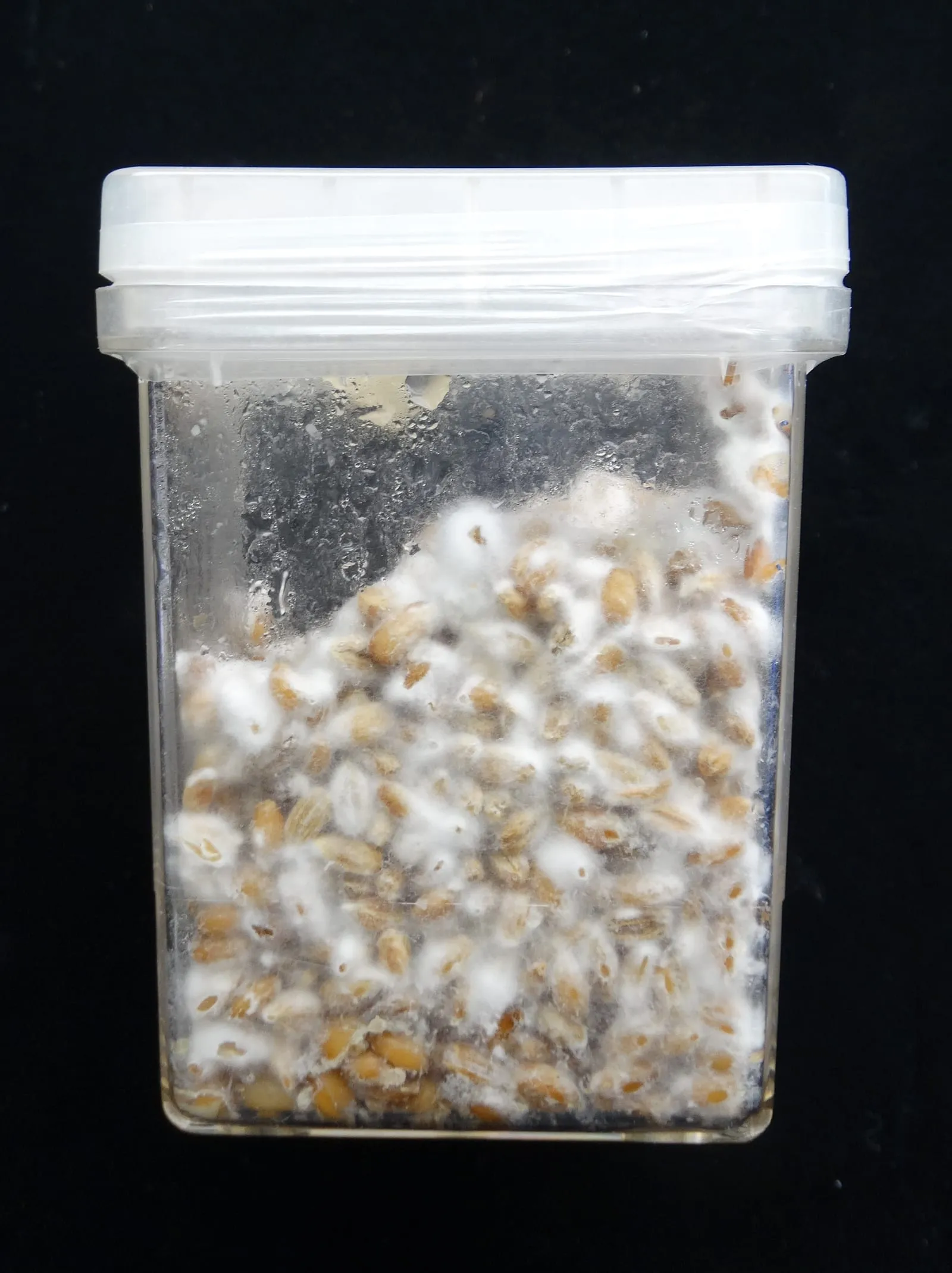
Fusarium wilt, caused by soil-borne Fusarium fungi, is the primary disease threat. It presents as wilting and yellowing of older leaves, progressing to crown and root rot. There is no effective in-season treatment. Control depends on prevention: crop rotation of at least three years before replanting beets or any Beta vulgaris crop in the same bed, consistent drainage, and avoiding fields or garden sections with a documented history of infection. The pathogen persists in soil for years.
Aphids and flea beetles are the two pest pressures most likely to affect seedlings and young plants. Flea beetles chew small holes in leaves; heavy pressure on seedlings can slow establishment significantly. Row cover applied immediately after sowing and removed once plants are established provides reliable mechanical protection. Aphids concentrate on leaf undersides; a strong spray of water dislodges colonies, and insecticidal soap handles confirmed infestations that don't respond to physical removal.
Frequently asked questions
- Do beets require chill hours?
No. Chill-hour requirements apply to perennial fruit crops that need winter dormancy. Beets are grown as cool-season annuals harvested in the same season they are sown. No chilling period is needed before planting.
- How long do beets take from sowing to harvest?
55 to 70 days for root harvest, depending on variety and growing conditions. Detroit Dark Red typically runs toward the longer end. Greens can be harvested earlier as thinnings, before roots are fully sized.
- What USDA hardiness zones are suitable for beets?
Zones 3a through 9a. In zones 3a through 5a, beets are a spring crop due to the short season. In zones 8a and 9a, fall through early spring planting avoids summer heat. Zones 5b through 7b support both spring and fall plantings reliably.
- Do beets need pollinators to produce roots?
No. Beets are biennial and only flower in their second year. Since they are grown and harvested as first-year annuals for root production, pollination is not a factor in the home vegetable garden.
- What is the most common disease affecting beets?
Fusarium wilt is the primary disease concern. It is caused by soil-borne fungi with no effective in-season cure. Prevention through crop rotation (minimum three years away from Beta vulgaris crops) and good drainage is the standard management approach.
- Are beet greens edible?
Yes. Beet greens are edible at any stage. Young thinnings work well raw in salads. Larger leaves are better suited to sauteing or braising. Harvesting thinnings does not reduce the final root yield; it improves it by reducing crowding.
- When is the best time to plant beets?
In zones 3a through 7b, sow in spring once soil reaches 50°F, and again in late summer for a fall crop (8 to 10 weeks before first frost). In zones 8a through 9a, fall through late winter planting avoids the heat that causes bolting and bitter roots.
+−
+−
+−
+−
+−
+−
+−
Sources
Image: "Beta vulgaris, San Francisco farmers market", by Frank Schulenburg, via Wikimedia Commons, licensed under CC0. Source.

Beet by zone
Related