vegetable in zone 3b
Growing beet in zone 3b
Beta vulgaris
- Zone
- 3b -35°F to -30°F
- Growing season
- 100 days
- Suitable varieties
- 2
- Days to harvest
- 55 to 70
The verdict
Beet is a cool-season annual with no chill-hour requirement, so the chill-hour framework that governs fruit tree selection does not apply here. What matters instead is whether the frost-free window is long enough for the crop to mature, and whether summer temperatures stay moderate enough that roots don't turn woody or bitter before harvest.
Zone 3b's 100-day growing season is a workable fit for beet. Detroit Dark Red and Bull's Blood both reach harvestable size in roughly 55 to 60 days, leaving a meaningful buffer even accounting for soil that warms slowly in spring. The cool shoulder seasons that make zone 3b difficult for warm-season crops are actually favorable for beet: roots develop the best texture and sweetness when daytime highs stay below 75°F, which is common through much of the zone's summer.
This is not a marginal zone for beet. It is closer to the crop's sweet spot, provided the grower works within the compressed window and selects varieties proven to perform in short seasons.
Recommended varieties for zone 3b
2 cultivars suited to this zone, with disease-resistance and zone-fit annotations.
| Variety | Notes | Zone fit | Disease resistance |
|---|---|---|---|
| Detroit Dark Red fits zone 3b | Sweet, earthy, classic deep-red beet flavor; uniformly round dark roots. Roasting, pickling, borscht, fresh salads. Heritage 1892 variety, the home-garden standard. | | none noted |
| Bull's Blood fits zone 3b | Earthy, sweet, intensely red; deep wine-red roots and decorative dark red foliage. Roasting, micro greens, ornamental edible. Greens valuable in their own right. | | none noted |
Critical timing for zone 3b
In zone 3b, last spring frost typically falls between late May and early June, depending on elevation and local cold-air drainage. Beet seed germinates in soil temperatures as low as 40°F and seedlings tolerate light frost, so direct sowing can begin two to four weeks before the last expected frost date, once soils are workable.
For a 100-day season, a first sowing in mid-May and a second sowing in late May or early June will stagger harvest across July and August. First fall frost in zone 3b generally arrives in late August to mid-September, so beets sown after mid-June carry real risk of frost before roots size up. Harvest should be complete before hard frost sets in; beet roots left in the ground through temperatures below 28°F will suffer cellular damage.
Common challenges in zone 3b
- ▸ Short season
- ▸ Winter desiccation
- ▸ Site selection critical for fruit trees
Disease pressure to watch for
Modified care for zone 3b
The compressed growing window in zone 3b leaves little room to recover from slow starts. Using row cover at planting warms soil by several degrees and can accelerate germination by a week or more, which matters when the frost-free period is measured in weeks, not months.
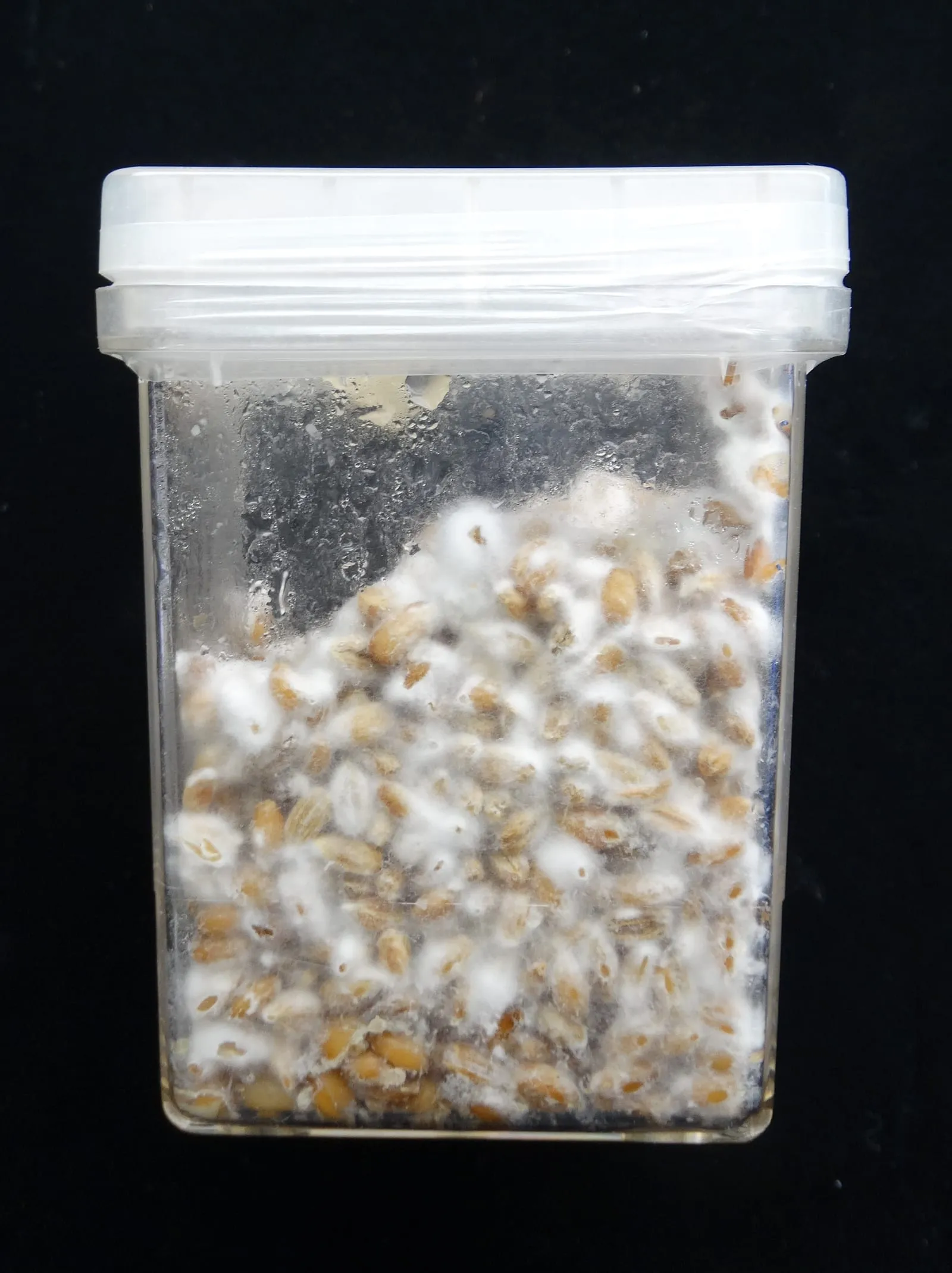
Fusarium Wilt is the primary disease concern listed for this combination. The pathogen persists in soil, so a three-year rotation away from any beet or chard planting is the most reliable control. There are no commercially available beet varieties with strong Fusarium resistance, making rotation the non-negotiable management lever.
Beet roots turn pithy and lose sweetness when soils dry out during root development. Zone 3b's short warm season often includes dry spells in July; consistent moisture through that window, either by irrigation or mulching to retain soil moisture, protects root quality more than any other single care step.
Frequently asked questions
- Can beets overwinter in zone 3b?
No. Zone 3b minimum temperatures of -35 to -30°F will kill beet roots left in the ground. Beets grown in zone 3b are harvested before hard frost and stored in a cool, humid root cellar. They do not survive outdoor overwintering in this zone.
- How do I manage Fusarium Wilt in a zone 3b beet planting?
Rotate beet and chard out of any affected bed for at least three years. Fusarium persists in soil as dormant spores and is not eliminated by cold winters. Avoid overhead irrigation that splashes soil onto foliage, and remove infected plants promptly to limit spread.
- Is it worth doing a second sowing of beets in zone 3b?
Yes, if timed carefully. A second sowing in late May or very early June produces roots that mature in late August, just ahead of first fall frost. Sowing later than the first week of June risks running out of season before roots reach full size.
+−
+−
+−
Beet in adjacent zones
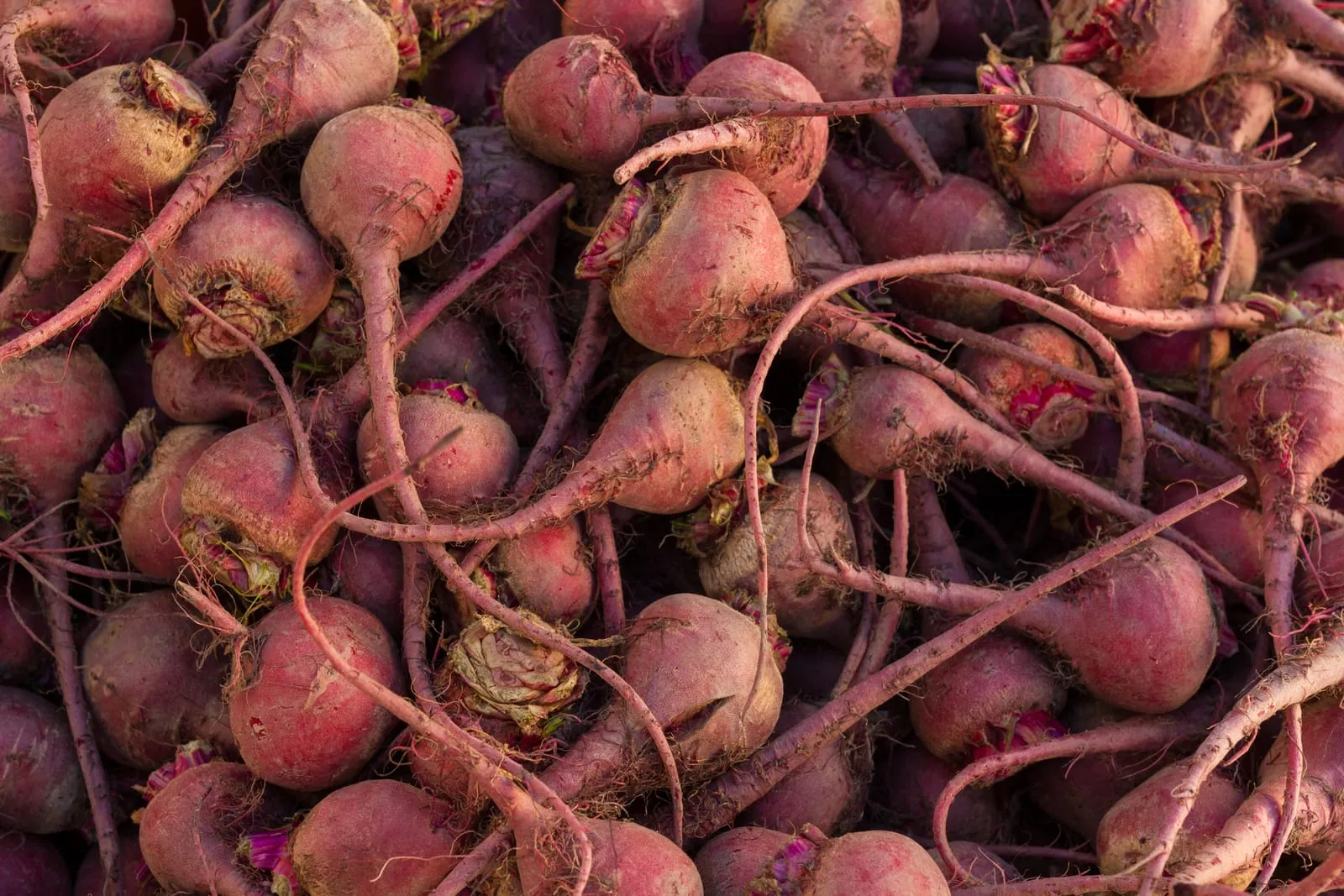
Image: "Beta vulgaris, San Francisco farmers market", by Frank Schulenburg, via Wikimedia Commons, licensed under CC0 Source.

Related