vegetable in zone 3a
Growing beet in zone 3a
Beta vulgaris
- Zone
- 3a -40°F to -35°F
- Growing season
- 90 days
- Suitable varieties
- 0
- Days to harvest
- 55 to 70
The verdict
Beets are cool-season root crops with no chill-hour requirement, which sets them apart from most fruit crops in zone 3a compatibility discussions. They thrive in cooler temperatures, with optimal soil germination between 50 and 85°F, and established plants tolerate light frost without damage. Zone 3a's 90-day growing season is tight but workable. Most standard varieties mature in 50 to 70 days, leaving some buffer on either end of the frost window. The real constraint is not cold hardiness but the compressed interval between last spring frost and first fall frost. Beets are not a marginal crop for zone 3a in terms of climate fit; the zone's cool summers are genuinely favorable for root quality and sweetness. What requires attention is deliberate timing and variety selection focused on the shortest days-to-maturity. Fusarium wilt is the primary disease risk, particularly in wet or poorly drained soils.
Critical timing for zone 3a
Zone 3a's last spring frost typically falls in late May to early June, with first fall frost arriving in August to early September, defining the narrow 90-day window. Beets tolerate light frost and can be direct-sown outdoors 2 to 4 weeks before the expected last frost date once soil temperature reaches 50°F. That puts sowing in early to mid-May for most zone 3a locations. At 50 to 70 days to maturity, harvest falls in late July through mid-August for a late-spring planting. This leaves little margin for delays from cold snaps or slow germination. There is rarely enough season for a second succession planting; a single well-timed sowing is the practical approach.
Common challenges in zone 3a
- ▸ Very short growing season
- ▸ Late spring frosts
- ▸ Limited fruit-tree options
- ▸ Heavy mulching required
Disease pressure to watch for
Modified care for zone 3a
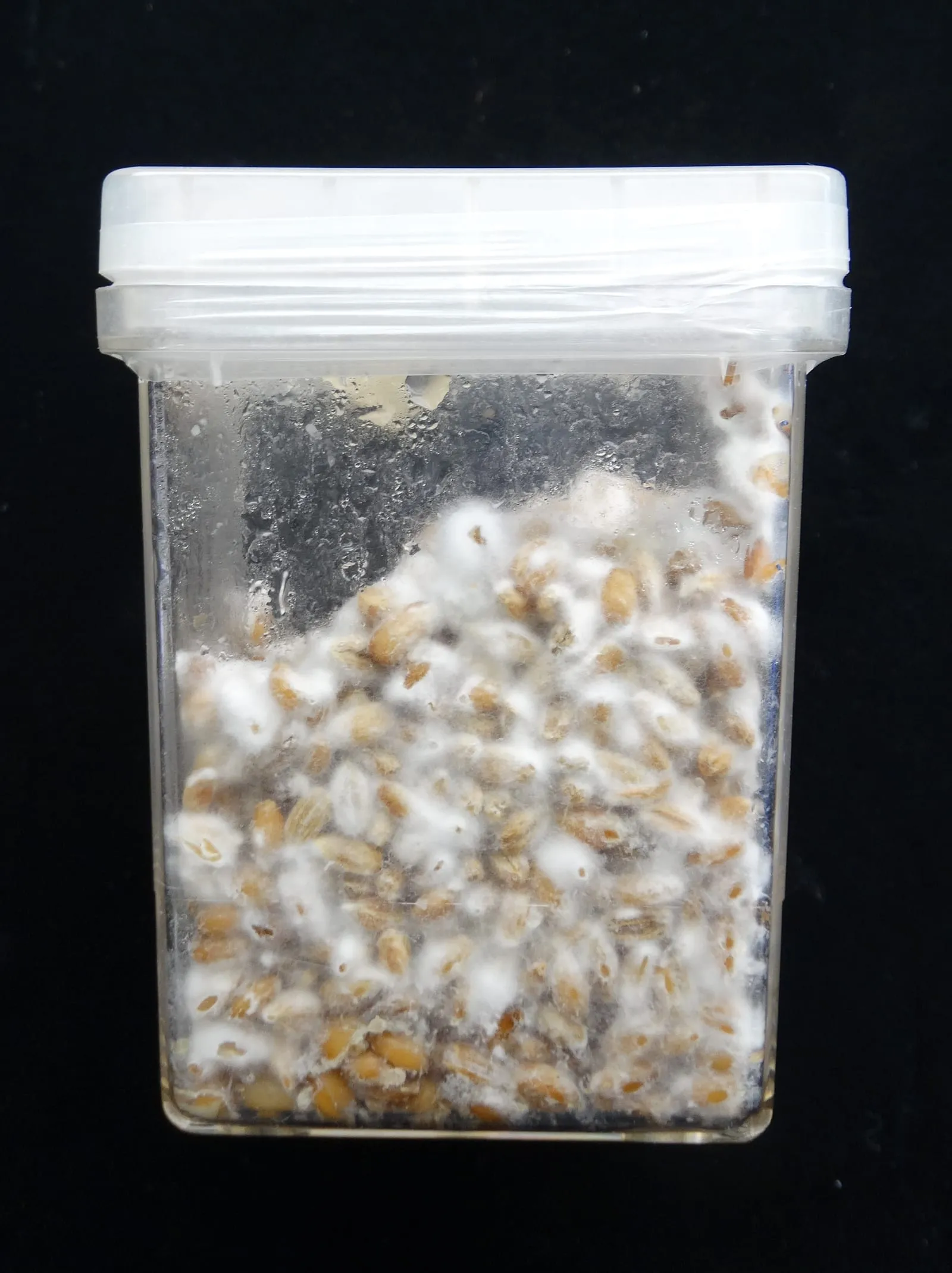
The compressed zone 3a season leaves no room for slow establishment. Warming the soil with black plastic mulch before sowing accelerates germination when ambient temperatures are still marginal in early May. After thinning, heavy organic mulch helps retain moisture and dampen the temperature swings that stall root development. Fusarium wilt is the primary disease concern; maintaining a crop rotation of at least three years between beet plantings substantially reduces soilborne pathogen pressure. Avoid low-lying or poorly drained beds where wet soils favor Fusarium spread. Because succession planting is rarely practical within 90 days, choose varieties rated at 55 days or fewer to maximize the buffer before first fall frost. Heavy mulching over the root zone also insulates against early-fall cold snaps that can crack roots before harvest.
Beet in adjacent zones
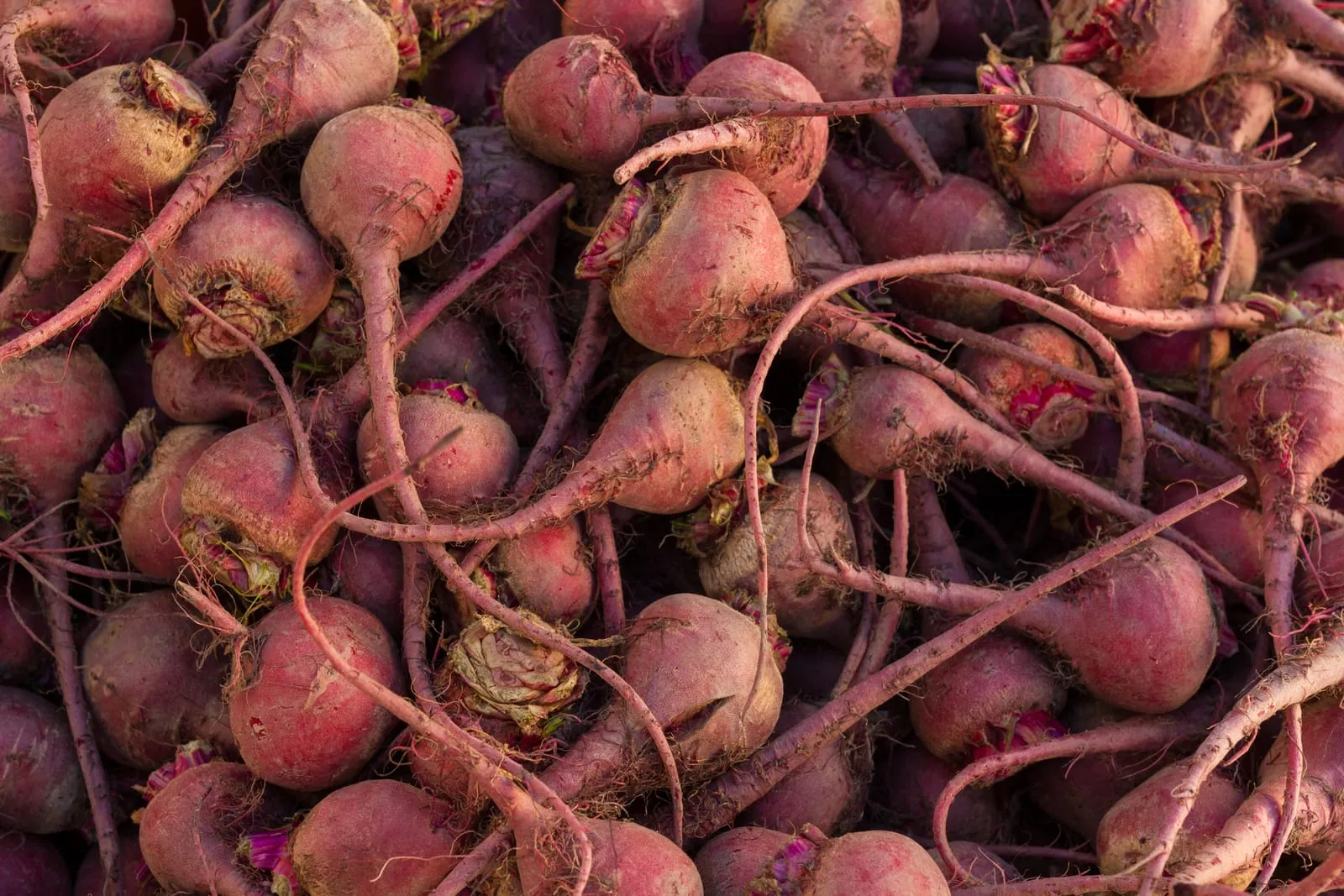
Image: "Beta vulgaris, San Francisco farmers market", by Frank Schulenburg, via Wikimedia Commons, licensed under CC0 Source.

Related