vegetable in zone 4a
Growing beet in zone 4a
Beta vulgaris
- Zone
- 4a -30°F to -25°F
- Growing season
- 120 days
- Suitable varieties
- 4
- Days to harvest
- 55 to 70
The verdict
Beets are a cool-season root crop and zone 4a suits them well. Unlike fruit trees, beets require no chill-hour accumulation, so the zone's cold winters are irrelevant to performance. What matters is the 120-day frost-free window and the cool shoulder seasons on either end. Beets reach maturity in 55 to 70 days depending on variety, which means zone 4a growers can fit two successions into a single season. The cool summers characteristic of this zone actually improve beet quality: consistently hot conditions above 80°F push roots toward woodiness and intensify bitterness, problems that rarely develop where nights stay cool. Detroit Dark Red and Chioggia both perform reliably here. Golden and Bull's Blood are somewhat slower to size up and benefit from the earlier sowing dates that zone 4a's long spring allows. This is not a marginal zone for beets; it is close to optimal.
Recommended varieties for zone 4a
4 cultivars suited to this zone, with disease-resistance and zone-fit annotations.
| Variety | Notes | Zone fit | Disease resistance |
|---|---|---|---|
| Detroit Dark Red fits zone 4a | Sweet, earthy, classic deep-red beet flavor; uniformly round dark roots. Roasting, pickling, borscht, fresh salads. Heritage 1892 variety, the home-garden standard. | | none noted |
| Chioggia fits zone 4a | Mild, sweet, less earthy; red-and-white concentric ring patterns when sliced. Fresh raw on salads, lightly roasted. Italian heirloom, ornamental and edible. | | none noted |
| Golden fits zone 4a | Mild, sweet, delicate; orange-skinned yellow-fleshed beets. Fresh, roasting, salads. Less earthy than red types, doesn't bleed onto other ingredients. | | none noted |
| Bull's Blood fits zone 4a | Earthy, sweet, intensely red; deep wine-red roots and decorative dark red foliage. Roasting, micro greens, ornamental edible. Greens valuable in their own right. | | none noted |
Critical timing for zone 4a
Beets tolerate light frost, which opens the planting window earlier than many crops. In zone 4a, where last spring frost typically falls in mid to late May, direct seeding can begin in mid-April, roughly four to six weeks before the last expected frost date, once soil temperatures reach 40°F. A spring planting sown in mid-April reaches harvest in late June or early July. A second succession sown in late July will mature by mid-September, ahead of the first hard frost. The zone's late-frost risk is real for early bloomers generally, but beet seedlings handle brief dips into the high 20s without serious damage, making early sowing a reasonable gamble that pays off in extended harvest windows.
Common challenges in zone 4a
- ▸ Late frosts damage early bloomers
- ▸ Limited peach varieties
Disease pressure to watch for
Modified care for zone 4a
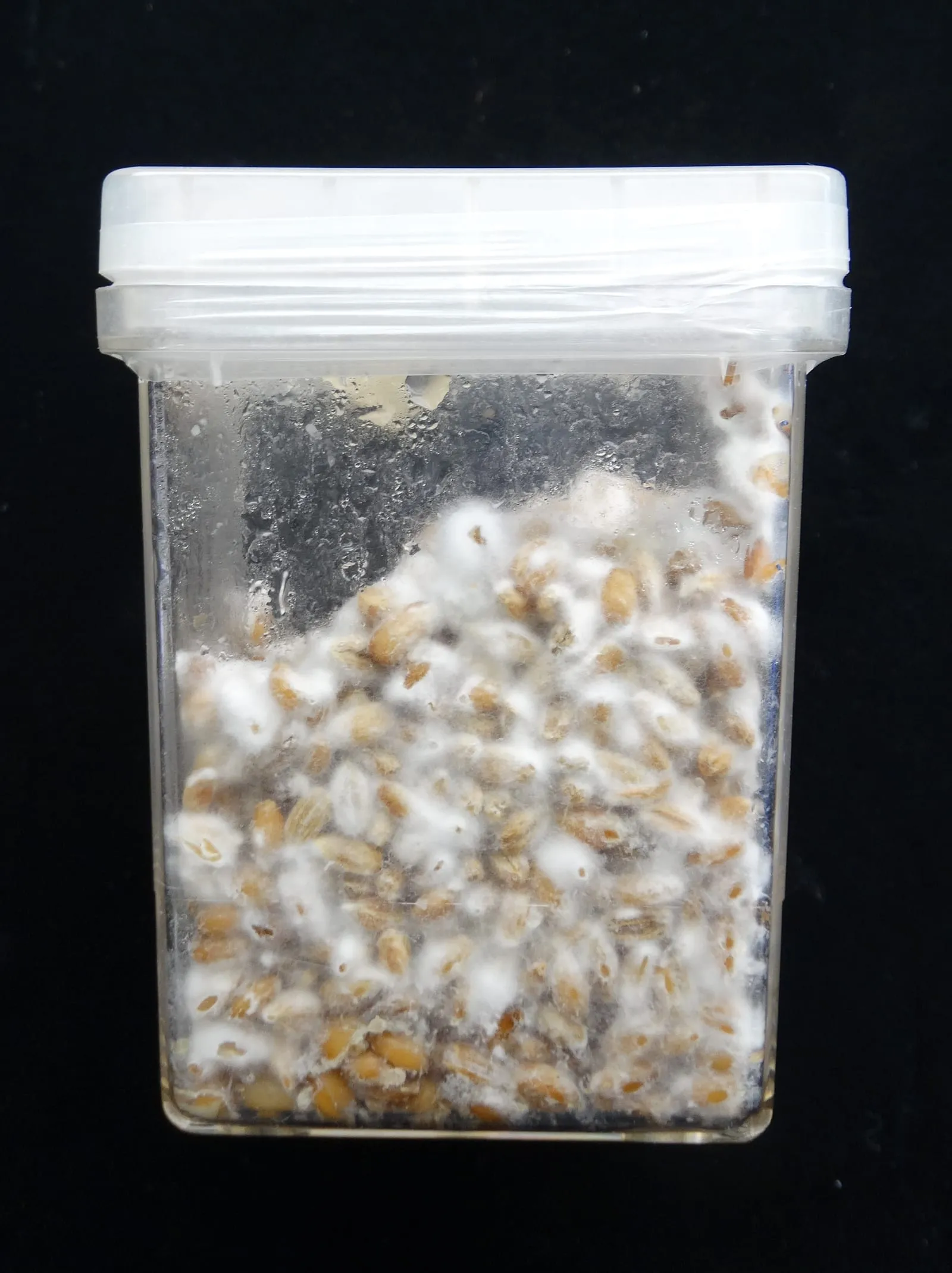
The main adjustment in zone 4a is treating the season as two distinct windows rather than one continuous run. Getting the first sowing in the ground by mid-April requires loosening and amending soil before it is fully workable, which means fall bed preparation is worth doing. Fusarium wilt, the primary disease concern for beets here, persists in soil for several years, so rotation is the primary management tool: avoid planting beets or any other Chenopodiaceae in the same bed more than once every three years. No resistant varieties are commercially dominant, so rotation remains the practical control. Mulching after germination conserves soil moisture and moderates temperature swings, which matter most during the compressed fall window when beets are sizing up quickly before hard frost arrives.
Frequently asked questions
- Can beets survive a late frost in zone 4a?
Young beet seedlings tolerate brief frosts down to the upper 20s°F without lasting damage. A hard freeze below that range can set back or kill seedlings entirely. Row cover provides meaningful protection for early sowings when a late frost is forecast.
- How many successions of beets can I grow in zone 4a?
Two successions fit comfortably within the 120-day growing season. A mid-April sowing yields a late-June harvest; a late-July sowing comes in by mid-September before hard frost. A third sowing is rarely worth attempting given the compressed fall window.
- Does Fusarium wilt survive zone 4a winters?
Yes. Fusarium oxysporum survives in soil through severe winters and remains viable for years. Cold temperatures do not effectively reduce the pathogen load. Crop rotation is the only reliable management strategy; no fungicide fully controls established Fusarium wilt in garden soils.
+−
+−
+−
Beet in adjacent zones
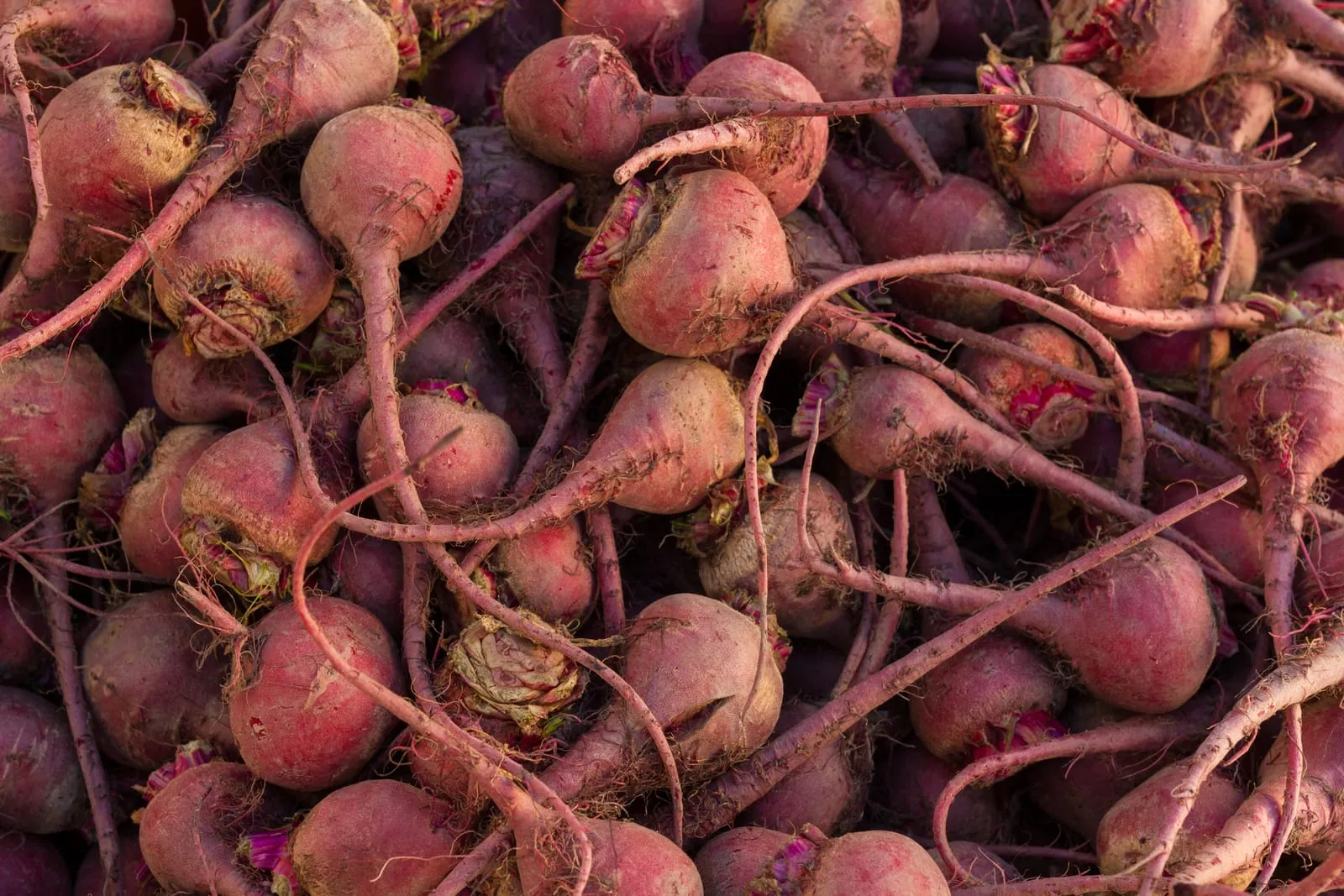
Image: "Beta vulgaris, San Francisco farmers market", by Frank Schulenburg, via Wikimedia Commons, licensed under CC0 Source.

Related