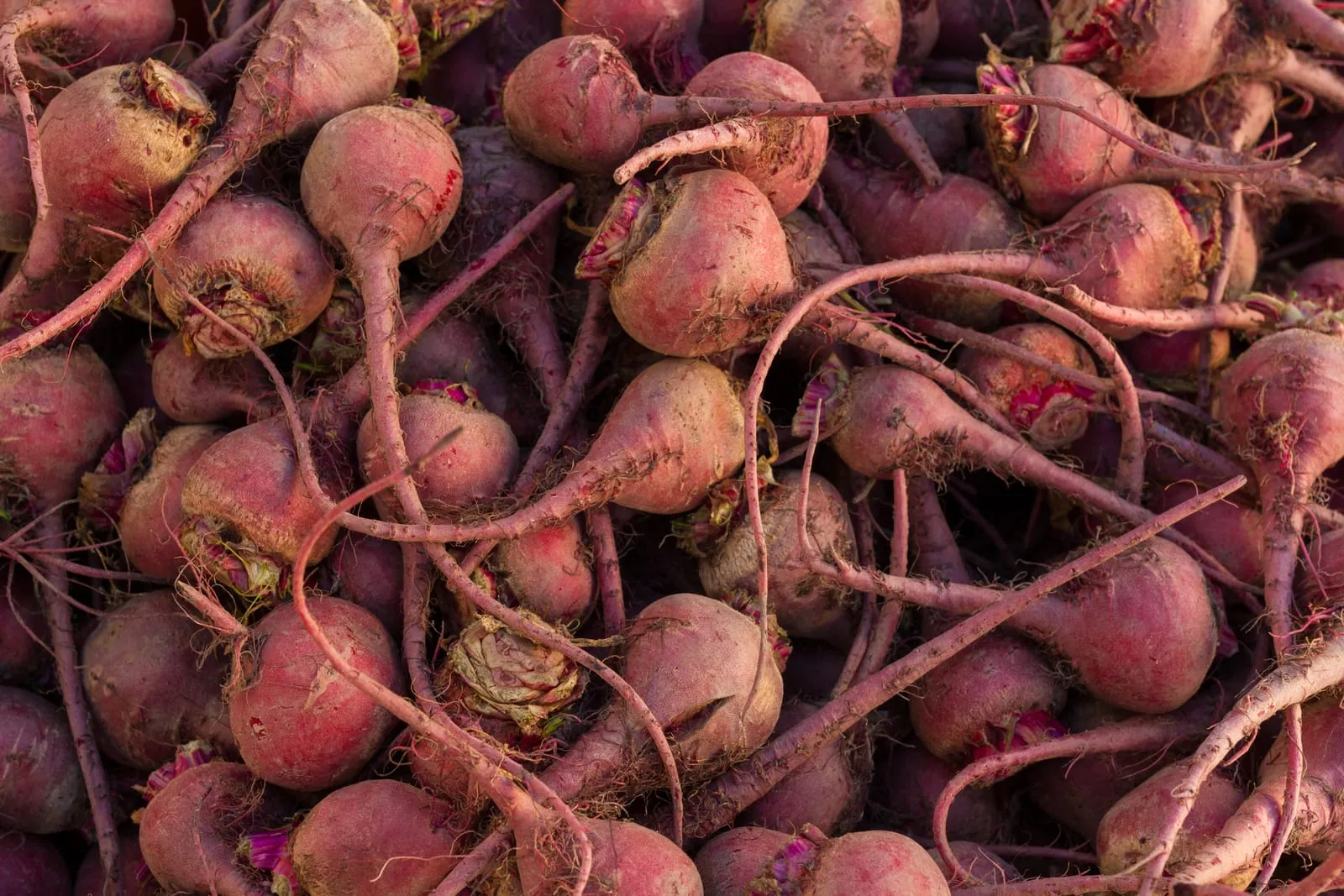
vegetable in zone 4b
Growing beet in zone 4b
Beta vulgaris
- Zone
- 4b -25°F to -20°F
- Growing season
- 130 days
- Suitable varieties
- 4
- Days to harvest
- 55 to 70
The verdict
Beet is a cool-season annual with no chill-hour requirement, so zone 4b's cold winters are not a limiting factor. What matters is the length of the frost-free growing window and summer heat accumulation. At 130 days, zone 4b's growing season comfortably accommodates multiple beet successions: spring roots reach harvest in 55 to 70 days depending on variety, leaving room for a second sowing timed to mature in the cool of fall.
The cool springs and moderate summers common in zone 4b suit beet well. Root quality tends to improve when temperatures stay below 75°F during bulbing. Zone 4b growers rarely contend with the heat-induced woodiness and zoning that affect beet in zones 7 and warmer. Detroit Dark Red and Chioggia perform reliably here; Golden and Bull's Blood both handle the zone's cool nights without bolting prematurely. This is a comfortable zone for the crop, not a marginal one.
Recommended varieties for zone 4b
4 cultivars suited to this zone, with disease-resistance and zone-fit annotations.
| Variety | Notes | Zone fit | Disease resistance |
|---|---|---|---|
| Detroit Dark Red fits zone 4b | Sweet, earthy, classic deep-red beet flavor; uniformly round dark roots. Roasting, pickling, borscht, fresh salads. Heritage 1892 variety, the home-garden standard. | | none noted |
| Chioggia fits zone 4b | Mild, sweet, less earthy; red-and-white concentric ring patterns when sliced. Fresh raw on salads, lightly roasted. Italian heirloom, ornamental and edible. | | none noted |
| Golden fits zone 4b | Mild, sweet, delicate; orange-skinned yellow-fleshed beets. Fresh, roasting, salads. Less earthy than red types, doesn't bleed onto other ingredients. | | none noted |
| Bull's Blood fits zone 4b | Earthy, sweet, intensely red; deep wine-red roots and decorative dark red foliage. Roasting, micro greens, ornamental edible. Greens valuable in their own right. | | none noted |
Critical timing for zone 4b
Direct sow beet seed 4 to 6 weeks before the average last spring frost, which in zone 4b typically falls between May 1 and May 15 depending on local elevation and air drainage. Germination slows below 50°F but seeds tolerate light frost after emergence. A late-April sowing is realistic in most zone 4b locations, with roots ready to pull from mid-June through early July.
For fall harvest, count back 65 to 75 days from the average first fall frost, which in zone 4b commonly occurs between September 20 and October 5. That puts a fall sowing in late July to early August. Beet roots improve in flavor after a light frost, so leaving them in the ground until a hard freeze threatens is worthwhile rather than rushing harvest.
Common challenges in zone 4b
- ▸ Spring frost timing
- ▸ Apple scab pressure
- ▸ Cane berry winter dieback
Disease pressure to watch for
Modified care for zone 4b
Spring frost timing is the primary scheduling constraint in zone 4b. A late frost after emergence rarely kills established seedlings outright, but repeated cold snaps can slow growth and delay the crop. Using row cover over early sowings until nighttime temperatures hold above 40°F reduces setbacks without requiring a greenhouse.
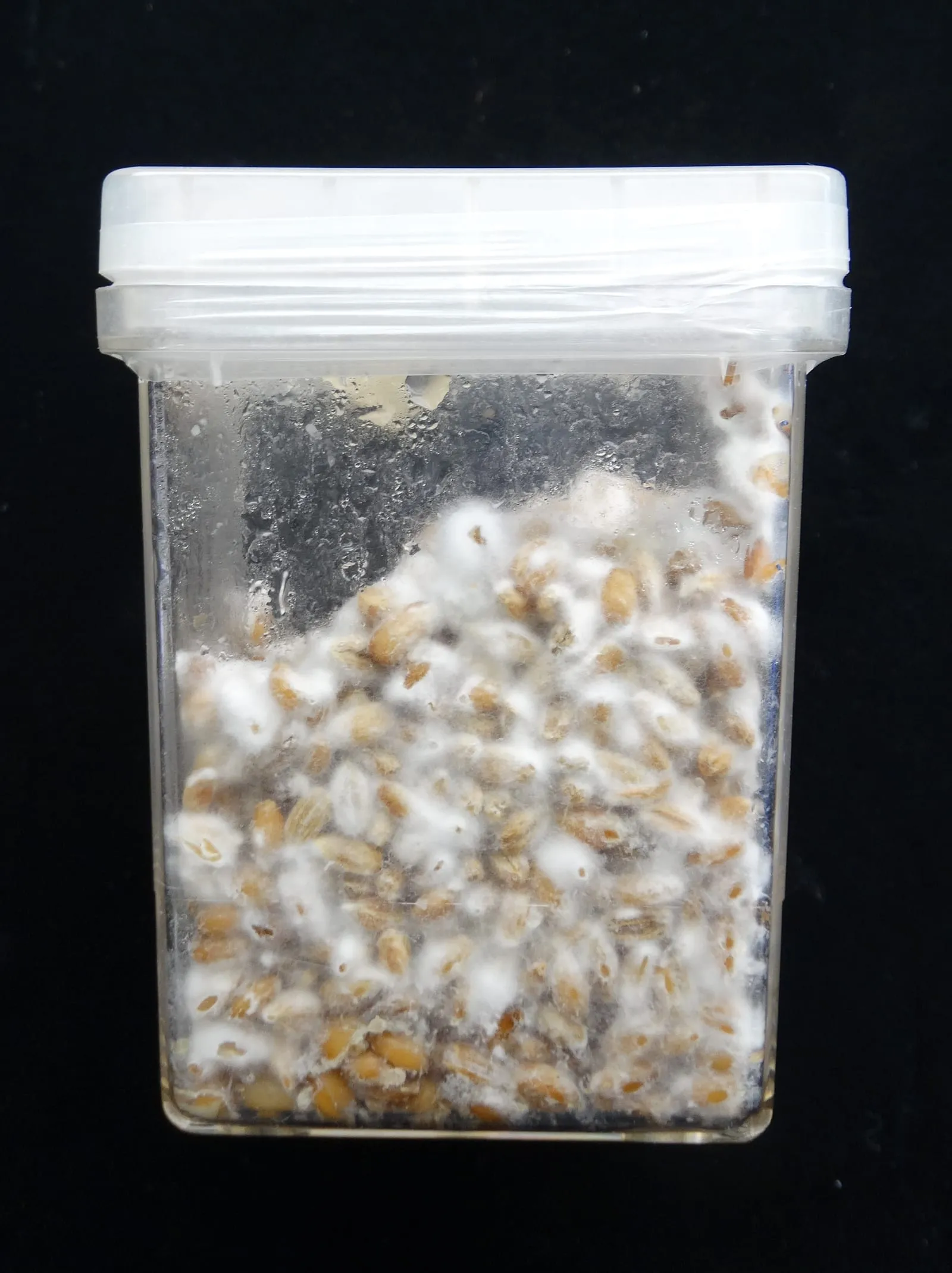
Fusarium Wilt can establish in zone 4b soils, particularly in raised beds or sandy sites that warm quickly and dry between waterings. A three-year rotation away from beet and other chenopods (chard, spinach) limits soilborne inoculum buildup. Consistent soil moisture also reduces plant stress, which is the primary predisposing factor for Fusarium infection.
The compressed frost-free window shortens the succession-planting calendar. Spacing two sowings three weeks apart rather than four keeps both crops within the available season while still spreading harvest over several weeks.
Frequently asked questions
- Can beets survive a late frost in zone 4b?
Established beet seedlings tolerate light frosts down to around 28°F with minimal damage. A hard late frost below that threshold can injure young growth, but plants often recover if the growing point was not frozen. Row cover provides reliable protection when a late-season cold snap is forecast.
- How many beet successions fit in a zone 4b season?
Two successions fit comfortably in most zone 4b locations. A spring sowing in late April and a second sowing in late July to early August both mature within the 130-day growing window. A third sowing is possible in years with a late-arriving first fall frost, but timing becomes tight.
- Which beet varieties perform best in zone 4b?
Detroit Dark Red is the most dependable all-around choice for zone 4b, with consistent germination and reliable sizing in cool soils. Chioggia and Golden both perform well and offer visual variety. Bull's Blood is useful for its cold-tolerant seedlings and ornamental foliage but matures slightly later than the others.
- What causes woody or tough beet roots in zone 4b?
Inconsistent watering is the most common cause. Roots that experience dry spells between waterings develop a fibrous, dense texture. In zone 4b, heat stress is rarely the issue it is in warmer zones, so maintaining even soil moisture through mulching and consistent irrigation resolves most texture problems.
+−
+−
+−
+−
Beet in adjacent zones
Image: "Beta vulgaris, San Francisco farmers market", by Frank Schulenburg, via Wikimedia Commons, licensed under CC0 Source.

Related