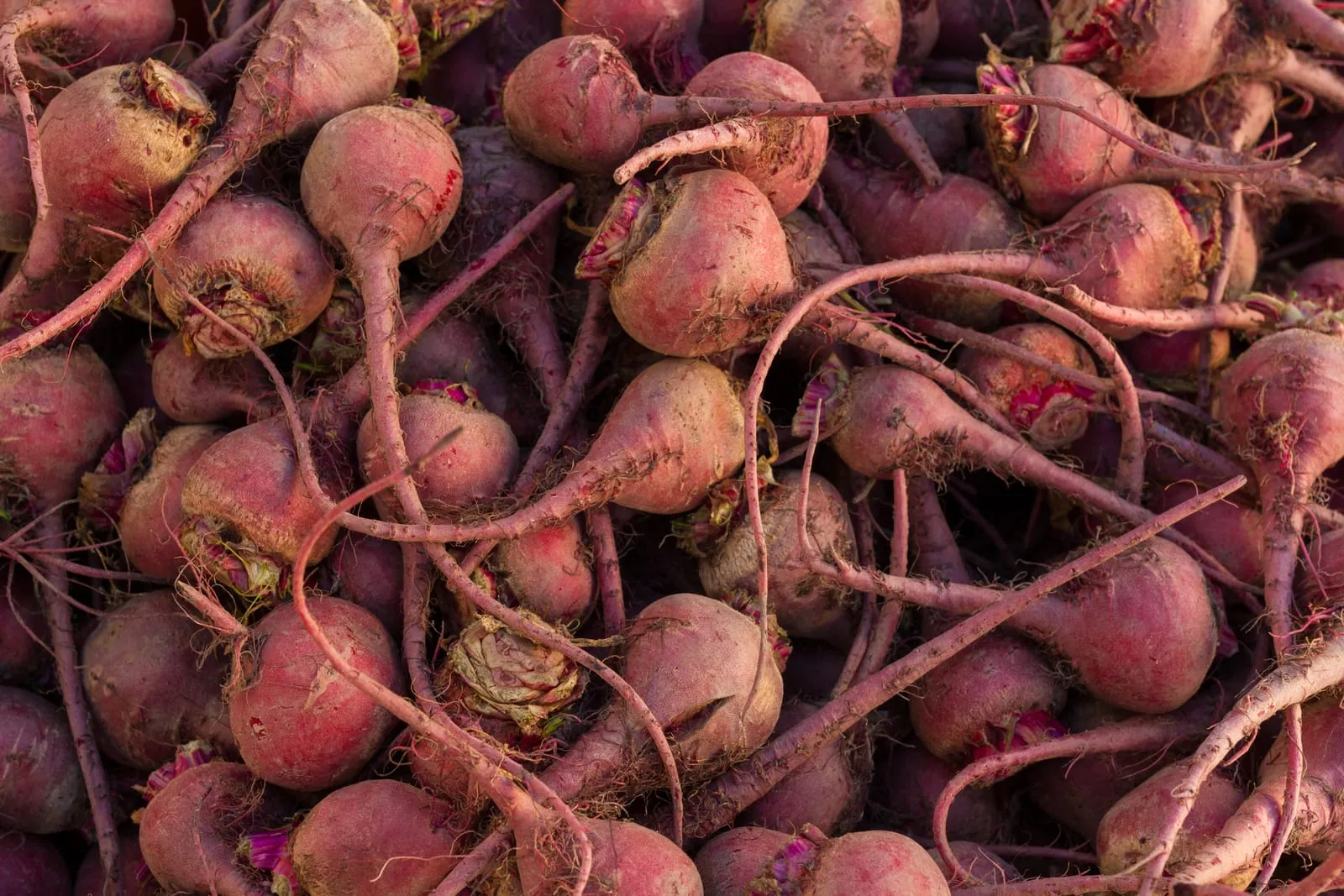
vegetable in zone 5a
Growing beet in zone 5a
Beta vulgaris
- Zone
- 5a -20°F to -15°F
- Growing season
- 150 days
- Suitable varieties
- 4
- Days to harvest
- 55 to 70
The verdict
Beet is a cool-season root crop with no chill-hour requirement, so the zone 5a cold minimum of -20 to -15°F is not a meaningful constraint. The relevant question for beets is whether the growing season provides adequate cool temperatures for quality root development, and zone 5a delivers on both ends: cold enough to keep soil temperatures in the ideal 50 to 65°F range through May and again in September, and long enough at 150 days to support two full crops per year.
Zone 5a is solidly within beet's preferred range, not a marginal case. All four recommended varieties perform reliably here. Detroit Dark Red and Bull's Blood are workhorses with strong cold tolerance; Chioggia and Golden are somewhat more sensitive to heat-induced bolting but present no particular hardiness concern in this zone. The main risk in zone 5a is not cold but rather a compressed spring window between soil workability and the onset of summer heat.
Recommended varieties for zone 5a
4 cultivars suited to this zone, with disease-resistance and zone-fit annotations.
| Variety | Notes | Zone fit | Disease resistance |
|---|---|---|---|
| Detroit Dark Red fits zone 5a | Sweet, earthy, classic deep-red beet flavor; uniformly round dark roots. Roasting, pickling, borscht, fresh salads. Heritage 1892 variety, the home-garden standard. | | none noted |
| Chioggia fits zone 5a | Mild, sweet, less earthy; red-and-white concentric ring patterns when sliced. Fresh raw on salads, lightly roasted. Italian heirloom, ornamental and edible. | | none noted |
| Golden fits zone 5a | Mild, sweet, delicate; orange-skinned yellow-fleshed beets. Fresh, roasting, salads. Less earthy than red types, doesn't bleed onto other ingredients. | | none noted |
| Bull's Blood fits zone 5a | Earthy, sweet, intensely red; deep wine-red roots and decorative dark red foliage. Roasting, micro greens, ornamental edible. Greens valuable in their own right. | | none noted |
Critical timing for zone 5a
Spring planting can begin as soon as soil reaches 40°F and is workable, typically mid to late April in zone 5a. Direct sowing 4 to 6 weeks before the average last frost (around May 5 to 15 for much of zone 5a) is standard practice; beet seed germinates slowly in cold soil but the seedlings tolerate light frost without damage. Spring-planted beets should reach harvest in 55 to 70 days depending on variety, putting the spring window at late June through mid-July.
The fall crop is often better quality. Count back 70 days from the first fall frost (typically October 1 to 15) and direct sow in late July to early August. Roots that size up in cooling fall soil develop denser texture and higher sugar content than those maturing in June heat.
Common challenges in zone 5a
- ▸ Fire blight in pears
- ▸ Cedar-apple rust
- ▸ Late spring frosts
Disease pressure to watch for
Modified care for zone 5a
Late spring frosts in zone 5a are a timing risk rather than a plant survival risk; beet seedlings handle light frost, but a hard frost on newly emerged seedlings can set the planting back two weeks. Row cover over early April sowings provides insurance without significant cost.
Fusarium wilt is the primary disease concern for beets in zone 5a. The pathogen persists in soil and is favored by warm, wet conditions. Rotating beets and other chenopods out of any affected bed for at least 3 to 4 years is the most effective management; there are no commercially available wilt-resistant beet varieties at this time. Avoid overhead irrigation once soil temperatures exceed 65°F.
Summer heat can cause spring-planted beets to bolt before roots fully size up. Succession-sowing every 3 weeks from mid-April through late May spreads the harvest window and reduces the chance of losing an entire planting to a heat spike.
Frequently asked questions
- Can beets overwinter in zone 5a?
Not reliably in the ground. Mature beet roots can tolerate light frost but will be damaged by sustained soil freezing at zone 5a's -20 to -15°F minimums. Harvest before the ground freezes hard and store in a cool, humid root cellar or refrigerator, where they keep well for 3 to 5 months.
- Which beet variety performs best in zone 5a?
Detroit Dark Red is the most adaptable choice for zone 5a: reliable germination in cool spring soil, strong disease tolerance, and consistent root sizing across both spring and fall plantings. Bull's Blood is a close second and offers the bonus of ornamental foliage. Chioggia and Golden both perform well in fall plantings when heat stress is not a factor.
- How does Fusarium wilt spread in a home garden?
The fungus lives in soil and plant debris and spreads through contaminated tools, water movement, and infected transplants. In a home garden, the most common introduction is through infected seedlings or by moving soil between beds. Sterilizing tools between beds and sourcing seed from reputable suppliers reduces introduction risk.
+−
+−
+−
Beet in adjacent zones
Image: "Beta vulgaris, San Francisco farmers market", by Frank Schulenburg, via Wikimedia Commons, licensed under CC0 Source.

Related