vegetable in zone 9a
Growing beet in zone 9a
Beta vulgaris
- Zone
- 9a 20°F to 25°F
- Growing season
- 290 days
- Suitable varieties
- 0
- Days to harvest
- 55 to 70
The verdict
Beets are cool-season root crops with no chill-hour requirement, so zone 9a's warm winters present a different problem than insufficient chill: summer heat disqualifies roughly five months of the year entirely. Beet roots develop their characteristic sweetness and firm texture at soil temperatures between 50 and 65°F. When soil temperatures exceed 75°F, root development stalls, tops bolt prematurely, and roots turn woody and bitter. In zone 9a, that threshold arrives by late April or early May and persists through September.
The workable window runs from mid-September through mid-April, giving zone 9a growers roughly seven productive months spread across fall, winter, and early spring. Within that window, this zone is genuinely capable beet territory. Mild winters mean established plants face little frost risk, and the long shoulder seasons allow sequential plantings. Zone 9a is not marginal for beets; it is simply a cool-season-only crop here, with no path to summer production.
Critical timing for zone 9a
The primary planting window opens in mid-September to early October, once soil temperatures drop toward the 65-70°F range. A second sowing in late January or early February can extend harvest into April before heat shuts down the season. Most varieties run 55 to 70 days from direct sow to harvest: a September 15 sowing targets mid-November; an October planting finishes in December or January.
Zone 9a's mild winters mean established beets face little frost risk after germination. Light frost in the 28-32°F range can modestly improve root sweetness by prompting starch-to-sugar conversion. Growers pushing a late February sowing should watch soil temperatures closely: if an early March warm spell arrives before roots have sized up, tops may look healthy while roots remain underdeveloped and prone to rapid decline.
Common challenges in zone 9a
- ▸ Limited stone fruit options due to insufficient chill
- ▸ Hurricane and tropical storm exposure
- ▸ Citrus disease pressure
Disease pressure to watch for
Modified care for zone 9a
Planting timing is the primary adjustment in zone 9a. No soil amendment or irrigation schedule compensates for sowing into warm soil. A 3-inch layer of organic mulch applied at planting buffers soil temperature during warm spells in October and again as the season closes in March.
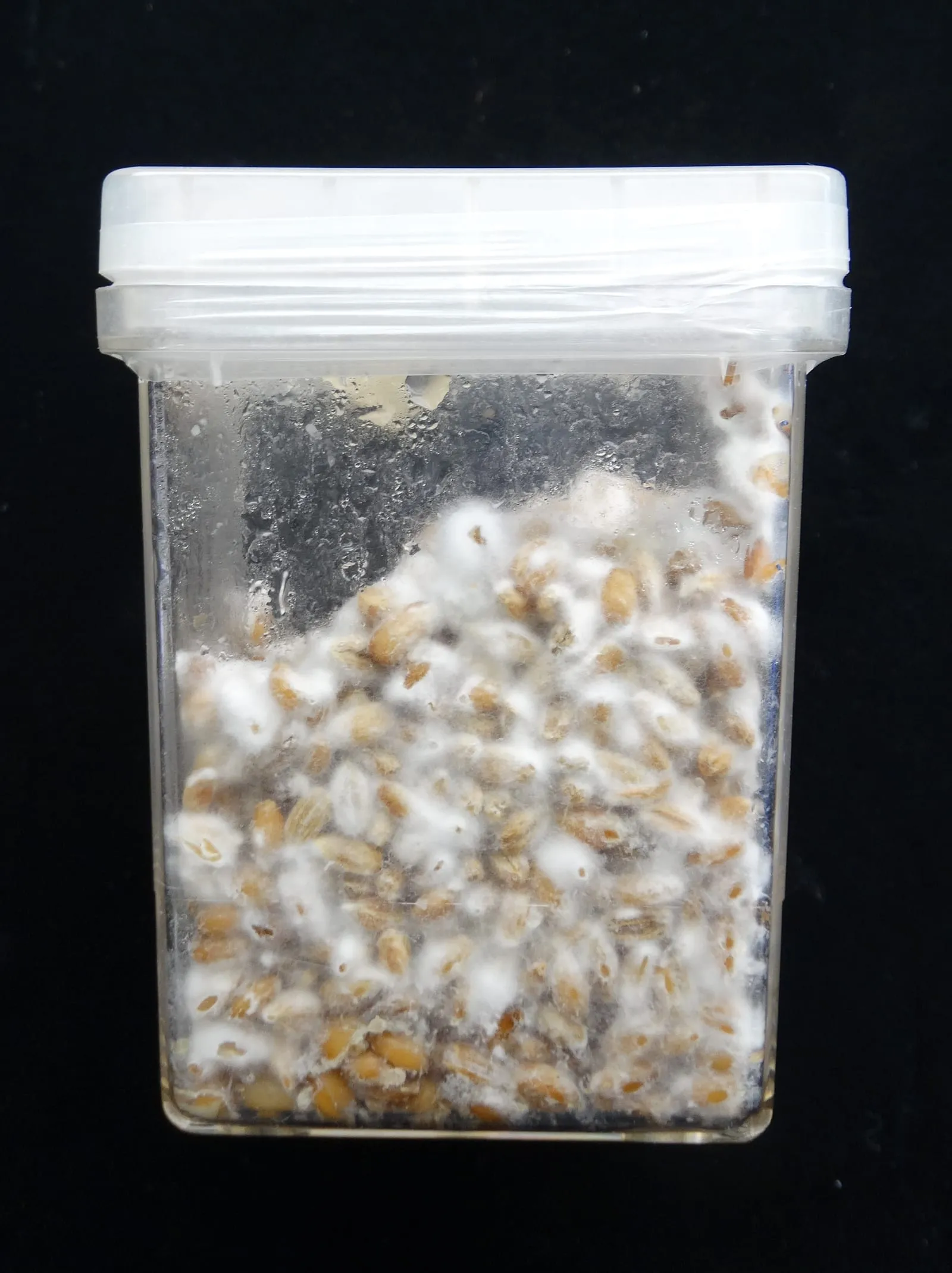
Fusarium wilt, present in zone 9a soils, intensifies under heat stress and irregular moisture. Consistent irrigation (beets prefer even soil moisture, not wet-dry cycles), well-drained beds, and a crop rotation of at least three years between beet-family plants (including chard and spinach) reduce infection pressure. Avoid late-day overhead irrigation; wet foliage overnight extends the window for fungal spread. In clay-heavy zone 9a soils that drain slowly after winter rains, raised beds with amended soil reduce the waterlogging that compounds Fusarium and root rot problems simultaneously.
Frequently asked questions
- Can beets grow year-round in zone 9a?
No. Beets require soil temperatures below 70°F for healthy root development. In zone 9a, summer heat from roughly May through September makes root production unreliable. The productive season runs from mid-September through mid-April, with fall and late-winter plantings both viable.
- Do beets need frost protection in zone 9a?
Rarely. Zone 9a winters are mild enough that established beets typically grow through without cover. Light frost below 32°F can slightly improve root sweetness. Hard freezes below 25°F can damage exposed tops, but these events are infrequent and brief in most zone 9a locations.
- How does Fusarium wilt affect beets in zone 9a?
Fusarium wilt causes root discoloration, stunted growth, and wilting even when soil moisture is adequate. It is more active under heat stress and in poorly drained soil. Rotation of at least three years between beet-family crops and consistent moisture management are the main cultural controls; no resistant beet varieties are widely available for home gardens.
- Which beet varieties perform best in zone 9a?
Bolt-tolerant varieties offer an advantage at the end of the season when temperatures climb. Detroit Dark Red and Chioggia are standard performers across a wide range of conditions. For very late plantings (February), selecting a shorter-season variety (55 days or less) reduces the risk of heat cutting the season short before roots size up.
+−
+−
+−
+−
Beet in adjacent zones
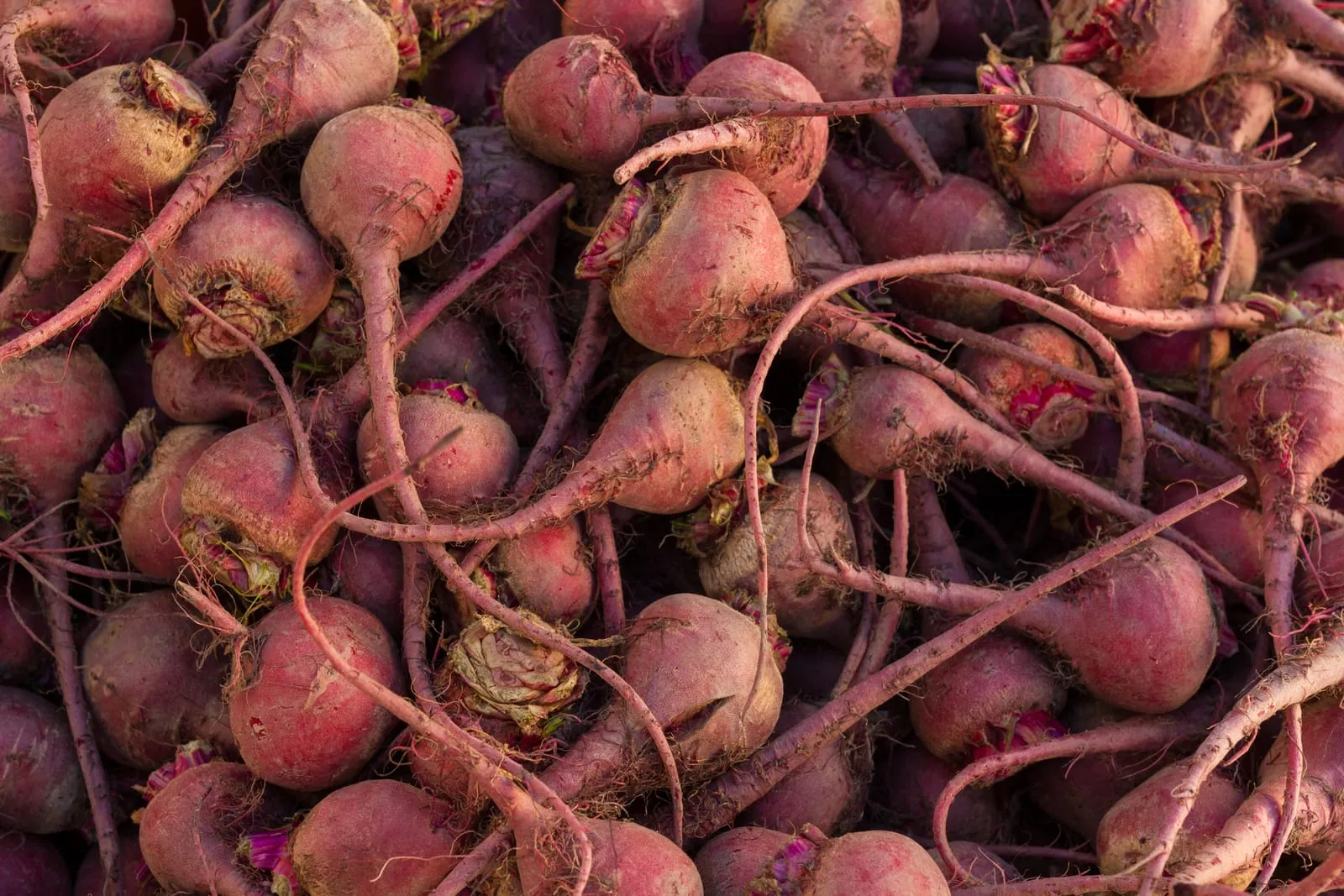
Image: "Beta vulgaris, San Francisco farmers market", by Frank Schulenburg, via Wikimedia Commons, licensed under CC0 Source.

Related