vegetable in zone 8b
Growing beet in zone 8b
Beta vulgaris
- Zone
- 8b 15°F to 20°F
- Growing season
- 260 days
- Suitable varieties
- 0
- Days to harvest
- 55 to 70
The verdict
Beet is a cool-season crop with no chill-hour requirement, so zone 8b's 15-20°F winter minimum is not the limiting factor. What matters is summer heat. Zone 8b's 260-day growing season includes extended periods above 80°F, which causes beets to bolt prematurely and develop woody, fibrous roots. The practical growing window sits outside the hottest months, making zone 8b a workable but timing-sensitive zone rather than an ideal one.
The compensating advantage is a long, mild shoulder season on both ends of summer. Fall plantings in zone 8b can extend well into December, and spring crops can begin as early as February. Growers who treat beet as a two-season crop, avoiding summer entirely, will find zone 8b quite productive. The risk of hard freezes is low enough that fall crops rarely need protection before harvest.
Critical timing for zone 8b
In zone 8b, the primary beet seasons are fall and early spring. Fall plantings typically go in from late August through October, targeting a harvest window of November through January when soil temperatures have cooled and bolting risk is minimal. Spring plantings start in February or early March and should be harvested before consistent daytime highs exceed 75°F, usually by late April or May.
Summer planting is not recommended. Heat accelerates bolting, reduces root quality, and increases disease pressure. Growers in the hottest parts of zone 8b, particularly in low-elevation interior areas, will find the fall season more reliable than spring, as soil temperatures are dropping rather than rising through the harvest window.
Common challenges in zone 8b
- ▸ Low chill hours limit apple variety selection
- ▸ Citrus greening risk
- ▸ Nematodes in sandy soils
Disease pressure to watch for
Modified care for zone 8b
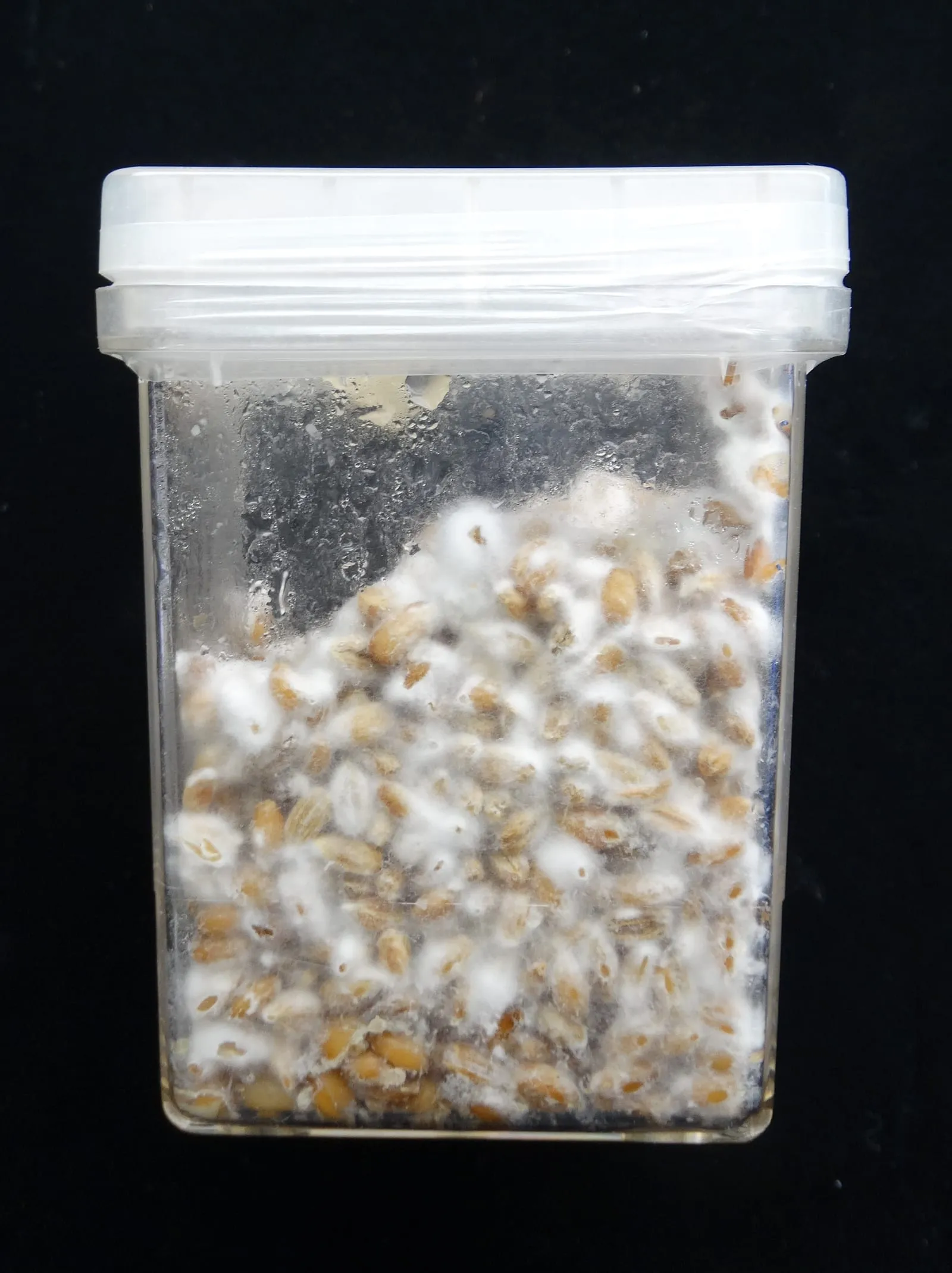
The primary care adjustment in zone 8b is disease and pest management in the soil. Fusarium wilt is a persistent risk, particularly in soils that have hosted beet or chard repeatedly. Rotating beets on a three-year cycle and incorporating organic matter to support microbial competition against Fusarium are the main defensive tools. Resistant varieties, where available, provide additional insurance.
Nematode pressure in sandy soils is a secondary concern flagged for zone 8b. Beets grown in affected ground often show stunted, misshapen roots without obvious foliar symptoms. Soil testing before planting and cover cropping with nematode-suppressing species like sorghum-sudan in fallow periods can reduce populations over time.
Irrigation consistency matters more in zone 8b than in cooler zones. Irregular watering during dry spells causes cracked or zoned roots. Mulching the bed after germination helps buffer soil moisture and moderate temperature swings during the cool-season growing window.
Frequently asked questions
- Can beets be grown year-round in zone 8b?
No. Summer heat causes beets to bolt and develop poor root quality. The practical growing windows are fall (late August through October planting) and early spring (February through early March). Skipping summer entirely gives consistently better results.
- What is Fusarium wilt and how does it affect beets in zone 8b?
Fusarium wilt is a soil-borne fungal disease that attacks beet roots and vascular tissue, causing yellowing, wilting, and internal discoloration. Warm zone 8b soils favor its spread. Crop rotation on a three-year cycle and avoiding replanting in known affected areas are the most effective controls.
- Do beets need frost protection in zone 8b?
Rarely. Beet roots can tolerate light frosts, and zone 8b winters seldom drop hard enough to damage a mature crop in the ground. A light row cover provides adequate protection during the occasional hard freeze, but most fall-planted beets can be harvested without any frost protection measures.
+−
+−
+−
Beet in adjacent zones
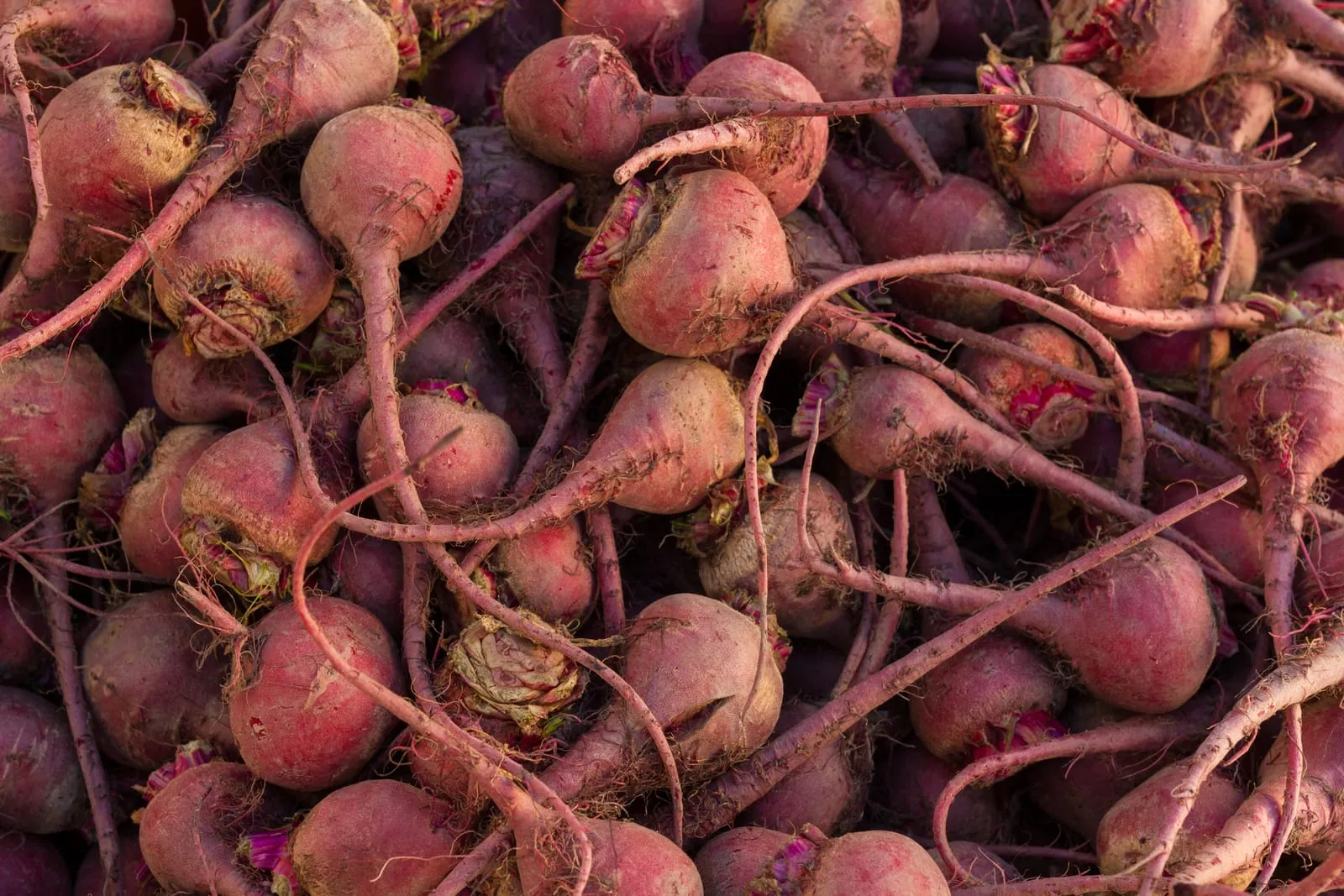
Image: "Beta vulgaris, San Francisco farmers market", by Frank Schulenburg, via Wikimedia Commons, licensed under CC0 Source.

Related