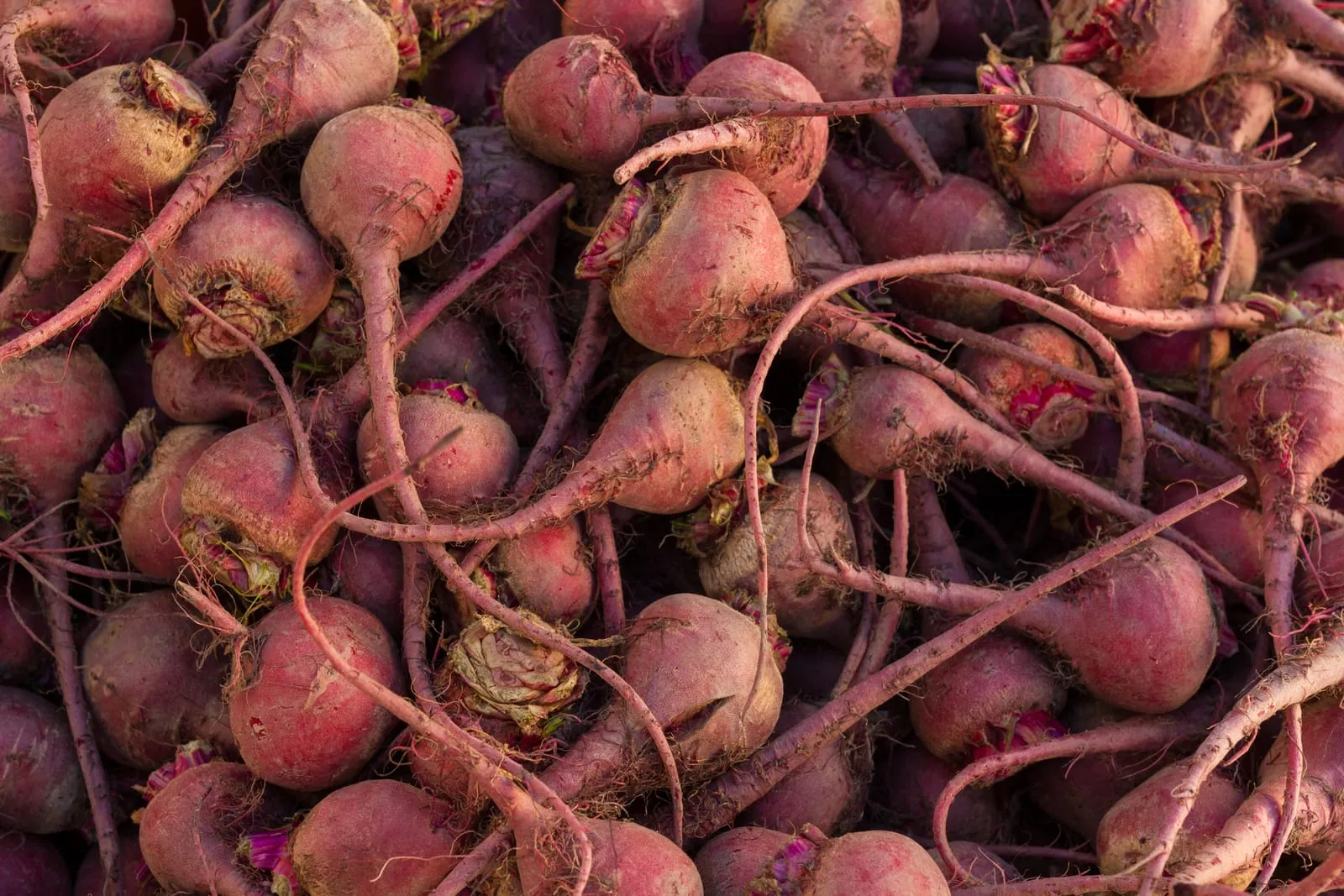
vegetable in zone 6a
Growing beet in zone 6a
Beta vulgaris
- Zone
- 6a -10°F to -5°F
- Growing season
- 180 days
- Suitable varieties
- 4
- Days to harvest
- 55 to 70
The verdict
Beet is a strong fit for zone 6a. It is a cool-season root crop with no chill-hour requirement, so the zone temperature range of -10 to -5°F is irrelevant to its performance; what matters is the length and temperature of the growing season, and zone 6a's 180-day window is generous. The sweet spot for beet root development is 50 to 75°F soil temperatures. Zone 6a delivers those conditions reliably in both spring and fall, making two productive plantings per year realistic rather than aspirational.
Varieties like Detroit Dark Red and Chioggia are dependable across the zone. Golden and Bull's Blood tend to be slower to maturity and benefit from fall planting, when cooling soils extend the flavor-development window. None of these are marginal choices for zone 6a. Bolting from heat is the main risk, and it is avoidable with correct timing.
Recommended varieties for zone 6a
4 cultivars suited to this zone, with disease-resistance and zone-fit annotations.
| Variety | Notes | Zone fit | Disease resistance |
|---|---|---|---|
| Detroit Dark Red fits zone 6a | Sweet, earthy, classic deep-red beet flavor; uniformly round dark roots. Roasting, pickling, borscht, fresh salads. Heritage 1892 variety, the home-garden standard. | | none noted |
| Chioggia fits zone 6a | Mild, sweet, less earthy; red-and-white concentric ring patterns when sliced. Fresh raw on salads, lightly roasted. Italian heirloom, ornamental and edible. | | none noted |
| Golden fits zone 6a | Mild, sweet, delicate; orange-skinned yellow-fleshed beets. Fresh, roasting, salads. Less earthy than red types, doesn't bleed onto other ingredients. | | none noted |
| Bull's Blood fits zone 6a | Earthy, sweet, intensely red; deep wine-red roots and decorative dark red foliage. Roasting, micro greens, ornamental edible. Greens valuable in their own right. | | none noted |
Critical timing for zone 6a
Spring planting opens 4 to 6 weeks before the average last frost date, which falls in mid-April across much of zone 6a. Beet seed germinates in soil as cool as 40°F, though germination is erratic below 50°F. Seedlings tolerate light frost down to about 28°F, making early April direct sowing reasonable with a row cover on standby.
Days to maturity range from 55 to 70 days depending on variety, putting spring harvests in late June to mid-July before peak summer heat degrades root quality. Fall plantings go in 8 to 10 weeks before first fall frost, typically late July to mid-August. These crops mature into cooling soil and generally produce sweeter roots than their spring counterparts. Harvest before the ground freezes hard, typically by late October.
Common challenges in zone 6a
- ▸ Brown rot in stone fruit
- ▸ Japanese beetles
- ▸ Spring frost damage to peach buds
Disease pressure to watch for
Modified care for zone 6a
The primary disease threat for beet in zone 6a is Fusarium wilt. It is soilborne and persistent, so strict crop rotation is the main control. Avoid planting beet, chard, or spinach in any bed that grew those crops within the previous two to three years. Where rotation space is limited, raised beds with fresh compost-amended soil reduce pressure substantially.
Japanese beetles, flagged as a zone-wide pressure, rarely target beet foliage as heavily as they do stone fruit or beans, but populations peak in midsummer and can stress young fall transplants or direct-sown seedlings. Monitor during July and hand-pick if damage appears.
For spring crops, keep row cover available through late April. A late frost event that holds below 28°F for several hours will set back seedlings noticeably. Fall crops rarely need protection until harvest, but mulching around roots after foliage matures extends the harvest window by two to three weeks.
Frequently asked questions
- Can beet be grown in zone 6a?
Yes, zone 6a is well-suited to beet production. The 180-day growing season supports two plantings per year, and the cool springs and falls provide ideal conditions for root development. Heat-induced bolting is the main risk, avoided by planting early in spring or in late summer for a fall harvest.
- When should beet be planted in zone 6a?
Direct sow spring beet 4 to 6 weeks before mid-April last frost dates, typically in early to mid-March. For fall crops, count back 8 to 10 weeks from first fall frost and sow in late July to mid-August. Fall plantings often produce sweeter roots as they mature in cooling soil.
- Which beet varieties perform best in zone 6a?
Detroit Dark Red and Chioggia are reliable standards for both spring and fall plantings. Golden and Bull's Blood are better suited to fall planting, where the longer cool period allows their somewhat slower maturity to deliver good root quality.
- What diseases should zone 6a beet growers watch for?
Fusarium wilt is the primary concern. It persists in soil and affects beet, chard, and spinach. Rotating these crops out of affected beds for two to three years is the most effective management strategy. Resistant varieties are limited, so rotation and soil health are the main defenses.
+−
+−
+−
+−
Beet in adjacent zones
Image: "Beta vulgaris, San Francisco farmers market", by Frank Schulenburg, via Wikimedia Commons, licensed under CC0 Source.

Related