vegetable in zone 6b
Growing beet in zone 6b
Beta vulgaris
- Zone
- 6b -5°F to 0°F
- Growing season
- 190 days
- Suitable varieties
- 4
- Days to harvest
- 55 to 70
The verdict
Beets are cool-season annuals with no chill-hour requirement, so the zone 6b winter minimum (-5 to 0°F) is not a direct constraint on their performance. The more relevant factor is the zone's shoulder seasons: the cool, moist conditions of spring and fall are precisely where beets thrive. Zone 6b's 190-day growing season comfortably supports two full beet crops per year, one in spring and one in fall, without the heat stress that compresses the window in zones 7 and warmer.
This is not a marginal zone for beets. If anything, zone 6b growers have an advantage over warmer zones where summer heat arrives early and forces a narrow spring planting window. The main limiting factor here is summer heat in July and August, which triggers bolting and toughens roots. Varieties like Detroit Dark Red and Chioggia hold reasonable heat tolerance compared to some specialty types, but no beet variety performs well when soil temperatures stay above 75°F for extended periods.
Recommended varieties for zone 6b
4 cultivars suited to this zone, with disease-resistance and zone-fit annotations.
| Variety | Notes | Zone fit | Disease resistance |
|---|---|---|---|
| Detroit Dark Red fits zone 6b | Sweet, earthy, classic deep-red beet flavor; uniformly round dark roots. Roasting, pickling, borscht, fresh salads. Heritage 1892 variety, the home-garden standard. | | none noted |
| Chioggia fits zone 6b | Mild, sweet, less earthy; red-and-white concentric ring patterns when sliced. Fresh raw on salads, lightly roasted. Italian heirloom, ornamental and edible. | | none noted |
| Golden fits zone 6b | Mild, sweet, delicate; orange-skinned yellow-fleshed beets. Fresh, roasting, salads. Less earthy than red types, doesn't bleed onto other ingredients. | | none noted |
| Bull's Blood fits zone 6b | Earthy, sweet, intensely red; deep wine-red roots and decorative dark red foliage. Roasting, micro greens, ornamental edible. Greens valuable in their own right. | | none noted |
Critical timing for zone 6b
Spring sowing begins 4 to 6 weeks before the average last frost, which falls between April 10 and May 1 across most of zone 6b. That puts direct sowing from early to mid-March as viable, especially under row cover. Soil temperature at 2-inch depth should reach at least 40°F before germination becomes reliable; optimal germination is between 50°F and 85°F. Spring-sown beets reach harvest in 50 to 70 days depending on variety, putting the main harvest window from late May through June before sustained summer heat sets in.
Fall crops offer the more forgiving window. Sow from late July through mid-August, counting back 60 to 70 days from the average first fall frost. Beets tolerate light frosts well and roots that have matured before a hard freeze (below 25°F) can be left in ground briefly, though extended hard freezes require harvest or heavy mulching.
Common challenges in zone 6b
- ▸ Cedar-apple rust
- ▸ Fire blight
- ▸ Stink bugs
Disease pressure to watch for
Modified care for zone 6b
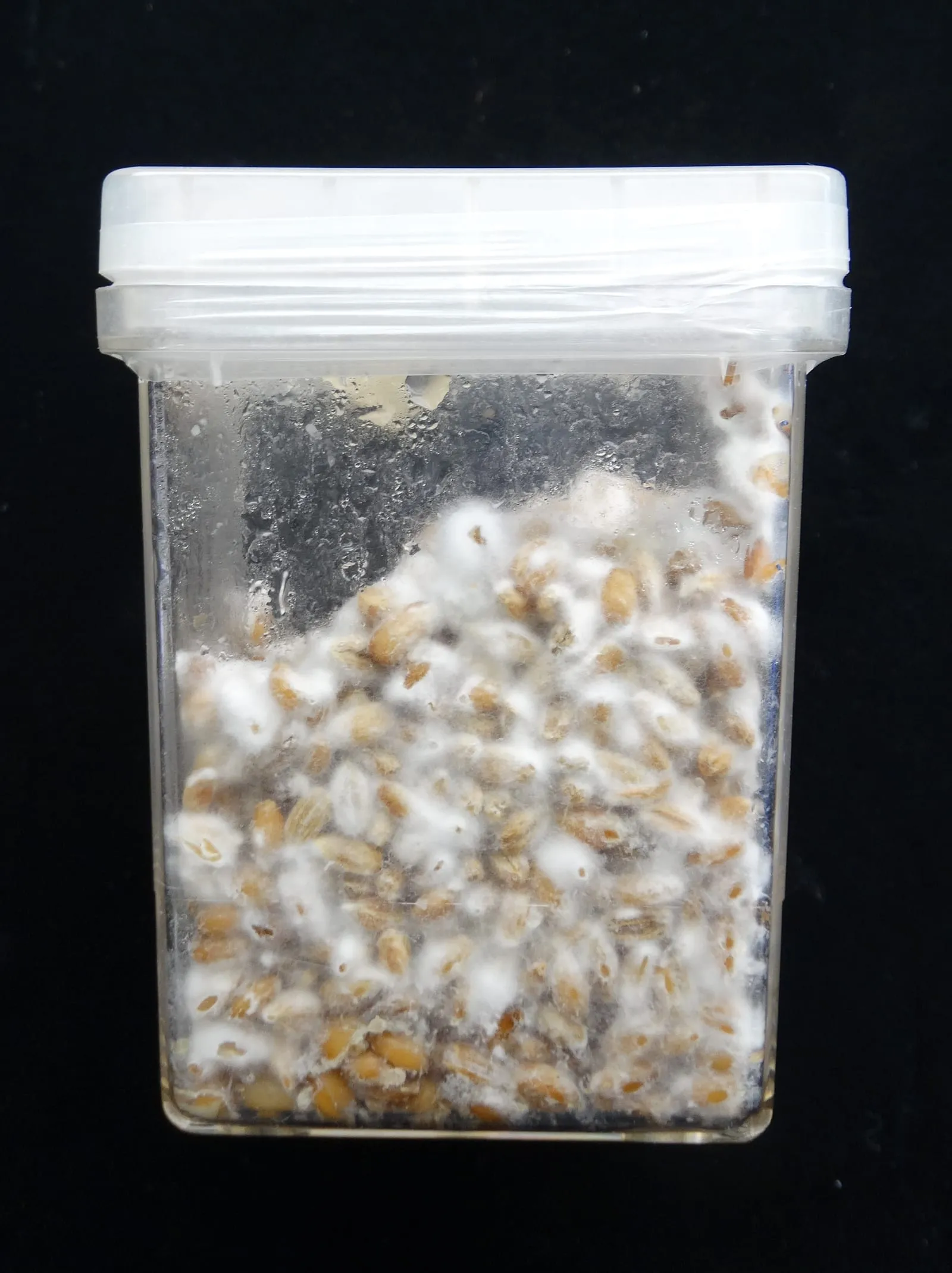
Fusarium wilt is the primary soil-borne disease risk in zone 6b and most of the mid-Atlantic and Midwest. Rotate beet plantings on a 3 to 4 year cycle, avoiding all chenopod family crops (chard, spinach) in the same bed. There is no practical chemical control once fusarium is established in a soil, so crop rotation and resistant variety selection are the main levers.
Stink bugs (particularly brown marmorated stink bug, well established across zone 6b) can pierce beet roots and leaves late in the season, creating entry points for secondary infection. Row cover provides effective exclusion through early fall. Remove cover during the heat of midsummer when stink bug pressure is lower and heat retention under cover becomes a problem. Cedar-apple rust and fire blight listed in zone challenges are fruit tree concerns and do not affect beets. Beyond disease management, the primary zone-specific adjustment is timing germination to avoid both cold soil in early spring and heat stress in late spring, a window that can be as narrow as 3 to 4 weeks in warm years.
Frequently asked questions
- Can beets be direct-sown in zone 6b or do they need to be started indoors?
Beets are almost always direct-sown because transplanting disturbs the taproot. In zone 6b, direct sow into the garden 4 to 6 weeks before last frost in spring, or 60 to 70 days before first fall frost for the fall crop. Starting indoors is not recommended and rarely improves results.
- Which beet variety performs best in zone 6b?
Detroit Dark Red is the most reliable all-around choice, with consistent germination and disease tolerance across varying conditions. Chioggia and Golden offer better bolt resistance in warm springs. Bull's Blood is grown primarily for its leaf color and is more susceptible to heat; it suits the early spring window but should not be succession-planted into June in zone 6b.
- How serious is fusarium wilt for zone 6b beet growers?
Fusarium wilt is a real risk, particularly in beds with a history of brassicas or chenopods. It causes seedling damping-off and root rot in mature plants. The practical control is a strict 3 to 4 year rotation. Infected soil cannot be reliably treated; once present, the pathogen persists for years. There are no fully fusarium-resistant beet varieties currently in wide commercial release.
- Will beets survive a frost in zone 6b?
Established beet plants tolerate light frosts down to about 28°F without significant damage. Mature roots in the ground can withstand brief exposure to 25°F if mulched. A sustained hard freeze below 20°F will damage or kill roots left in the ground, so harvest or apply 4 to 6 inches of straw mulch before that threshold.
+−
+−
+−
+−
Beet in adjacent zones
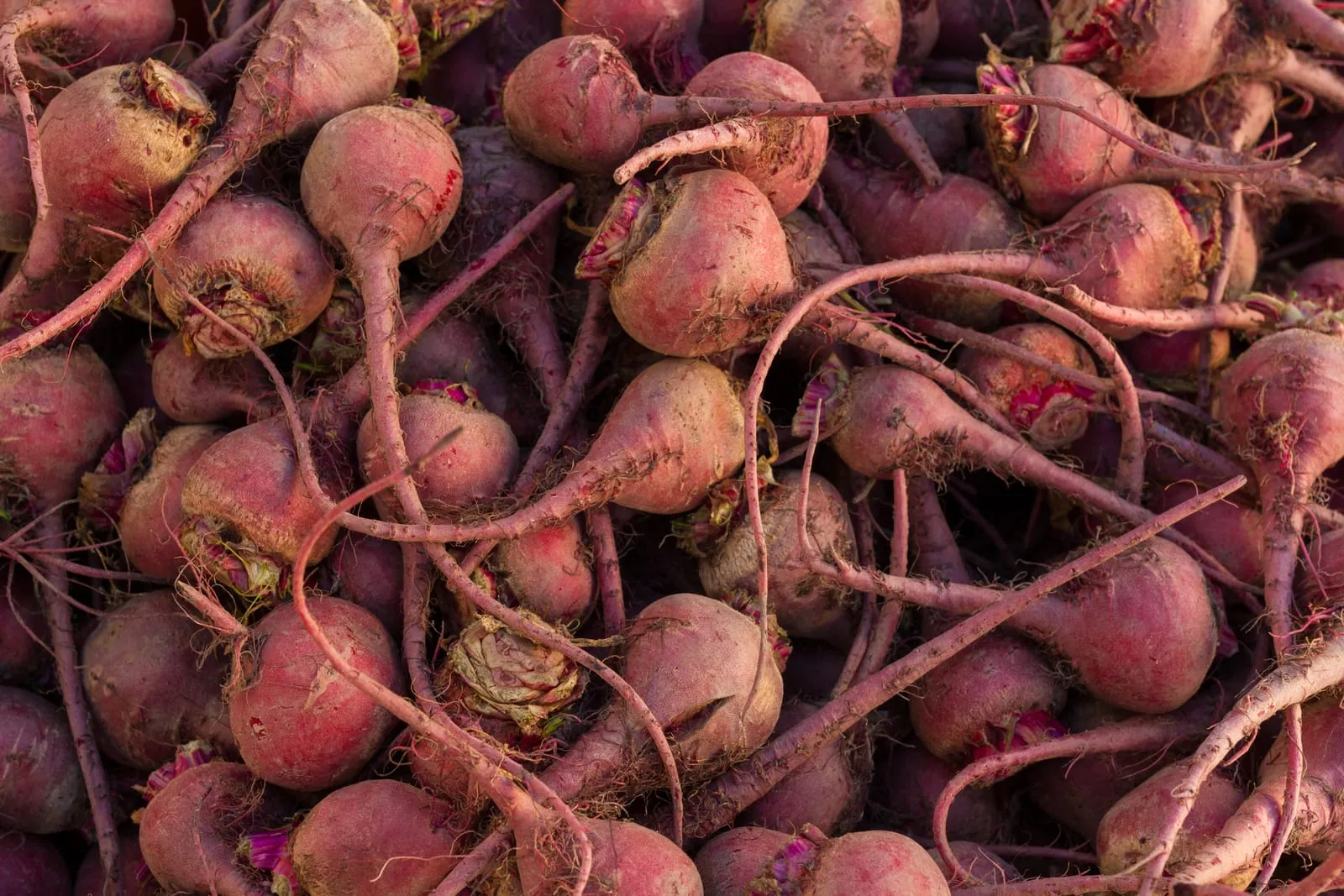
Image: "Beta vulgaris, San Francisco farmers market", by Frank Schulenburg, via Wikimedia Commons, licensed under CC0 Source.

Related