vegetable in zone 7a
Growing beet in zone 7a
Beta vulgaris
- Zone
- 7a 0°F to 5°F
- Growing season
- 210 days
- Suitable varieties
- 4
- Days to harvest
- 55 to 70
The verdict
Zone 7a is a reliable growing zone for beets. Unlike fruit crops, beets have no chill-hour requirement, so the zone's winter minimum of 0 to 5°F is relevant only as a hard cutoff for overwintering transplants, not as a production constraint. The 210-day growing season comfortably supports two beet crops per year, one in spring and one in fall, with time to spare on both ends.
The primary limitation in zone 7a is summer heat rather than winter cold. Beet roots become woody and lose sweetness when soil temperatures stay above 75°F for extended periods, and plants may bolt prematurely under heat stress. This makes zone 7a a timing-dependent sweet spot rather than a marginal zone: growers who plan around the heat find reliable success, while those who attempt summer plantings often struggle. Detroit Dark Red and Chioggia both perform consistently when seeded into appropriate windows.
Recommended varieties for zone 7a
4 cultivars suited to this zone, with disease-resistance and zone-fit annotations.
| Variety | Notes | Zone fit | Disease resistance |
|---|---|---|---|
| Detroit Dark Red fits zone 7a | Sweet, earthy, classic deep-red beet flavor; uniformly round dark roots. Roasting, pickling, borscht, fresh salads. Heritage 1892 variety, the home-garden standard. | | none noted |
| Chioggia fits zone 7a | Mild, sweet, less earthy; red-and-white concentric ring patterns when sliced. Fresh raw on salads, lightly roasted. Italian heirloom, ornamental and edible. | | none noted |
| Golden fits zone 7a | Mild, sweet, delicate; orange-skinned yellow-fleshed beets. Fresh, roasting, salads. Less earthy than red types, doesn't bleed onto other ingredients. | | none noted |
| Bull's Blood fits zone 7a | Earthy, sweet, intensely red; deep wine-red roots and decorative dark red foliage. Roasting, micro greens, ornamental edible. Greens valuable in their own right. | | none noted |
Critical timing for zone 7a
In zone 7a, spring beet planting begins as soon as soil can be worked, typically late February through mid-March. Direct seeding 4 to 6 weeks before the average last frost gives roots time to develop in cool soil before summer heat arrives. Most varieties reach harvest in 55 to 70 days, which puts peak spring harvest in May.
Fall is often the more productive season. Seeding in late August through mid-September targets soil temperatures below 80°F and gives roots roughly 60 days before the first fall frost, which typically arrives in zone 7a around mid-November. Light frost (28 to 32°F) actually improves beet sweetness by converting starches to sugars, so fall-harvested beets are often noticeably better than spring ones.
Common challenges in zone 7a
- ▸ Cedar-apple rust
- ▸ Brown rot
- ▸ Fire blight
- ▸ High humidity disease pressure
Disease pressure to watch for
Modified care for zone 7a
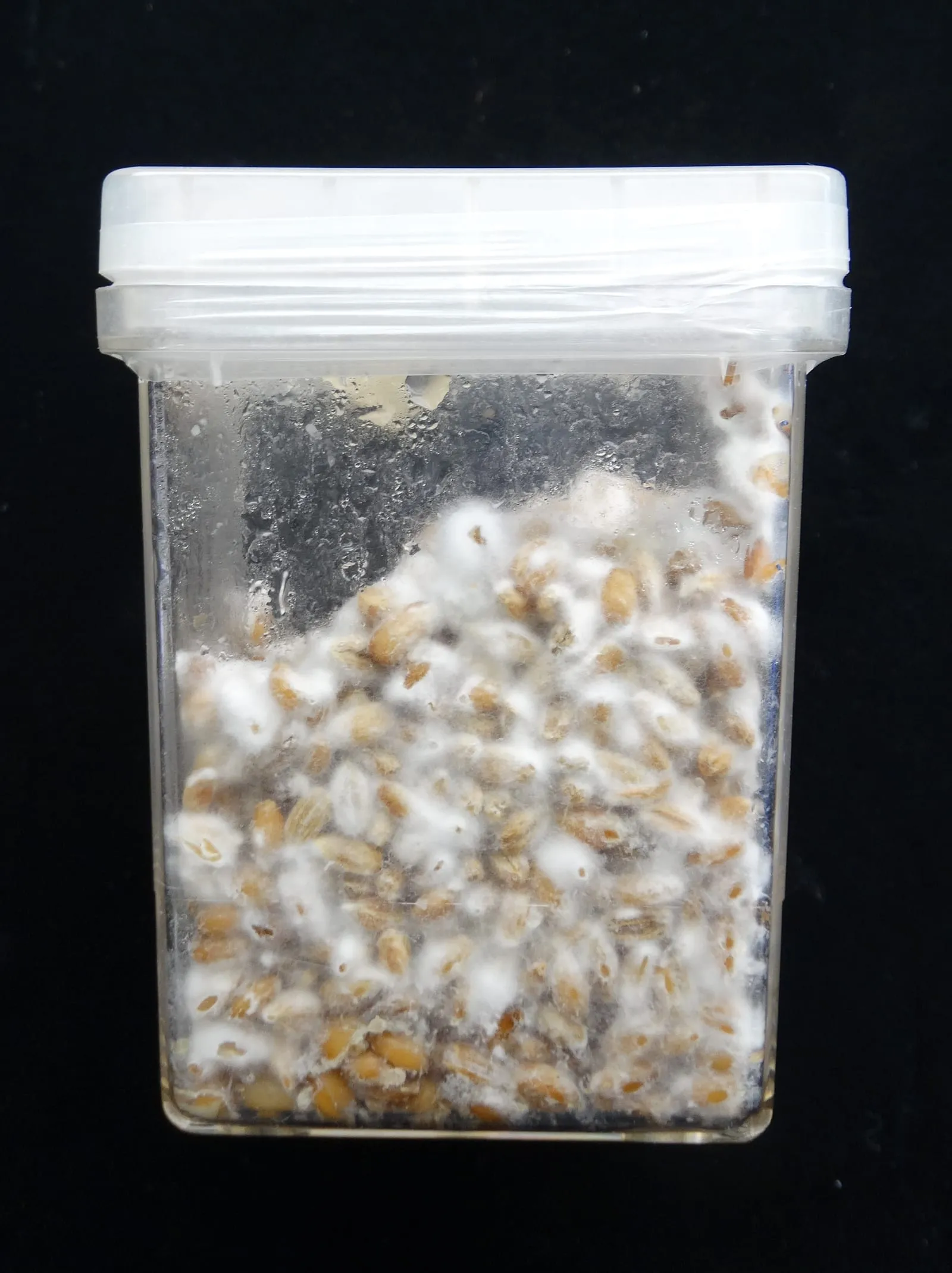
Zone 7a's high humidity elevates the risk of Fusarium wilt, a soil-borne fungal pathogen that causes sudden wilting and root discoloration. Rotating beets out of any bed where they (or spinach, chard, or other chenopods) were grown in the past three years reduces inoculum buildup significantly. Raised beds with sharp drainage lower infection risk further.
To extend the spring harvest window before heat pressure builds, mulching with 2 to 3 inches of straw or shredded leaves moderates soil temperature and keeps roots from developing off-flavors. In warm springs where soil temperatures climb quickly, shade cloth rated at 30 to 40 percent can buy an additional week or two of quality production. Bull's Blood and Golden tend to show slightly better heat tolerance than Detroit Dark Red, which is worth noting when planning late-spring plantings in warmer parts of the zone.
Frequently asked questions
- Can beets survive a freeze in zone 7a?
Established beet plants tolerate light frost down to around 28°F without significant damage, and a brief hard frost may actually sweeten the roots. Prolonged temperatures below 25°F will kill the tops, though roots left in the ground with heavy mulch can sometimes survive into early winter in zone 7a.
- Why do my beets get tough and bitter in zone 7a summers?
High soil temperatures, consistently above 75°F, cause beet roots to lignify and develop harsh flavor compounds. Zone 7a summers push well past that threshold from June through August. The fix is to avoid summer planting entirely and concentrate beet production in the spring and fall windows.
- Which beet variety is best for zone 7a?
Chioggia and Golden both handle zone 7a conditions well and offer mild, sweet flavor with less bleeding than red varieties. Detroit Dark Red remains the most reliable all-purpose choice for spring planting. Bull's Blood is worth growing primarily for its ornamental foliage, with roots harvested young for best flavor.
+−
+−
+−
Beet in adjacent zones
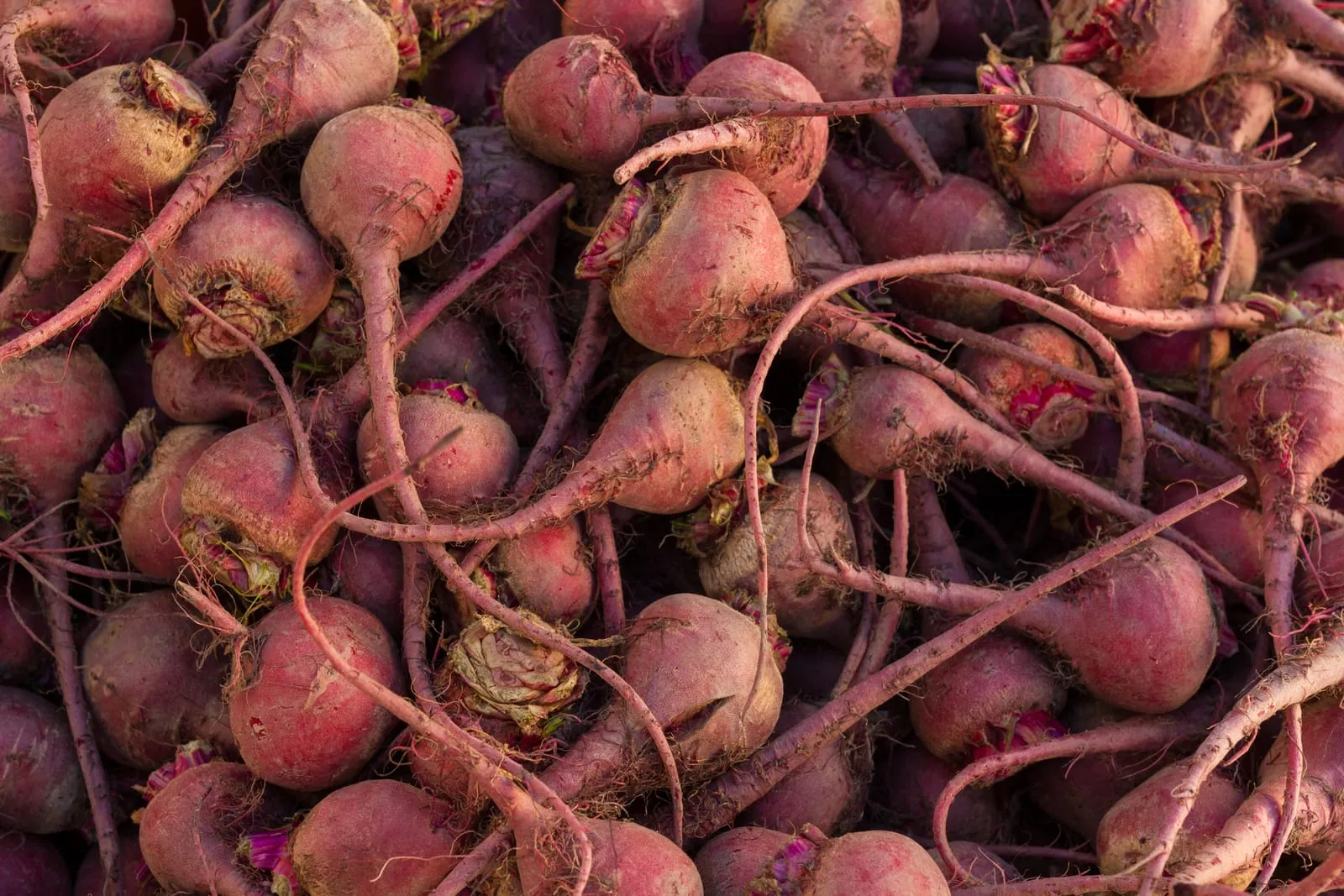
Image: "Beta vulgaris, San Francisco farmers market", by Frank Schulenburg, via Wikimedia Commons, licensed under CC0 Source.

Related