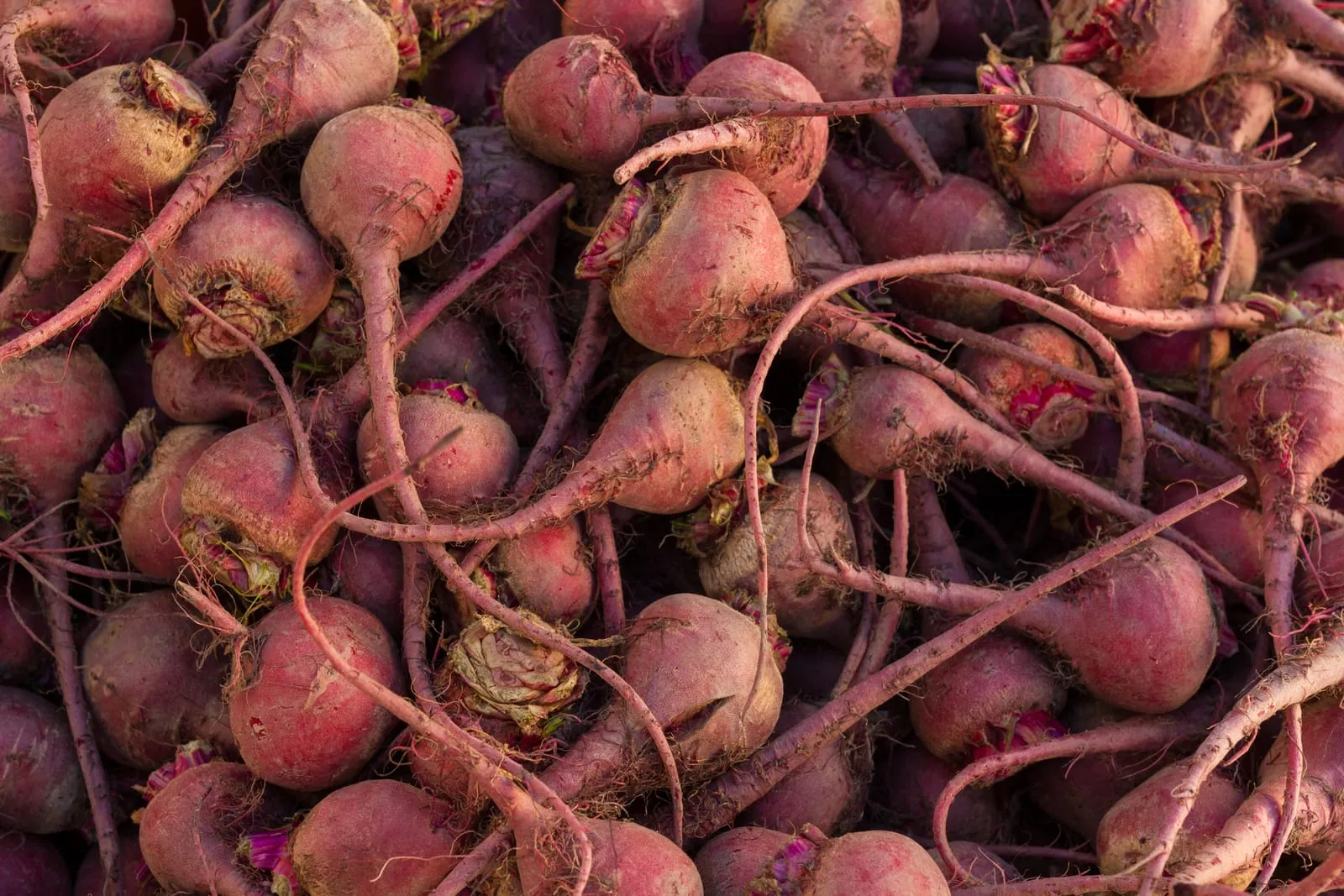
vegetable in zone 7b
Growing beet in zone 7b
Beta vulgaris
- Zone
- 7b 5°F to 10°F
- Growing season
- 220 days
- Suitable varieties
- 4
- Days to harvest
- 55 to 70
The verdict
Beet is a cool-season annual with no chill-hour requirement, so zone suitability is determined by temperature windows rather than winter cold accumulation. Zone 7b is a solid fit. The 220-day growing season comfortably supports two separate beet crops each year: a spring planting and a fall planting, with a gap through the hottest summer weeks when heat causes bolting and woody root development.
The 5 to 10°F winter minimum in zone 7b is cold enough to vernalize overwintered plants (which triggers bolting in the second year), but spring and fall soil temperatures stay in beet's preferred 50 to 65°F germination range long enough to get solid stands. Detroit Dark Red, Chioggia, Golden, and Bull's Blood all perform reliably in piedmont and coastal plain conditions. This is not a marginal zone; it is well within the crop's productive range, provided timing is managed to avoid the July and August heat peak.
Recommended varieties for zone 7b
4 cultivars suited to this zone, with disease-resistance and zone-fit annotations.
| Variety | Notes | Zone fit | Disease resistance |
|---|---|---|---|
| Detroit Dark Red fits zone 7b | Sweet, earthy, classic deep-red beet flavor; uniformly round dark roots. Roasting, pickling, borscht, fresh salads. Heritage 1892 variety, the home-garden standard. | | none noted |
| Chioggia fits zone 7b | Mild, sweet, less earthy; red-and-white concentric ring patterns when sliced. Fresh raw on salads, lightly roasted. Italian heirloom, ornamental and edible. | | none noted |
| Golden fits zone 7b | Mild, sweet, delicate; orange-skinned yellow-fleshed beets. Fresh, roasting, salads. Less earthy than red types, doesn't bleed onto other ingredients. | | none noted |
| Bull's Blood fits zone 7b | Earthy, sweet, intensely red; deep wine-red roots and decorative dark red foliage. Roasting, micro greens, ornamental edible. Greens valuable in their own right. | | none noted |
Critical timing for zone 7b
In zone 7b, the spring planting window opens roughly 4 to 6 weeks before the average last frost, which falls around April 10 to 20 across most of the zone. Direct sowing from late February through mid-March gives roots time to size up before daytime highs consistently exceed 75°F. Harvest runs 55 to 70 days from seeding depending on variety, placing spring harvest in May through early June.
Fall planting is often more reliable. Count back 10 weeks from the average first fall frost (typically mid-October to early November in zone 7b) and sow in late August to early September. Soil temperatures are dropping, pest pressure eases, and cool nights improve root texture and sweetness. Fall-grown beets can be left in the ground through light frosts without significant quality loss.
Common challenges in zone 7b
- ▸ Cedar-apple rust pressure heavy in piedmont
- ▸ Japanese beetles
- ▸ Brown marmorated stink bug
- ▸ Late summer disease pressure
Disease pressure to watch for
Modified care for zone 7b
The primary adjustment in zone 7b is timing discipline. Planting too late in spring means roots mature during summer heat, which produces coarse texture and off-flavors. If spring sowing slips past late March, a fall planting is a better investment than pushing through.
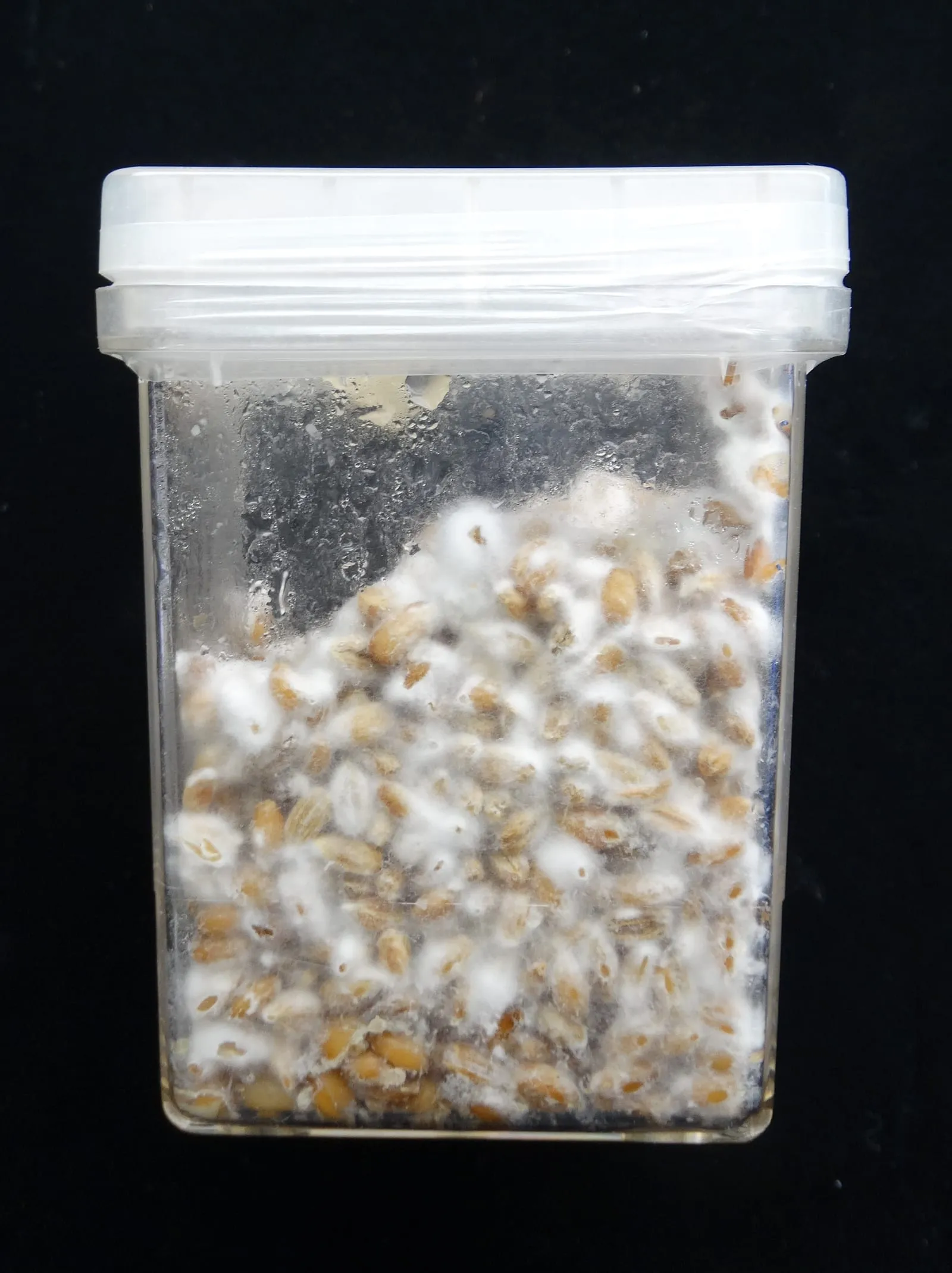
Fusarium wilt is the most relevant disease risk here. Avoid replanting beets or chard in the same bed more than once every three years, as the pathogen persists in soil. Late summer disease pressure generally is elevated in zone 7b's humid conditions, so adequate row spacing for airflow is worth the trade-off in bed density.
Japanese beetles and brown marmorated stink bugs are active during the summer gap between crops, so they rarely cause direct crop damage to beets. Row cover can protect fall seedlings from stink bug feeding while plants are young and most vulnerable to mechanical damage.
Frequently asked questions
- Can beets be grown year-round in zone 7b?
Not quite. July and August are too hot for reliable production, causing bolting and pithy roots. Spring and fall crops work well, and light winter production is possible in a cold frame or low tunnel, but full summer growing is not practical without significant shade and irrigation investment.
- Which beet varieties perform best in zone 7b's climate?
Detroit Dark Red is the standard for reliability and heat tolerance within the cool-season window. Chioggia handles variable temperatures without losing its striped pattern. Golden is worth growing in fall when longer cool stretches let it develop full sweetness. Bull's Blood is valued for its foliage and performs well in both spring and fall.
- Does Fusarium wilt affect beets differently in zone 7b?
Zone 7b's warm, humid summers favor Fusarium persistence in soil. Crop rotation is the primary control. Affected plants show wilting and internal root discoloration with no external lesions. There are no resistant commercial beet varieties currently available, so rotation is the only reliable management lever.
+−
+−
+−
Beet in adjacent zones
Image: "Beta vulgaris, San Francisco farmers market", by Frank Schulenburg, via Wikimedia Commons, licensed under CC0 Source.

Related