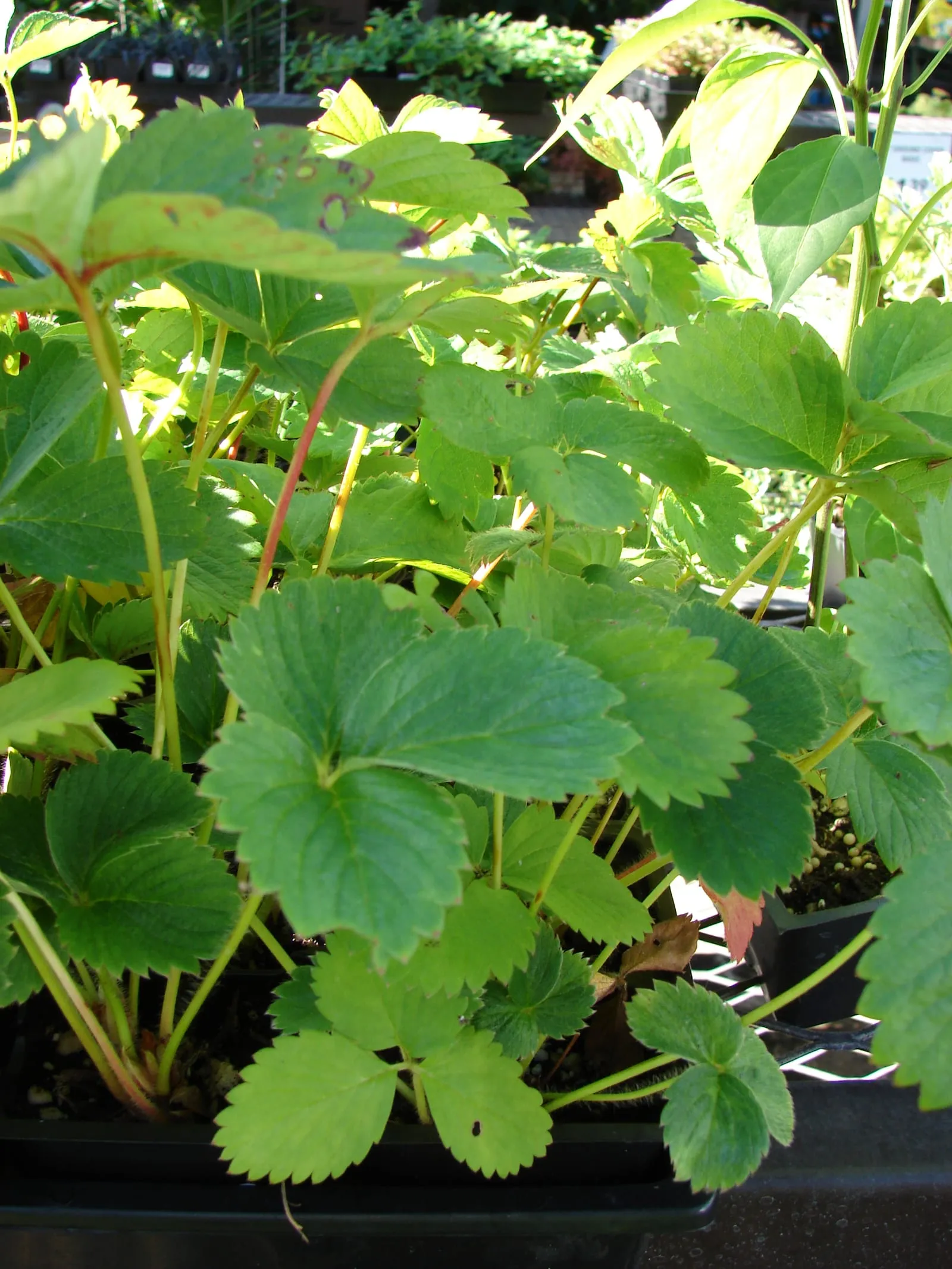
berry
Everbearing Strawberry
Fragaria x ananassa
USDA hardiness range
- Zones
- 3b–9a
- Days to harvest
- 28 to 35
- Sun
- Full
- Water
- Moderate
- Lifespan
- 2 to 3 years before renovation
Growing everbearing strawberry
Everbearing strawberries, specifically the day-neutral cultivars that dominate current planting recommendations, produce fruit continuously from late spring through the first hard frost rather than in a concentrated 2 to 4 week flush. That extended production window makes them more practical than June-bearing types for home growers who want steady fresh fruit across a long season, despite somewhat lower per-plant yields at any single picking.
The viable range runs from zone 3b through 9a, but performance varies considerably across that span. At the cold end (zones 3b through 5a), crown survival through winter depends on reliable mulching after the ground freezes and timely removal in spring. At the warm end (zones 8b and 9a), summer heat slows or halts production; day-neutral varieties like Seascape and Albion tolerate heat better than most, but even they produce unevenly during peak summer in these zones, as UC Davis Strawberry Production documents. The most consistently productive window is roughly zones 5b through 7b.
Three factors most often separate productive plantings from disappointing ones: drainage quality at planting time, disease management through the season, and renovation or replanting on schedule. Everbearing strawberries are shallow-rooted and intolerant of standing water. They decline faster than June-bearing types when not renovated or replaced every 2 to 3 years, as crown congestion increases disease pressure and yield drops sharply.
Recommended varieties
See all 5 →5 cultivars for home growers, with notes on flavor, ripening, and disease resistance.
| Variety | Notes | Zone fit | Disease resistance |
|---|---|---|---|
| Albion | Sweet, firm, large conical berries with intense flavor; fresh eating premium, ships well. Day-neutral, produces continuously from spring to frost. | | none noted |
| Seascape | Sweet-tart, firm, bright red large berries with balanced flavor; fresh, freezing. Day-neutral, productive in heat where many strawberries fail. | | none noted |
| Tristar | Sweet, intensely flavored, small-medium berries; fresh eating premium with classic strawberry character. Day-neutral, runners few. Excellent home-garden choice. | | none noted |
| Ozark Beauty | Sweet-tart, firm, large red berries; fresh, jam, freezing. True everbearing with two distinct crops (June and fall). Vigorous and productive. | | none noted |
| Quinault | Sweet, soft, large berries with mild flavor; fresh eating, jam. Everbearing, runner-free habit good for containers and small spaces. | | none noted |
Soil and site requirements
Well-drained loam or sandy loam with a pH of 5.5 to 6.5 is the target. Above pH 6.8, iron and manganese availability drops enough to cause interveinal chlorosis and reduced vigor. Below 5.5, aluminum toxicity becomes a concern in some soils. Test before planting and amend if needed; correcting pH after establishment is slow and imprecise.
Drainage matters more for strawberries than for most small fruits. Heavy clay soils hold water around crowns long enough to invite Phytophthora root rot, particularly in spring when soils are saturated and temperatures are still cool. Raised beds 6 to 8 inches high, or ridged rows, resolve most drainage problems on marginal sites.
Full sun is non-negotiable for productive fruiting: at least 8 hours of direct light daily. Partial shade reduces yield, lowers sugar content, and increases gray mold pressure by slowing canopy drying after rain and dew.
Spacing depends on the system. Hill systems (no runner propagation, most common for day-neutral everbearers) use 12-inch spacing in all directions. Matted-row systems space plants 18 inches apart in rows 3 to 4 feet wide. Closer spacing increases first-year yield but raises disease pressure by the second season; erring wider pays off over the life of the planting.
At the cold end of the range, a south-facing slope with good cold-air drainage extends the season and reduces winter kill compared to low-lying frost pockets in the same zone.
Common diseases
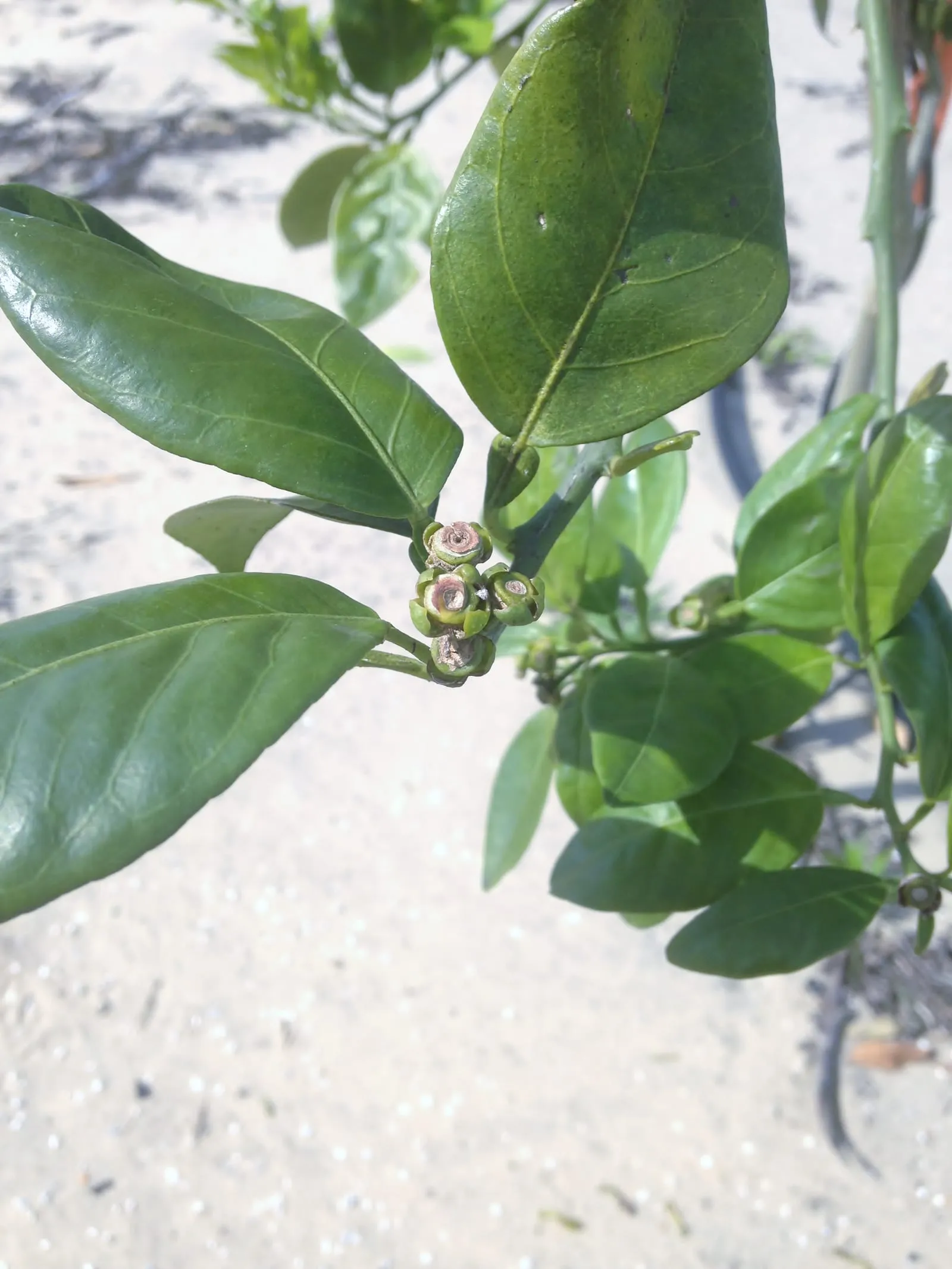
Colletotrichum acutatum
Aggressive fungal disease that causes fruit rot, crown rot, and runner lesions in strawberries, devastating during warm wet weather.
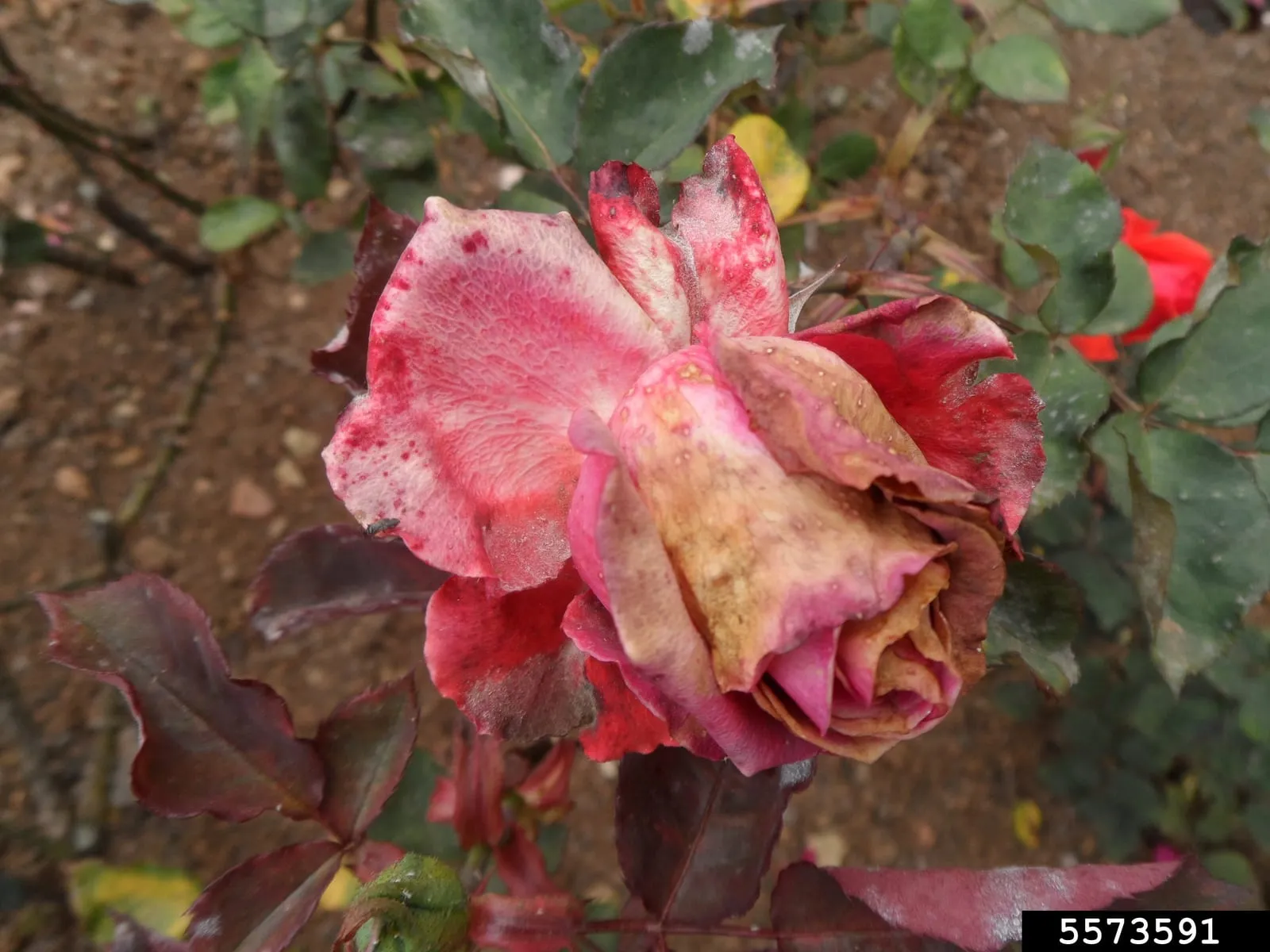
Botrytis cinerea
Ubiquitous fungal disease that causes fruit rot during cool wet weather, often the dominant berry disease in humid regions.
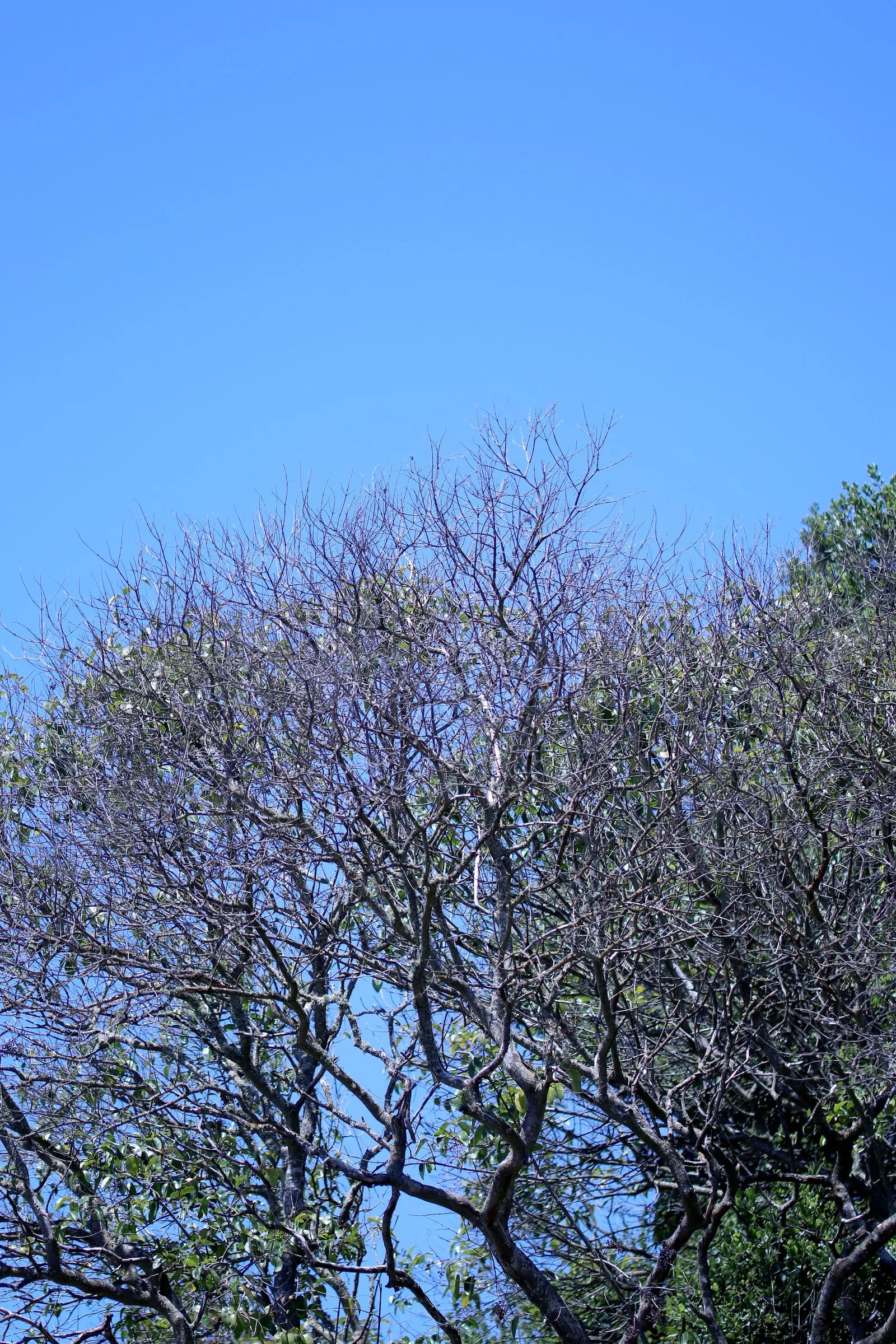
Phytophthora species
Soil-borne water mold that destroys roots in waterlogged soils, the leading cause of blueberry decline in poorly drained sites.
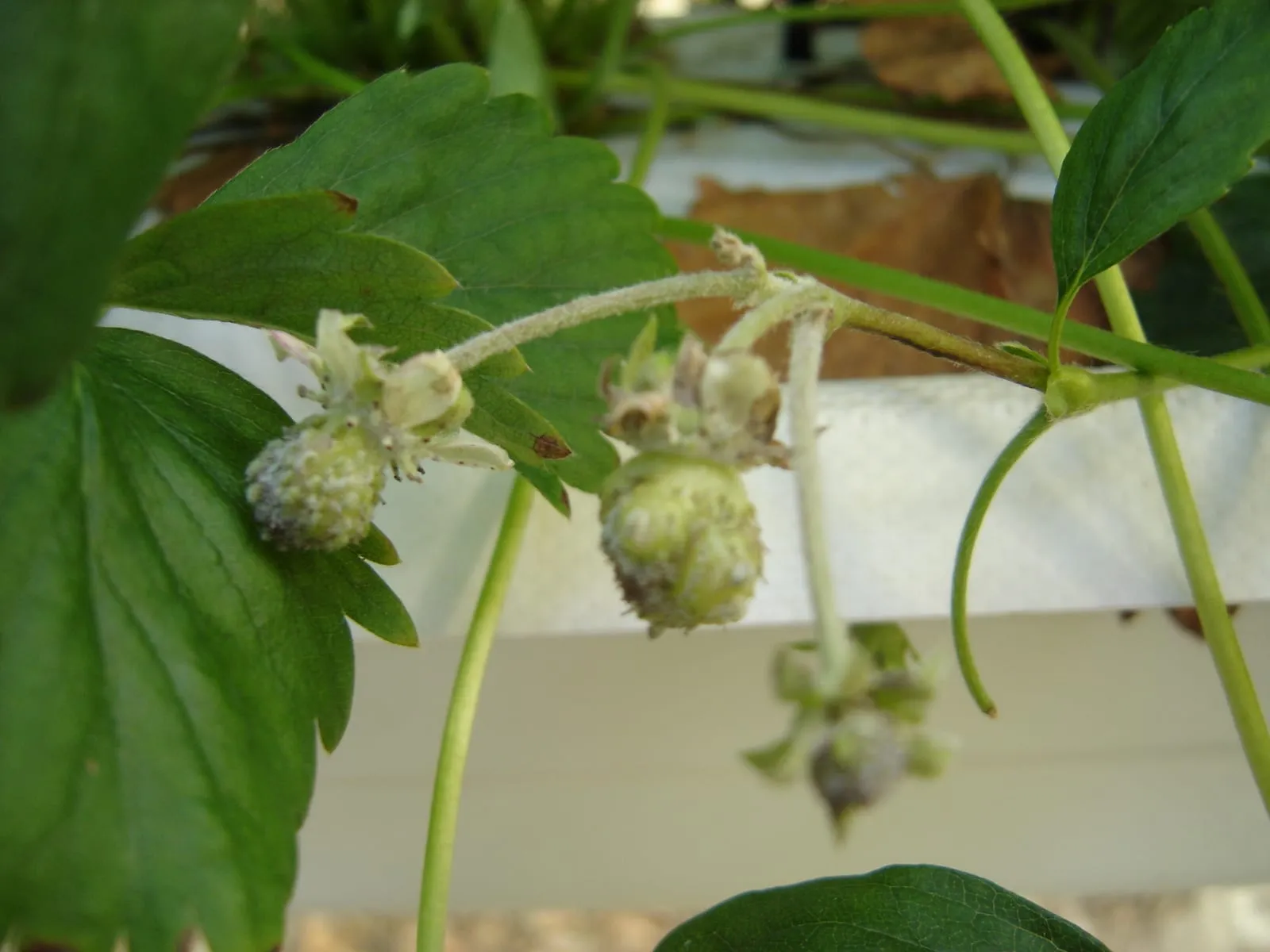
Podosphaera and Sphaerotheca species
Surface-feeding fungal disease producing white powdery growth on leaves and fruit, particularly damaging on gooseberries.
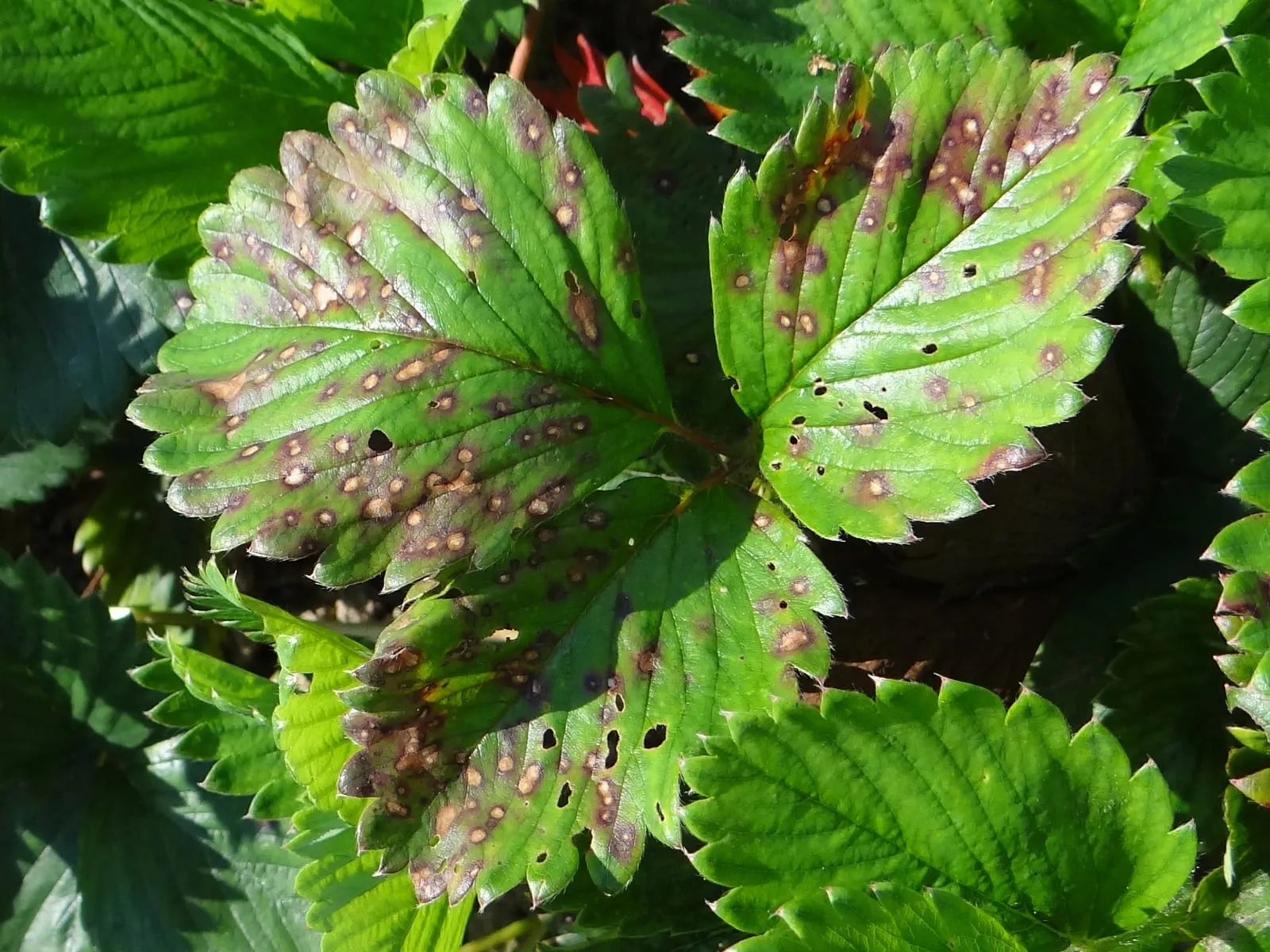
Mycosphaerella fragariae
Common fungal disease producing characteristic small purple spots with white centers on strawberry leaves.
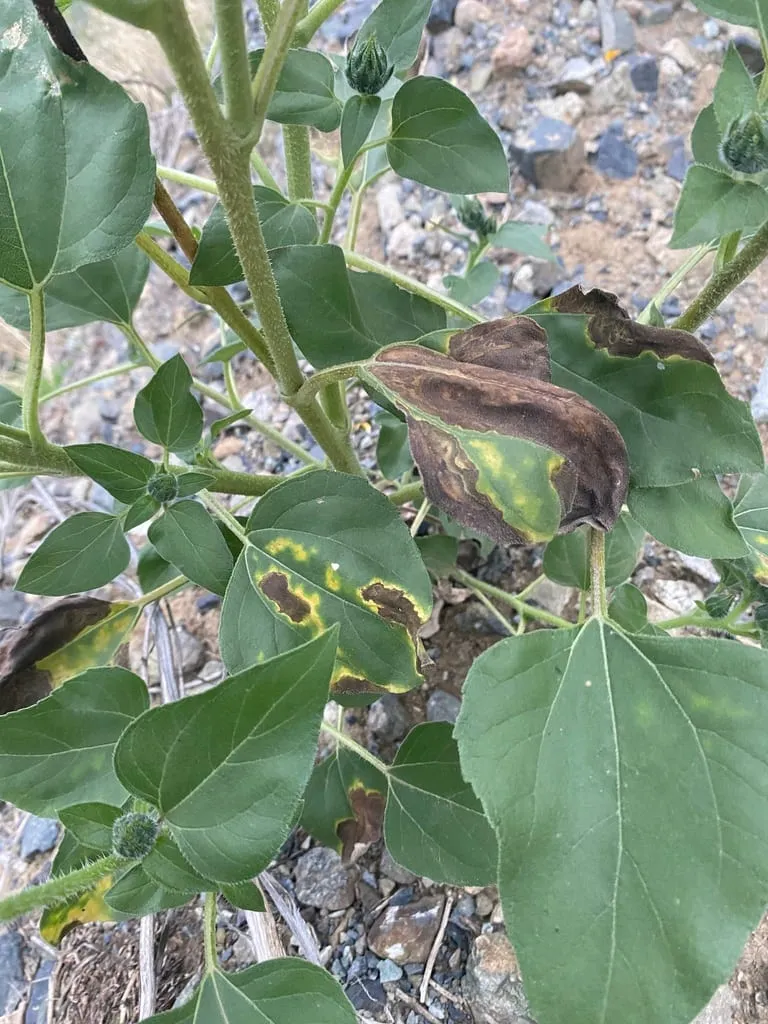
Verticillium dahliae
Soil-borne fungal disease similar to fusarium wilt but with broader host range and cooler temperature optimum. Persists in soil for 10+ years.
Common pests
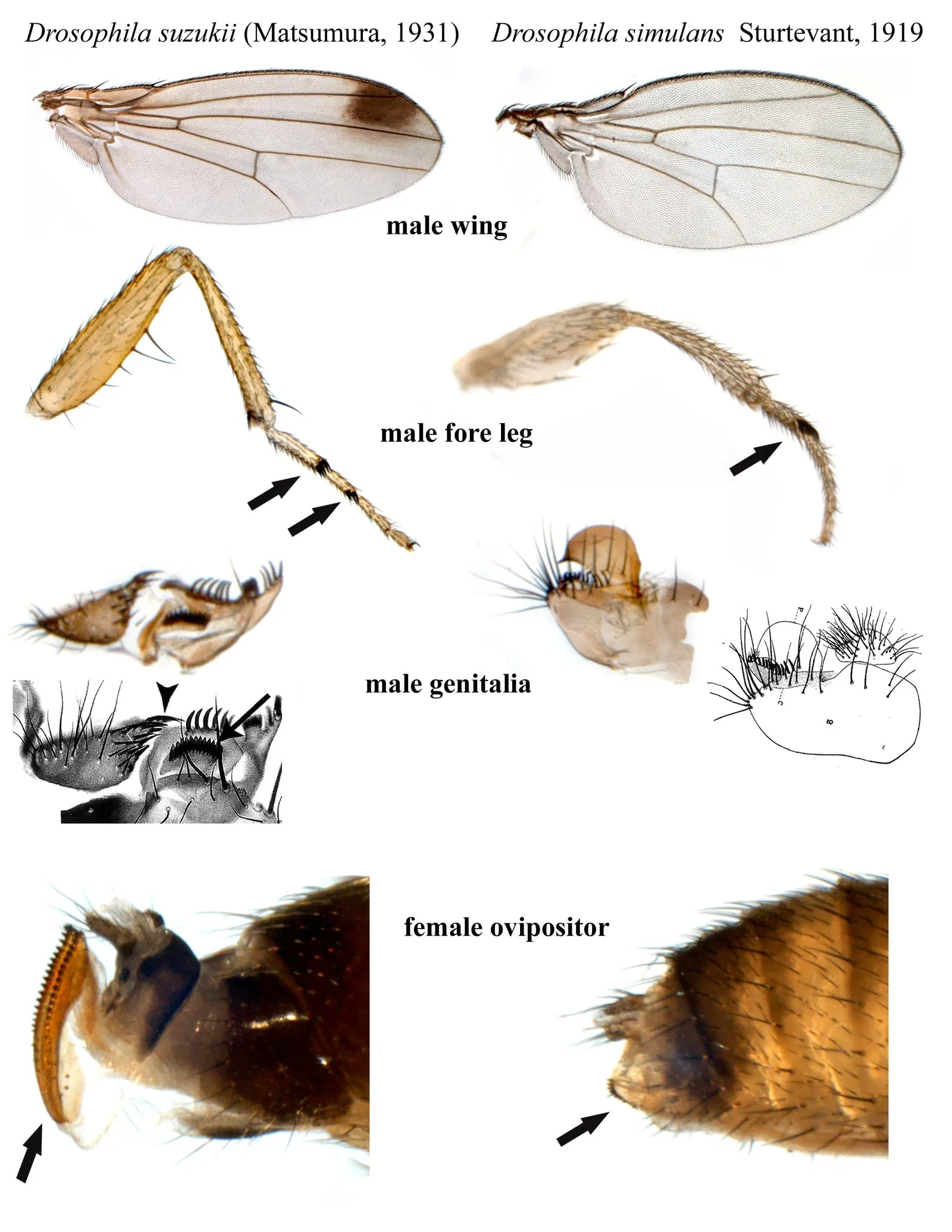
Drosophila suzukii
Invasive vinegar fly that attacks ripening soft fruit, unlike native Drosophila species which target overripe fruit. Now the dominant berry-and-cherry pest across the US.
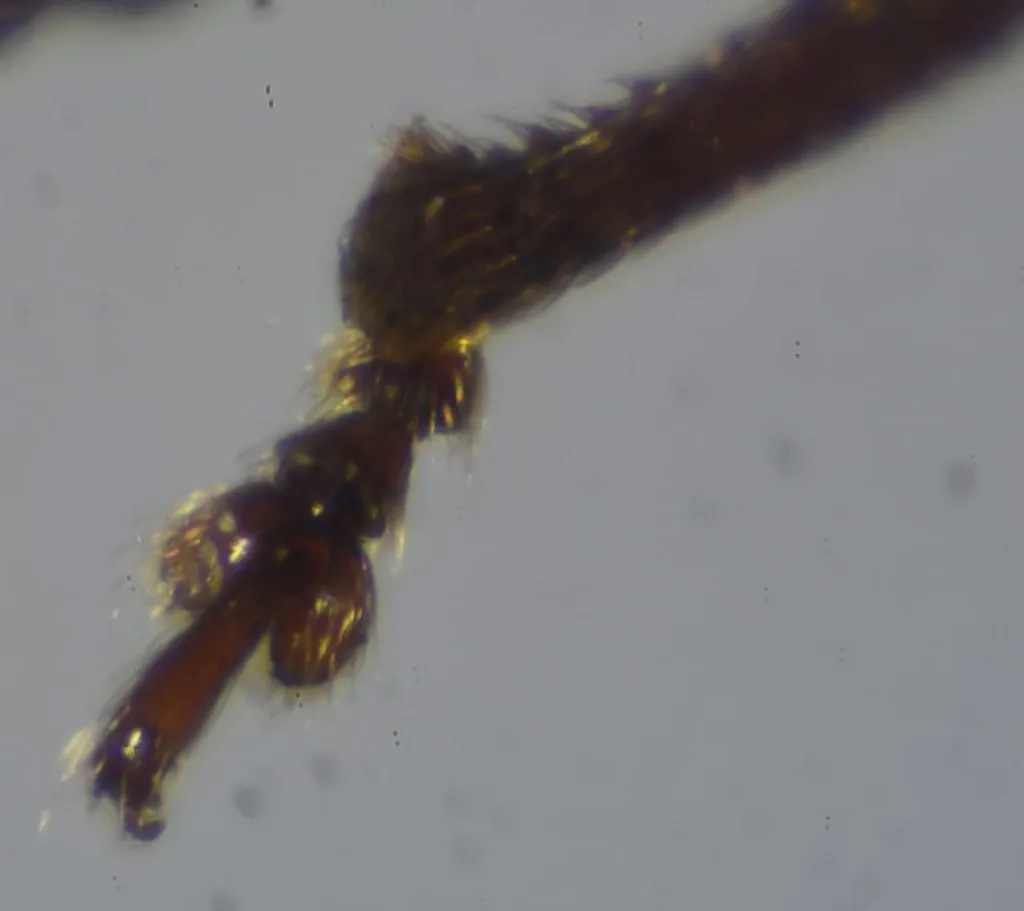
Otiorhynchus ovatus
Beetle whose larvae feed on strawberry roots and crowns, weakening or killing plants over time.
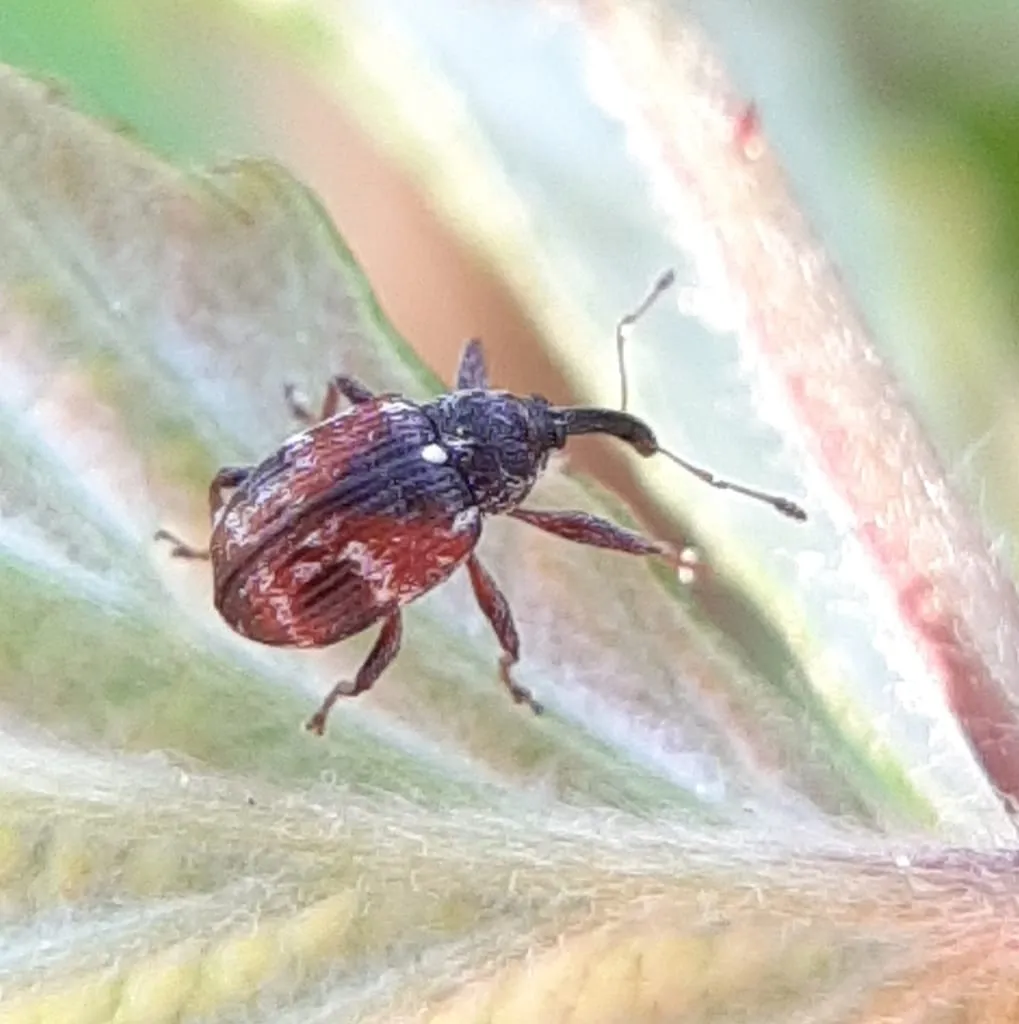
Anthonomus signatus
Weevil that lays eggs in strawberry flower buds and clips the pedicel, causing the buds to drop or hang.
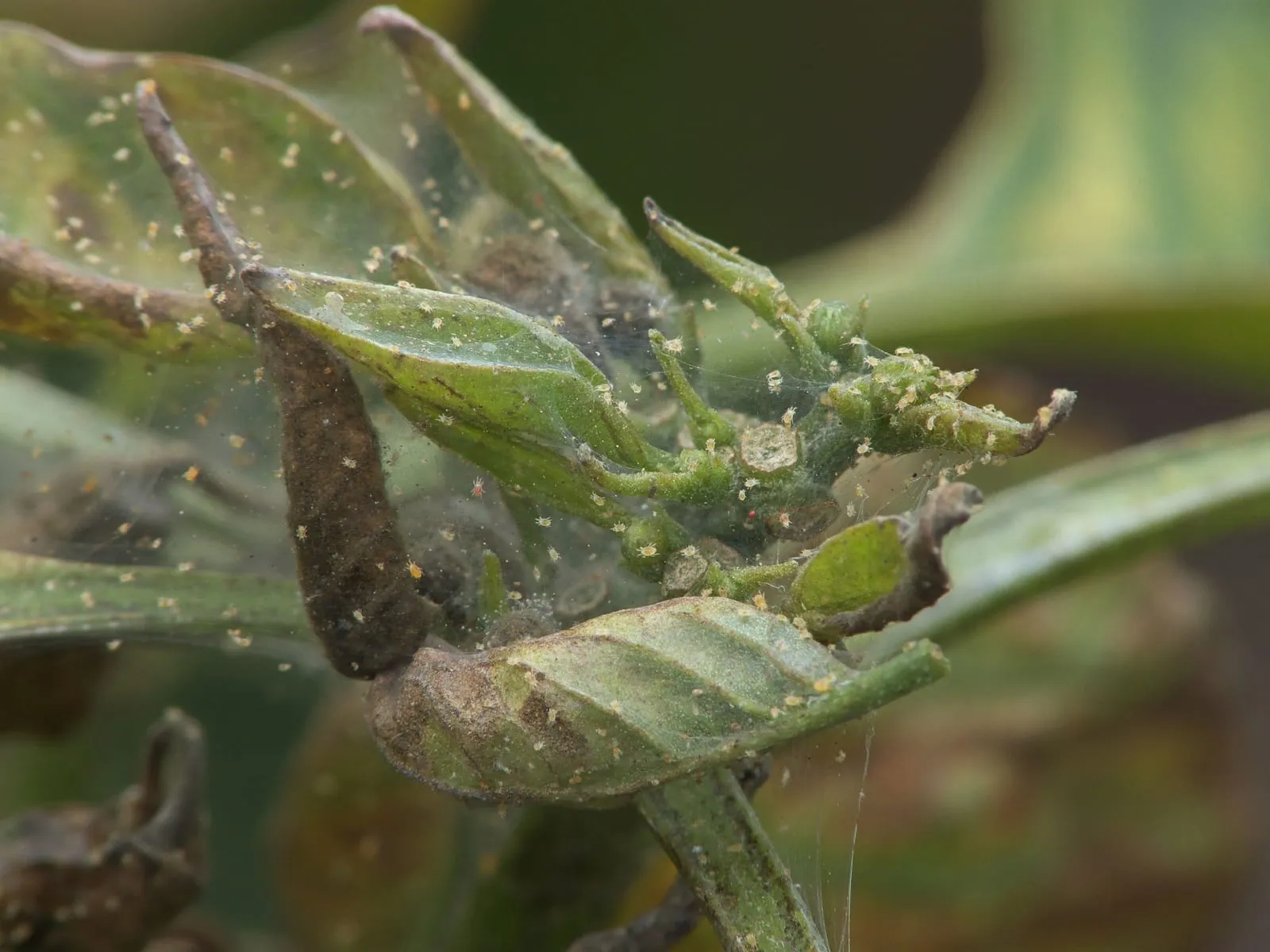
Tetranychus urticae
Tiny mite that feeds on leaf undersides, causing stippling and webbing during hot dry weather.
Multiple species
Robins, catbirds, mockingbirds, starlings, cedar waxwings and other songbirds can strip ripening berry and fruit crops in days. Crows and blackbirds also damage fresh sweet corn ears in milk stage. The single biggest yield-loss factor in unprotected home plantings.
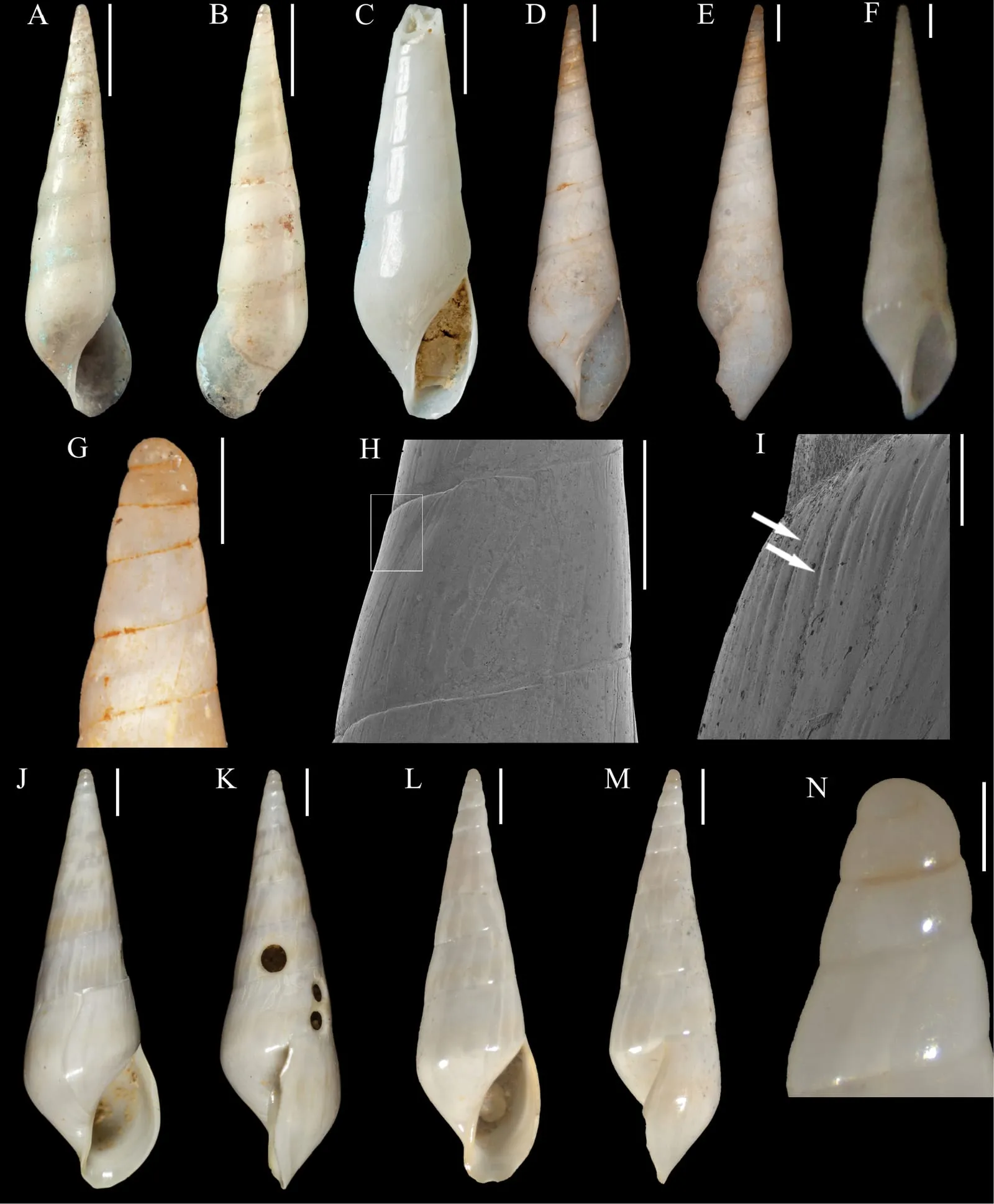
Multiple species (Gastropoda)
Soft-bodied mollusks that feed on tender leaves and seedlings primarily at night. Damaging especially in wet years and shaded mulched gardens.
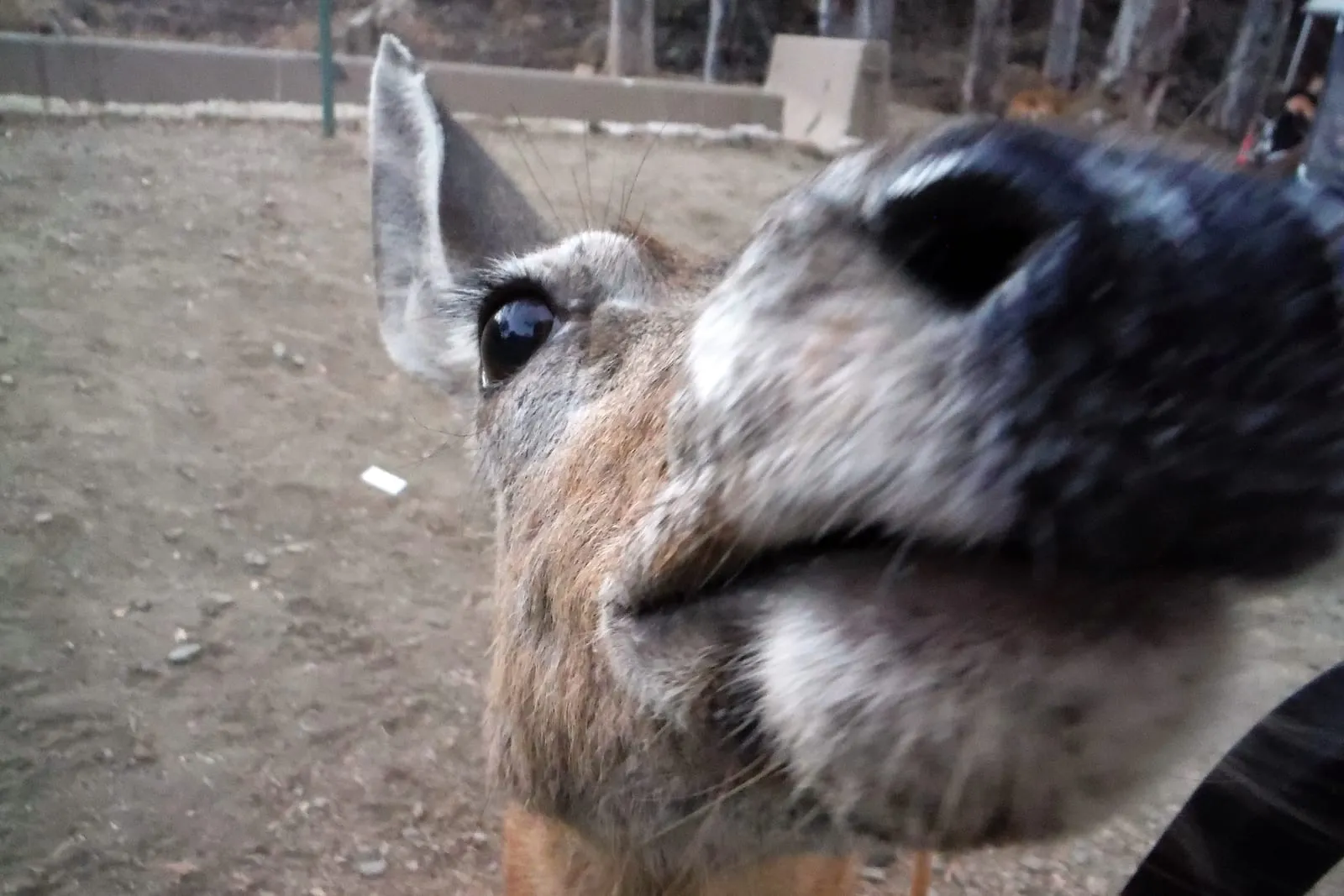
Odocoileus species
Whitetail and mule deer browse can devastate orchards and gardens, particularly in winter when food is scarce. Antler rub on young trunks kills saplings outright.
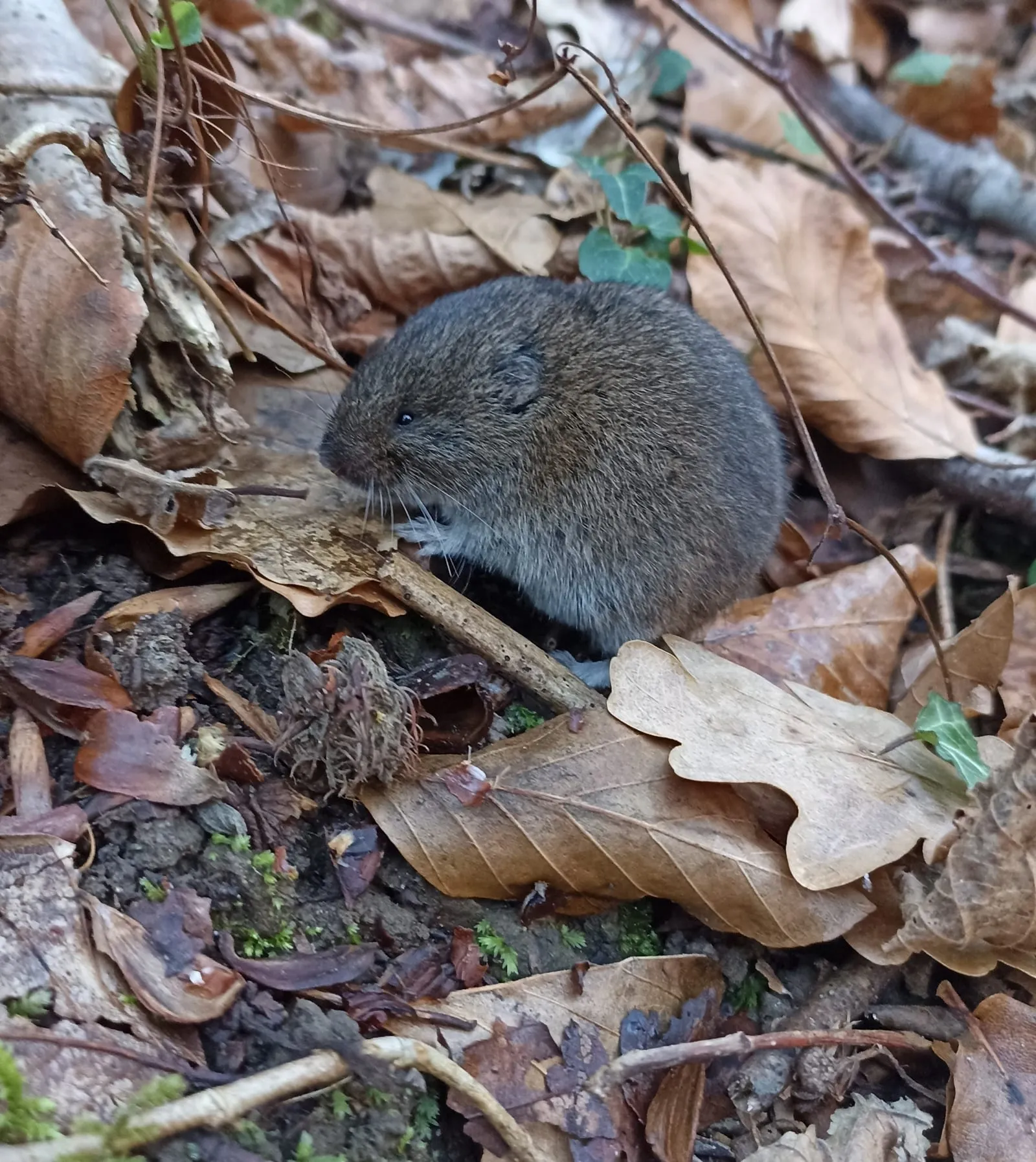
Microtus species
Field voles and meadow voles girdle young fruit-tree trunks under snow cover during winter and chew root crops. The leading cause of mysterious orchard losses.
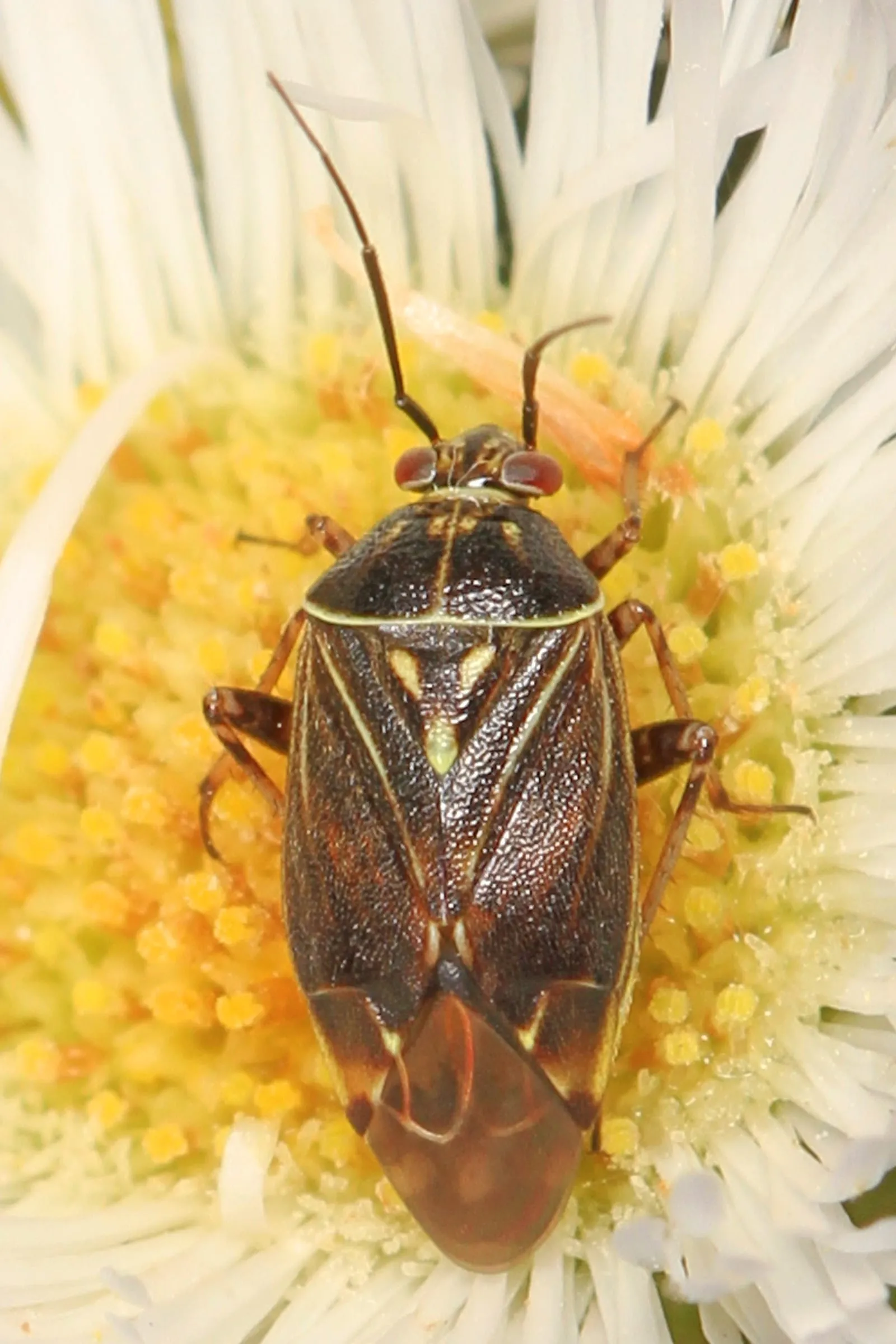
Lygus lineolaris
Mottled brown sucking bug that probes flower buds and developing fruit, causing 'cat-facing' deformities on tomato, peach, and strawberry. Wide host range and rapid generations.
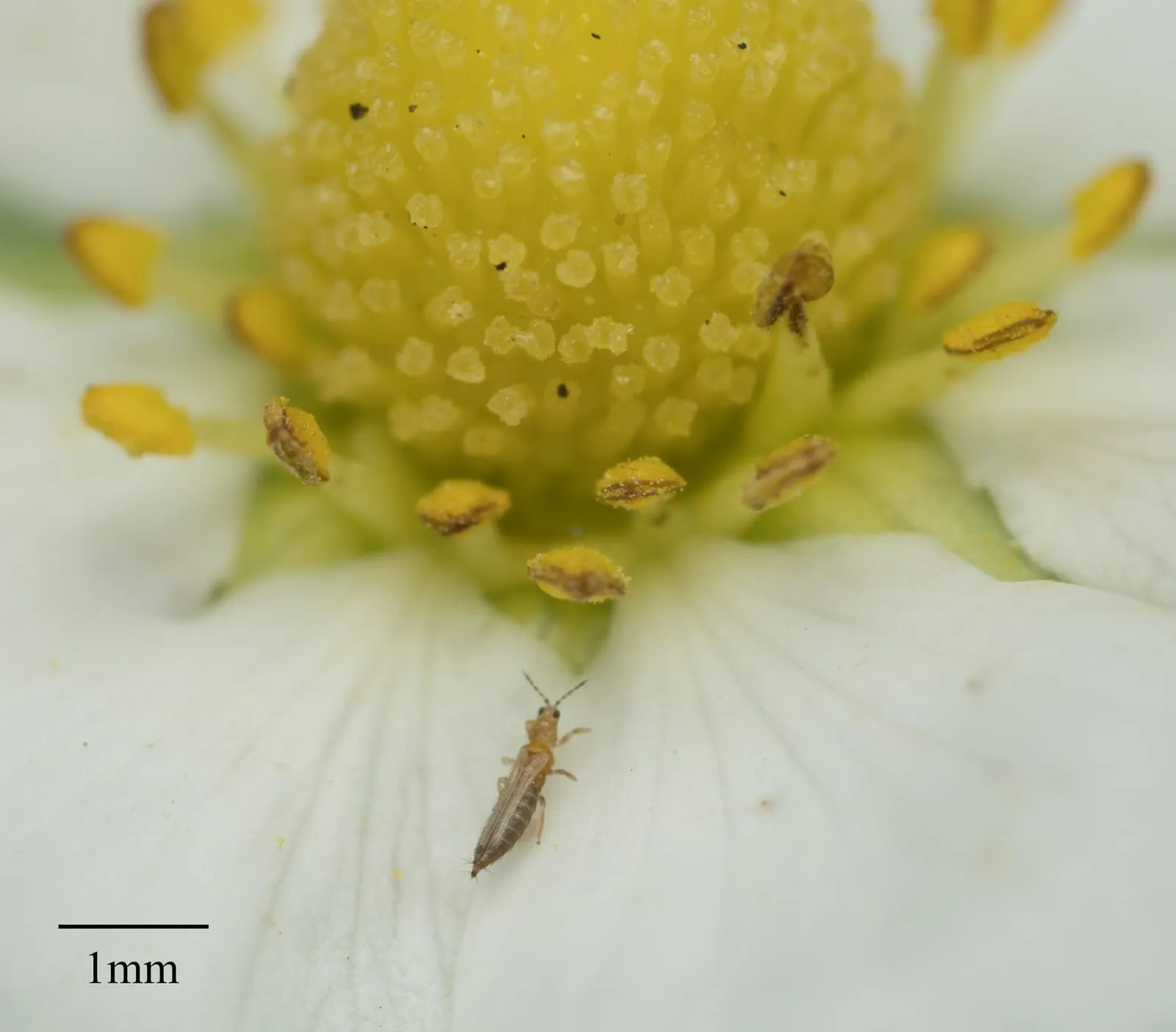
Frankliniella occidentalis
Tiny slender insect that rasps leaf and flower surfaces. The primary vector for Tomato Spotted Wilt Virus and Iris Yellow Spot Virus, which makes it more damaging through disease transmission than direct feeding.
Common challenges
Gray mold (Botrytis cinerea) is the most consistent yield problem in humid climates. Berries can be destroyed within 48 hours of wet, cool conditions, and the disease spreads rapidly once established in a row. The practical controls are cultural rather than chemical: straw mulch under plants to prevent soil splash, row spacing wide enough to allow airflow through the canopy, and removal of overripe or damaged fruit before it colonizes healthy berries. Fungicide applications at early bloom help in high-pressure years but do not substitute for these practices.
Spotted wing drosophila (SWD) has become a serious pest across most of the everbearing range since establishing in the US around 2008. Unlike common vinegar flies, SWD attacks intact ripening fruit, not overripe berries, making infestation invisible until harvest. Picking every 2 to 3 days at peak season, refrigerating promptly, and using fine-mesh exclusion netting in high-pressure areas are the most effective home-garden defenses.
The third common failure is crown and root collapse from Phytophthora root rot, typically appearing in the second year after a wet spring. In almost all cases the root cause is inadequate drainage at planting time. Plants established in poorly drained soil often look fine in year one and fail in year two as root systems weaken. Raised beds with organically amended soil prevent this reliably; no cultivar offers meaningful resistance once crowns are sitting in waterlogged ground.
Companion plants
Frequently asked questions
- Do everbearing strawberries require a certain amount of winter chilling to fruit?
Day-neutral everbearing varieties have been selected for significantly lower chilling requirements than standard June-bearing types, which often need 400 to 1,200 hours below 45°F. This reduced requirement is what enables continuous fruiting through the growing season rather than a single spring flush. In zones 3b through 5a, plants receive more than adequate chilling and need mulch protection to prevent crown damage, not additional cold exposure.
- How many days does it take from flowering to harvest?
Everbearing strawberries typically ripen 28 to 35 days after flowers open. First-year plants are often pinched back in early summer to direct energy into root development; expect full production in the second season. Once established, the harvest window runs from late spring through the first hard frost.
- What USDA hardiness zones support everbearing strawberries?
Everbearing strawberries are productive across zones 3b through 9a. The most consistently high-yield window is zones 5b through 7b. In zones 3b to 5a, reliable mulching after the ground freezes and timely removal in spring are required for crown survival. In zones 8b and 9a, summer heat slows production markedly during peak summer even in heat-tolerant varieties like Seascape and Albion.
- Are everbearing strawberries self-fertile?
Yes. Fragaria x ananassa is self-fertile and does not require a separate pollinator variety to set fruit. Pollination by bees and other insects improves fruit size and uniformity considerably, however. Plantings under exclusion netting (often used to manage spotted wing drosophila) may show reduced fruit size and more misshapen berries unless hand-pollination or pollinator access is provided.
- What is the most common disease affecting everbearing strawberries?
Gray mold (Botrytis cinerea) is the most frequent yield problem, especially in humid climates and during cool, wet springs and falls. It can destroy ripening berries within 48 hours under favorable conditions. Straw mulch, wide row spacing, and prompt removal of damaged fruit are the primary management tools. Fungicide applications at early bloom are used in high-pressure situations.
- How long do everbearing strawberry plants remain productive?
Productive lifespan is typically 2 to 3 years before renovation or full replanting is necessary. Crown congestion and disease accumulation reduce yield and fruit quality progressively after year two. Many intensive home growers treat day-neutral everbearers as annuals, planting certified disease-free stock each year to maintain consistent yields and minimize disease carryover.
- Which everbearing varieties are best for fresh eating versus preserving?
Albion and Tristar are consistently rated highest for fresh eating. Albion produces large, firm, conical berries with intense sweetness that hold up well after picking; Tristar is smaller but has a concentrated flavor that many growers prefer for eating out of hand. Seascape offers a sweet-tart balance suited to both fresh use and freezing, and outperforms the others in heat, making it the practical choice for zones 8a and warmer.
+−
+−
+−
+−
+−
+−
+−
Sources
Image: "Starr 080103-1271 Fragaria x ananassa", by Forest & Kim Starr, via Wikimedia Commons, licensed under CC-BY. Source.

Everbearing Strawberry by zone
Related