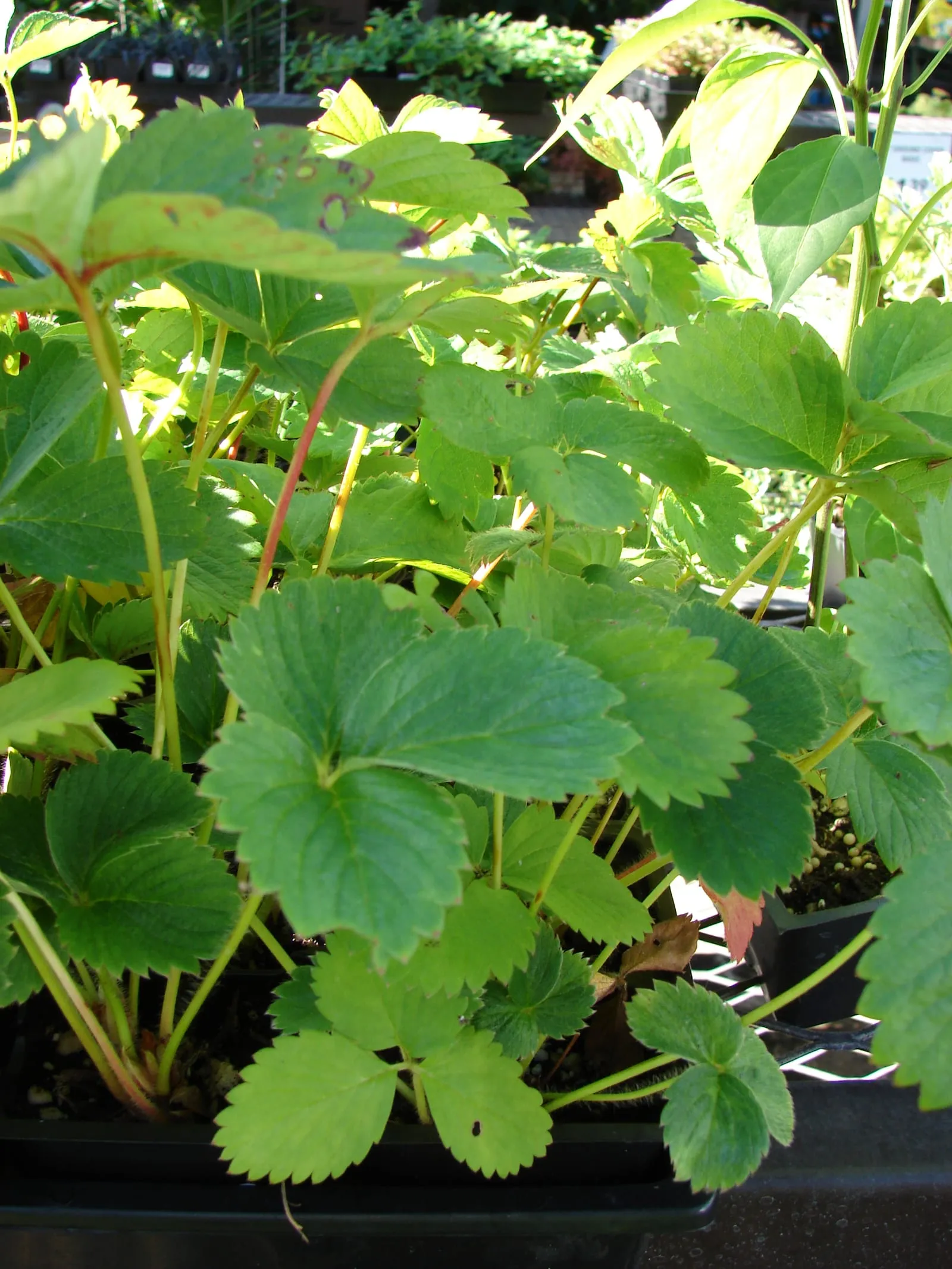
berry in zone 4a
Growing everbearing strawberry in zone 4a
Fragaria x ananassa
- Zone
- 4a -30°F to -25°F
- Growing season
- 120 days
- Suitable varieties
- 3
- Days to harvest
- 28 to 35
The verdict
Everbearing strawberries are well-suited to zone 4a, though the short growing season of roughly 120 days shapes how much they can produce. Unlike June-bearing types that stake everything on a single flush, everbearers spread their harvest across summer and into fall, which works in favor of shorter seasons. The varieties available for this zone, including Tristar, Ozark Beauty, and Quinault, have been selected for cold hardiness and can tolerate the zone's winter lows of -30 to -25°F with adequate mulching. Chill-hour accumulation is not a limiting factor here; zone 4a winters reliably provide far more than the 200 to 300 hours these varieties require. The main constraint is not cold tolerance but season length: the first fall frost can cut short the second flush before berries fully ripen. Late spring frosts are the other pressure point, since early blooms are vulnerable to damage in a zone where killing frosts can occur into late May.
Recommended varieties for zone 4a
3 cultivars suited to this zone, with disease-resistance and zone-fit annotations.
| Variety | Notes | Zone fit | Disease resistance |
|---|---|---|---|
| Tristar fits zone 4a | Sweet, intensely flavored, small-medium berries; fresh eating premium with classic strawberry character. Day-neutral, runners few. Excellent home-garden choice. | | none noted |
| Ozark Beauty fits zone 4a | Sweet-tart, firm, large red berries; fresh, jam, freezing. True everbearing with two distinct crops (June and fall). Vigorous and productive. | | none noted |
| Quinault fits zone 4a | Sweet, soft, large berries with mild flavor; fresh eating, jam. Everbearing, runner-free habit good for containers and small spaces. | | none noted |
Critical timing for zone 4a
In zone 4a, everbearing strawberries typically begin their first bloom in late May to early June, once soil temperatures stabilize above 50°F and frost risk drops. The first harvest usually falls in late June or early July. A second, often larger flush of fruit follows in August and continues into September. Growers should expect the fall harvest to be the more productive of the two in most years. The catch is that first fall frosts can arrive by late September or early October, compressing the window for the late-season crop. In years with an early frost, some berries may not reach full ripeness before temperatures drop below 28°F, the threshold where open blossoms and small green fruit suffer damage.
Common challenges in zone 4a
- ▸ Late frosts damage early bloomers
- ▸ Limited peach varieties
Disease pressure to watch for
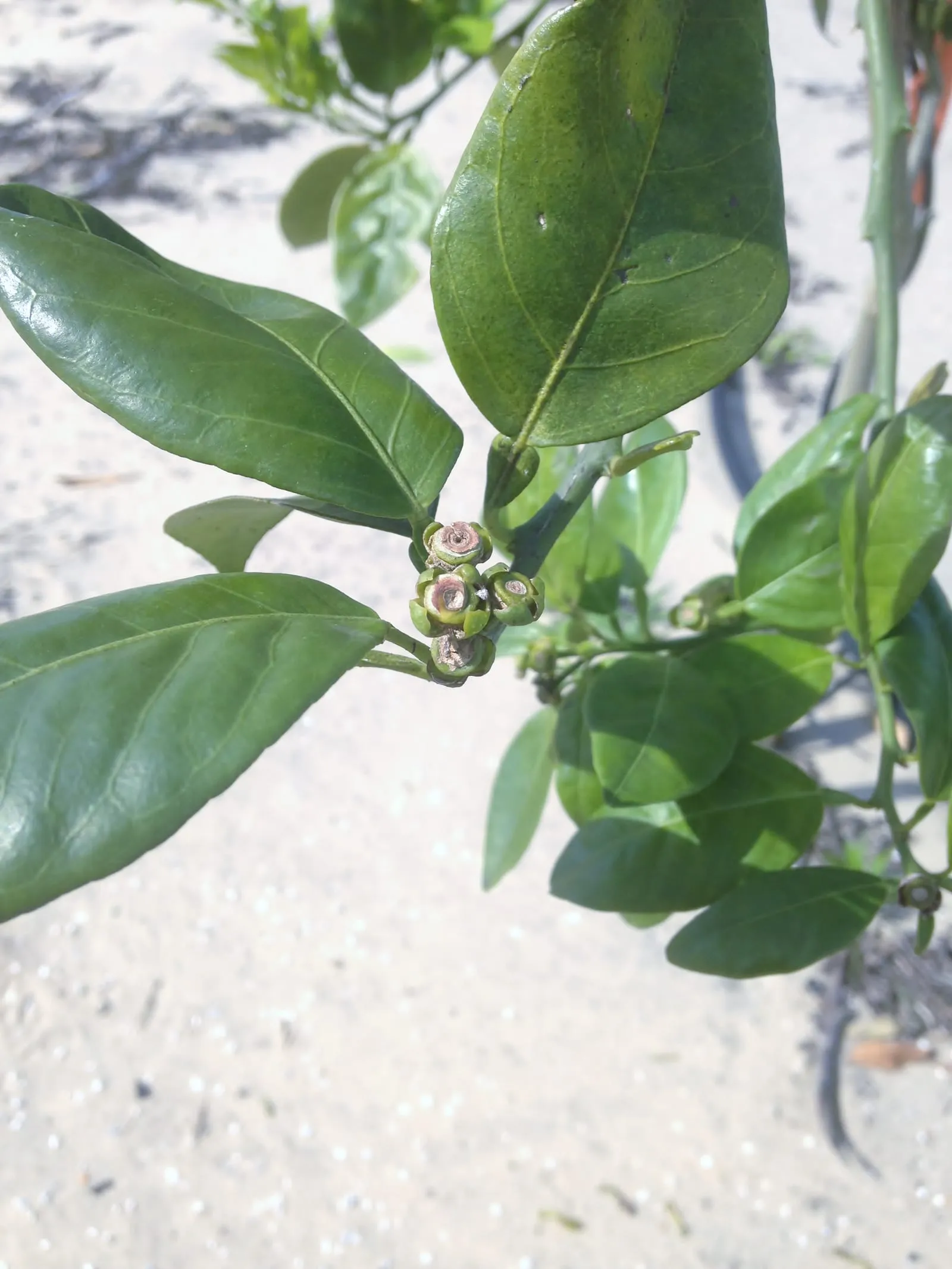
Colletotrichum acutatum
Aggressive fungal disease that causes fruit rot, crown rot, and runner lesions in strawberries, devastating during warm wet weather.
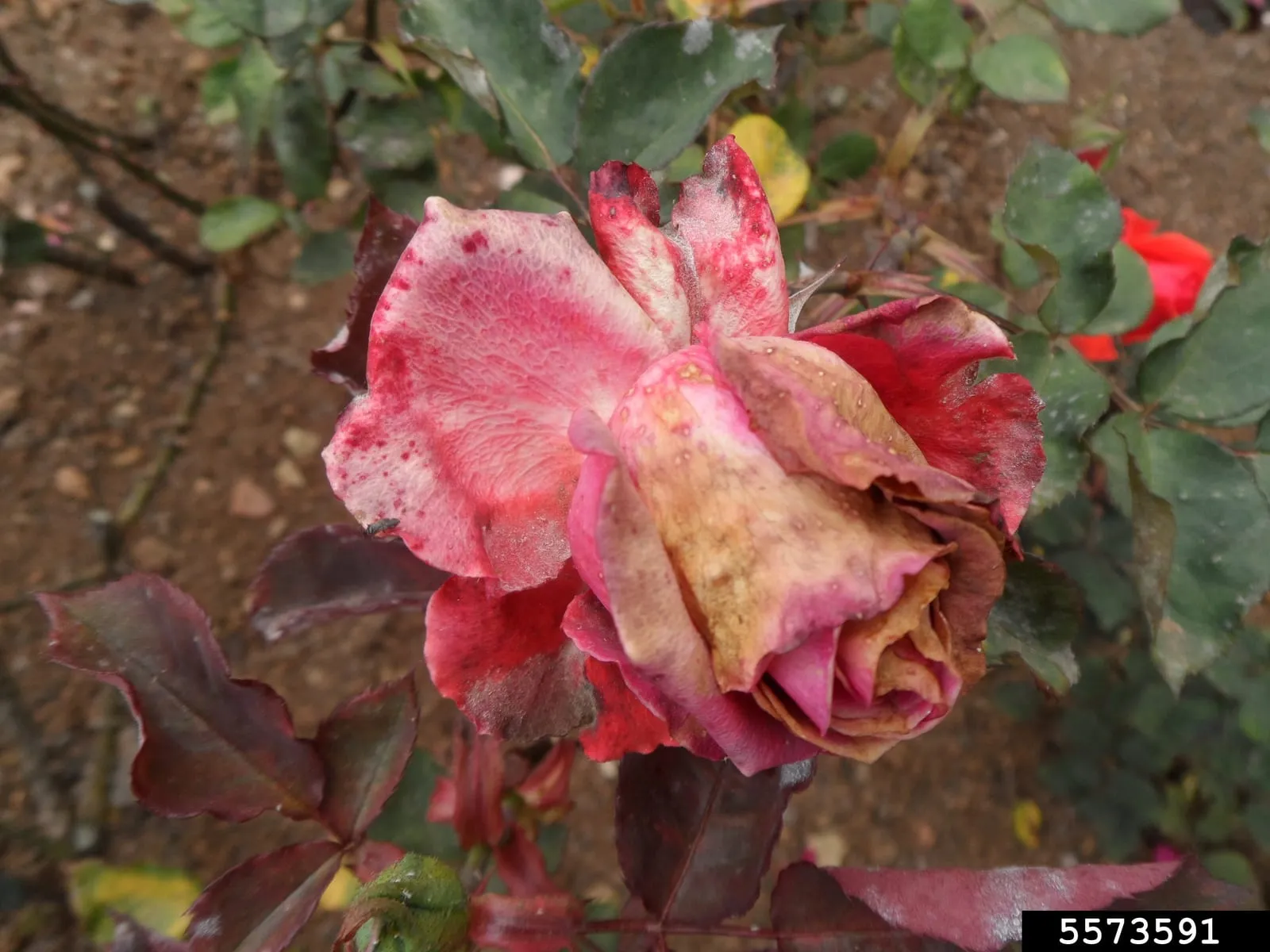
Botrytis cinerea
Ubiquitous fungal disease that causes fruit rot during cool wet weather, often the dominant berry disease in humid regions.
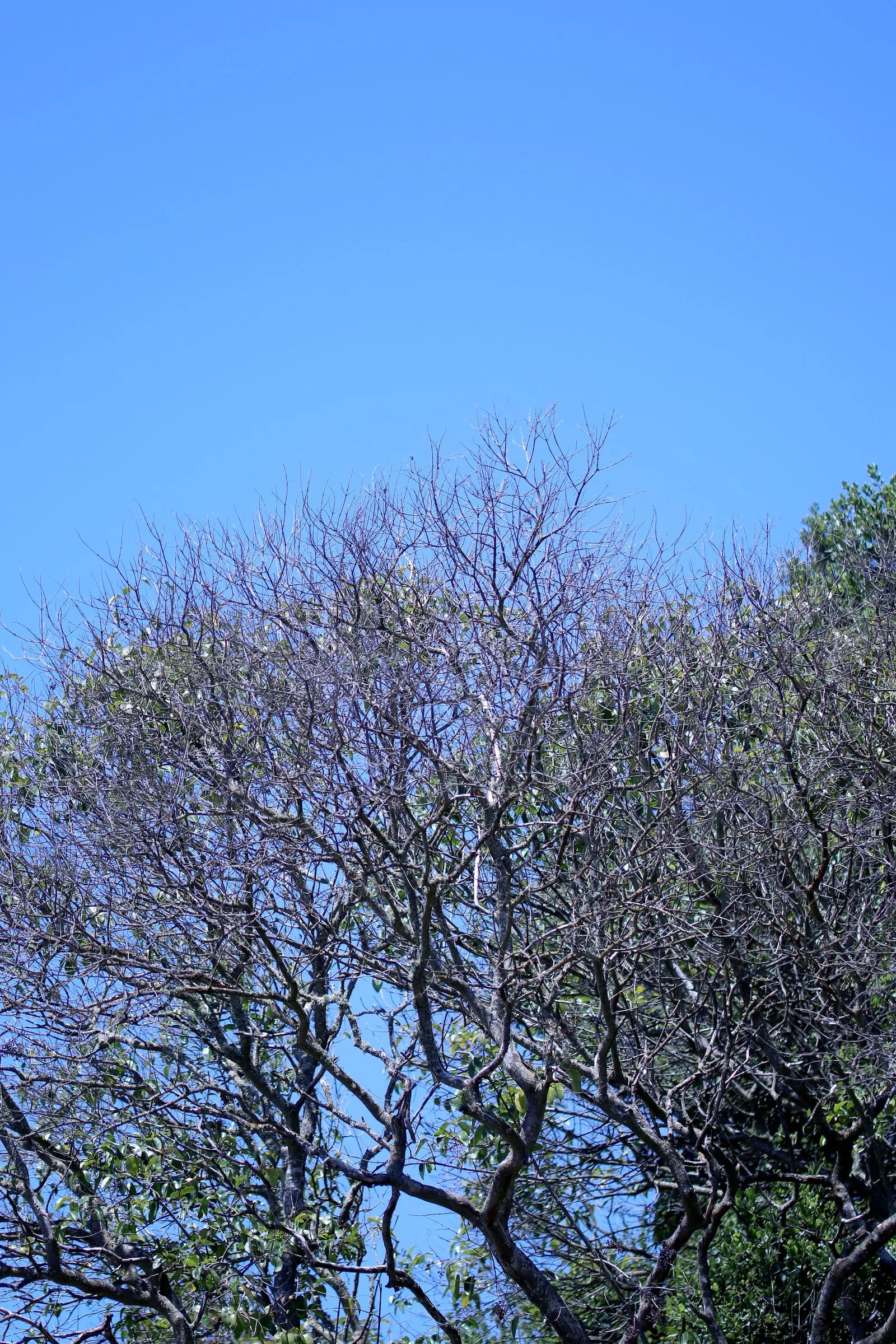
Phytophthora species
Soil-borne water mold that destroys roots in waterlogged soils, the leading cause of blueberry decline in poorly drained sites.
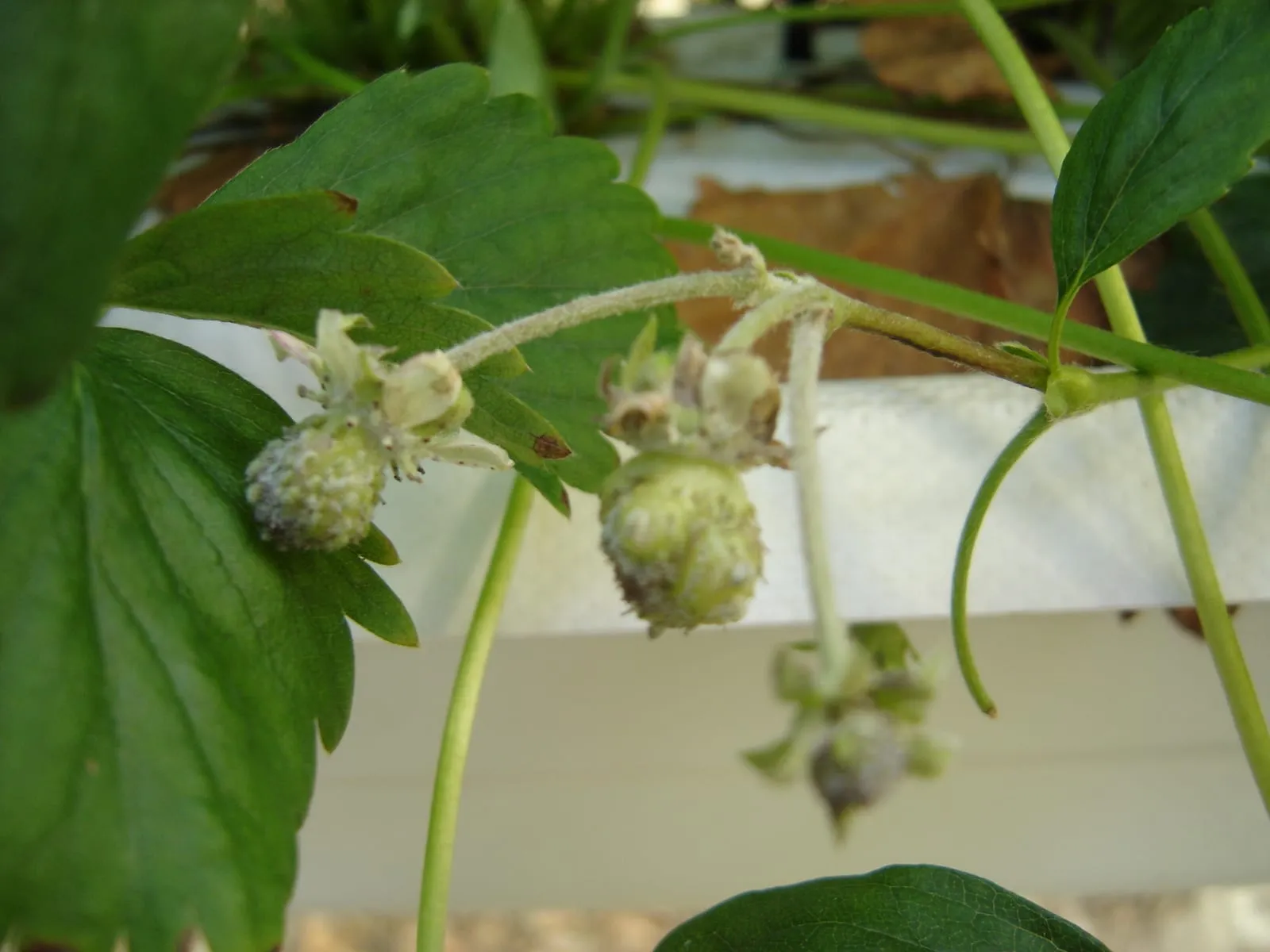
Podosphaera and Sphaerotheca species
Surface-feeding fungal disease producing white powdery growth on leaves and fruit, particularly damaging on gooseberries.
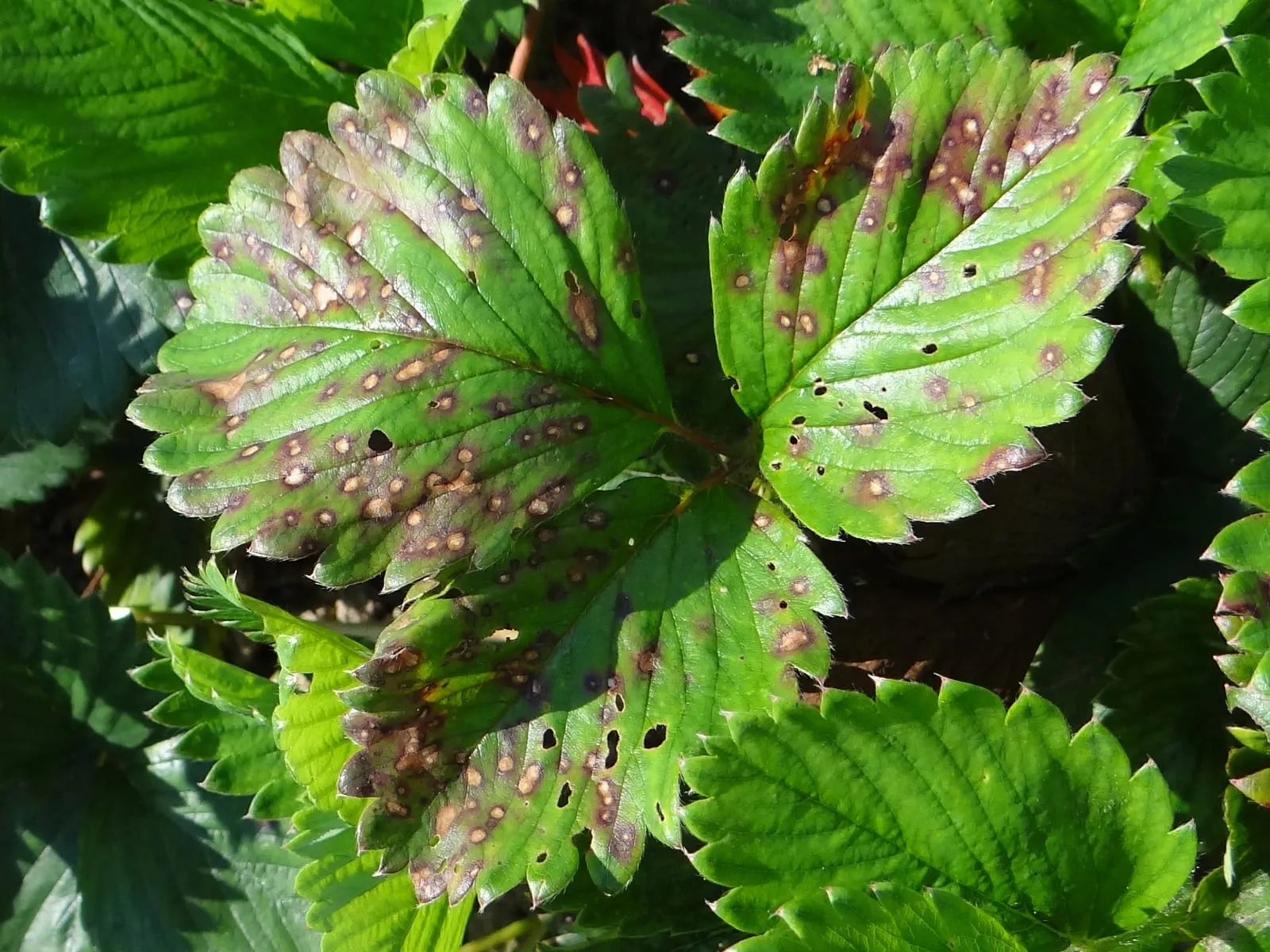
Mycosphaerella fragariae
Common fungal disease producing characteristic small purple spots with white centers on strawberry leaves.
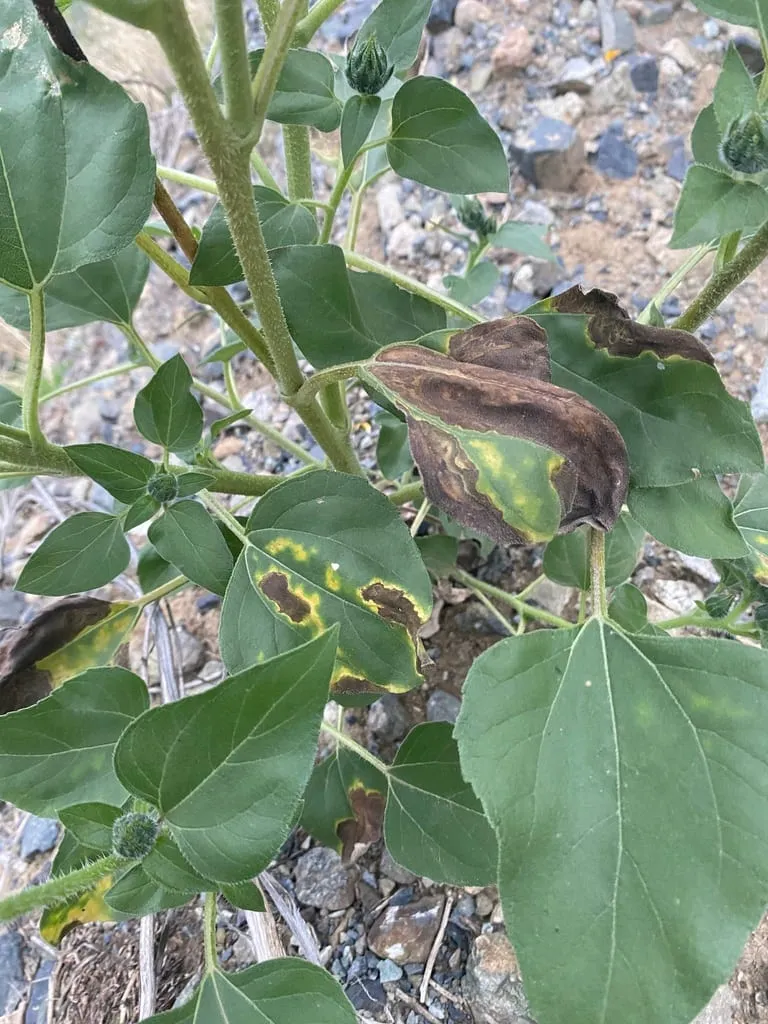
Verticillium dahliae
Soil-borne fungal disease similar to fusarium wilt but with broader host range and cooler temperature optimum. Persists in soil for 10+ years.
Modified care for zone 4a
Winter protection is non-negotiable in zone 4a. Apply 3 to 4 inches of straw mulch over the crowns after the first hard freeze, typically in October or November, and remove it in stages in spring as temperatures warm. Uncovering too early risks exposing crowns to a late frost, which can wipe out the first bloom entirely. Row covers provide a useful buffer in May during late-frost events; remove them during the day once blooms open to allow pollinator access. Gray mold (Botrytis) pressure increases in cool, wet springs, so spacing plants for airflow and avoiding overhead irrigation reduces incidence. Phytophthora root rot is a risk in heavy soils or low spots where spring snowmelt pools; raised beds or well-drained sites solve this before it starts. Avoid nitrogen-heavy fertilizing late in the season, since lush new growth heading into fall is more susceptible to frost damage.
Everbearing Strawberry in adjacent zones
Image: "Starr 080103-1271 Fragaria x ananassa", by Forest & Kim Starr, via Wikimedia Commons, licensed under CC-BY Source.

Related