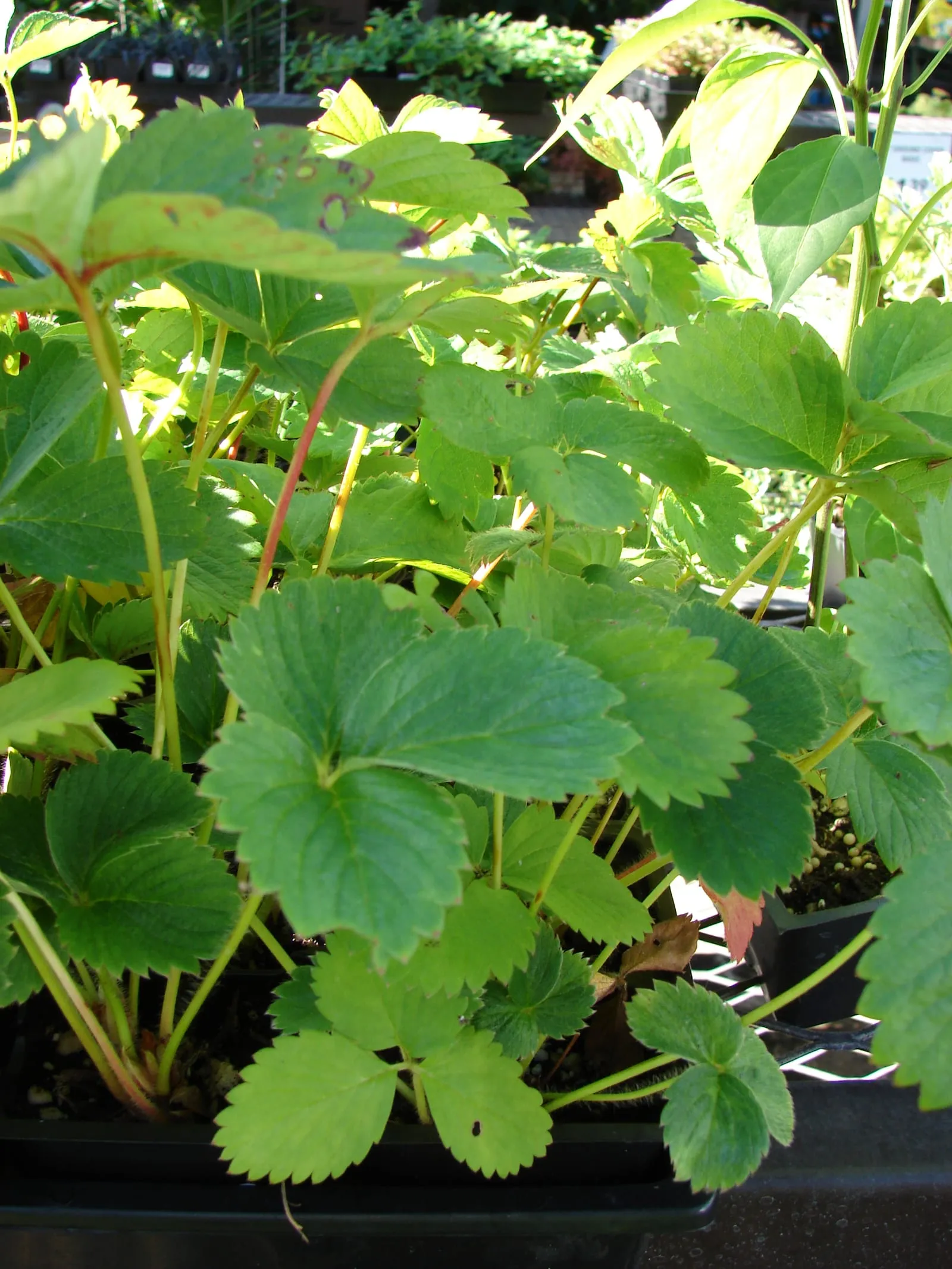
berry in zone 4b
Growing everbearing strawberry in zone 4b
Fragaria x ananassa
- Zone
- 4b -25°F to -20°F
- Growing season
- 130 days
- Suitable varieties
- 3
- Days to harvest
- 28 to 35
The verdict
Everbearing strawberries are well-suited to zone 4b, though winter crown protection is non-negotiable at temperatures reaching -25 to -20°F. Chill-hour requirements for everbearing types are modest, typically in the 200 to 300-hour range below 45°F, and zone 4b winters satisfy this threshold reliably, often exceeding it. The 130-day growing season is adequate for two productive flushes, one in early summer and a second in late summer, provided the planting site warms quickly in spring.
Tristar, Ozark Beauty, and Quinault are the varieties with the strongest track record in this temperature range; Ozark Beauty is particularly noted for cold hardiness among everbearing selections. This is not a marginal zone for the crop. The limiting factors are winter crown survival and spring frost timing, not chill hours or summer heat. Growers operating near the northern edge of zone 4b should expect crop loss in winters without adequate mulch cover.
Recommended varieties for zone 4b
3 cultivars suited to this zone, with disease-resistance and zone-fit annotations.
| Variety | Notes | Zone fit | Disease resistance |
|---|---|---|---|
| Tristar fits zone 4b | Sweet, intensely flavored, small-medium berries; fresh eating premium with classic strawberry character. Day-neutral, runners few. Excellent home-garden choice. | | none noted |
| Ozark Beauty fits zone 4b | Sweet-tart, firm, large red berries; fresh, jam, freezing. True everbearing with two distinct crops (June and fall). Vigorous and productive. | | none noted |
| Quinault fits zone 4b | Sweet, soft, large berries with mild flavor; fresh eating, jam. Everbearing, runner-free habit good for containers and small spaces. | | none noted |
Critical timing for zone 4b
The bloom window in zone 4b typically opens in mid-to-late May, after the average last frost date, though late frost events remain a real risk through the final days of May in many 4b locations. First-flush harvest generally runs from late June into mid-July. The second flush, the defining feature of everbearing types, emerges in August and can extend into September depending on when the first fall frost arrives.
The 130-day growing season gives most sites enough runway to harvest both flushes, but the margin is narrow. Row covers applied during spring bloom can reduce frost damage and protect the first flush. Avoid low-lying sites with frost pockets, as cold air drainage can compress the effective growing window by two weeks or more.
Common challenges in zone 4b
- ▸ Spring frost timing
- ▸ Apple scab pressure
- ▸ Cane berry winter dieback
Disease pressure to watch for
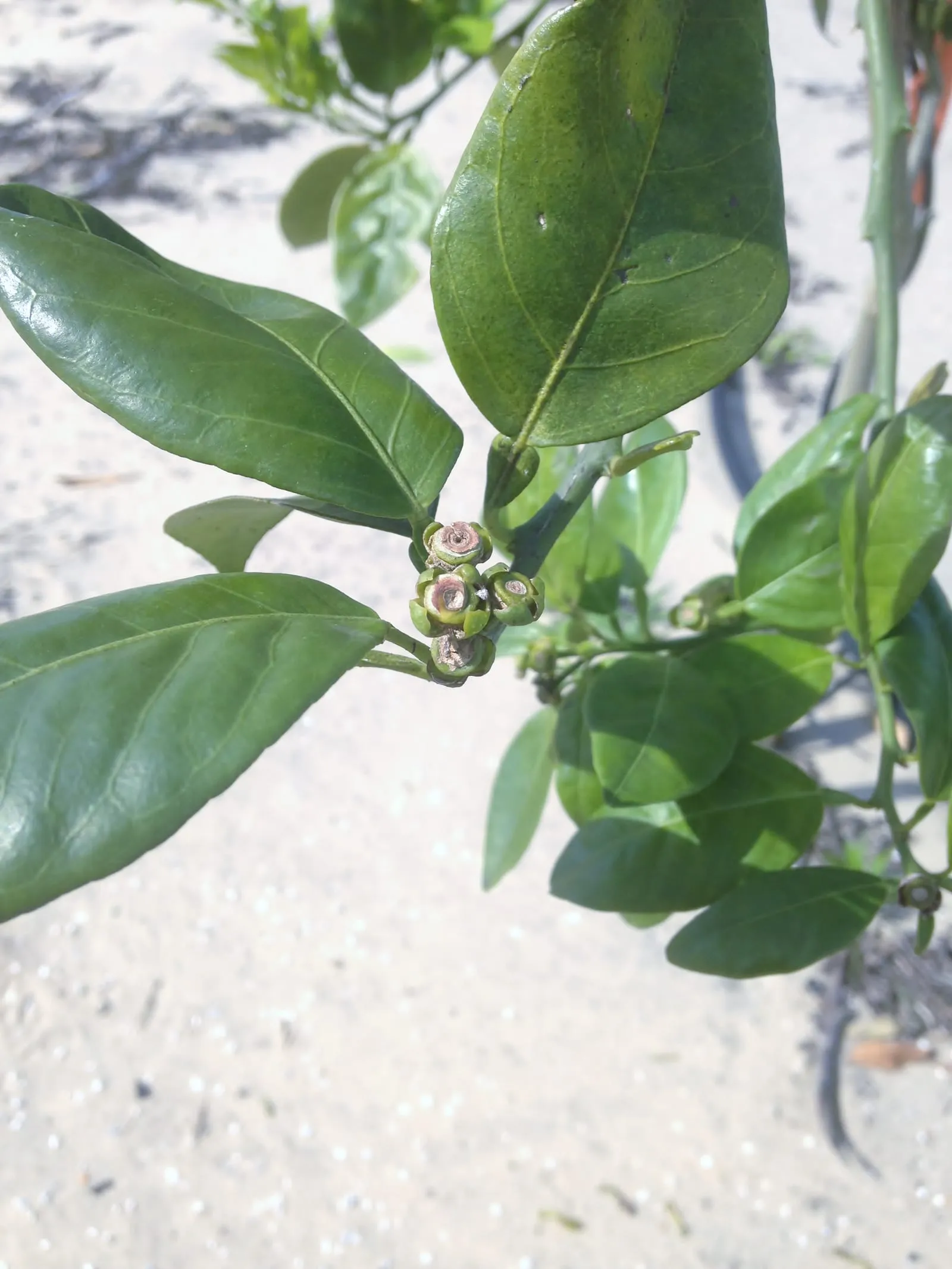
Colletotrichum acutatum
Aggressive fungal disease that causes fruit rot, crown rot, and runner lesions in strawberries, devastating during warm wet weather.
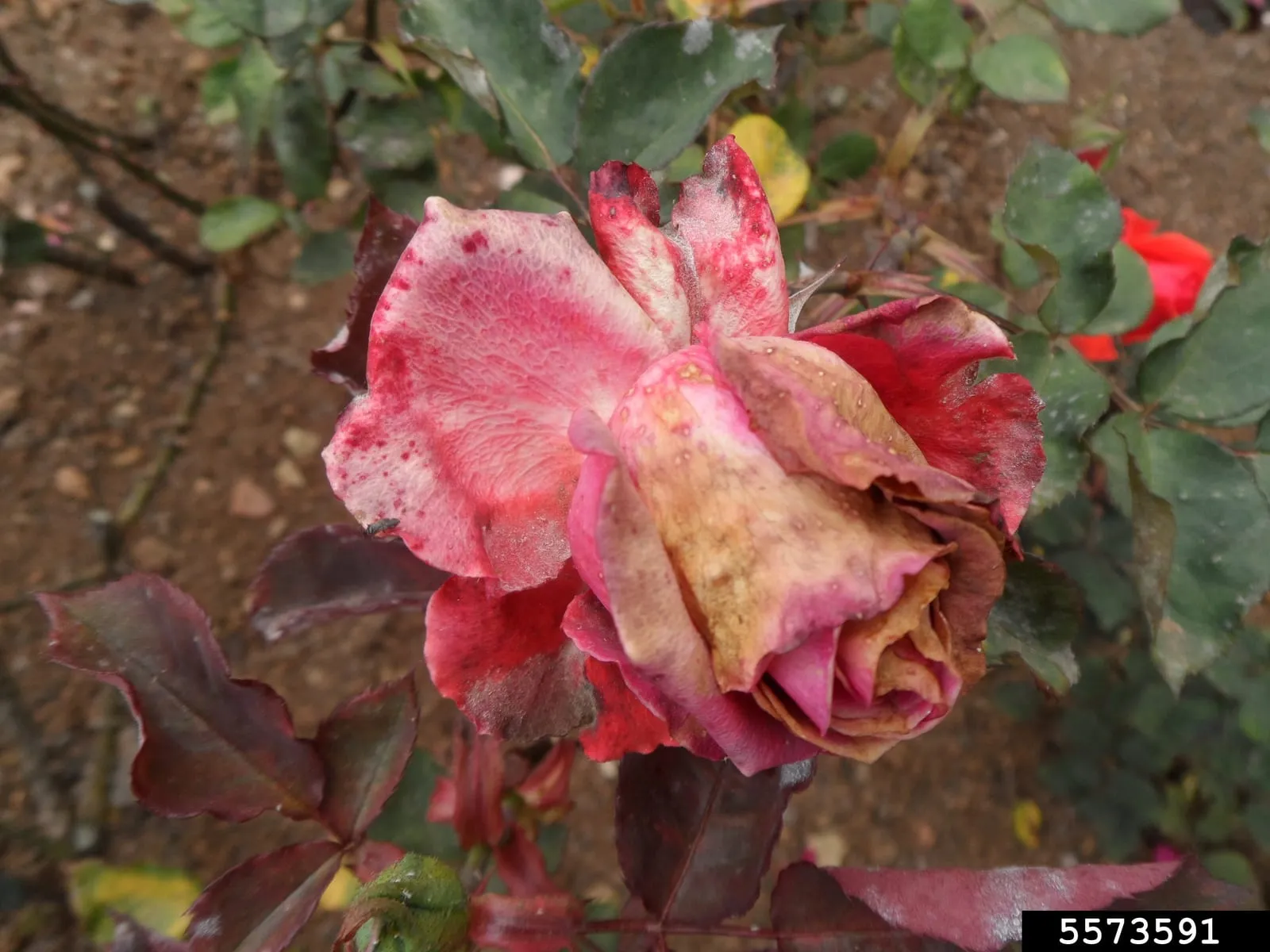
Botrytis cinerea
Ubiquitous fungal disease that causes fruit rot during cool wet weather, often the dominant berry disease in humid regions.
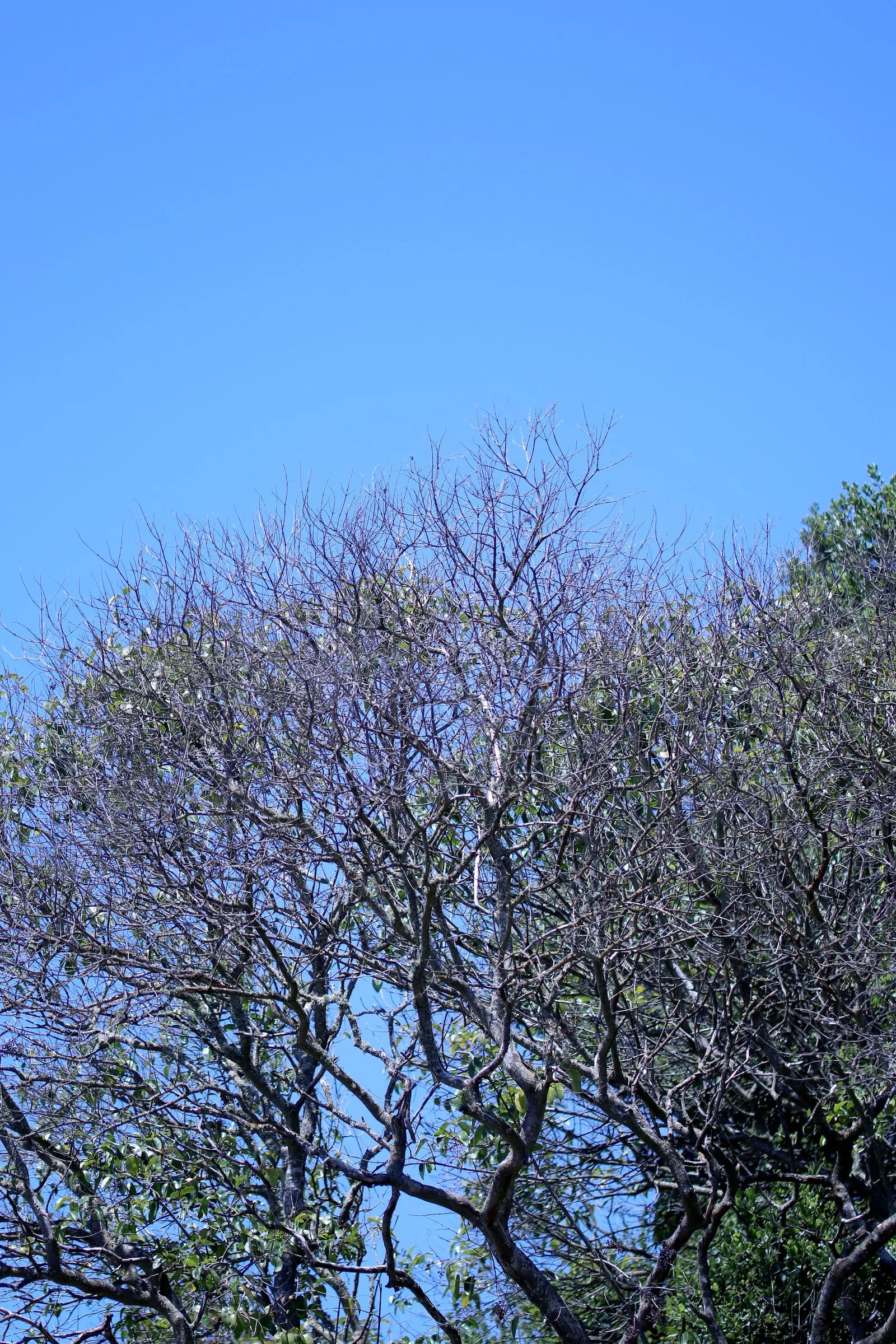
Phytophthora species
Soil-borne water mold that destroys roots in waterlogged soils, the leading cause of blueberry decline in poorly drained sites.
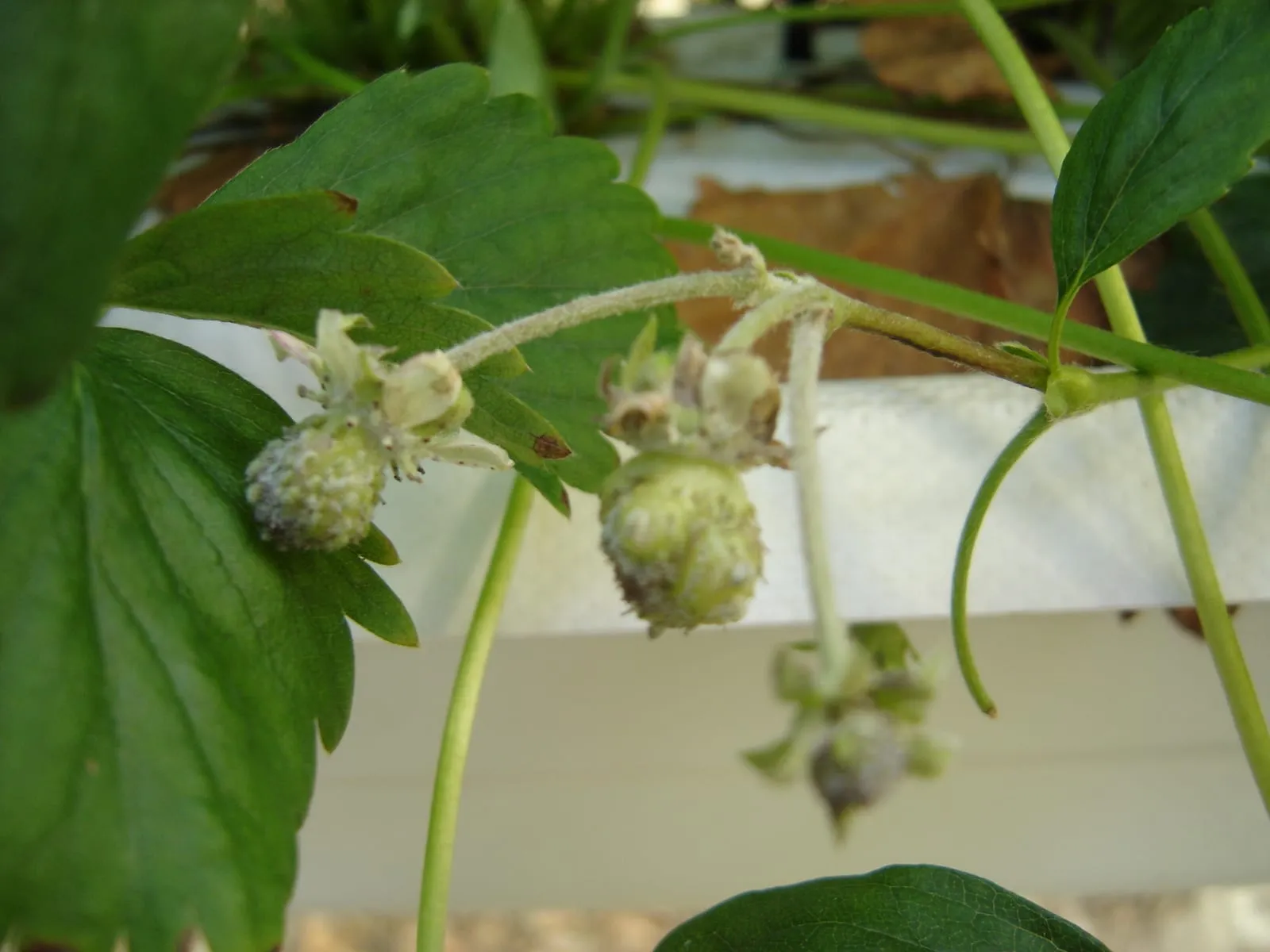
Podosphaera and Sphaerotheca species
Surface-feeding fungal disease producing white powdery growth on leaves and fruit, particularly damaging on gooseberries.
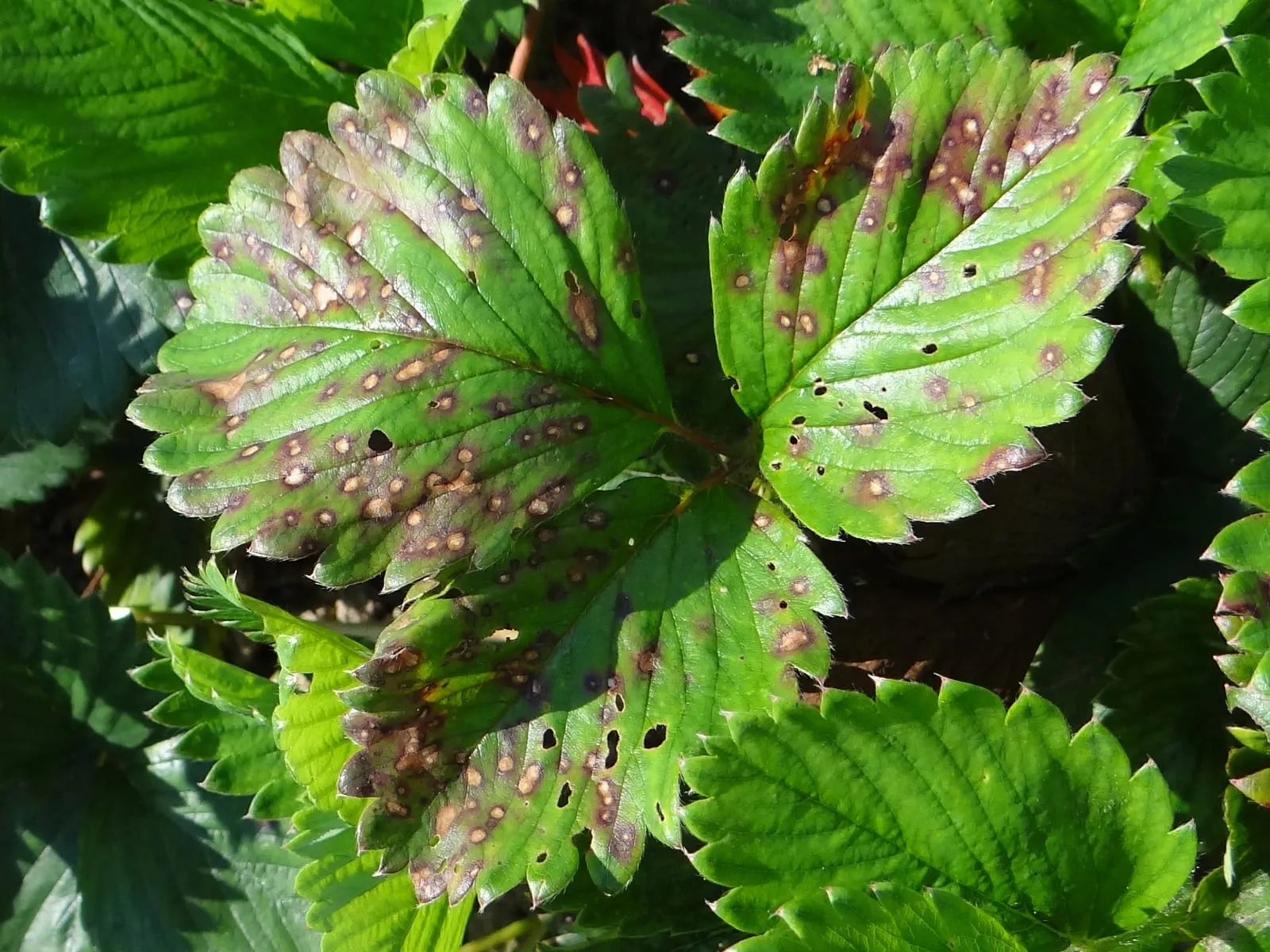
Mycosphaerella fragariae
Common fungal disease producing characteristic small purple spots with white centers on strawberry leaves.
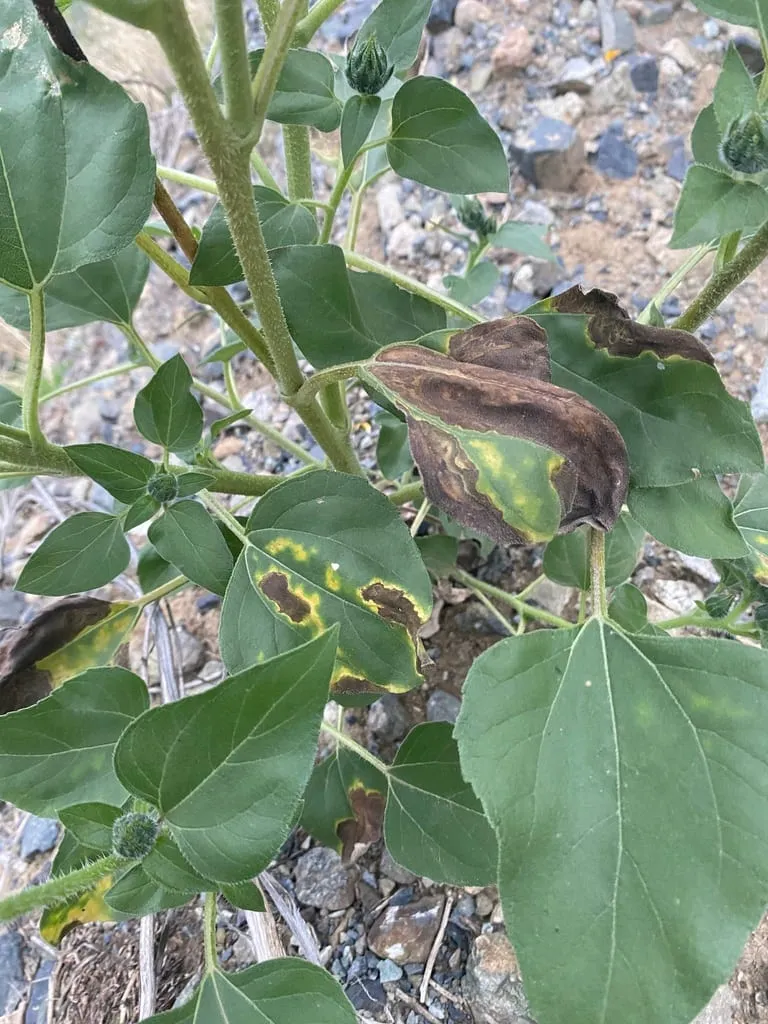
Verticillium dahliae
Soil-borne fungal disease similar to fusarium wilt but with broader host range and cooler temperature optimum. Persists in soil for 10+ years.
Modified care for zone 4b
Winter mulching is the most consequential management difference in zone 4b. Apply 4 to 6 inches of clean straw over the crowns after the ground freezes in late fall, then pull it back gradually in spring as temperatures stabilize, to avoid accelerating crown rot under trapped moisture.
Gray mold (Botrytis) is the primary disease concern under zone 4b's cool, wet spring conditions; thin plantings for air circulation and remove infected berries promptly. Phytophthora root rot becomes a risk on heavy soils that hold snowmelt late into spring; raised beds or well-drained sites reduce this pressure significantly. Given the short season, avoid high-nitrogen fertilizer in midsummer, which pushes vegetative growth at the expense of the second flush.
Everbearing Strawberry in adjacent zones
Image: "Starr 080103-1271 Fragaria x ananassa", by Forest & Kim Starr, via Wikimedia Commons, licensed under CC-BY Source.

Related