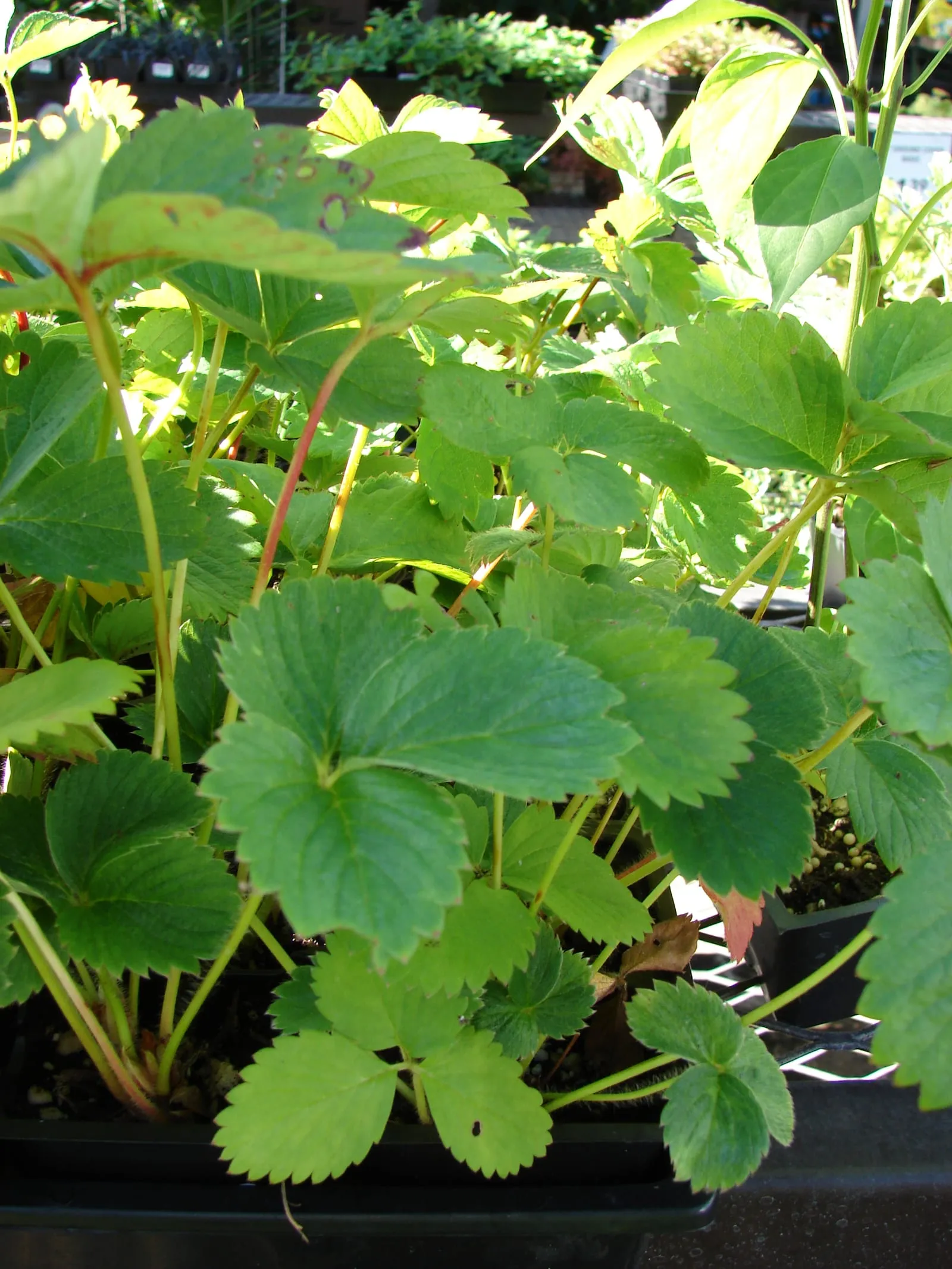
berry in zone 3b
Growing everbearing strawberry in zone 3b
Fragaria x ananassa
- Zone
- 3b -35°F to -30°F
- Growing season
- 100 days
- Suitable varieties
- 0
- Days to harvest
- 28 to 35
The verdict
Zone 3b sits at the cold edge of everbearing strawberry cultivation, but it is workable rather than prohibitive. Everbearing varieties generally require 200 to 300 chill hours to break dormancy and set flowers reliably, a threshold that zone 3b satisfies with ease given its long, cold winters. The more pressing constraint is the 100-day growing season: everbearing types are bred to produce two or three flushes through the season, and in zone 3b the fall flush is frequently cut short by hard frosts before berries can ripen fully.
Variety selection carries more weight here than in warmer zones. Cultivars bred for cold tolerance, such as Fort Laramie (rated to zone 3), outperform southern or coastal varieties that may lack the hardiness for -35 to -30°F winters. Without choosing a cold-adapted variety, winter kill of crowns is a real risk rather than a remote one. This is not a sweet spot for everbearing strawberries, but growers who plan for the season's limits can harvest meaningfully from both the summer and partial fall flushes.
Critical timing for zone 3b
Last spring frosts in zone 3b typically fall in mid to late May, pushing the first planting window to late May for transplants. Everbearing varieties begin their first bloom flush shortly after establishment, usually in early to mid June, with harvest from that flush arriving in late June through early July.
The second flush blooms in midsummer and produces ripe fruit through August. A third fall flush is possible but unreliable: first fall frosts can arrive as early as mid-September in parts of zone 3b, which leaves little margin for late berries to size up and color before cold shuts the season down. Growers should treat the fall flush as a bonus rather than a dependable crop. Floating row cover can extend the window by two to three weeks if a hard frost threatens before berries ripen.
Common challenges in zone 3b
- ▸ Short season
- ▸ Winter desiccation
- ▸ Site selection critical for fruit trees
Disease pressure to watch for
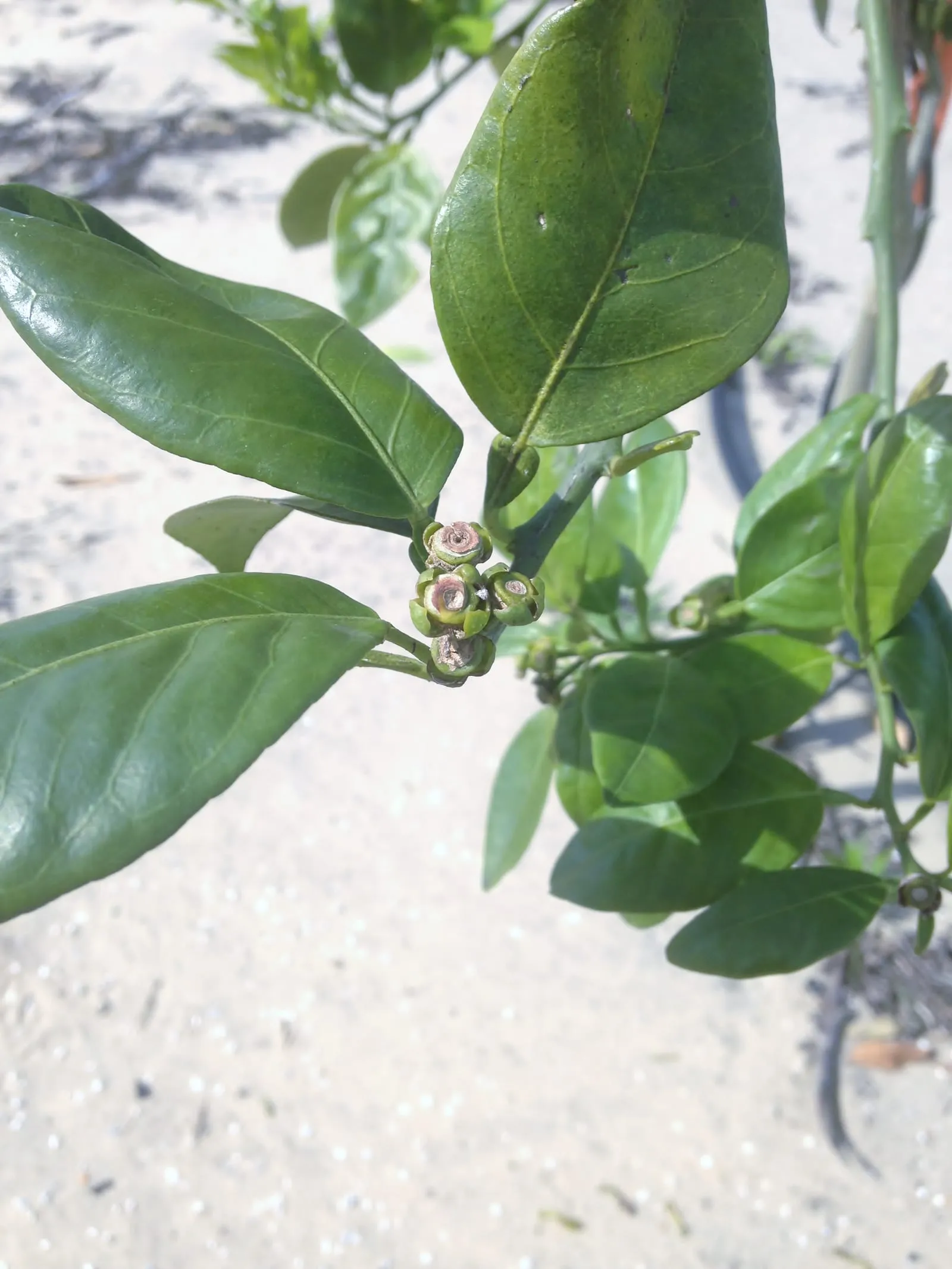
Colletotrichum acutatum
Aggressive fungal disease that causes fruit rot, crown rot, and runner lesions in strawberries, devastating during warm wet weather.
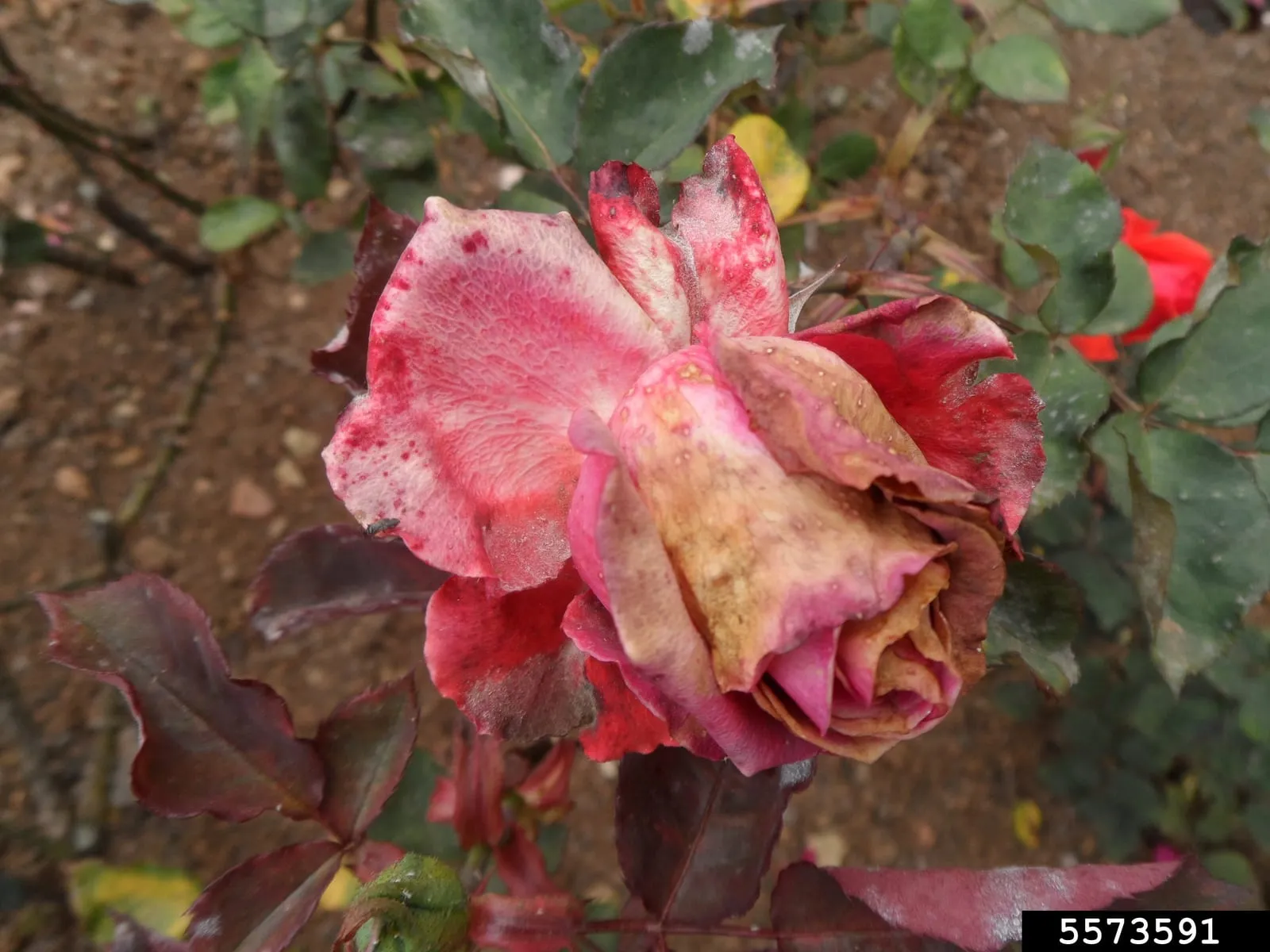
Botrytis cinerea
Ubiquitous fungal disease that causes fruit rot during cool wet weather, often the dominant berry disease in humid regions.
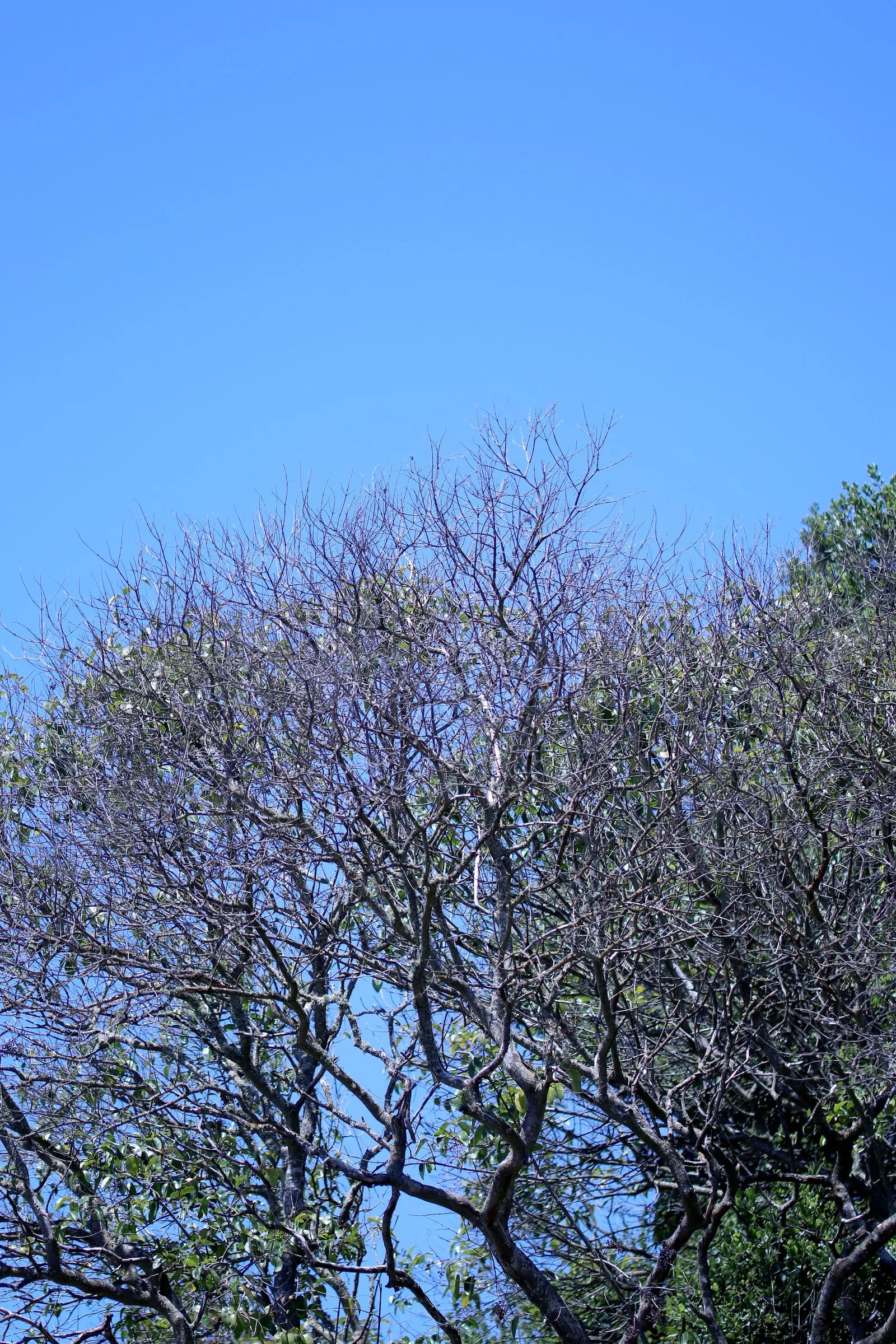
Phytophthora species
Soil-borne water mold that destroys roots in waterlogged soils, the leading cause of blueberry decline in poorly drained sites.
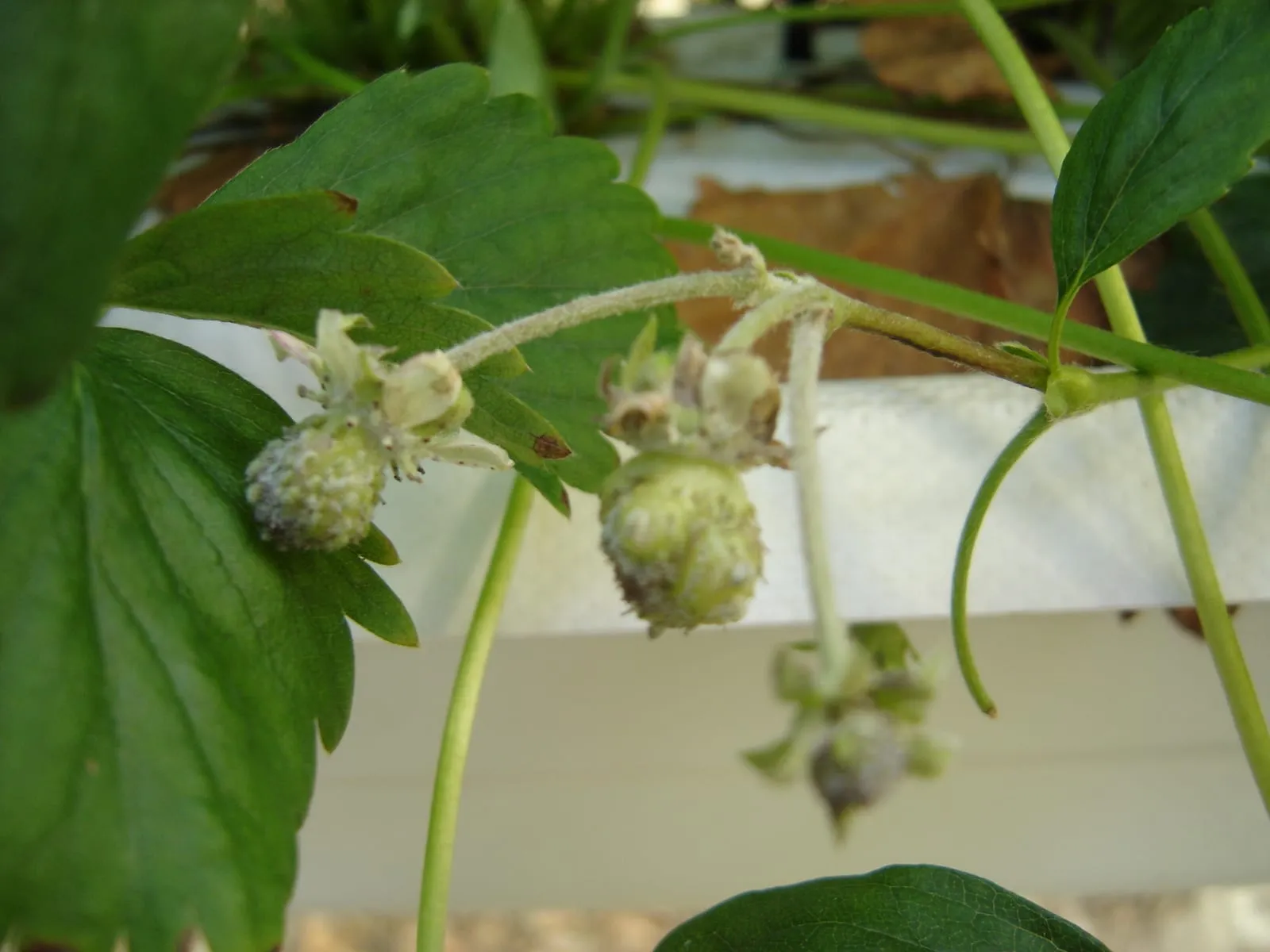
Podosphaera and Sphaerotheca species
Surface-feeding fungal disease producing white powdery growth on leaves and fruit, particularly damaging on gooseberries.
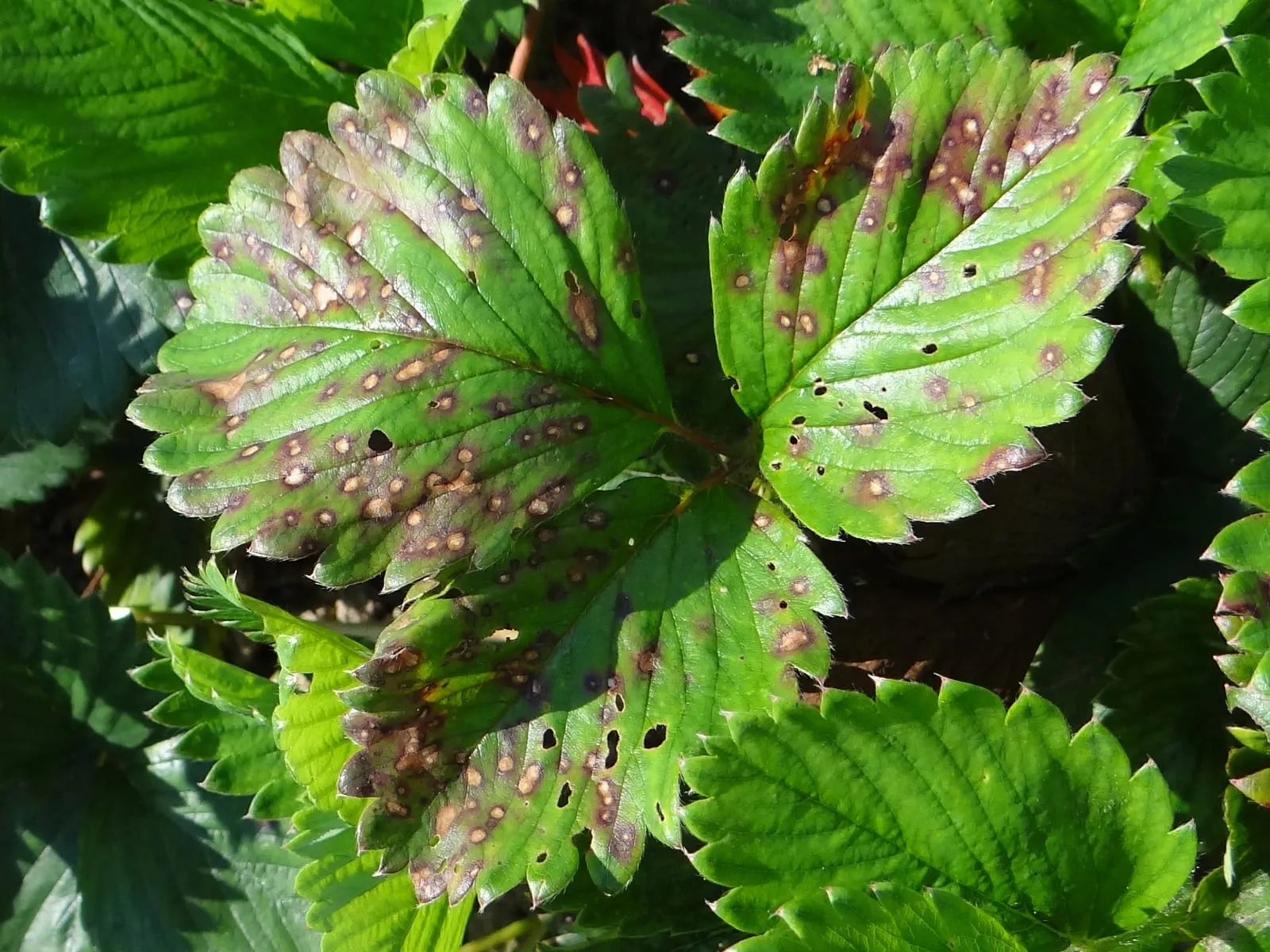
Mycosphaerella fragariae
Common fungal disease producing characteristic small purple spots with white centers on strawberry leaves.
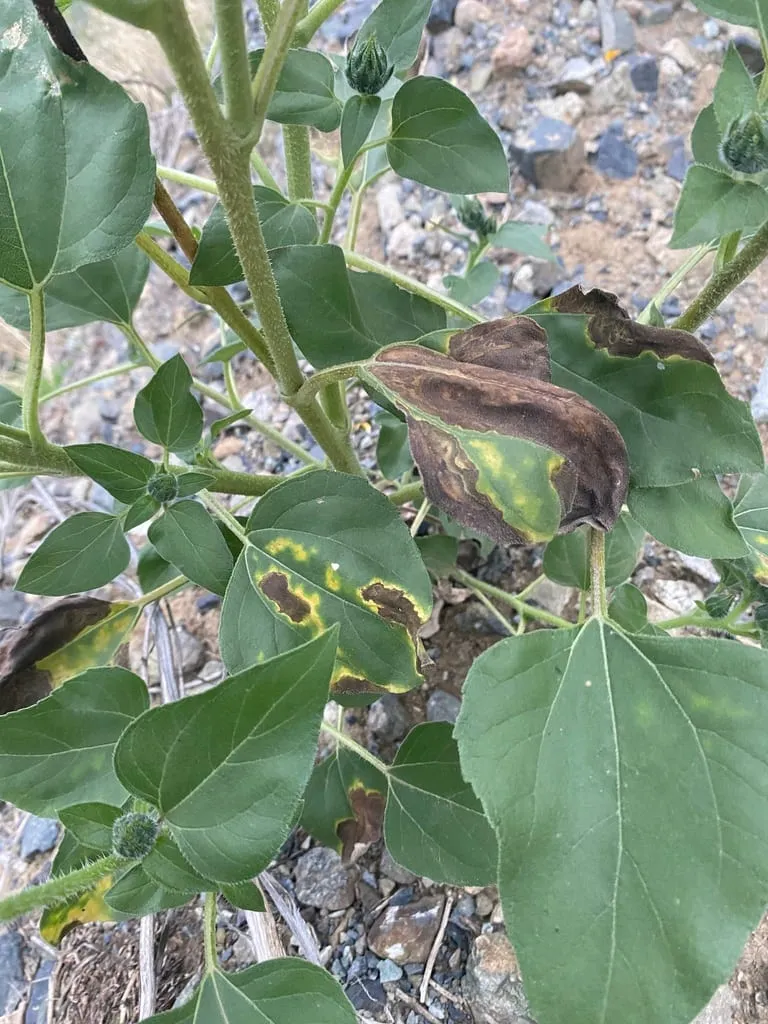
Verticillium dahliae
Soil-borne fungal disease similar to fusarium wilt but with broader host range and cooler temperature optimum. Persists in soil for 10+ years.
Modified care for zone 3b
Winter protection is the primary management difference in zone 3b. Once the ground freezes in November, covering crowns with 3 to 4 inches of clean straw mulch reduces winter desiccation, which is listed among the zone's core challenges. The mulch should stay in place until nighttime temperatures reliably stay above 28°F in spring, then be pulled back gradually to let crowns emerge without frost exposure.
Gray mold (Botrytis) and strawberry anthracnose warrant close attention during the cool, damp stretches that characterize zone 3b springs and falls. Good air circulation through the planting, achieved by keeping the bed thinned and avoiding overhead irrigation, reduces infection pressure more reliably than fungicide applications alone. Phytophthora root rot is a persistent risk on any site with slow drainage, so raised beds or well-amended loamy soil are worth the extra setup effort. The short season also argues against removing the first-year flowers to build plant vigor, a practice often recommended in longer-season zones; in zone 3b, the tradeoff cuts too deeply into the already-brief harvest window.
Everbearing Strawberry in adjacent zones
Image: "Starr 080103-1271 Fragaria x ananassa", by Forest & Kim Starr, via Wikimedia Commons, licensed under CC-BY Source.

Related