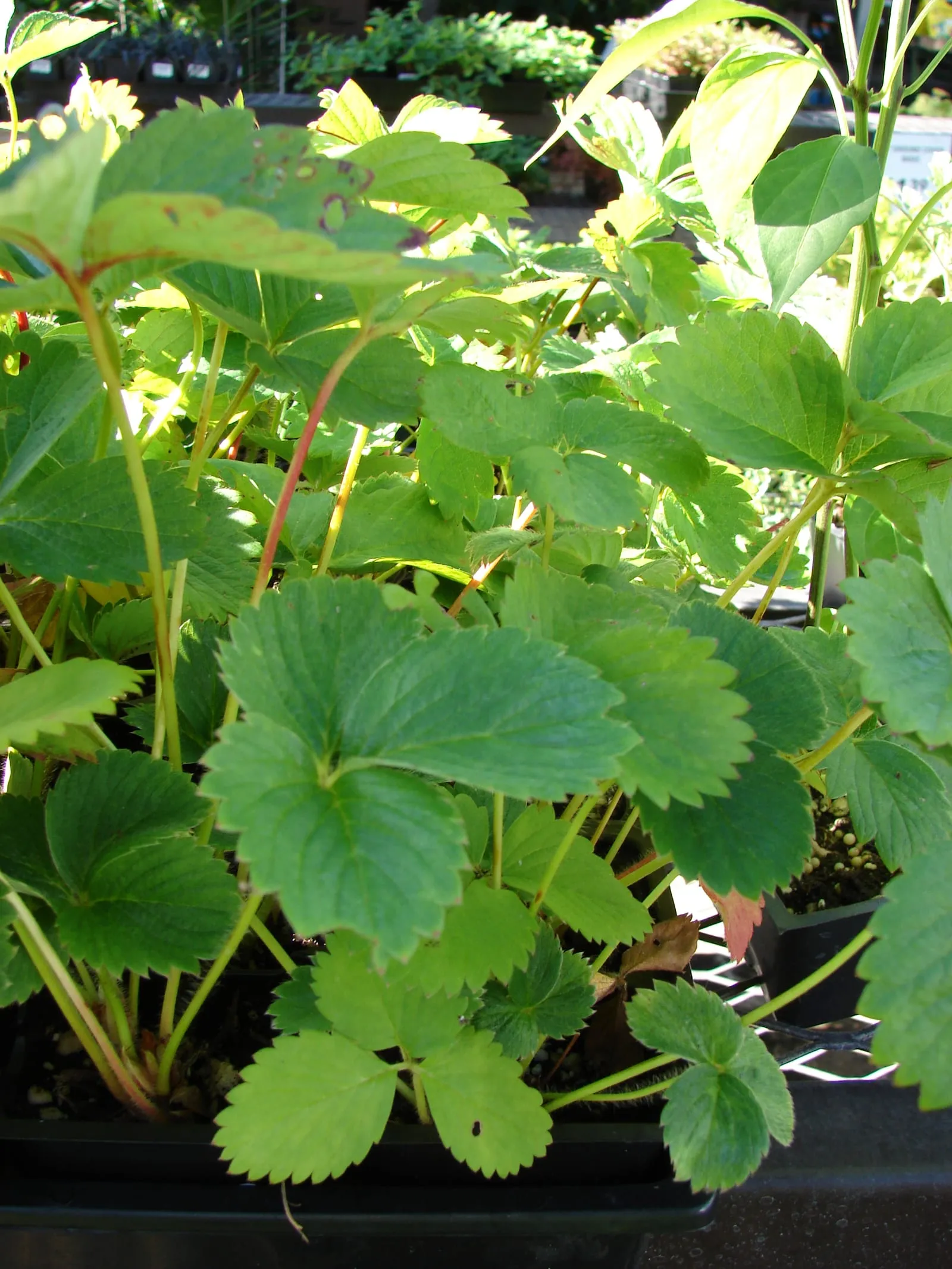
berry in zone 7a
Growing everbearing strawberry in zone 7a
Fragaria x ananassa
- Zone
- 7a 0°F to 5°F
- Growing season
- 210 days
- Suitable varieties
- 4
- Days to harvest
- 28 to 35
The verdict
Zone 7a sits comfortably within the everbearing strawberry's preferred range. Minimum winter temperatures of 0 to 5°F are cold enough to satisfy the 200 to 300 chill hours most everbearing varieties require for reliable flowering, yet mild enough that overwintering crowns rarely sustain damage with basic straw mulch protection. The 210-day growing season accommodates both the spring flush and the fall rebloom that define the everbearing habit. Varieties developed for the mid-Atlantic and upper Southeast, including Albion, Seascape, Tristar, and Ozark Beauty, were selected with this climate profile specifically in mind.
This is not a marginal zone for everbearing strawberries. It is a productive one. The primary limiting factor is not cold or heat tolerance but the region's characteristic summer humidity, which amplifies fungal and water mold pressure across both the spring and fall crops.
Recommended varieties for zone 7a
4 cultivars suited to this zone, with disease-resistance and zone-fit annotations.
| Variety | Notes | Zone fit | Disease resistance |
|---|---|---|---|
| Albion fits zone 7a | Sweet, firm, large conical berries with intense flavor; fresh eating premium, ships well. Day-neutral, produces continuously from spring to frost. | | none noted |
| Seascape fits zone 7a | Sweet-tart, firm, bright red large berries with balanced flavor; fresh, freezing. Day-neutral, productive in heat where many strawberries fail. | | none noted |
| Tristar fits zone 7a | Sweet, intensely flavored, small-medium berries; fresh eating premium with classic strawberry character. Day-neutral, runners few. Excellent home-garden choice. | | none noted |
| Ozark Beauty fits zone 7a | Sweet-tart, firm, large red berries; fresh, jam, freezing. True everbearing with two distinct crops (June and fall). Vigorous and productive. | | none noted |
Critical timing for zone 7a
In zone 7a, everbearing strawberries produce their first blooms in late March to mid-April, coinciding with the tail end of frost risk for the zone. A late frost event, which remains possible through early April, can damage open blossoms and reduce the spring crop. The main spring harvest runs from late April through early June.
Summer heat suppresses flowering on most everbearing types from mid-July into early August. The fall flush begins as temperatures moderate in late August, with harvest extending from September through October. The first hard frost, arriving in zone 7a from late October to mid-November, typically marks the end of reliable fall production.
Common challenges in zone 7a
- ▸ Cedar-apple rust
- ▸ Brown rot
- ▸ Fire blight
- ▸ High humidity disease pressure
Disease pressure to watch for
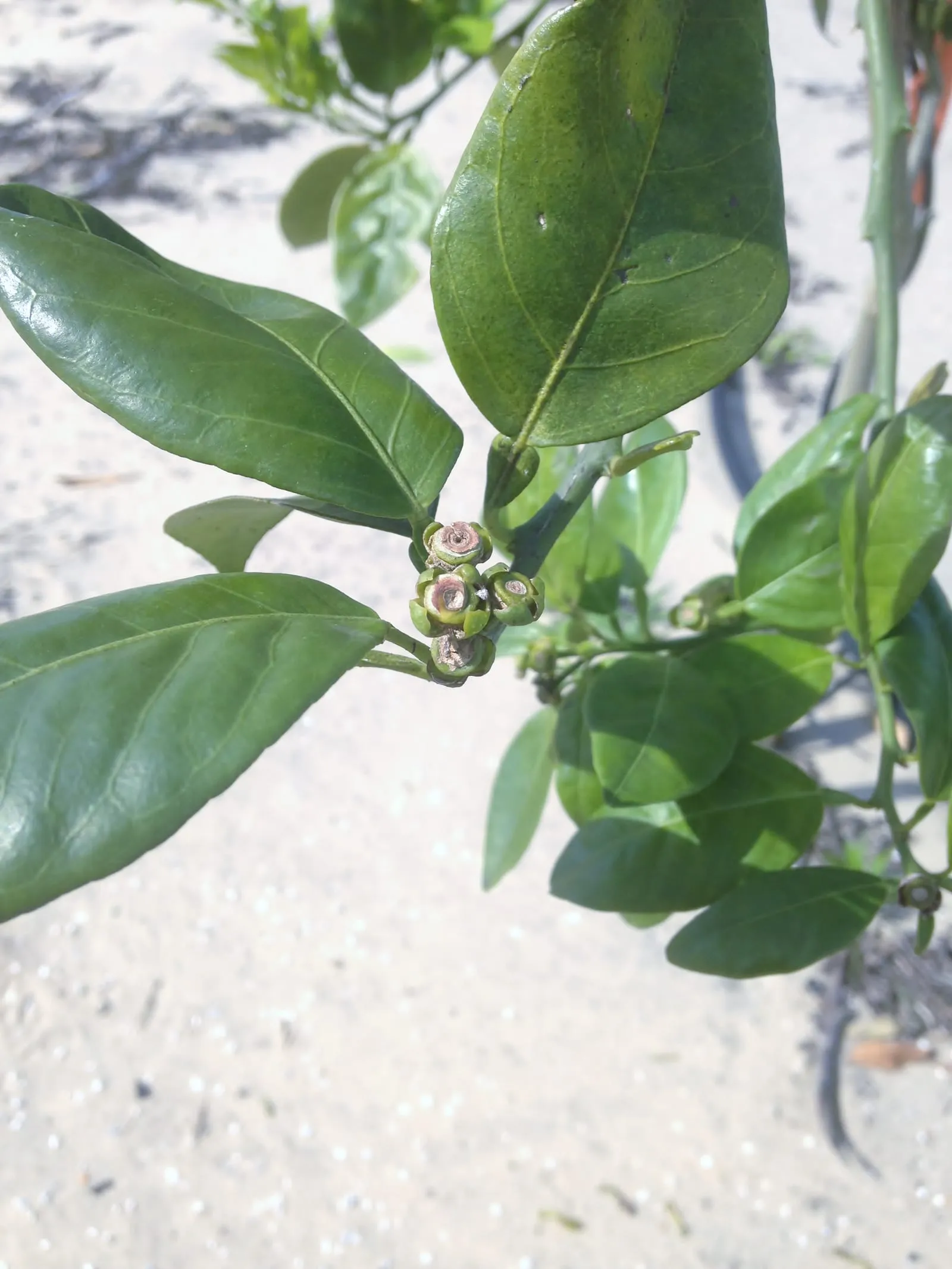
Colletotrichum acutatum
Aggressive fungal disease that causes fruit rot, crown rot, and runner lesions in strawberries, devastating during warm wet weather.
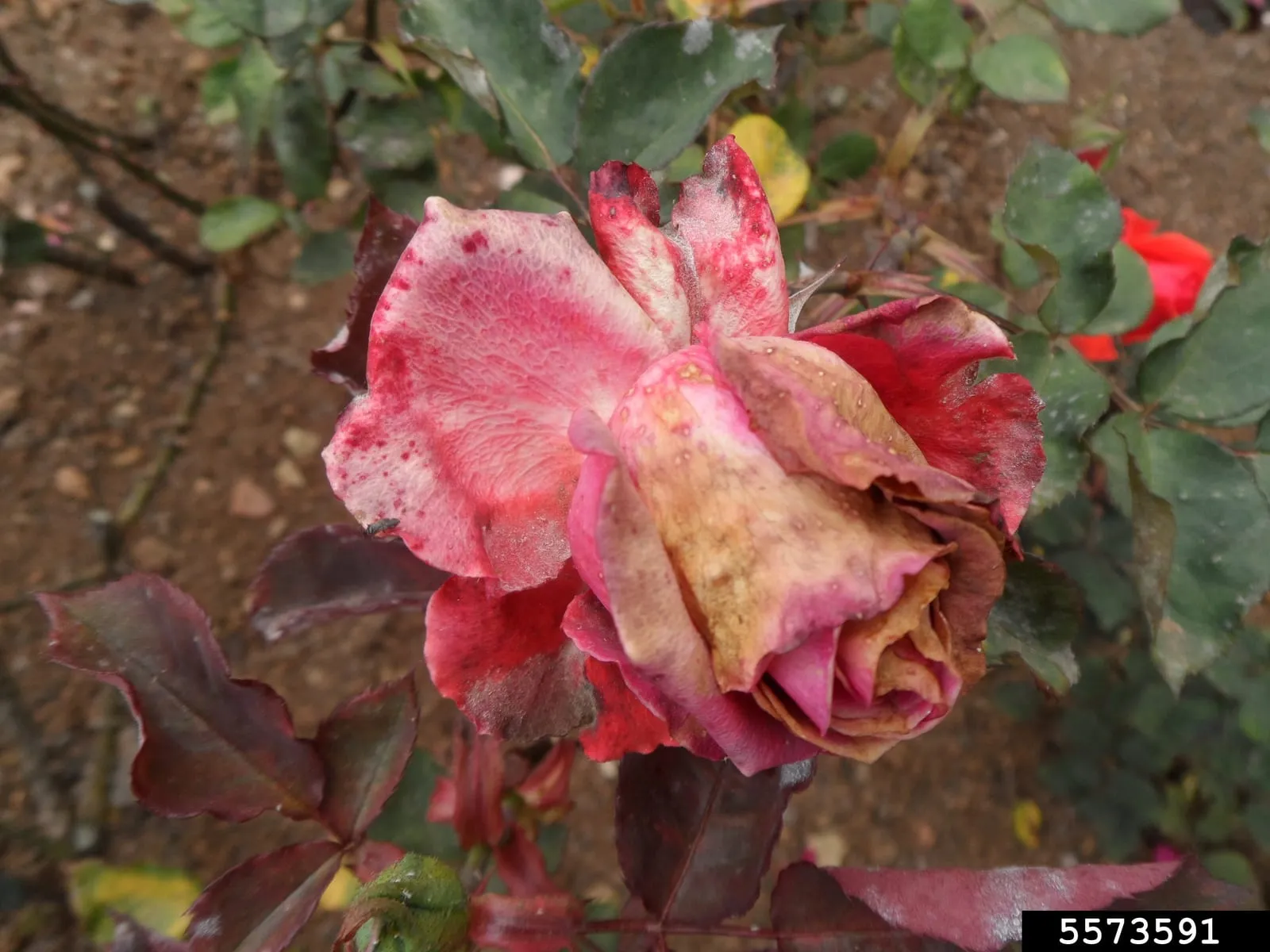
Botrytis cinerea
Ubiquitous fungal disease that causes fruit rot during cool wet weather, often the dominant berry disease in humid regions.
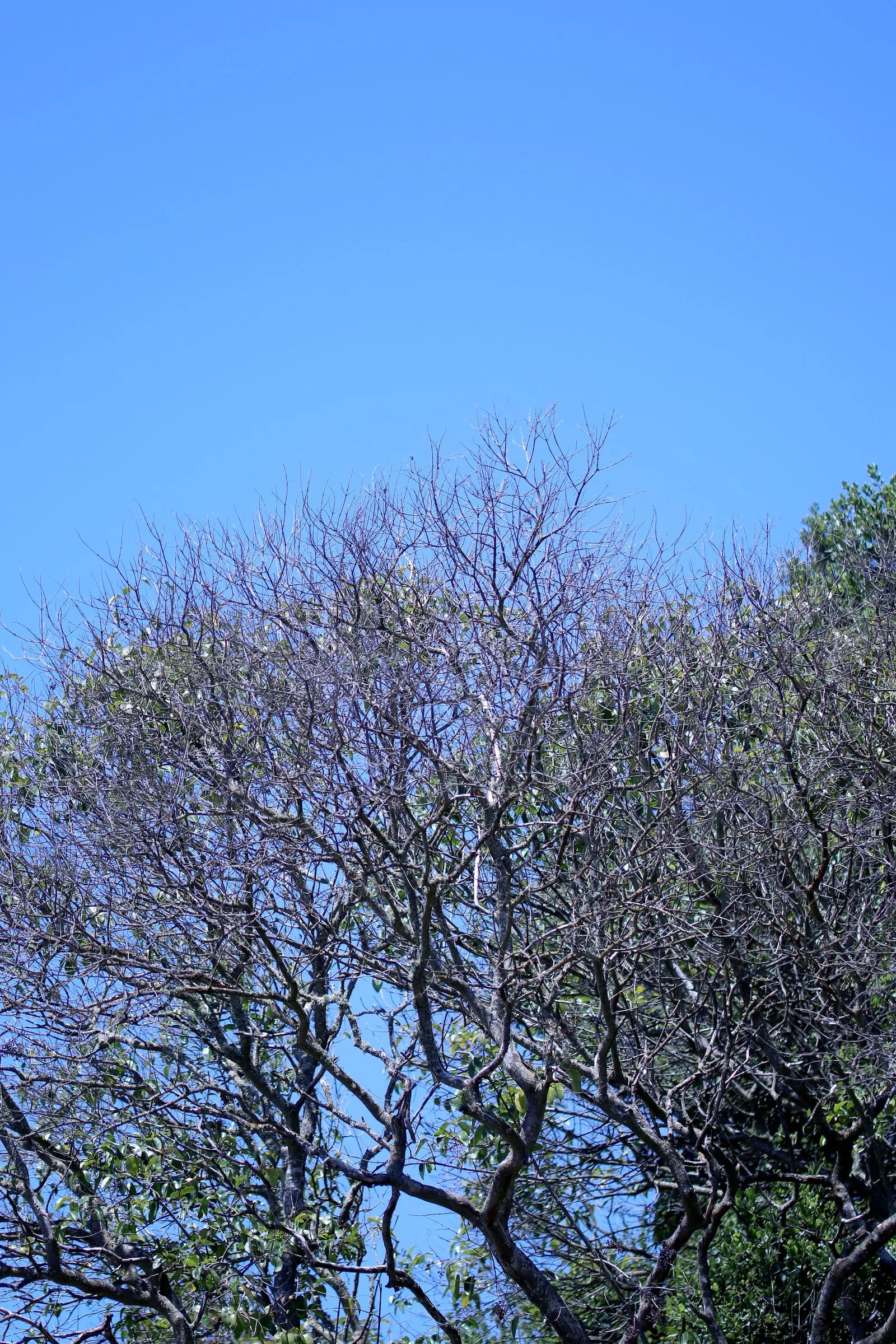
Phytophthora species
Soil-borne water mold that destroys roots in waterlogged soils, the leading cause of blueberry decline in poorly drained sites.
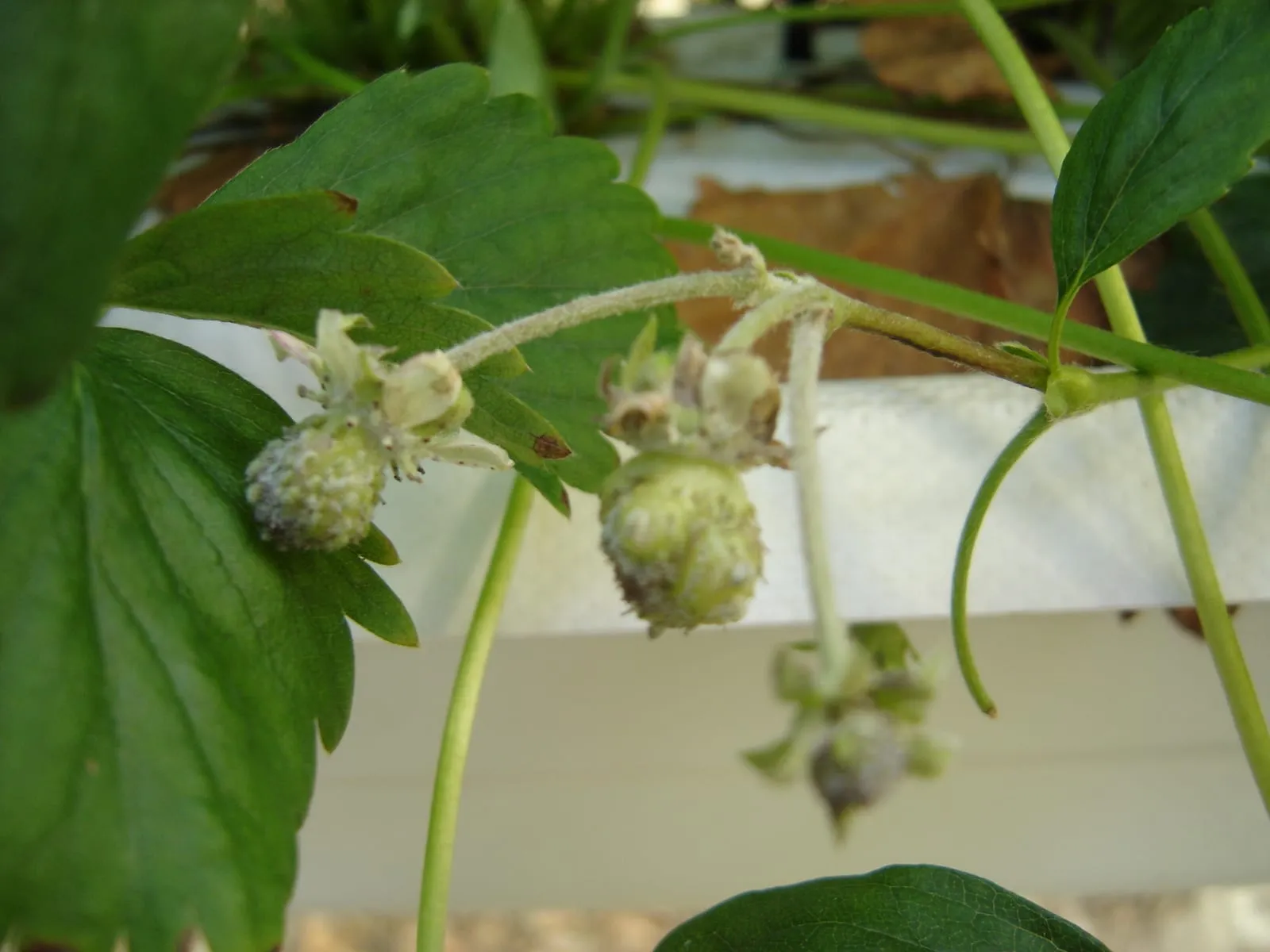
Podosphaera and Sphaerotheca species
Surface-feeding fungal disease producing white powdery growth on leaves and fruit, particularly damaging on gooseberries.
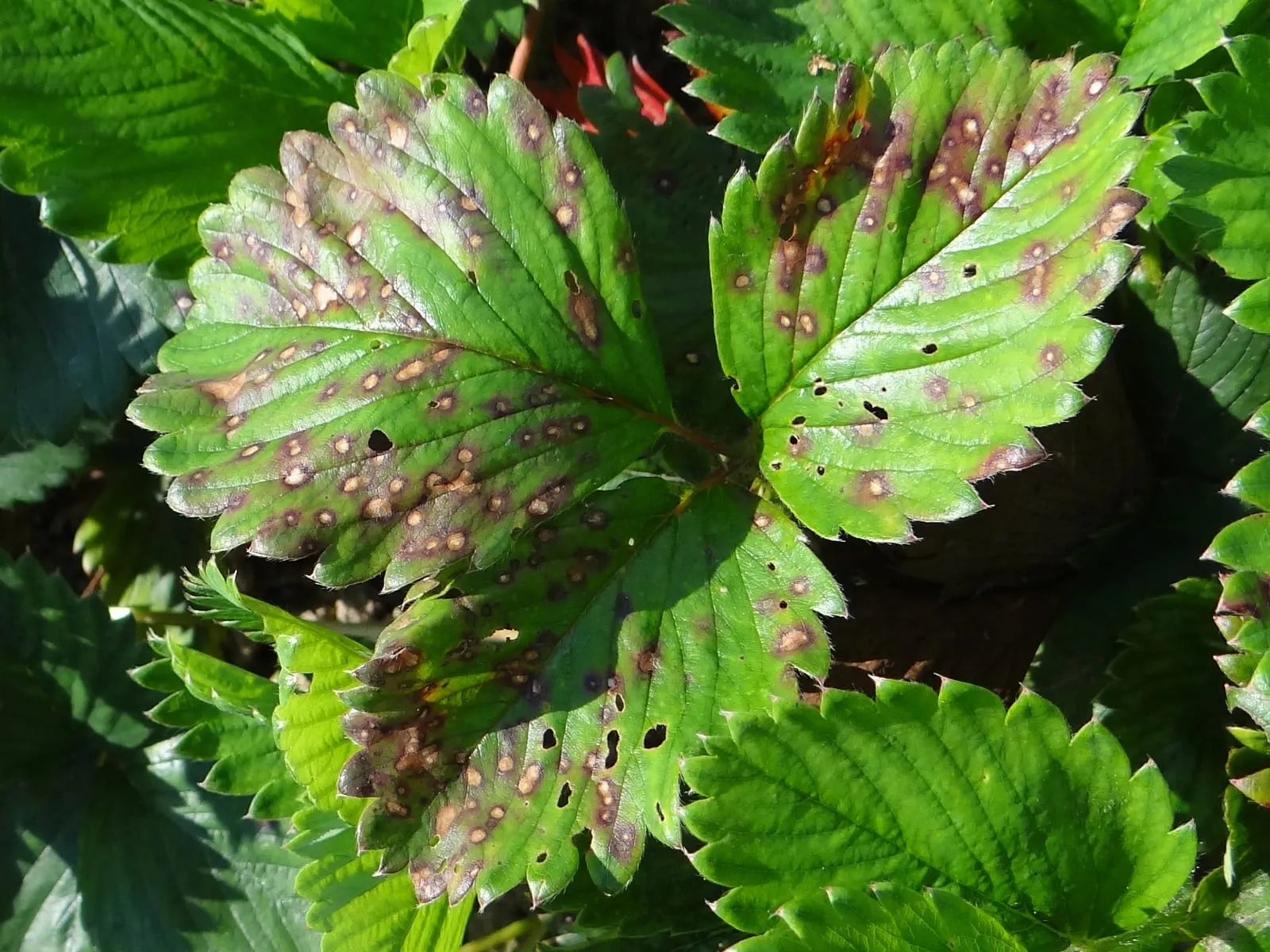
Mycosphaerella fragariae
Common fungal disease producing characteristic small purple spots with white centers on strawberry leaves.
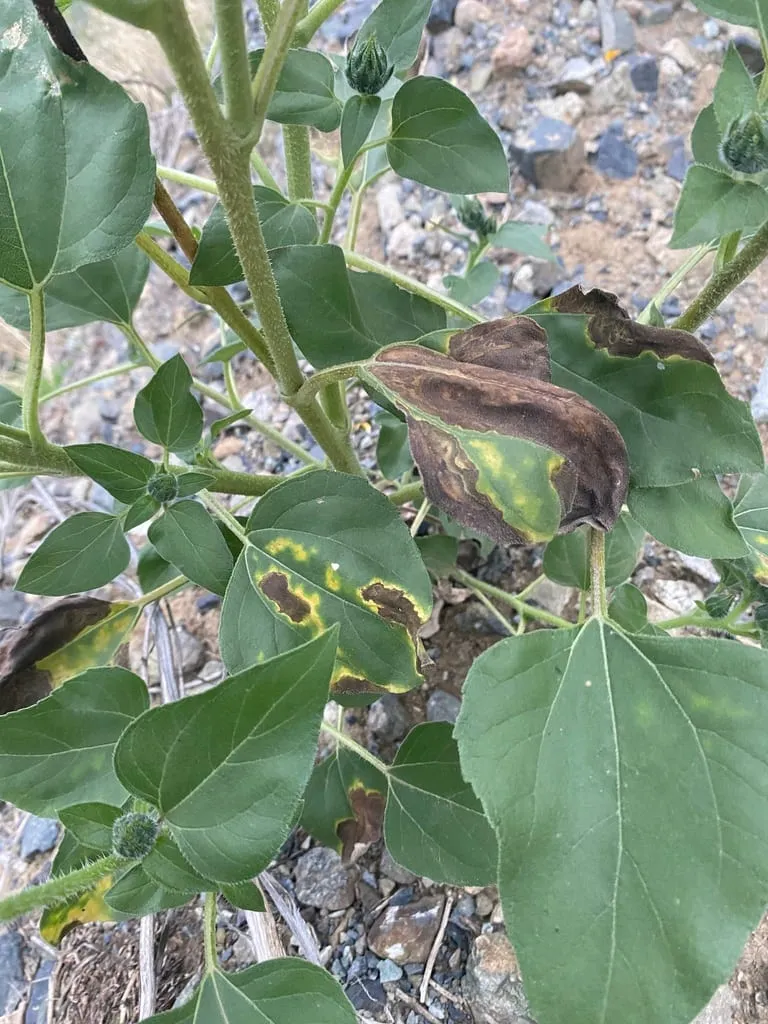
Verticillium dahliae
Soil-borne fungal disease similar to fusarium wilt but with broader host range and cooler temperature optimum. Persists in soil for 10+ years.
Modified care for zone 7a
Zone 7a's high humidity demands more active disease management than drier parts of the everbearing strawberry's range. Gray mold (Botrytis) and strawberry anthracnose are the primary threats, both spreading rapidly during wet spring weather when fruit is forming. Spacing plants at 12 to 18 inches with good row airflow reduces infection pressure; straw mulch limits the soil splash that carries anthracnose spores onto ripening berries.
After the spring harvest, cutting foliage back to 2 to 3 inches and thinning runners improves airflow before the fall flush, reducing the canopy density that favors Botrytis. In the clay-heavy soils common across zone 7a, raised rows or raised beds are advisable to prevent the standing water that promotes Phytophthora root rot. Light straw mulch applied before the first frost protects crowns through the 0 to 5°F temperature swings the zone occasionally reaches in January and February.
Everbearing Strawberry in adjacent zones
Image: "Starr 080103-1271 Fragaria x ananassa", by Forest & Kim Starr, via Wikimedia Commons, licensed under CC-BY Source.

Related