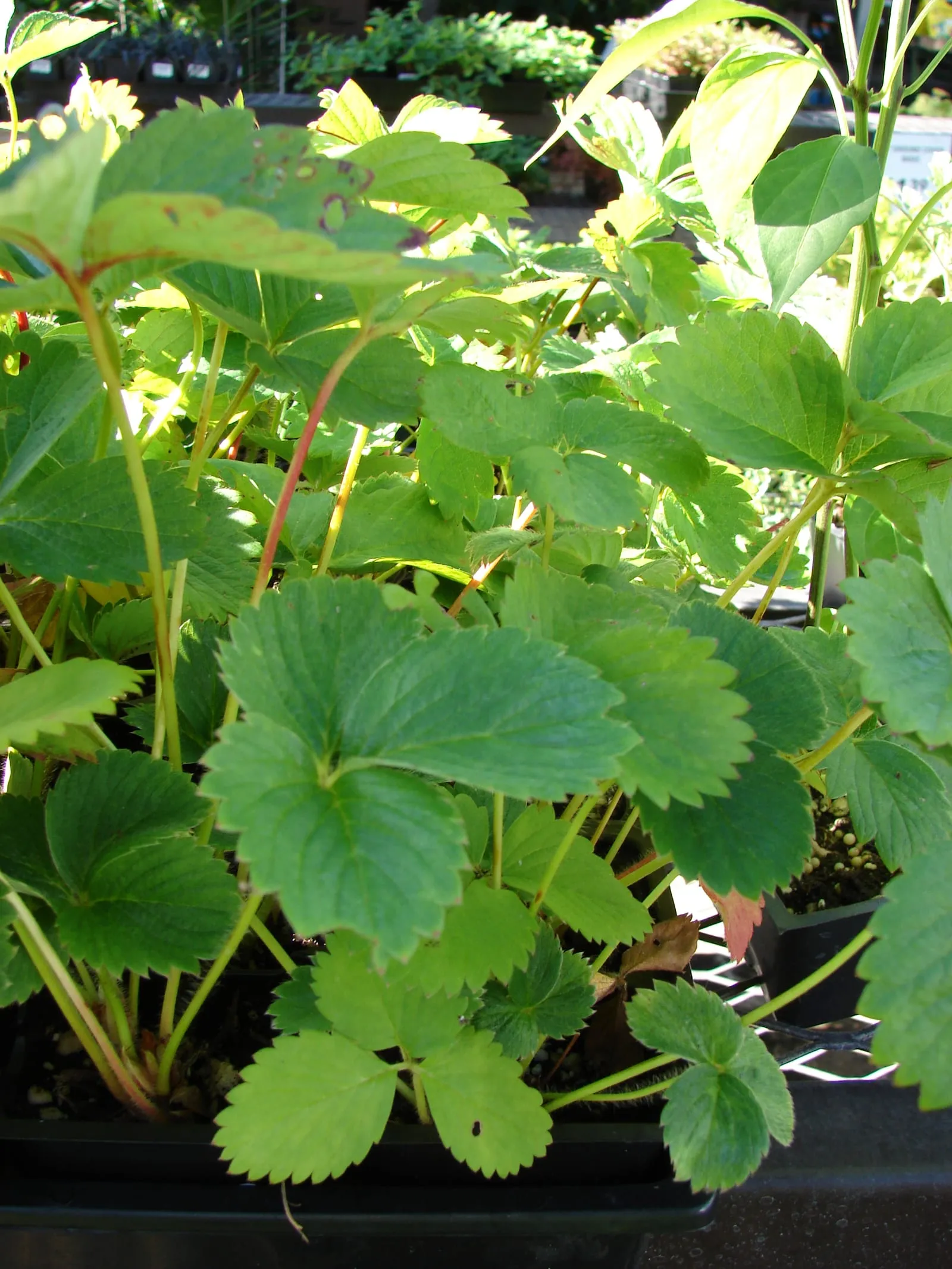
berry in zone 7b
Growing everbearing strawberry in zone 7b
Fragaria x ananassa
- Zone
- 7b 5°F to 10°F
- Growing season
- 220 days
- Suitable varieties
- 2
- Days to harvest
- 28 to 35
The verdict
Zone 7b sits at the warmer edge of everbearing strawberry's productive range, and outcomes depend heavily on variety selection and site conditions. Everbearing and day-neutral types require minimal winter chilling, so zone 7b's minimum temperatures of 5 to 10°F pose no hardship there. The 220-day growing season supports the characteristic two-flush cycle, spring and fall, that defines the category. The limiting factor is summer heat: sustained temperatures above 85°F suppress flowering and fruiting in most everbearing cultivars, creating a midsummer production gap that runs longer in zone 7b than in the Pacific Northwest or upper Midwest where these varieties perform at their best. Albion and Seascape, both selected for heat tolerance, narrow that gap considerably compared to older everbearing types and are the practical choices here. Zone 7b is a workable zone for everbearing strawberries, not a sweet spot. Growers in the cooler piedmont elevations will see better second-flush performance than those on low-elevation sites with more heat accumulation.
Recommended varieties for zone 7b
2 cultivars suited to this zone, with disease-resistance and zone-fit annotations.
| Variety | Notes | Zone fit | Disease resistance |
|---|---|---|---|
| Albion fits zone 7b | Sweet, firm, large conical berries with intense flavor; fresh eating premium, ships well. Day-neutral, produces continuously from spring to frost. | | none noted |
| Seascape fits zone 7b | Sweet-tart, firm, bright red large berries with balanced flavor; fresh, freezing. Day-neutral, productive in heat where many strawberries fail. | | none noted |
Critical timing for zone 7b
In zone 7b, spring-planted everbearing strawberries establish through March and begin flowering in April. The first harvest flush runs from roughly mid-May through mid-June. A production lull follows as temperatures climb through July and August, reducing or halting bloom in most cultivars. The fall flush resumes in September, with the bulk of the second harvest coming in October. First fall frost in zone 7b typically arrives in late October to mid-November, leaving adequate time for the fall crop to ripen before cold terminates the season. Fall planting in August or early September is also practical in zone 7b; plants establish before winter and come into production the following spring. Late-spring freezes are infrequent but not rare in zone 7b, and a late frost in March or early April can damage early blooms during the first flush.
Common challenges in zone 7b
- ▸ Cedar-apple rust pressure heavy in piedmont
- ▸ Japanese beetles
- ▸ Brown marmorated stink bug
- ▸ Late summer disease pressure
Disease pressure to watch for
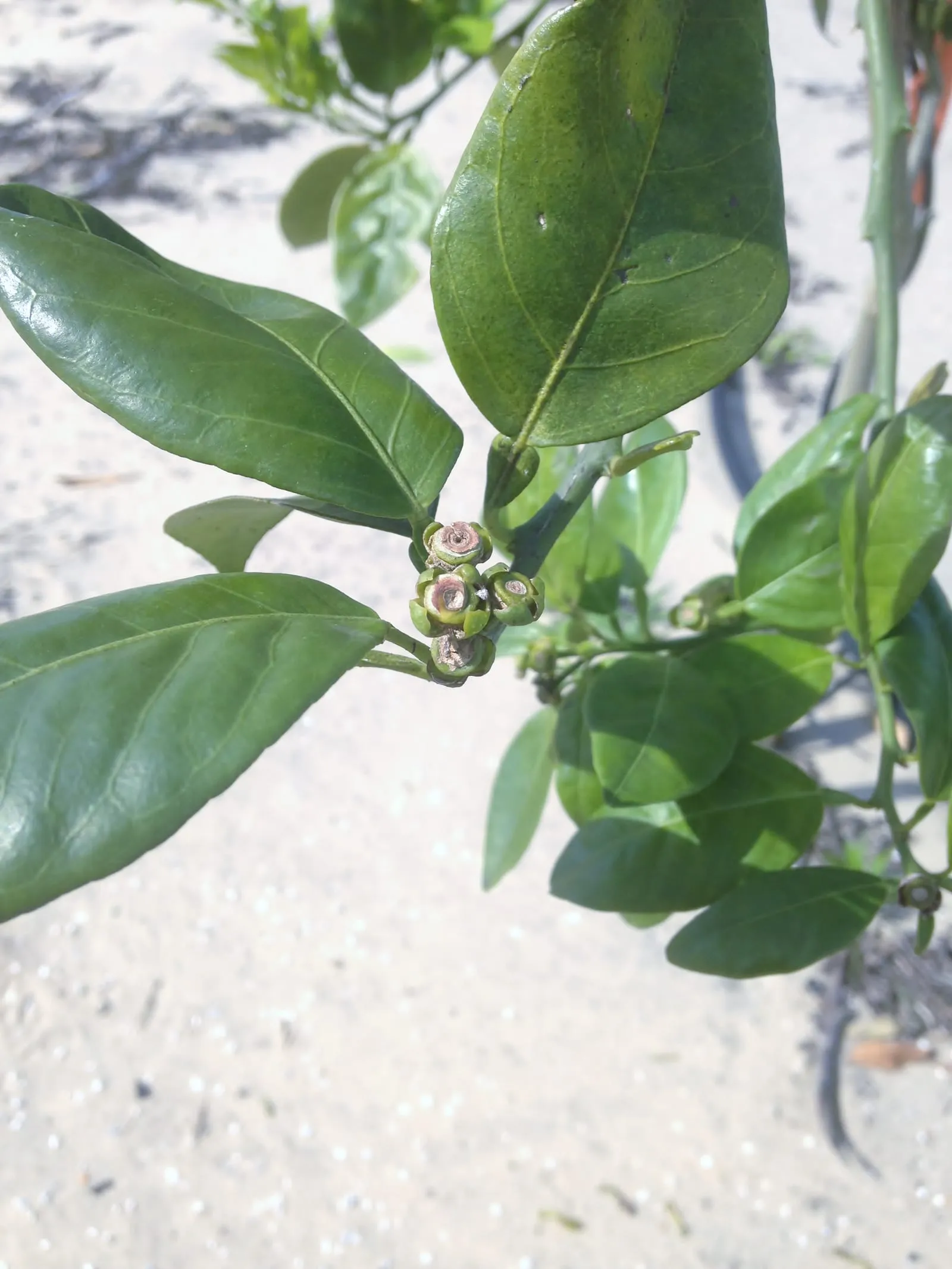
Colletotrichum acutatum
Aggressive fungal disease that causes fruit rot, crown rot, and runner lesions in strawberries, devastating during warm wet weather.
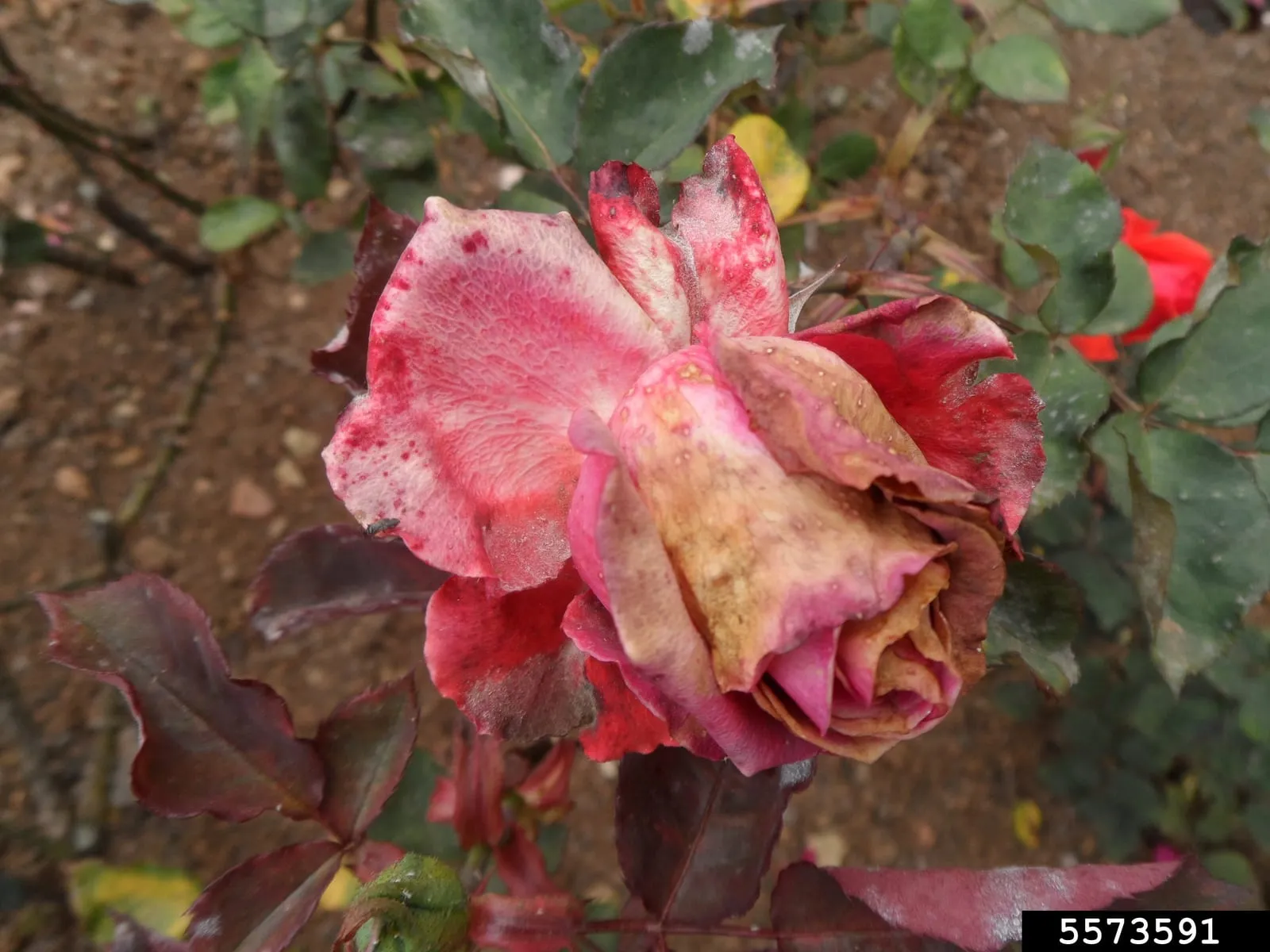
Botrytis cinerea
Ubiquitous fungal disease that causes fruit rot during cool wet weather, often the dominant berry disease in humid regions.
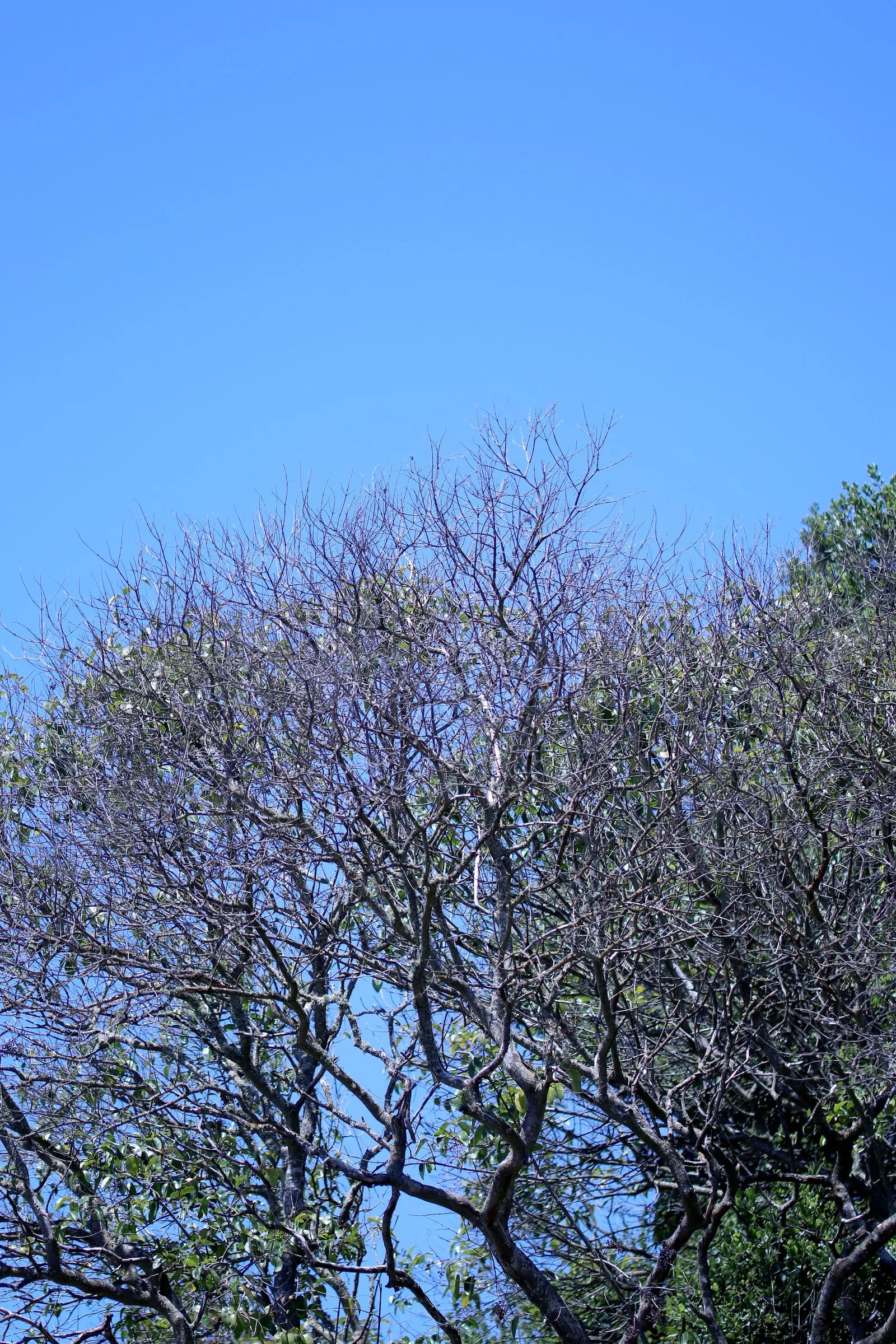
Phytophthora species
Soil-borne water mold that destroys roots in waterlogged soils, the leading cause of blueberry decline in poorly drained sites.
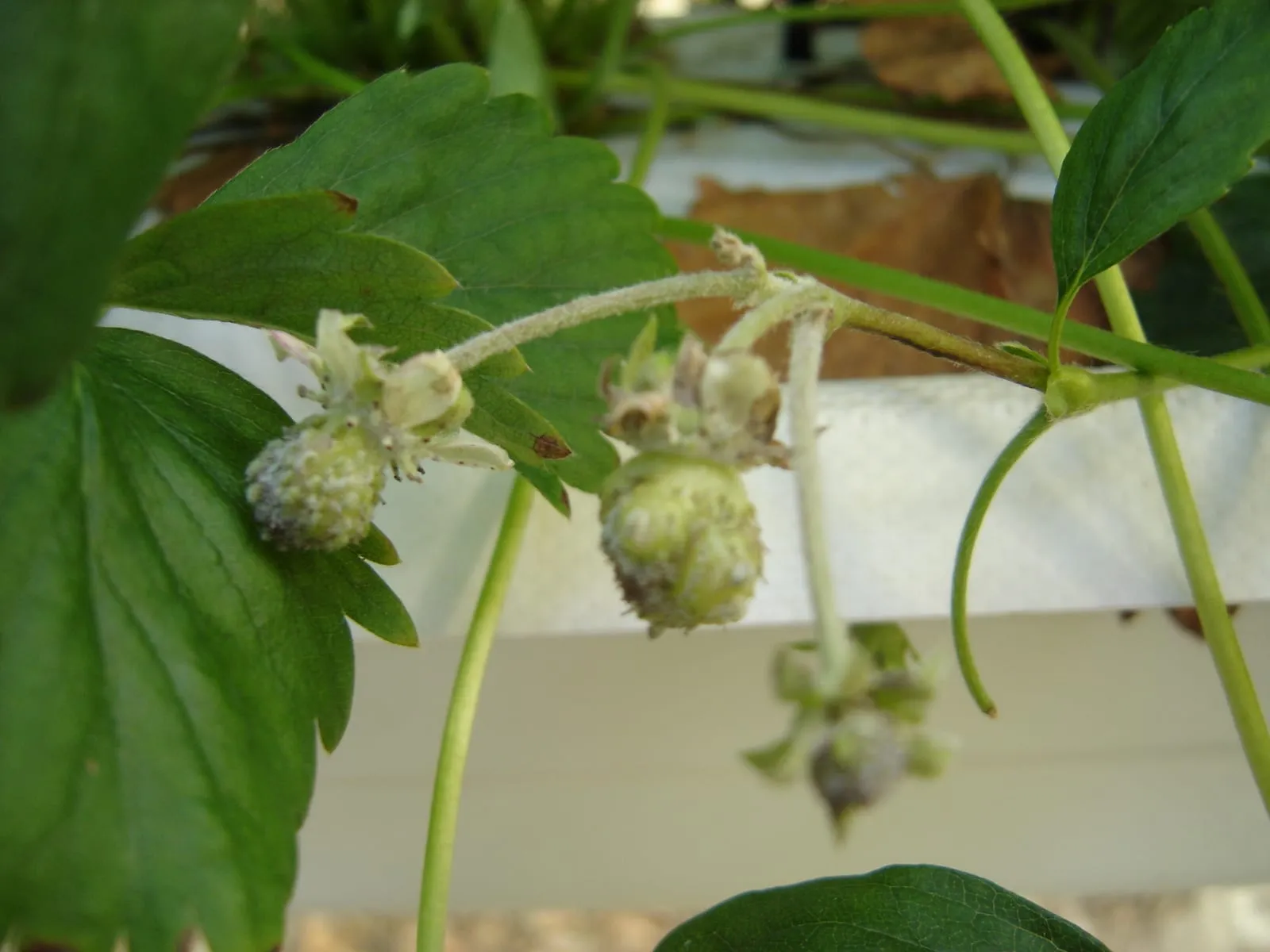
Podosphaera and Sphaerotheca species
Surface-feeding fungal disease producing white powdery growth on leaves and fruit, particularly damaging on gooseberries.
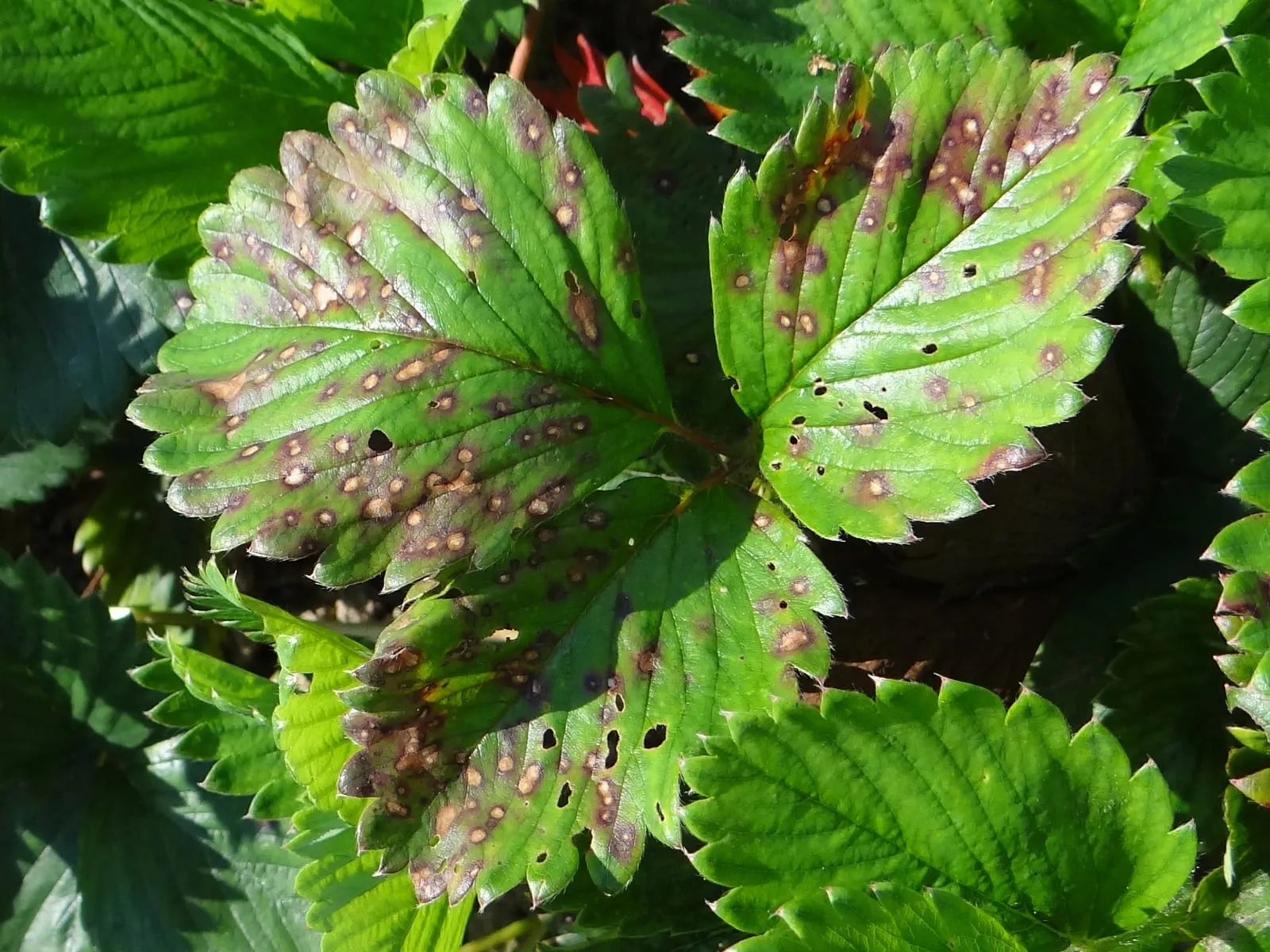
Mycosphaerella fragariae
Common fungal disease producing characteristic small purple spots with white centers on strawberry leaves.
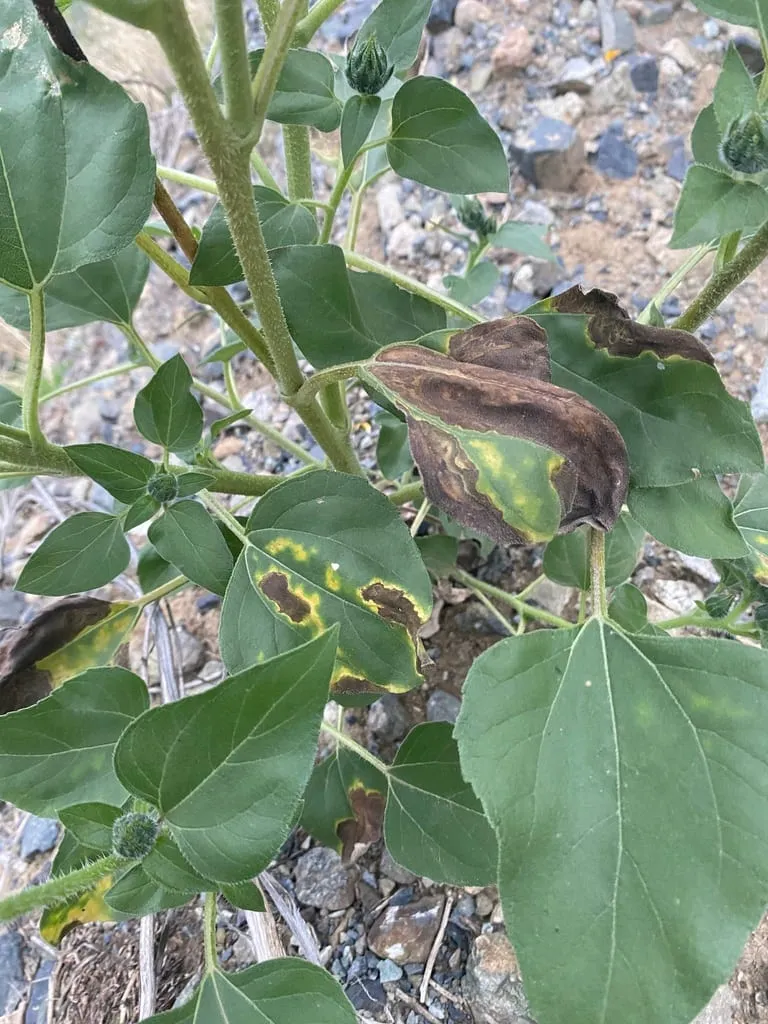
Verticillium dahliae
Soil-borne fungal disease similar to fusarium wilt but with broader host range and cooler temperature optimum. Persists in soil for 10+ years.
Modified care for zone 7b
Zone 7b's humidity and summer heat create disease and insect pressure that demands more active management than cooler growing regions. Gray mold (Botrytis) and anthracnose are the primary disease threats, peaking when warm, wet conditions coincide with ripening fruit in late spring and again in fall. Adequate plant spacing for air circulation and raised or well-drained beds reduce disease incidence measurably. Phytophthora root rot is a persistent risk in the heavy clay soils common across the piedmont; raised beds with amended, well-drained substrate are the practical solution rather than soil amendments alone. Japanese beetles and brown marmorated stink bugs cause significant fruit damage during summer and require monitoring through the harvest windows. Straw or pine-needle mulch moderates soil temperature, retains moisture during summer heat, and limits direct fruit contact with soil, which reduces anthracnose infection. A summer renovation, cutting foliage back after the spring flush, removes disease-harboring debris and helps reset plant vigor for the fall crop.
Everbearing Strawberry in adjacent zones
Image: "Starr 080103-1271 Fragaria x ananassa", by Forest & Kim Starr, via Wikimedia Commons, licensed under CC-BY Source.

Related