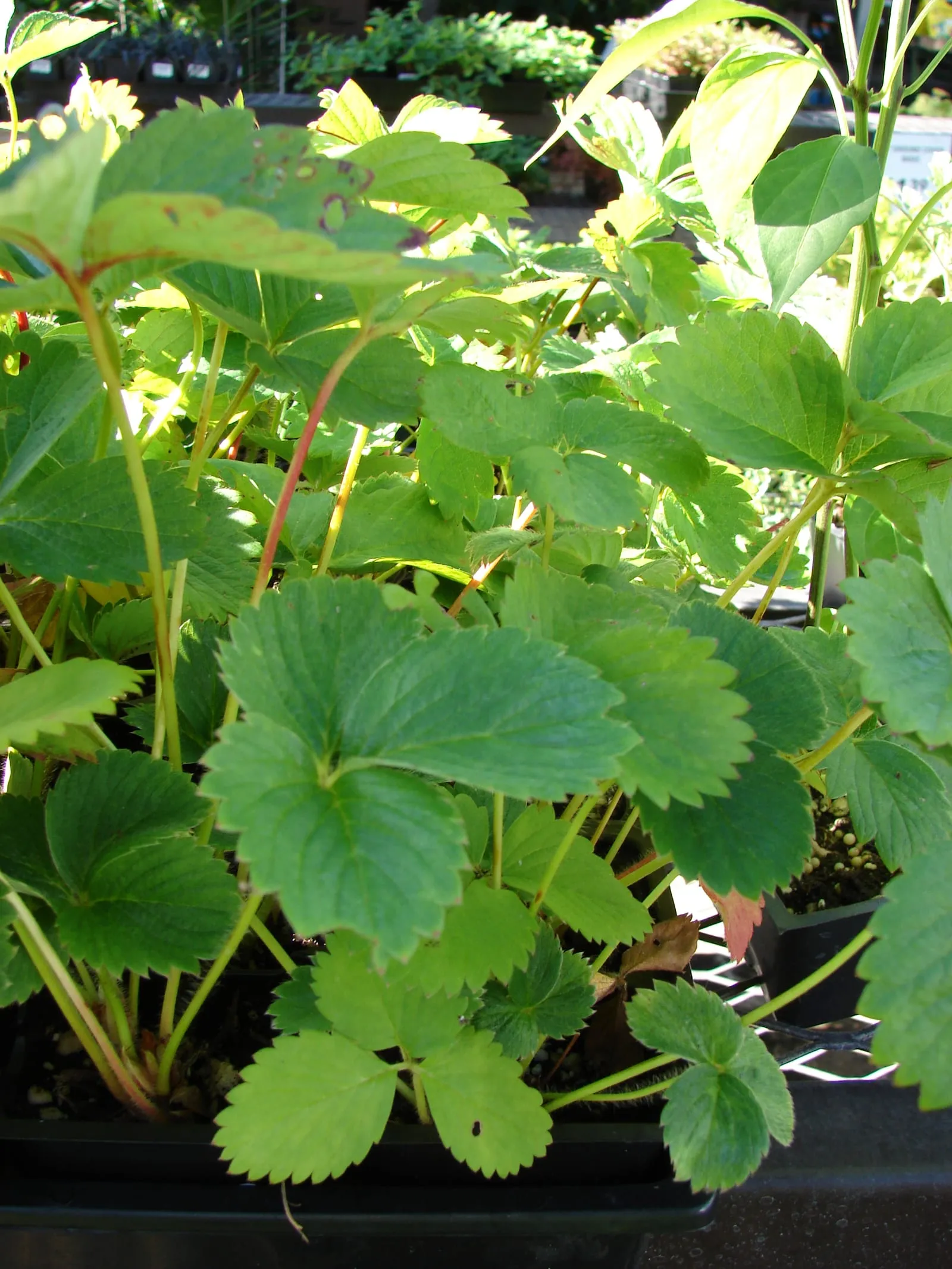
berry in zone 8a
Growing everbearing strawberry in zone 8a
Fragaria x ananassa
- Zone
- 8a 10°F to 15°F
- Growing season
- 240 days
- Suitable varieties
- 2
- Days to harvest
- 28 to 35
The verdict
Zone 8a is a workable, if imperfect, fit for everbearing strawberries. The critical variable is chill hours: everbearing types require far fewer than June-bearing varieties, typically 200 to 300 hours below 45°F, and zone 8a winters reliably deliver that range in most locations. Varieties like Albion and Seascape were bred specifically with warmer climates in mind and have demonstrated consistent performance through zone 8.
The real limitation is summer heat. Strawberries slow fruit set sharply when daytime temperatures exceed 85°F, and zone 8a regularly sees extended stretches above that threshold from June through August. Rather than a sweet spot, treat zone 8a as the southern edge of productive everbearing territory: the spring and fall flushes will be strong, but midsummer production drops off substantially. Growers who expect year-round picking will be disappointed; those who plan around two distinct harvest windows will do well.
Recommended varieties for zone 8a
2 cultivars suited to this zone, with disease-resistance and zone-fit annotations.
| Variety | Notes | Zone fit | Disease resistance |
|---|---|---|---|
| Albion fits zone 8a | Sweet, firm, large conical berries with intense flavor; fresh eating premium, ships well. Day-neutral, produces continuously from spring to frost. | | none noted |
| Seascape fits zone 8a | Sweet-tart, firm, bright red large berries with balanced flavor; fresh, freezing. Day-neutral, productive in heat where many strawberries fail. | | none noted |
Critical timing for zone 8a
First blooms typically open in late February or early March in zone 8a, arriving ahead of the average last frost date, which falls around mid-March in most of the zone. This timing creates a recurring late-frost risk for early flowers, particularly in years with a cold snap in March. Row cover kept on hand through mid-March is a practical hedge.
The spring harvest runs roughly April through May. Production then slows through the heat of summer, with most established plantings producing little from mid-June through August. The fall flush begins as temperatures moderate, generally mid-September through October, and can be the more reliable of the two harvests in a warm year. The 240-day growing season means the fall window has meaningful length before killing frost.
Common challenges in zone 8a
- ▸ Insufficient chill hours for some apple varieties
- ▸ Pierce's disease in grapes
- ▸ Heat stress on cool-season crops
Disease pressure to watch for
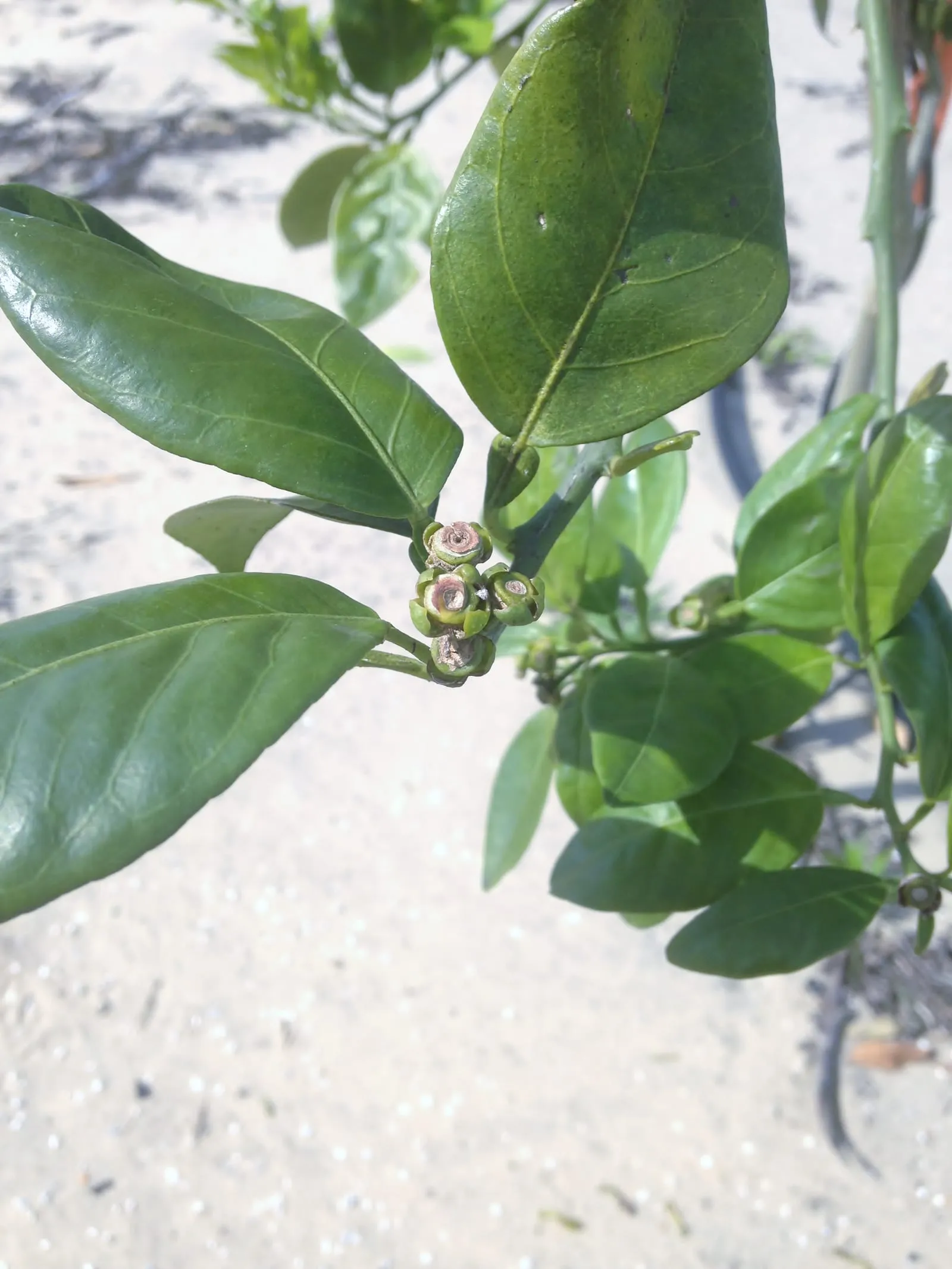
Colletotrichum acutatum
Aggressive fungal disease that causes fruit rot, crown rot, and runner lesions in strawberries, devastating during warm wet weather.
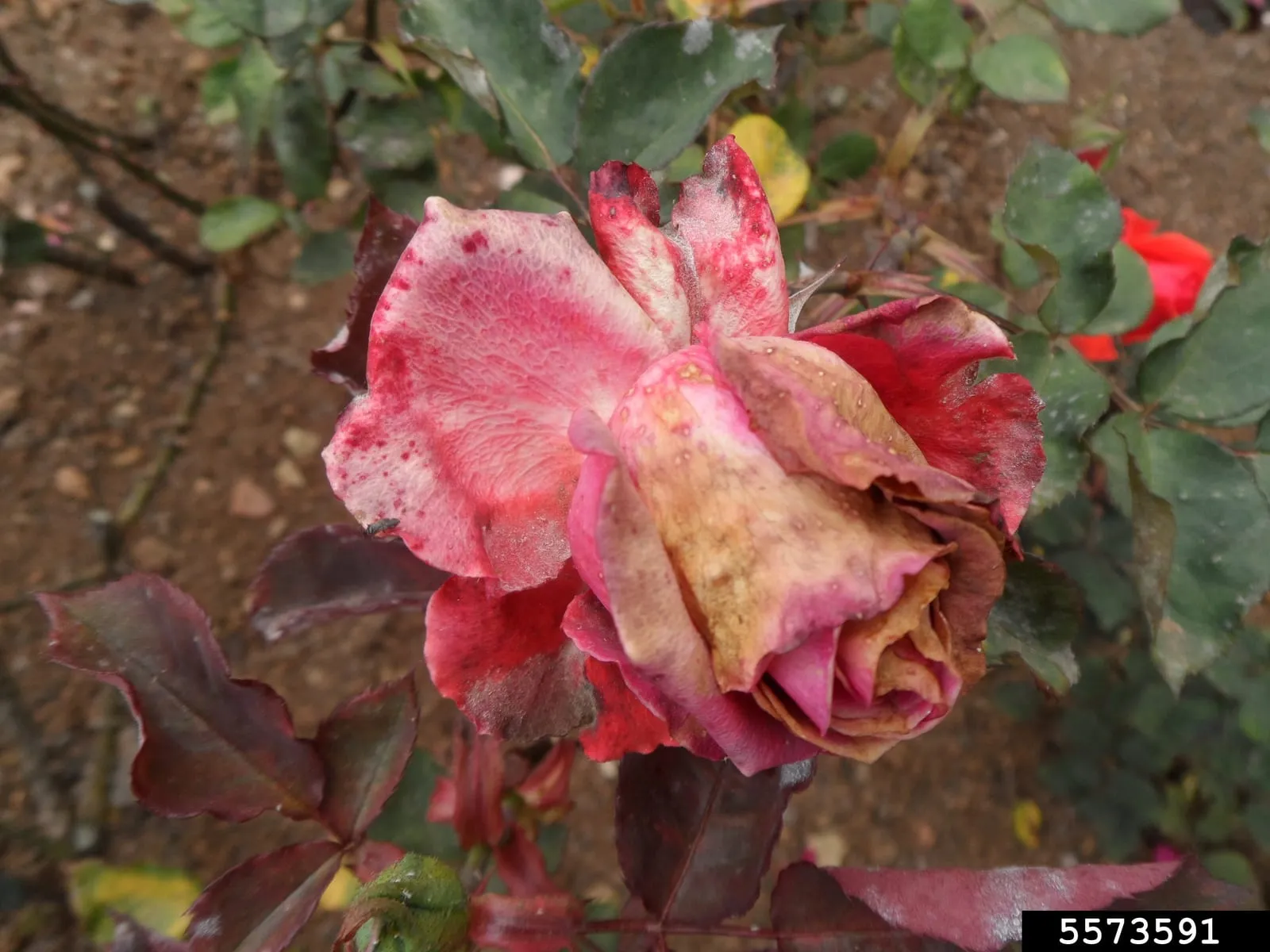
Botrytis cinerea
Ubiquitous fungal disease that causes fruit rot during cool wet weather, often the dominant berry disease in humid regions.
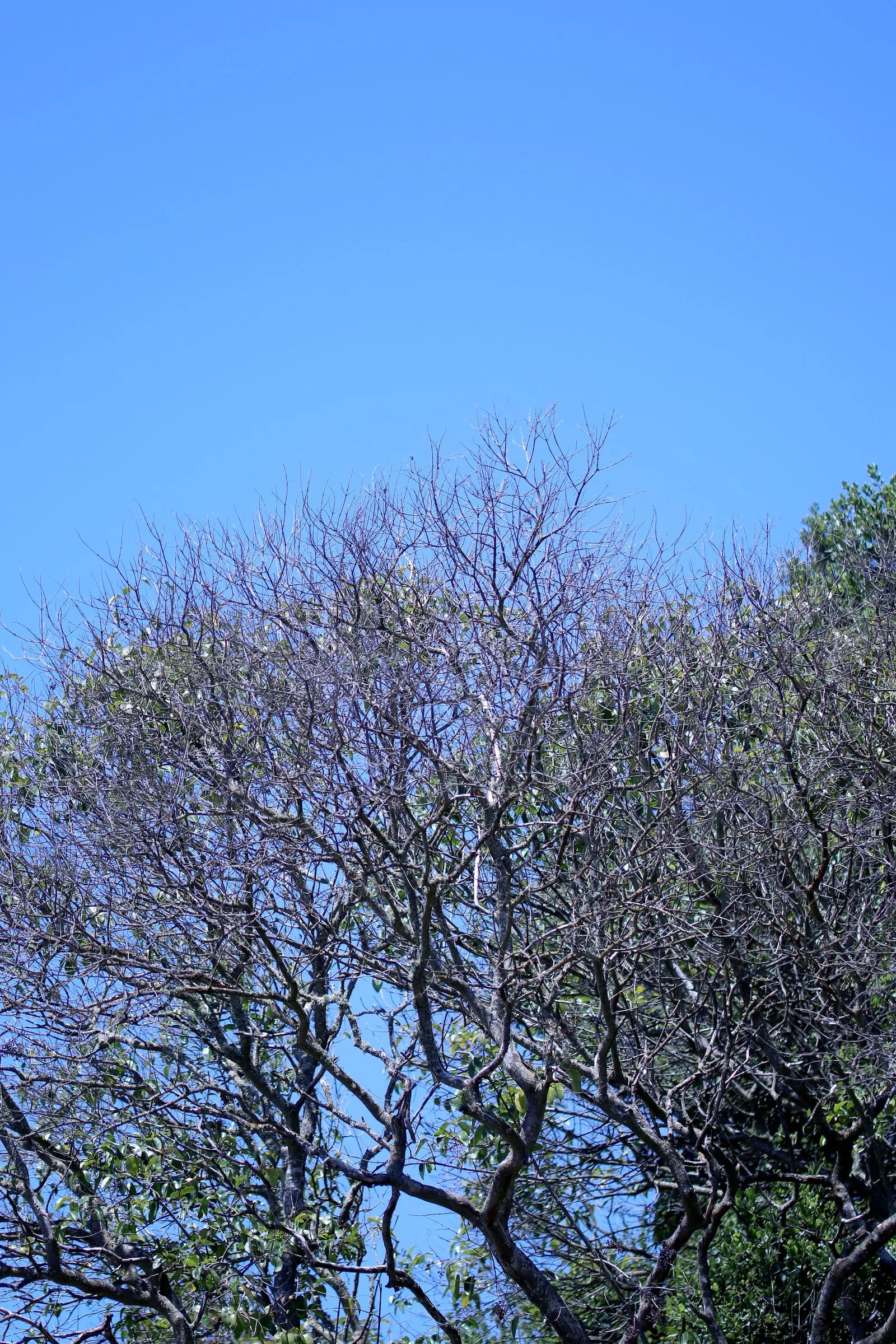
Phytophthora species
Soil-borne water mold that destroys roots in waterlogged soils, the leading cause of blueberry decline in poorly drained sites.
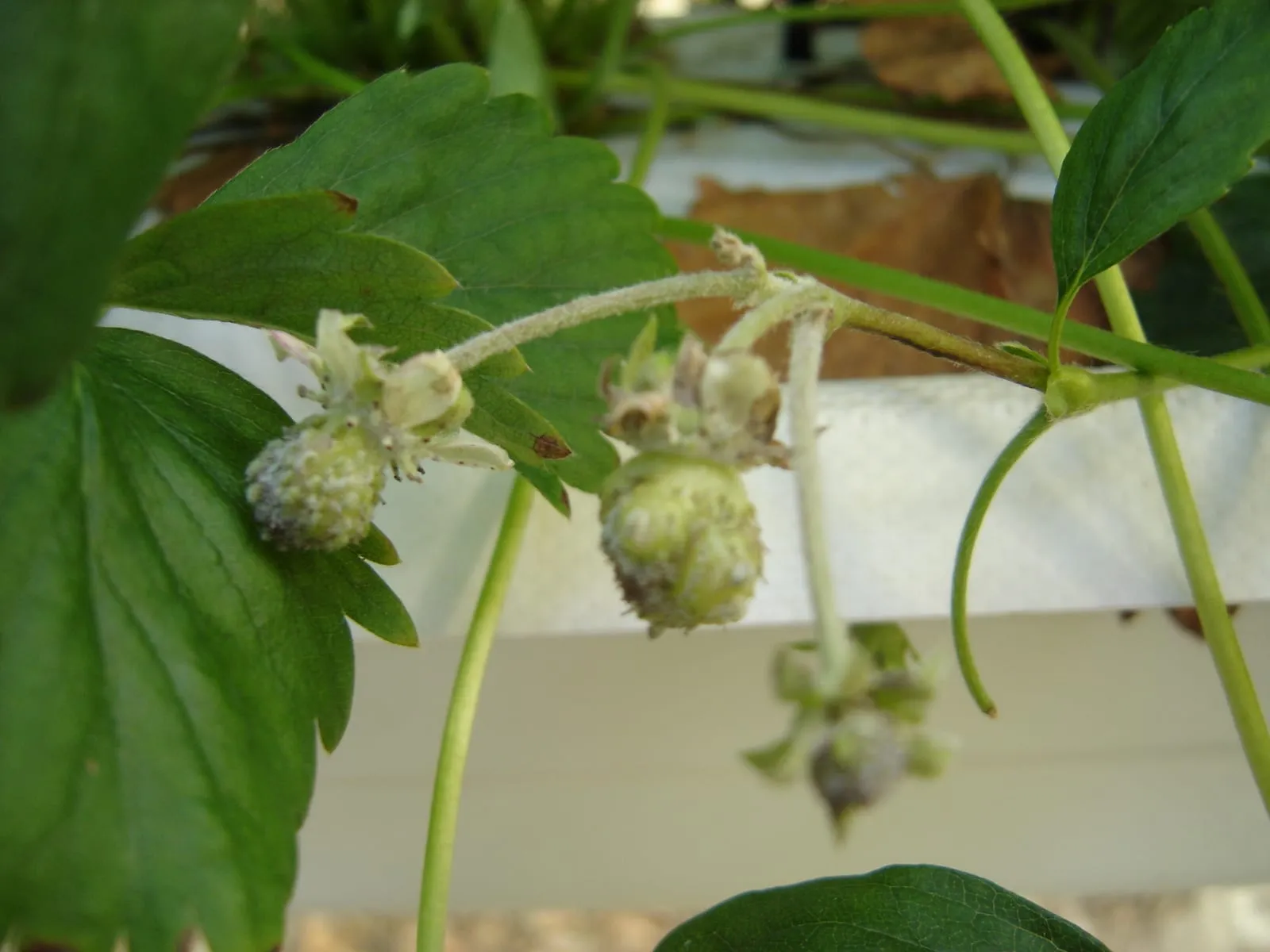
Podosphaera and Sphaerotheca species
Surface-feeding fungal disease producing white powdery growth on leaves and fruit, particularly damaging on gooseberries.
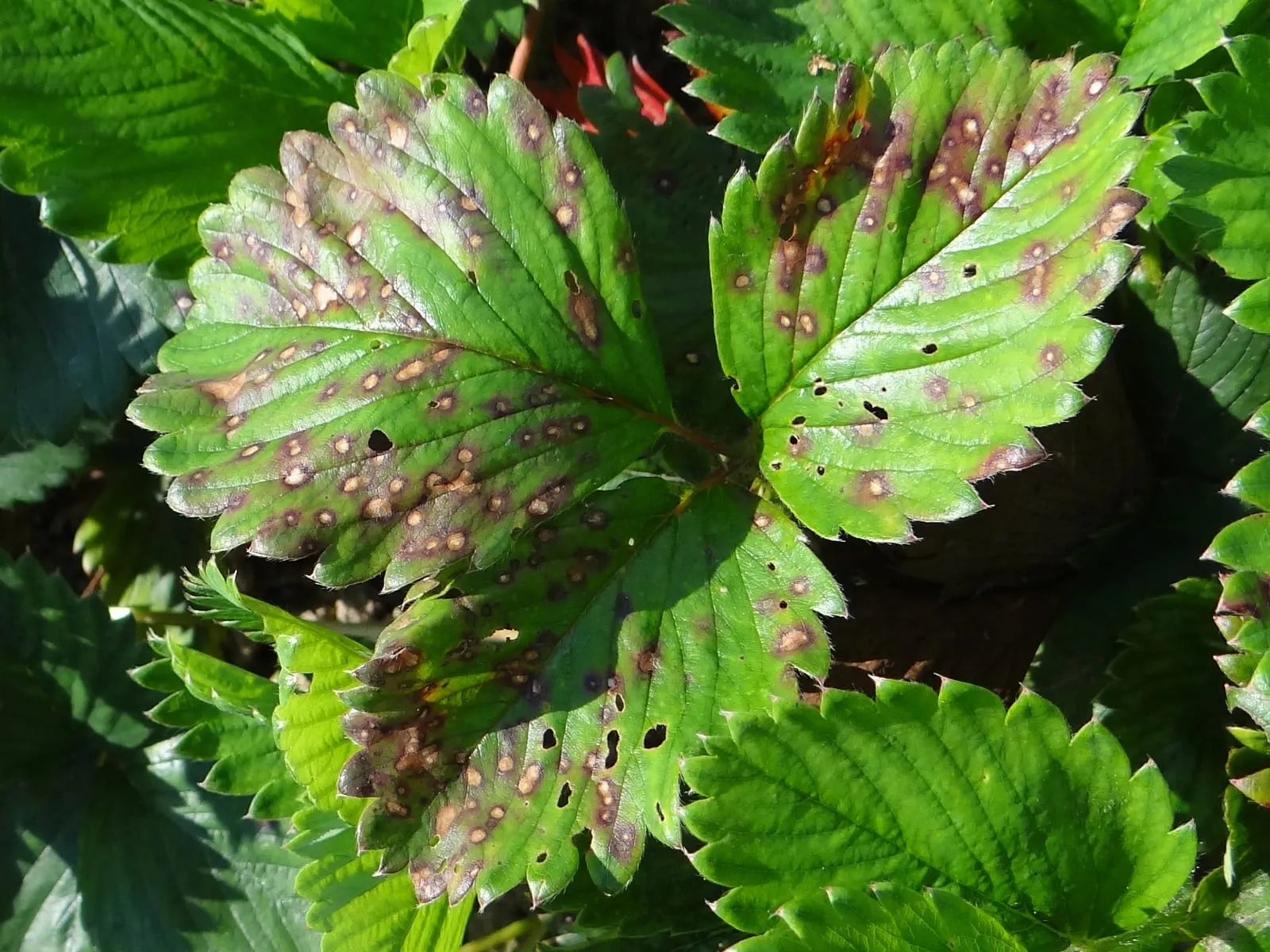
Mycosphaerella fragariae
Common fungal disease producing characteristic small purple spots with white centers on strawberry leaves.
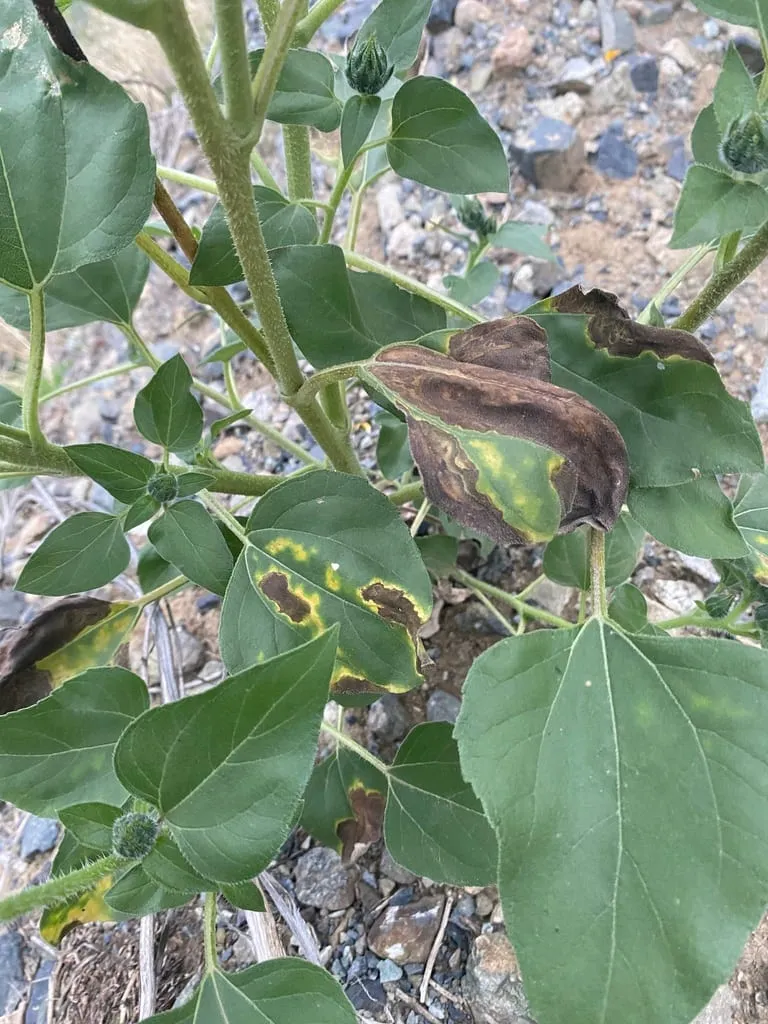
Verticillium dahliae
Soil-borne fungal disease similar to fusarium wilt but with broader host range and cooler temperature optimum. Persists in soil for 10+ years.
Modified care for zone 8a
The primary adjustment in zone 8a is managing heat stress. Applying 3 to 4 inches of straw mulch before summer holds soil moisture and moderates root-zone temperature. In locations with afternoon sun exposure, light shade cloth during peak summer weeks reduces heat load without significantly reducing fall productivity.
Disease pressure is elevated compared to cooler zones. Gray mold (Botrytis) is most active during the humid conditions of spring harvest; spacing plants to allow airflow and removing spent fruit promptly reduces incidence. Strawberry anthracnose and Phytophthora root rot both intensify in warm, wet soils, so well-drained beds and avoiding overhead irrigation where possible are practical preventive steps. Renovation after the spring harvest, cutting foliage back and thinning runners, helps reset the planting for fall production and removes disease inoculum that builds up during the season.
Frequently asked questions
- Do everbearing strawberries produce fruit all summer in zone 8a?
Not reliably. Fruit set drops when daytime temperatures exceed 85°F, which is common in zone 8a from June through August. Most production comes in two flushes: a strong spring harvest in April to May and a fall harvest from mid-September through October.
- Which everbearing varieties perform best in zone 8a?
Albion and Seascape are the most consistently recommended for warmer zones. Both were developed with heat tolerance in mind and handle zone 8 summers better than older everbearing selections like Quinault or Fort Laramie.
- Do everbearing strawberries need winter protection in zone 8a?
Minimal protection is needed. Zone 8a minimum temperatures of 10 to 15°F are within the tolerance range of established strawberry crowns. A light straw mulch applied after the first hard frost helps in areas that see the colder end of the zone's range, but heavy insulation is not required.
- How does Phytophthora root rot become a problem in zone 8a?
Phytophthora thrives in warm, waterlogged soil, conditions that zone 8a's clay-heavy lowland soils and summer rain events can create. Raised beds, consistent drainage, and avoiding replanting strawberries in previously affected ground are the main preventive measures.
+−
+−
+−
+−
Everbearing Strawberry in adjacent zones
Image: "Starr 080103-1271 Fragaria x ananassa", by Forest & Kim Starr, via Wikimedia Commons, licensed under CC-BY Source.

Related