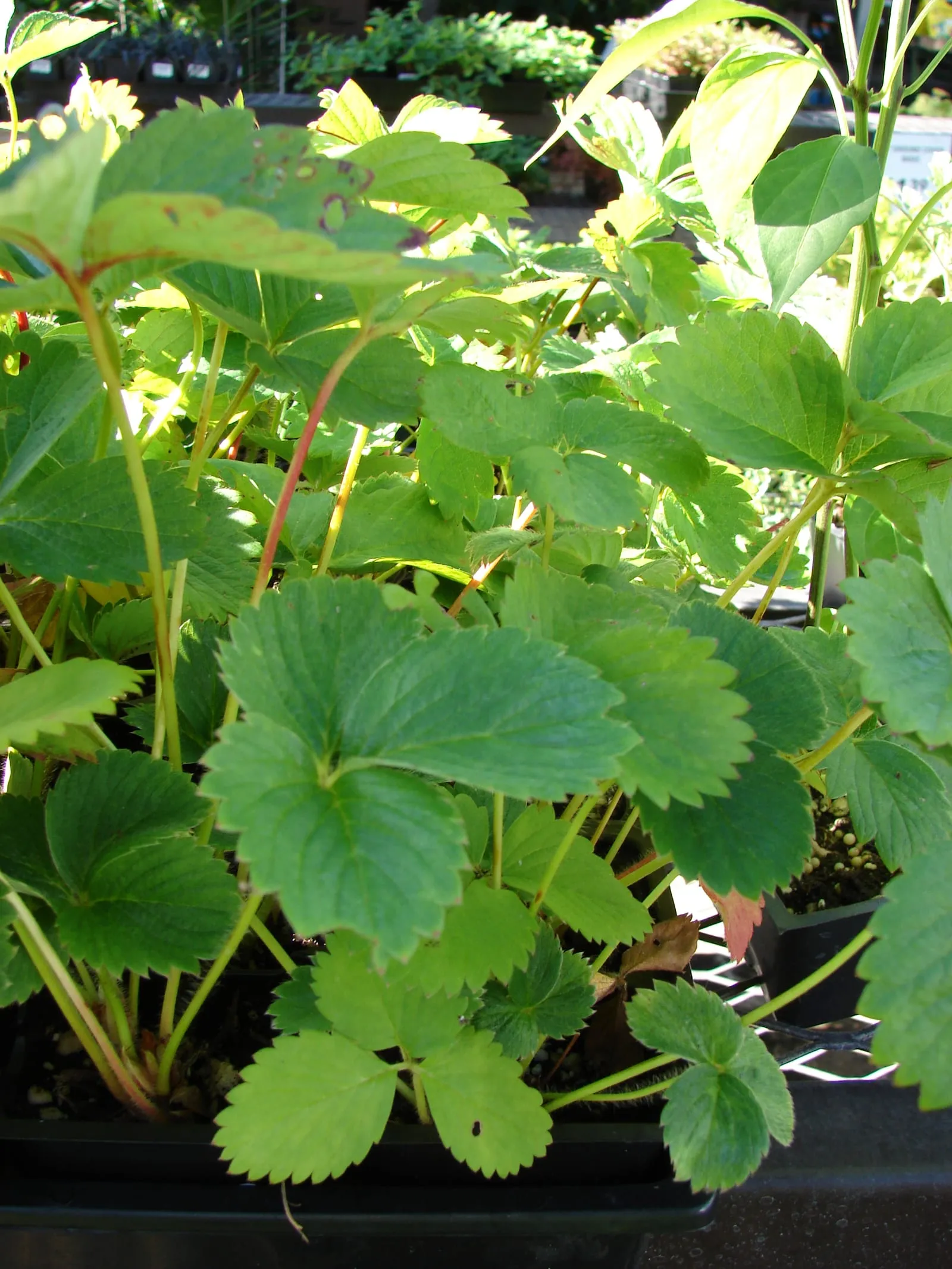
berry in zone 8b
Growing everbearing strawberry in zone 8b
Fragaria x ananassa
- Zone
- 8b 15°F to 20°F
- Growing season
- 260 days
- Suitable varieties
- 2
- Days to harvest
- 28 to 35
The verdict
Zone 8b sits at the warm edge of reliable everbearing strawberry production, but it is workable rather than marginal. Everbearing (day-neutral) cultivars require roughly 200 to 300 chill hours below 45°F, a threshold most zone 8b winters meet without difficulty. The binding constraint here is not winter cold but summer heat: sustained temperatures above 85 to 90°F trigger flower abortion in most cultivars, compressing the productive window into spring and fall flushes rather than continuous midsummer cropping. The 260-day growing season is an asset, giving both flushes room to develop fully. Albion and Seascape are the right variety choices for this zone, both bred for warm-climate production and with demonstrated performance in low-chill conditions. The zone's combination of mild winters and long shoulder seasons makes respectable yields achievable, provided heat and disease management are taken seriously.
Recommended varieties for zone 8b
2 cultivars suited to this zone, with disease-resistance and zone-fit annotations.
| Variety | Notes | Zone fit | Disease resistance |
|---|---|---|---|
| Albion fits zone 8b | Sweet, firm, large conical berries with intense flavor; fresh eating premium, ships well. Day-neutral, produces continuously from spring to frost. | | none noted |
| Seascape fits zone 8b | Sweet-tart, firm, bright red large berries with balanced flavor; fresh, freezing. Day-neutral, productive in heat where many strawberries fail. | | none noted |
Critical timing for zone 8b
First bloom typically opens in late February to early March in zone 8b, substantially earlier than in zones 6 and 7. Spring flush harvest runs from late March through May. Production slows considerably from June through August as heat accumulates, with most cultivars producing sparse, undersized fruit during peak summer. A fall flush begins as temperatures drop below the mid-80s in September, with harvest continuing through October and into November. First frost in zone 8b arrives roughly in late November to December in most locations, ending outdoor production. Because plants rarely go fully dormant in this zone, they enter the spring flush carrying residual vigor from a compressed winter rest rather than a hard dormancy, which tends to push bloom dates earlier than zone charts alone might suggest.
Common challenges in zone 8b
- ▸ Low chill hours limit apple variety selection
- ▸ Citrus greening risk
- ▸ Nematodes in sandy soils
Disease pressure to watch for
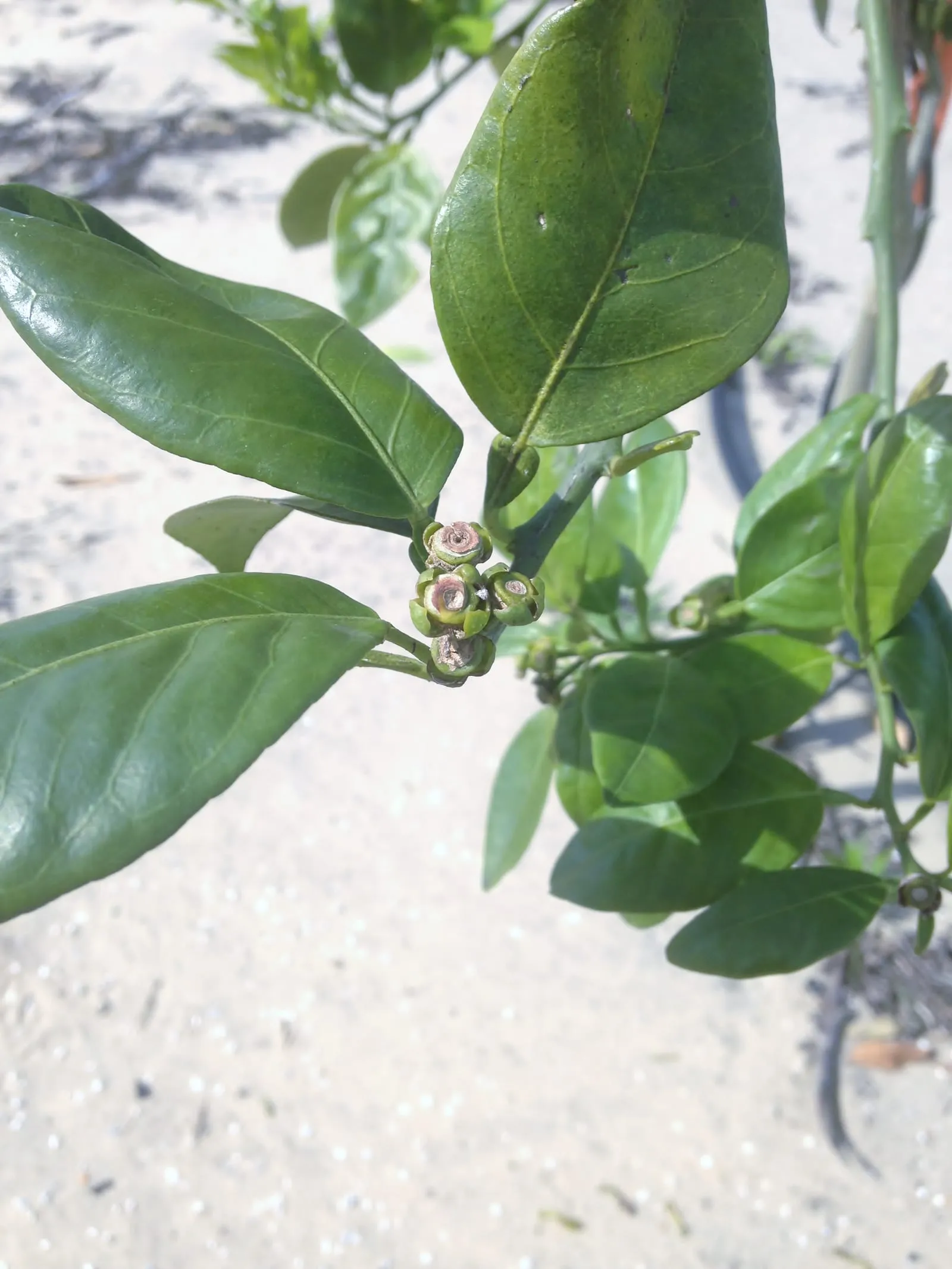
Colletotrichum acutatum
Aggressive fungal disease that causes fruit rot, crown rot, and runner lesions in strawberries, devastating during warm wet weather.
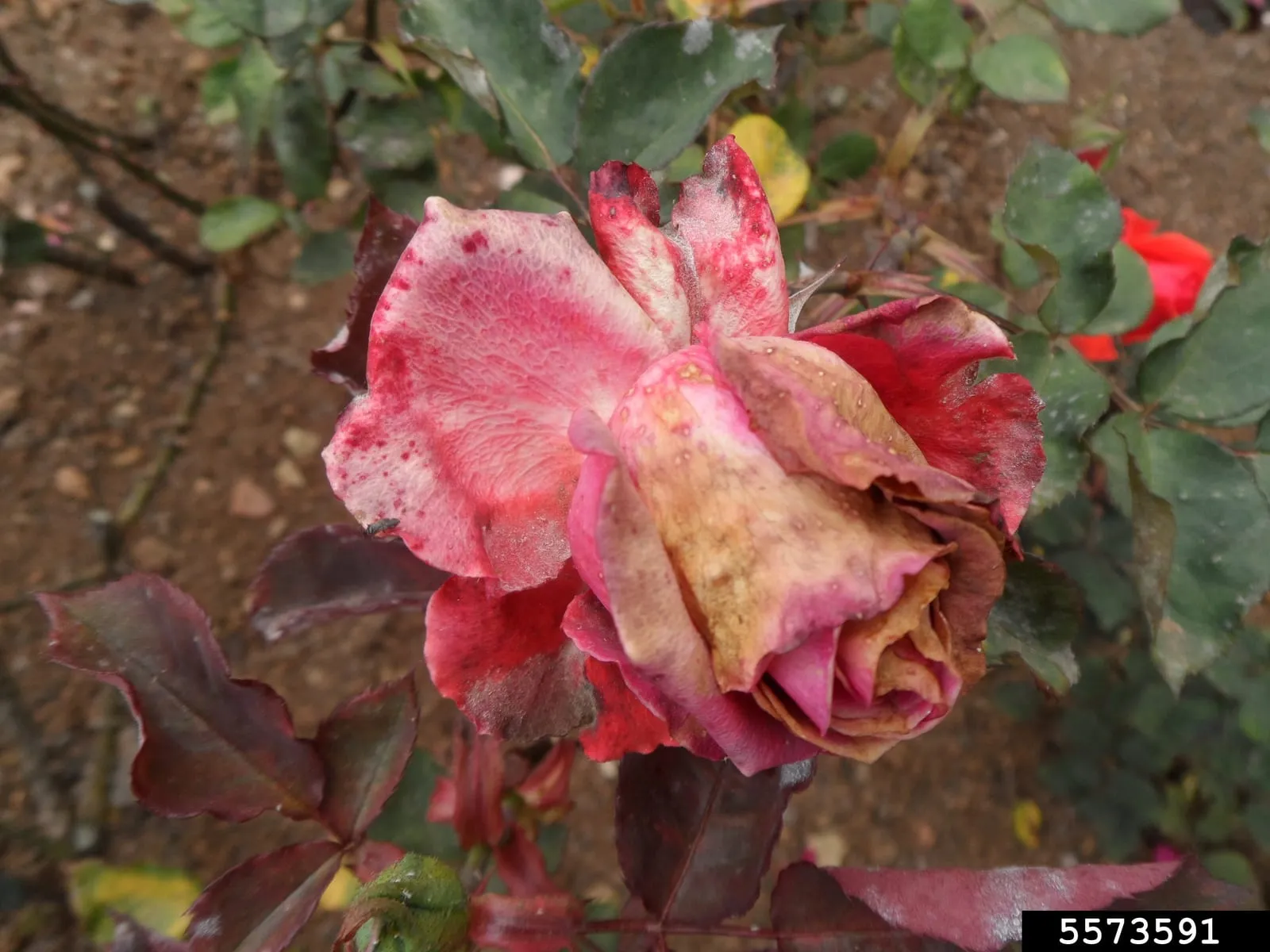
Botrytis cinerea
Ubiquitous fungal disease that causes fruit rot during cool wet weather, often the dominant berry disease in humid regions.
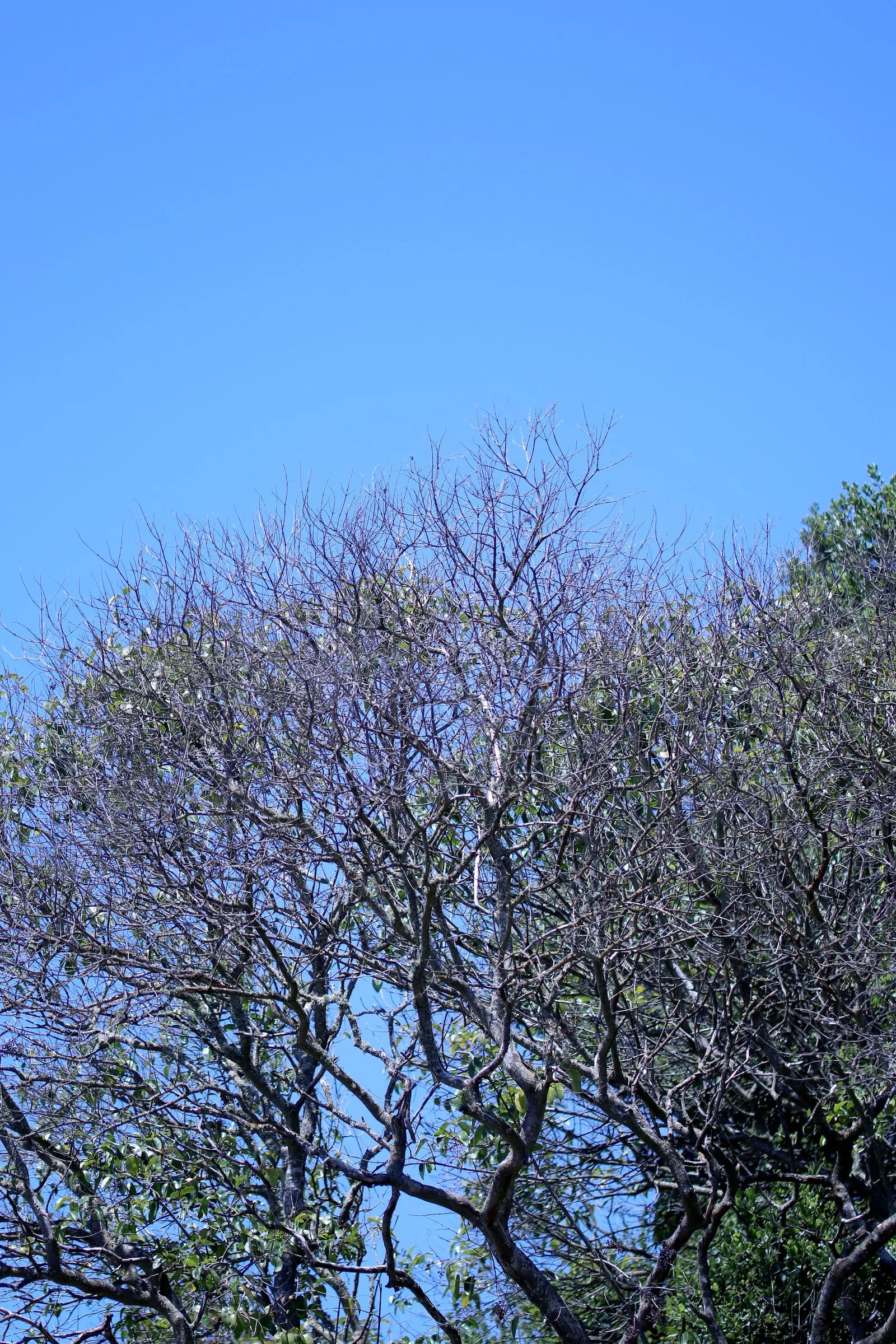
Phytophthora species
Soil-borne water mold that destroys roots in waterlogged soils, the leading cause of blueberry decline in poorly drained sites.
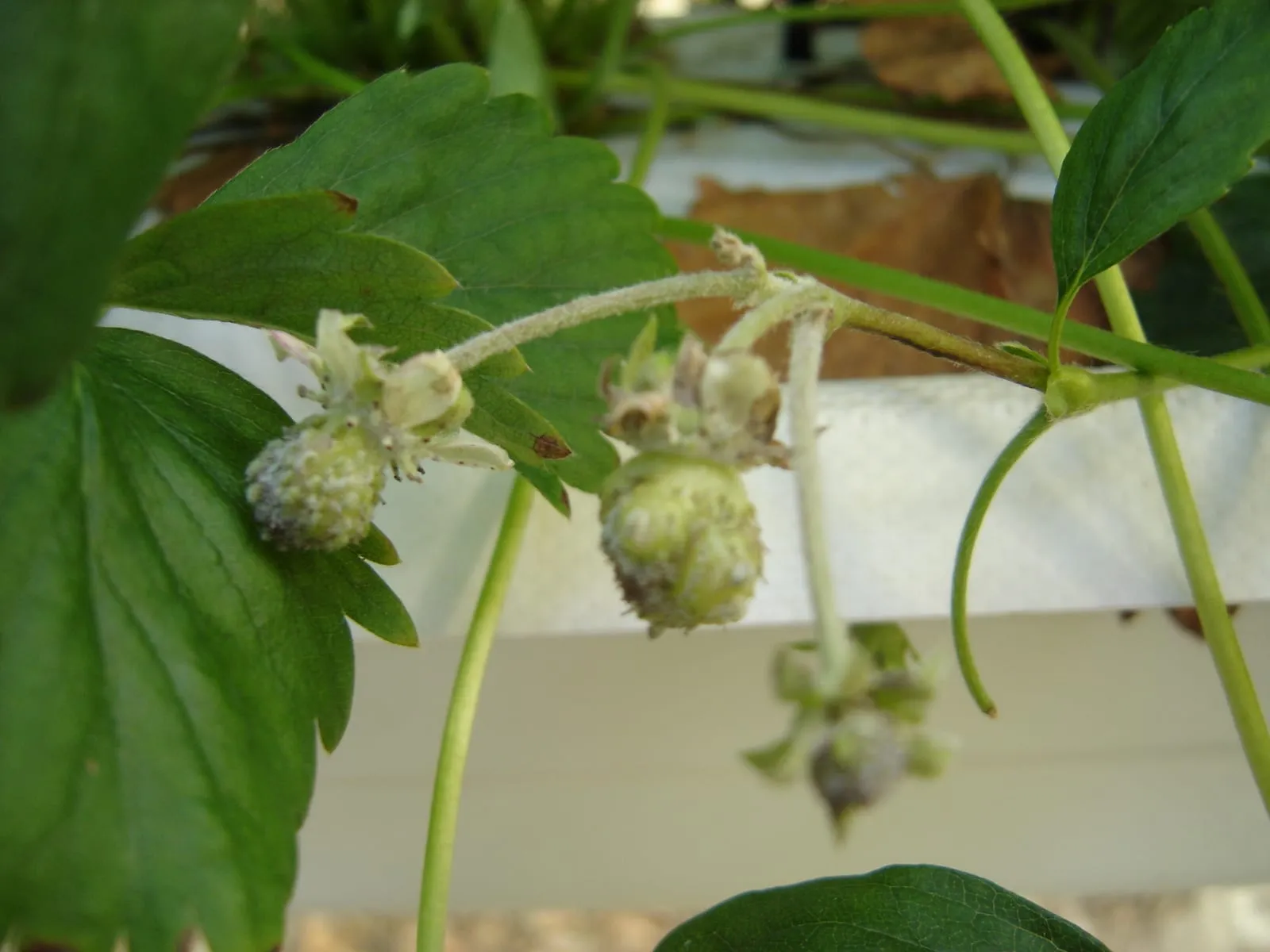
Podosphaera and Sphaerotheca species
Surface-feeding fungal disease producing white powdery growth on leaves and fruit, particularly damaging on gooseberries.
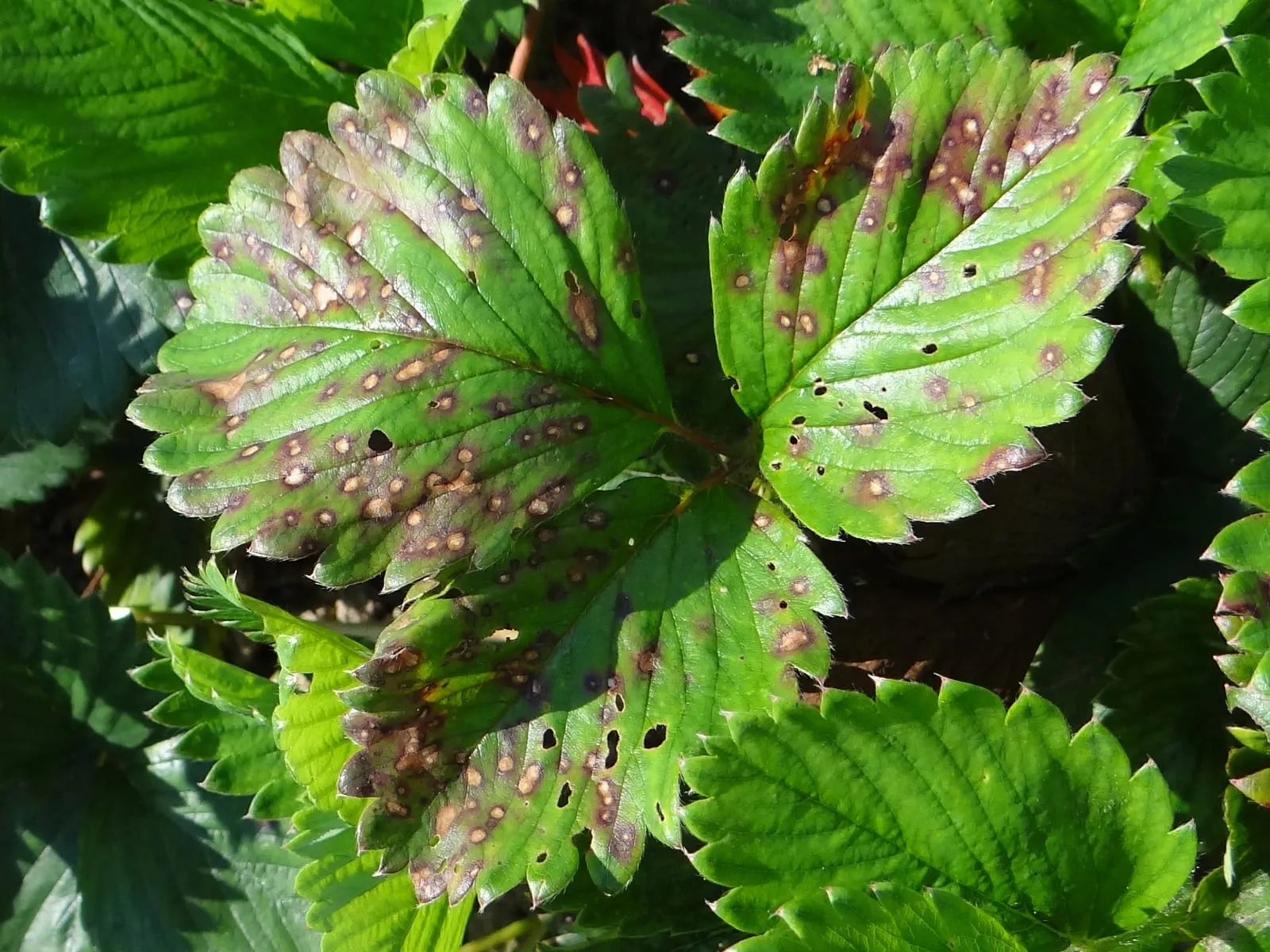
Mycosphaerella fragariae
Common fungal disease producing characteristic small purple spots with white centers on strawberry leaves.
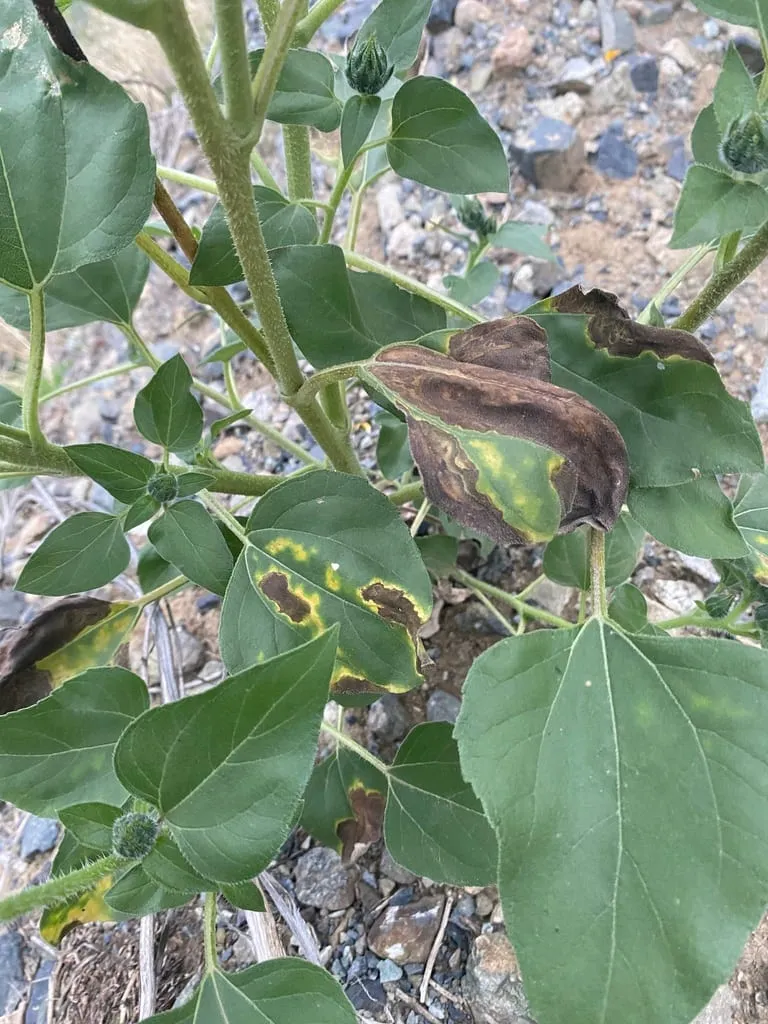
Verticillium dahliae
Soil-borne fungal disease similar to fusarium wilt but with broader host range and cooler temperature optimum. Persists in soil for 10+ years.
Modified care for zone 8b
Heat management is the primary adjustment for zone 8b growers. A 2 to 3 inch straw or pine needle mulch layer keeps the root zone cooler and conserves moisture through summer. Partial afternoon shade using 30 to 40 percent shade cloth can meaningfully extend summer production in exposed beds. Disease pressure is elevated compared to cooler zones: anthracnose and gray mold (Botrytis) thrive in warm, humid conditions, making plant spacing for airflow and drip or soaker irrigation (rather than overhead watering) practical necessities rather than optional refinements. Phytophthora root rot is a risk in heavy or poorly drained soils, particularly during wet spring periods. In sandy soils, nematode pressure is a documented concern in zone 8b; raised beds filled with fresh growing medium sidestep much of the soil-borne risk. Runner removal throughout the season maintains plant productivity across the long growing window.
Everbearing Strawberry in adjacent zones
Image: "Starr 080103-1271 Fragaria x ananassa", by Forest & Kim Starr, via Wikimedia Commons, licensed under CC-BY Source.

Related