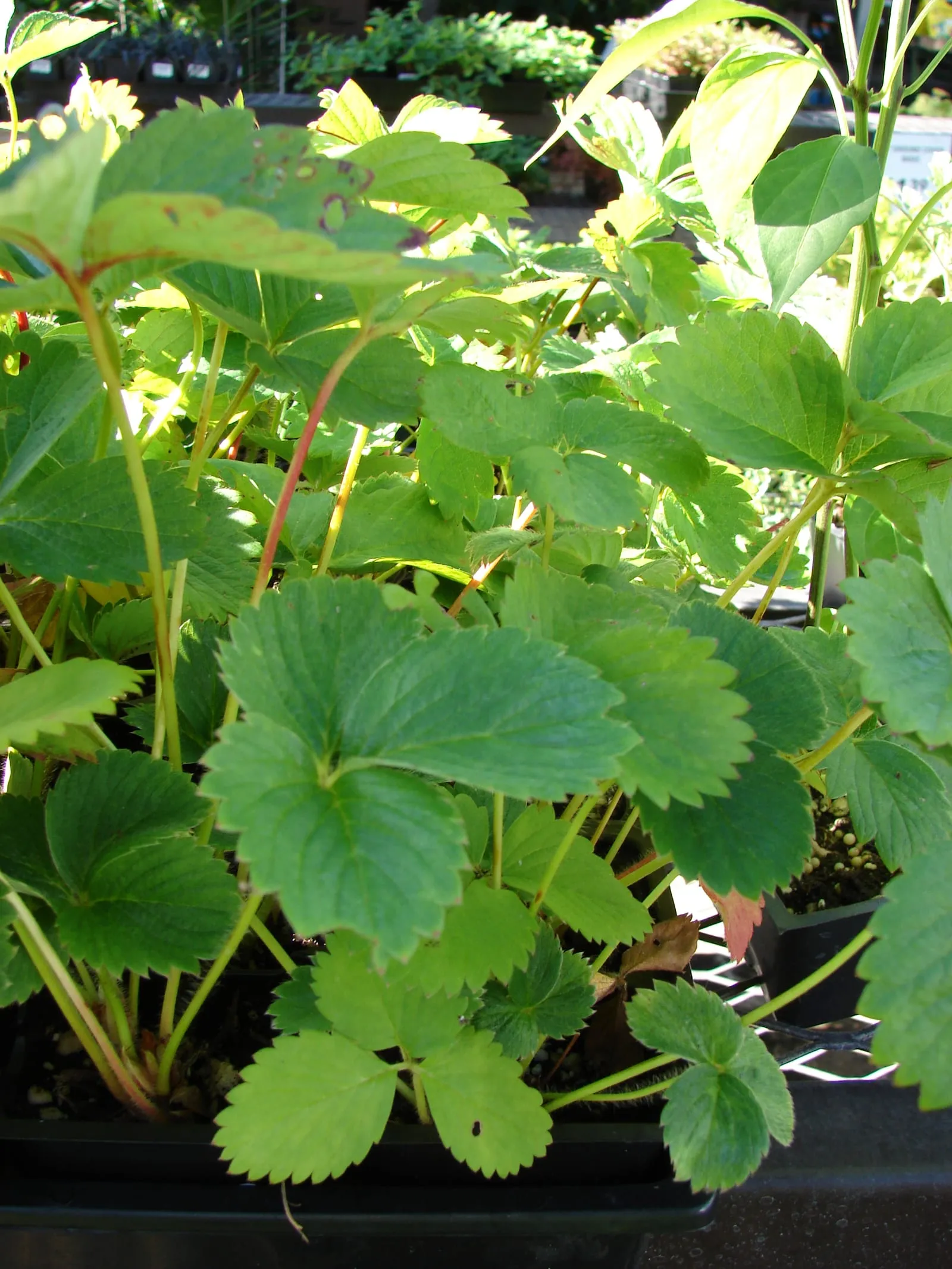
berry in zone 9a
Growing everbearing strawberry in zone 9a
Fragaria x ananassa
- Zone
- 9a 20°F to 25°F
- Growing season
- 290 days
- Suitable varieties
- 1
- Days to harvest
- 28 to 35
The verdict
Zone 9a sits at the warm edge of viable everbearing strawberry territory. Most everbearing types need 200 to 300 chill hours (below 45°F) to break dormancy properly, and zone 9a winters often deliver fewer than that, depending on the specific location. The result can be erratic flowering, reduced fruit set, and plants that exhaust themselves trying to produce without adequate rest.
Seascape is the standout exception. Bred for California's Central Coast, it was selected precisely for low-chill performance and handles zone 9a conditions better than most alternatives. It remains productive where standard everbearing varieties struggle. Even so, this is not a sweet spot for the category overall. Growers in the warmer pockets of zone 9a, particularly inland areas that experience fewer chilling hours, should treat the first season as a trial and evaluate plant vigor before committing to a larger planting.
Recommended varieties for zone 9a
1 cultivar suited to this zone, with disease-resistance and zone-fit annotations.
| Variety | Notes | Zone fit | Disease resistance |
|---|---|---|---|
| Seascape fits zone 9a | Sweet-tart, firm, bright red large berries with balanced flavor; fresh, freezing. Day-neutral, productive in heat where many strawberries fail. | | none noted |
Critical timing for zone 9a
In zone 9a, fall planting (October through November) takes advantage of mild winters to establish roots without the heat stress of summer. First flowers typically appear in February or March, with initial harvests following 4 to 6 weeks later. The 290-day growing season supports a long production window, often extending from early spring through June, then resuming in late summer and fall as temperatures moderate.
Frost is rarely a concern for bloom in this zone, given the 20 to 25°F minimum winter range and short cold periods. The bigger timing risk is summer heat: when daytime temperatures regularly exceed 85°F, flower production typically slows or stops. Growers who time plantings to maximize the cooler shoulder seasons get the most consistent yields.
Common challenges in zone 9a
- ▸ Limited stone fruit options due to insufficient chill
- ▸ Hurricane and tropical storm exposure
- ▸ Citrus disease pressure
Disease pressure to watch for
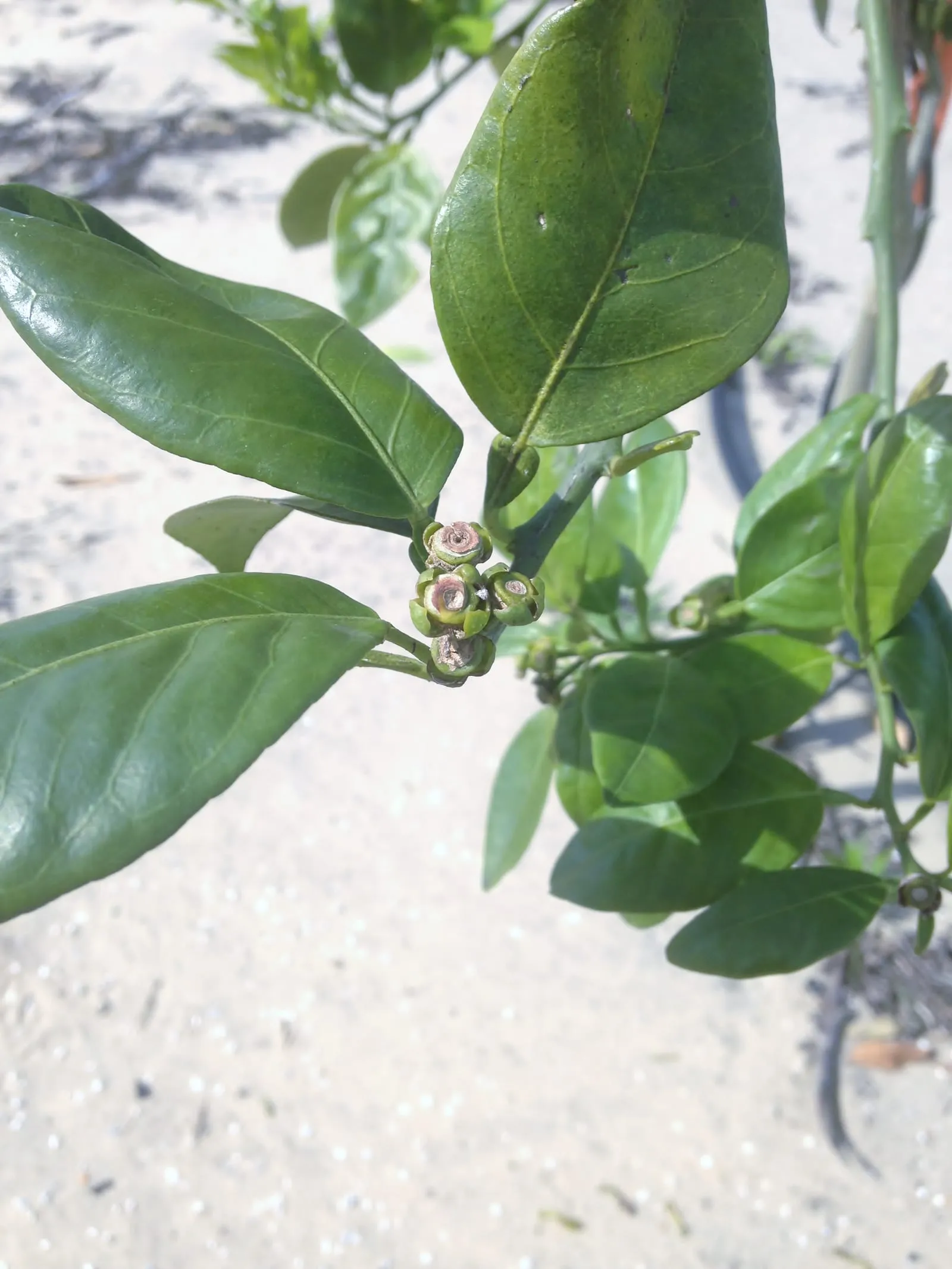
Colletotrichum acutatum
Aggressive fungal disease that causes fruit rot, crown rot, and runner lesions in strawberries, devastating during warm wet weather.
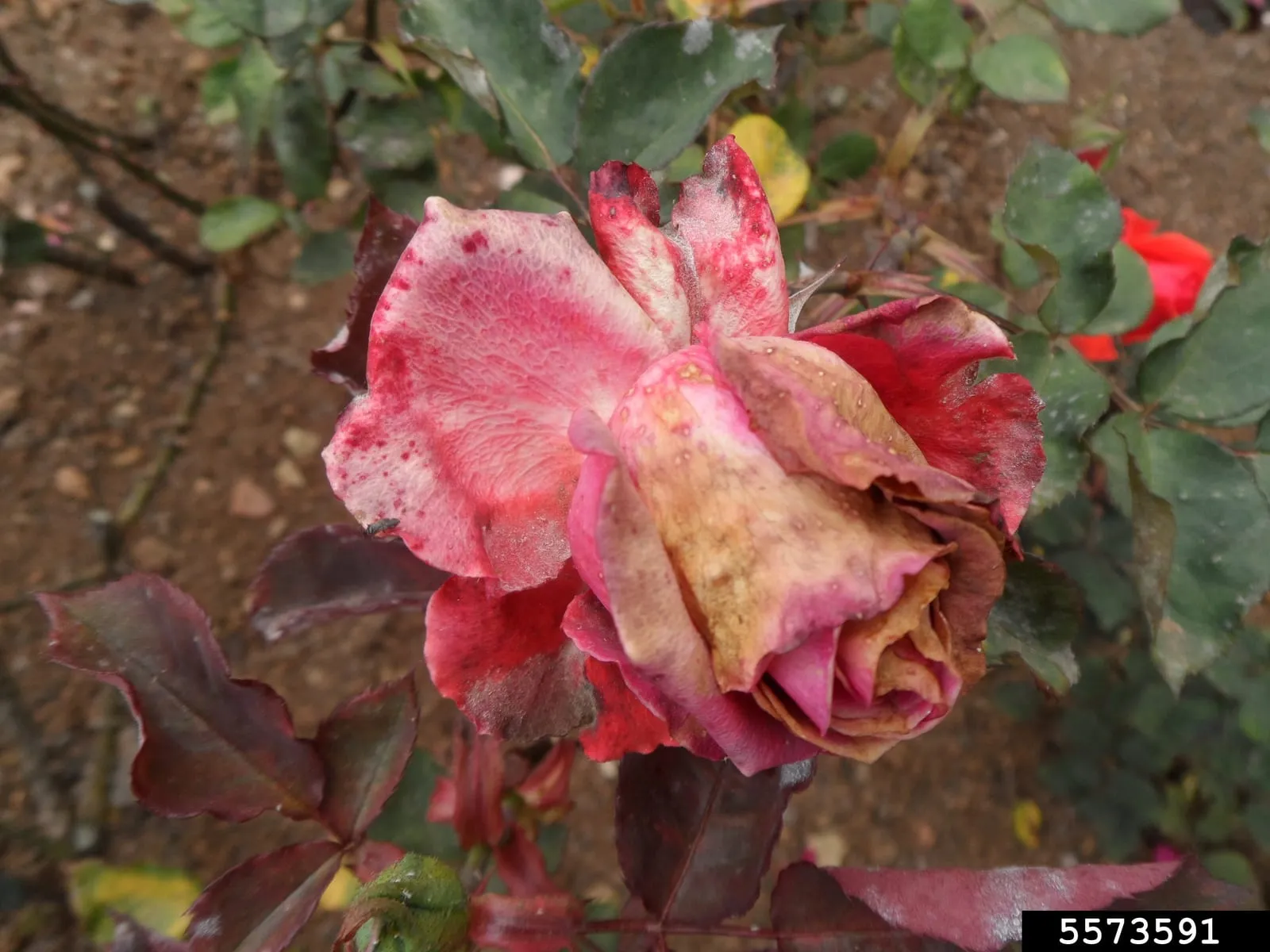
Botrytis cinerea
Ubiquitous fungal disease that causes fruit rot during cool wet weather, often the dominant berry disease in humid regions.
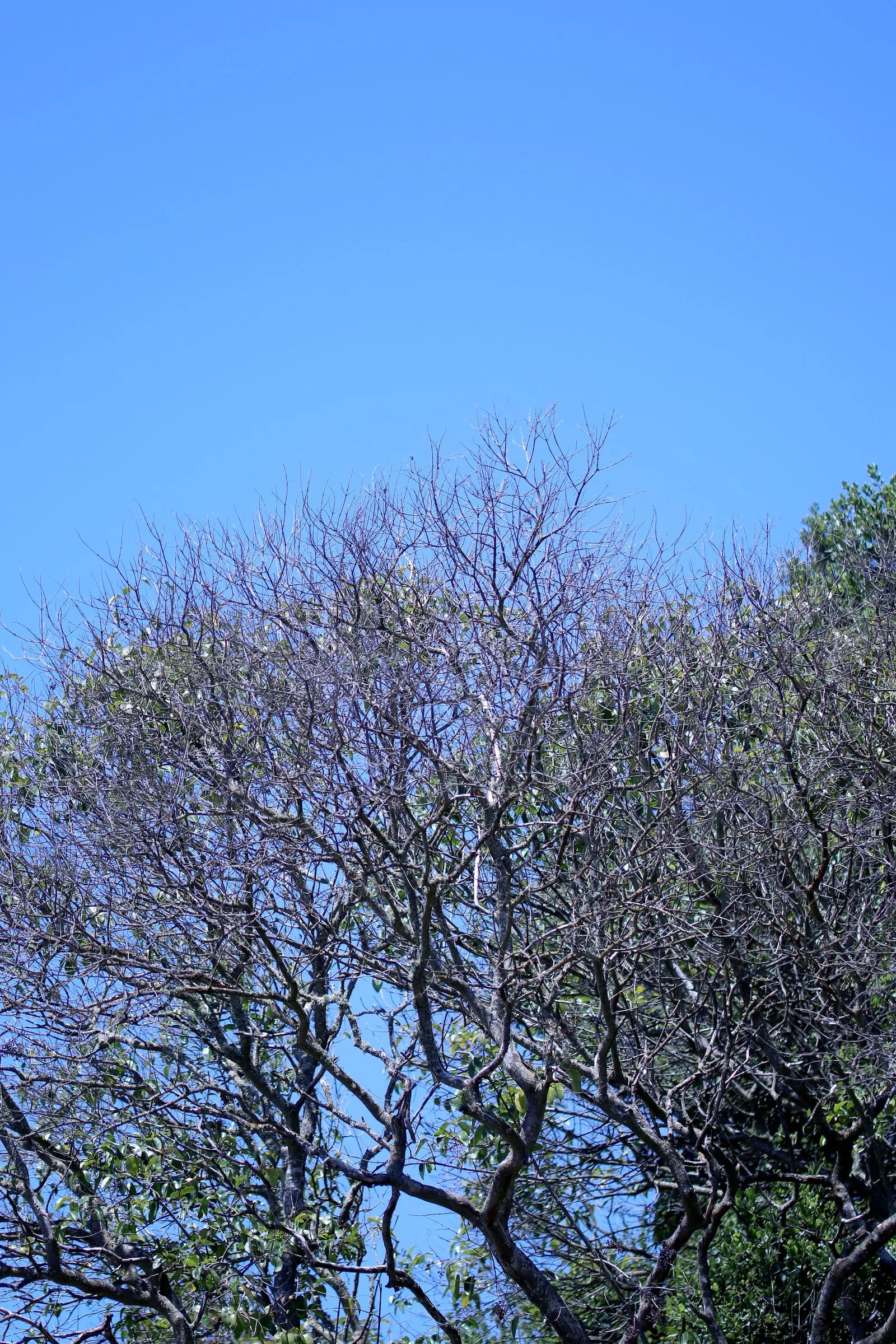
Phytophthora species
Soil-borne water mold that destroys roots in waterlogged soils, the leading cause of blueberry decline in poorly drained sites.
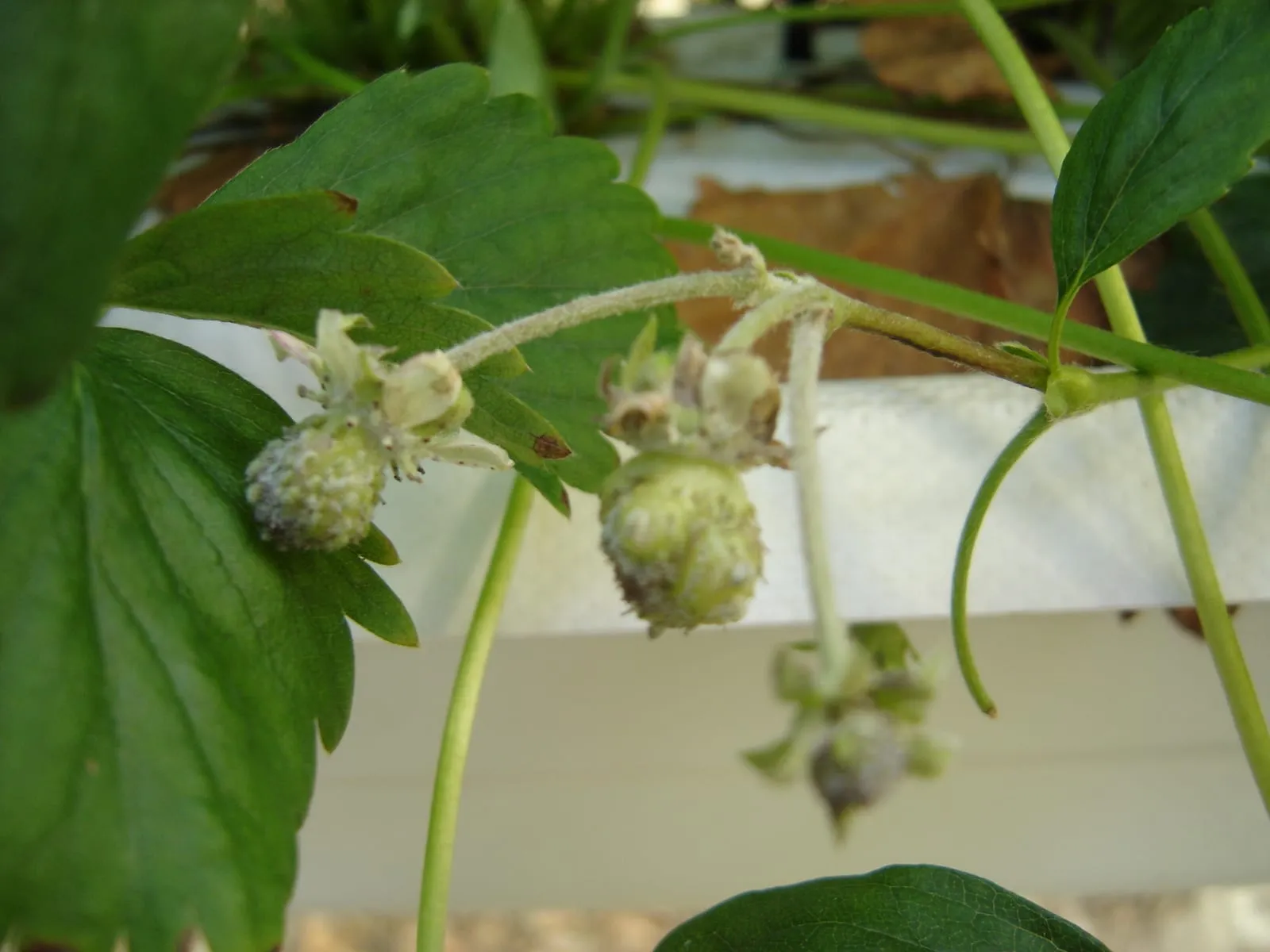
Podosphaera and Sphaerotheca species
Surface-feeding fungal disease producing white powdery growth on leaves and fruit, particularly damaging on gooseberries.
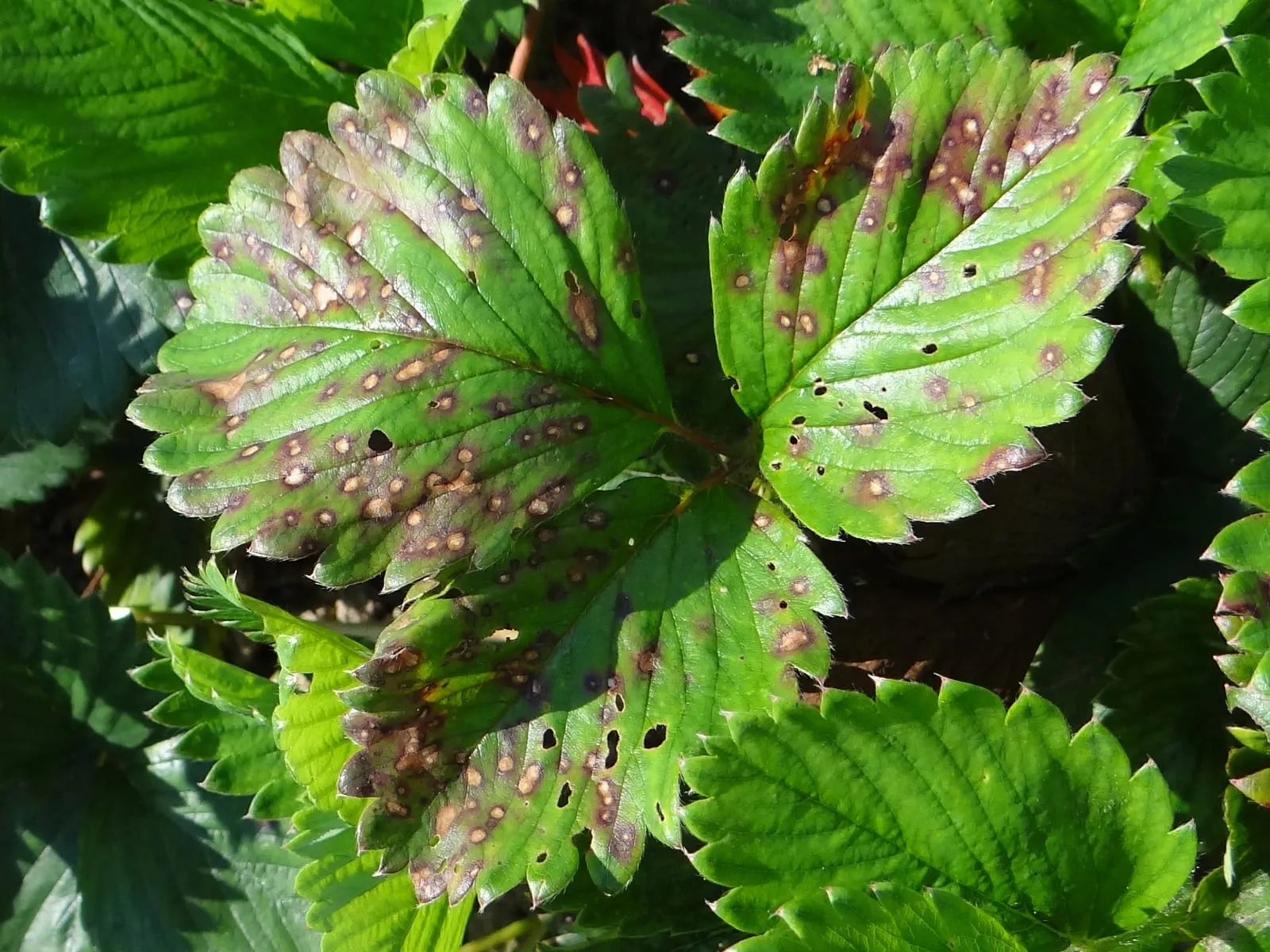
Mycosphaerella fragariae
Common fungal disease producing characteristic small purple spots with white centers on strawberry leaves.
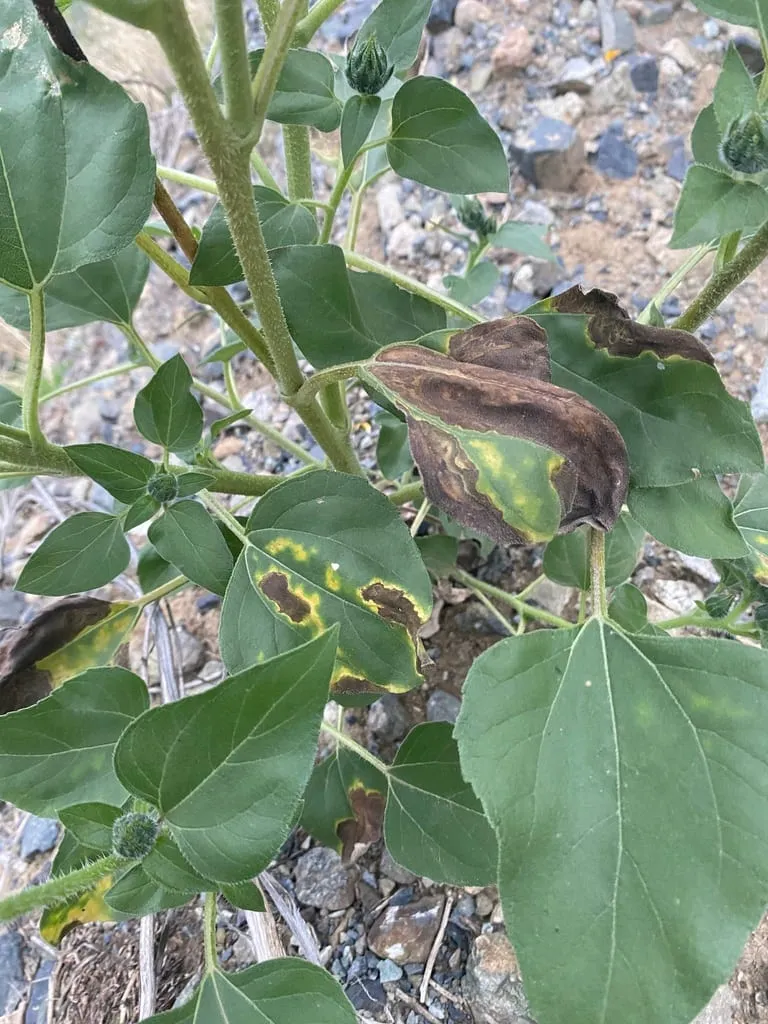
Verticillium dahliae
Soil-borne fungal disease similar to fusarium wilt but with broader host range and cooler temperature optimum. Persists in soil for 10+ years.
Modified care for zone 9a
Heat management matters more than cold protection in zone 9a. A 3 to 4 inch layer of straw or wood chip mulch conserves soil moisture, moderates root-zone temperature, and reduces anthracnose spore splash during rain events. In particularly hot inland locations, afternoon shade cloth (30 to 40 percent) during peak summer can extend the productive window.
Disease pressure is the primary management challenge here. Strawberry anthracnose and phytophthora root rot both thrive in warm, humid, or poorly drained conditions. Raised beds with well-amended, fast-draining soil are strongly preferred over in-ground planting in heavy soils. Botrytis risk spikes during the cool, wet winters that zone 9a experiences, so maintaining good air circulation through canopy management is worth the effort. Plan on a two-year plant rotation rather than the three-year cycle common in cooler zones, as plants in warm climates typically decline faster.
Everbearing Strawberry in adjacent zones
Image: "Starr 080103-1271 Fragaria x ananassa", by Forest & Kim Starr, via Wikimedia Commons, licensed under CC-BY Source.

Related