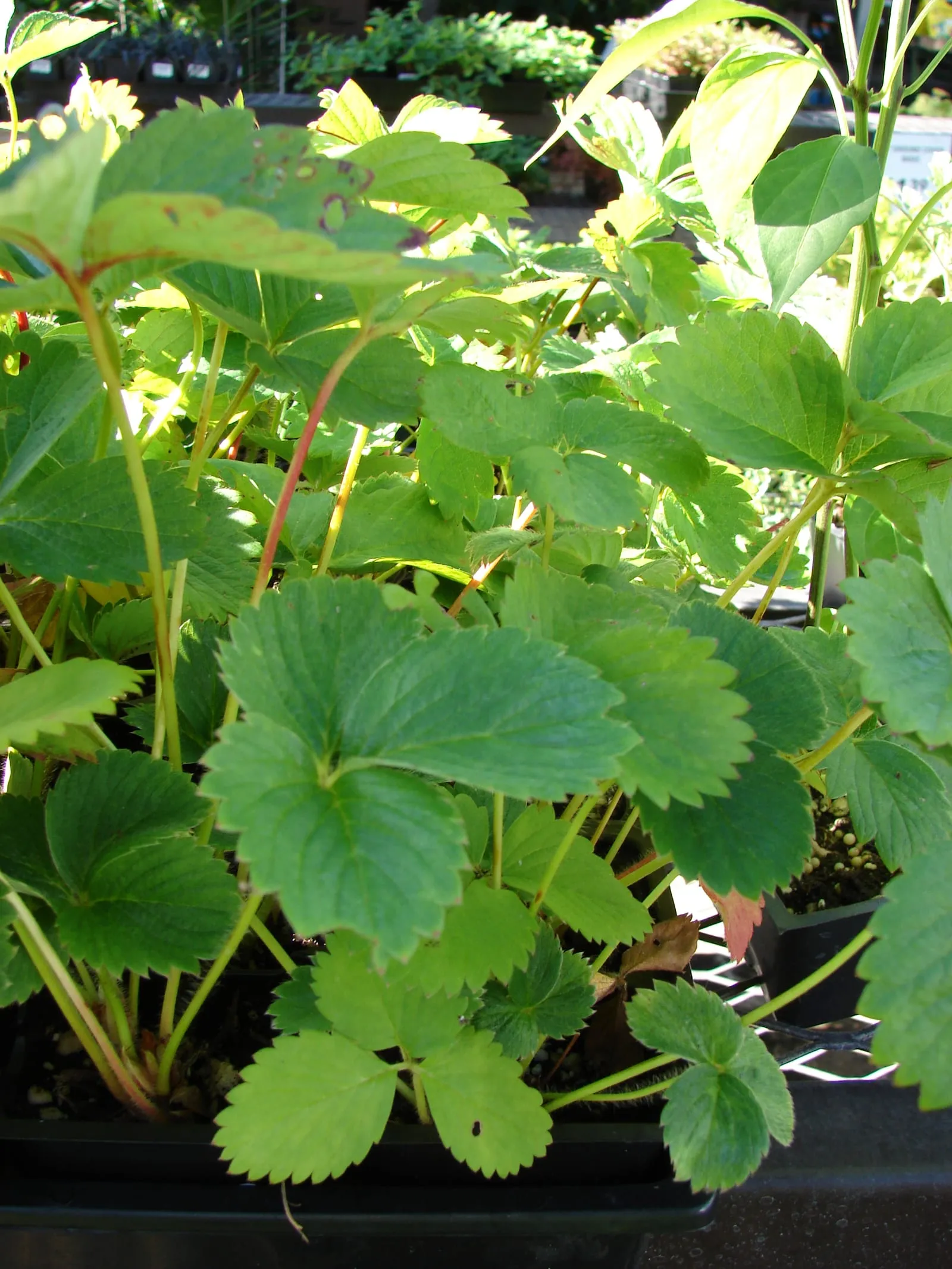
berry in zone 5b
Growing everbearing strawberry in zone 5b
Fragaria x ananassa
- Zone
- 5b -15°F to -10°F
- Growing season
- 165 days
- Suitable varieties
- 5
- Days to harvest
- 28 to 35
The verdict
Zone 5b, with minimum temperatures between -15 and -10°F and a growing season around 165 days, falls comfortably within the core range for everbearing strawberries. Everbearing types, which include day-neutral varieties such as Albion and Tristar, require relatively modest chilling, typically 200 to 400 hours below 45°F. Zone 5b delivers that consistently every winter with room to spare, so chill-hour deficits are not a concern here.
The 165-day season is adequate for two distinct fruiting flushes rather than just one, which is the practical advantage of everbearing types over June-bearers in this zone. Albion, Seascape, Tristar, Ozark Beauty, and Quinault are all documented performers in zone 5b conditions. The one realistic limitation is that late spring frosts can damage early blooms, and early fall frosts occasionally truncate the second flush before it fully matures. Neither issue makes this a marginal zone; both are manageable with standard timing adjustments.
Recommended varieties for zone 5b
5 cultivars suited to this zone, with disease-resistance and zone-fit annotations.
| Variety | Notes | Zone fit | Disease resistance |
|---|---|---|---|
| Albion fits zone 5b | Sweet, firm, large conical berries with intense flavor; fresh eating premium, ships well. Day-neutral, produces continuously from spring to frost. | | none noted |
| Seascape fits zone 5b | Sweet-tart, firm, bright red large berries with balanced flavor; fresh, freezing. Day-neutral, productive in heat where many strawberries fail. | | none noted |
| Tristar fits zone 5b | Sweet, intensely flavored, small-medium berries; fresh eating premium with classic strawberry character. Day-neutral, runners few. Excellent home-garden choice. | | none noted |
| Ozark Beauty fits zone 5b | Sweet-tart, firm, large red berries; fresh, jam, freezing. True everbearing with two distinct crops (June and fall). Vigorous and productive. | | none noted |
| Quinault fits zone 5b | Sweet, soft, large berries with mild flavor; fresh eating, jam. Everbearing, runner-free habit good for containers and small spaces. | | none noted |
Critical timing for zone 5b
The average last spring frost in zone 5b falls between late April and mid-May. Everbearing strawberries begin flowering shortly after temperatures stabilize, often by mid-May on established plants. The first harvest flush arrives roughly 4 to 6 weeks after bloom, placing it in late June through early July.
A natural lull in fruit production follows through midsummer as temperatures peak. The second and typically heavier flush runs August through September. Zone 5b's first fall frost usually arrives in October, which generally allows the fall crop to finish before hard cold arrives. New plantings from bare-root crowns set in April are typically managed by removing blossoms through June to build plant strength, then allowing only the late-summer and fall crops in the first season.
Common challenges in zone 5b
- ▸ Plum curculio
- ▸ Codling moth
- ▸ Cedar-apple rust
Disease pressure to watch for
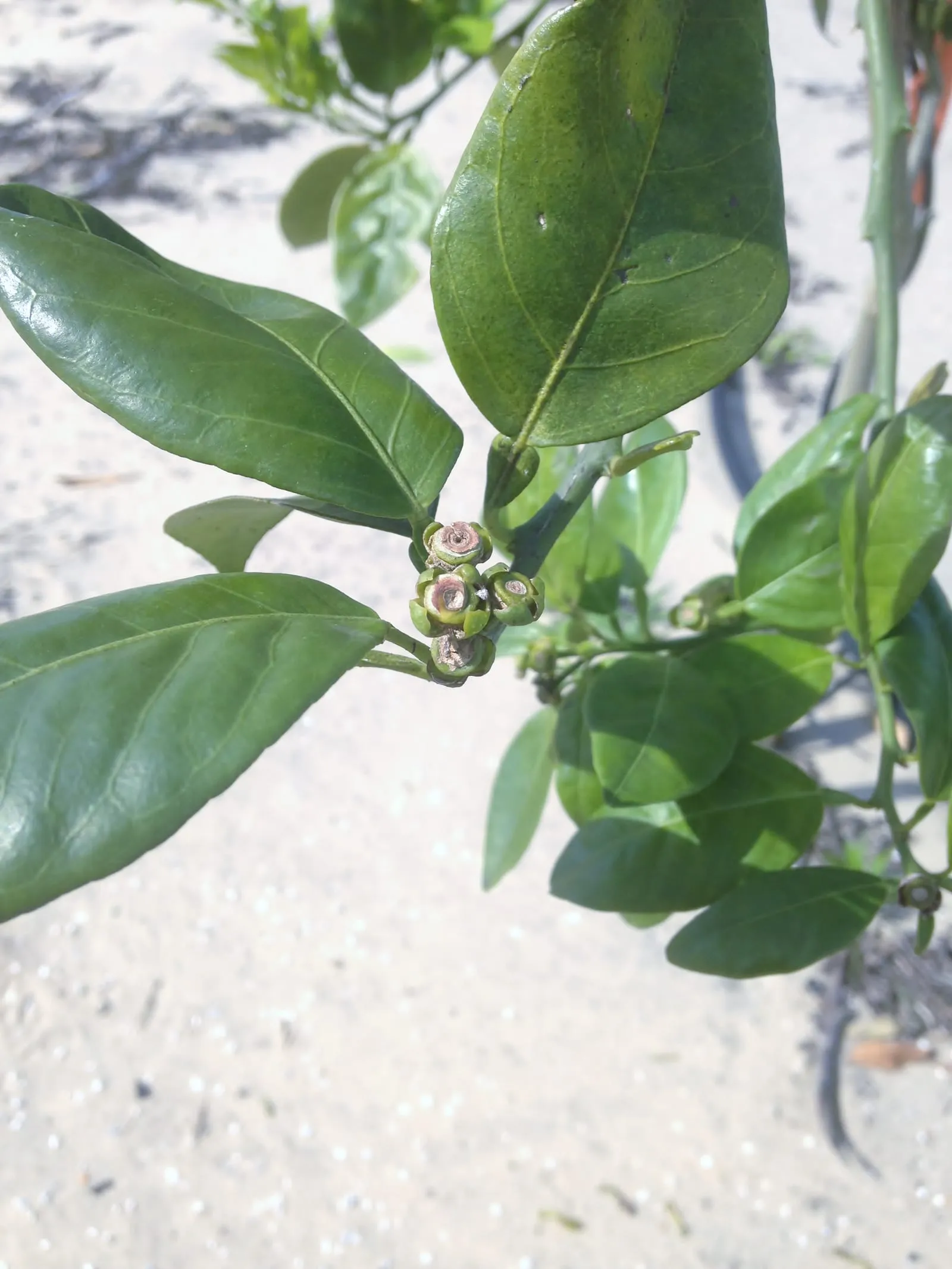
Colletotrichum acutatum
Aggressive fungal disease that causes fruit rot, crown rot, and runner lesions in strawberries, devastating during warm wet weather.
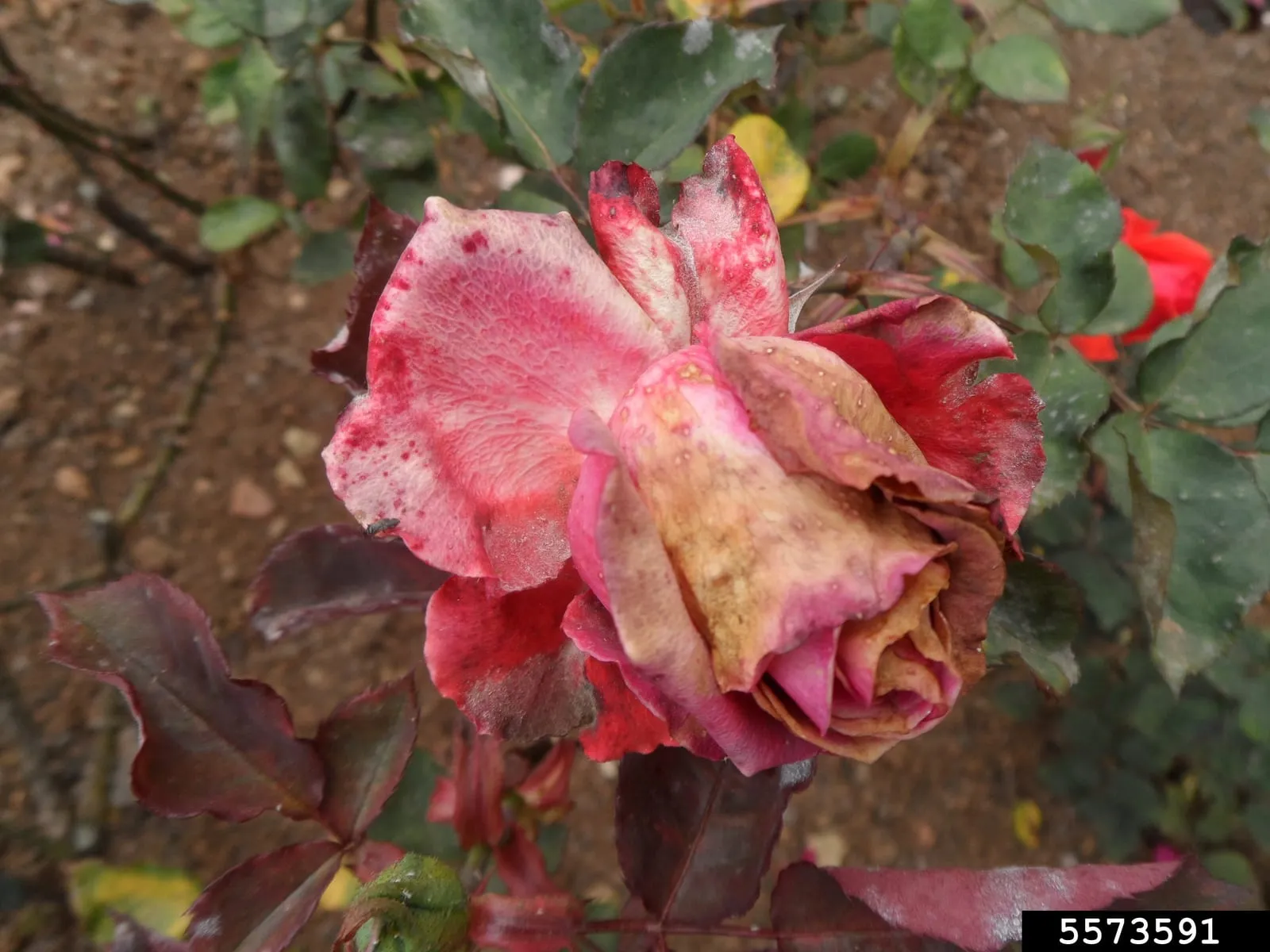
Botrytis cinerea
Ubiquitous fungal disease that causes fruit rot during cool wet weather, often the dominant berry disease in humid regions.
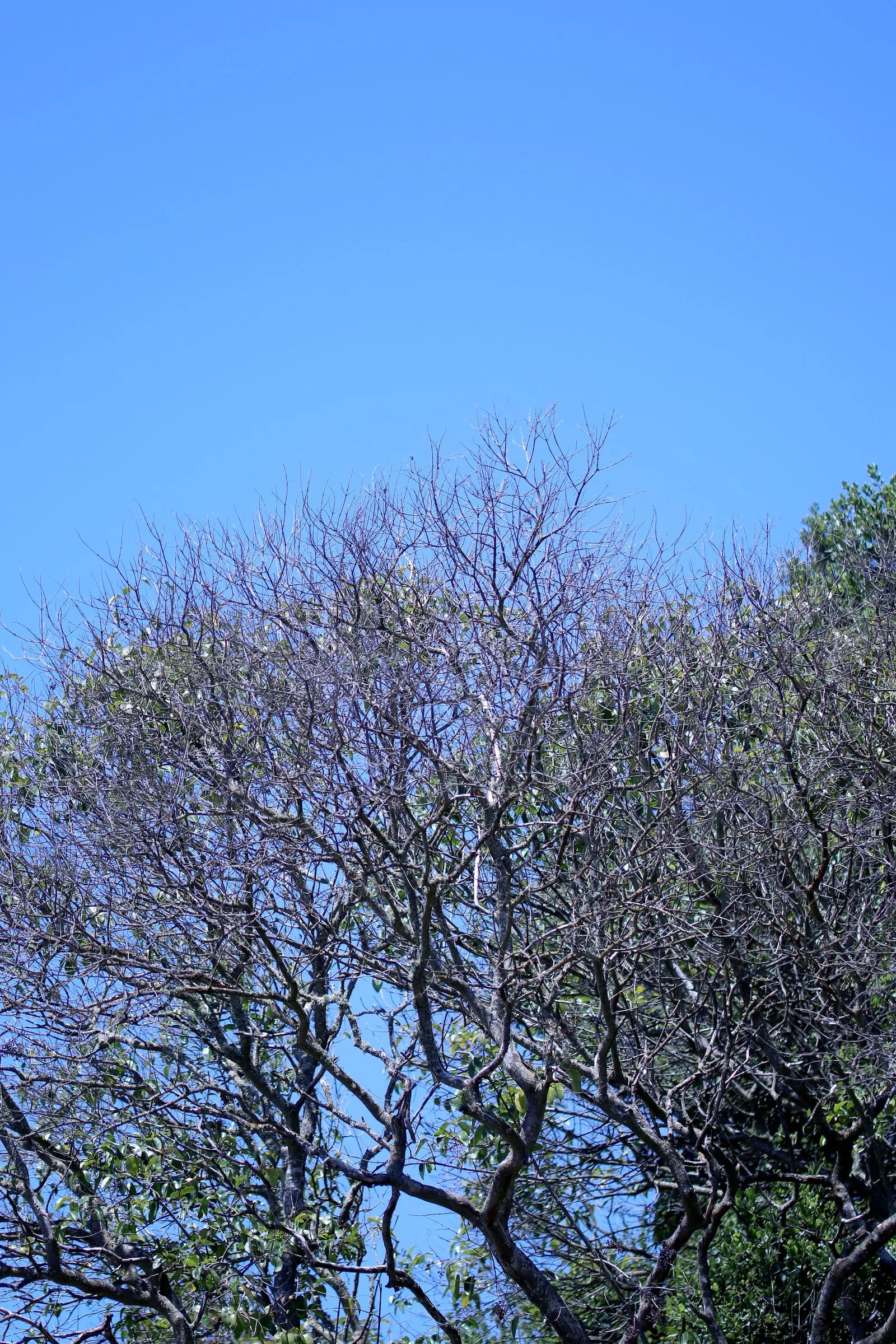
Phytophthora species
Soil-borne water mold that destroys roots in waterlogged soils, the leading cause of blueberry decline in poorly drained sites.
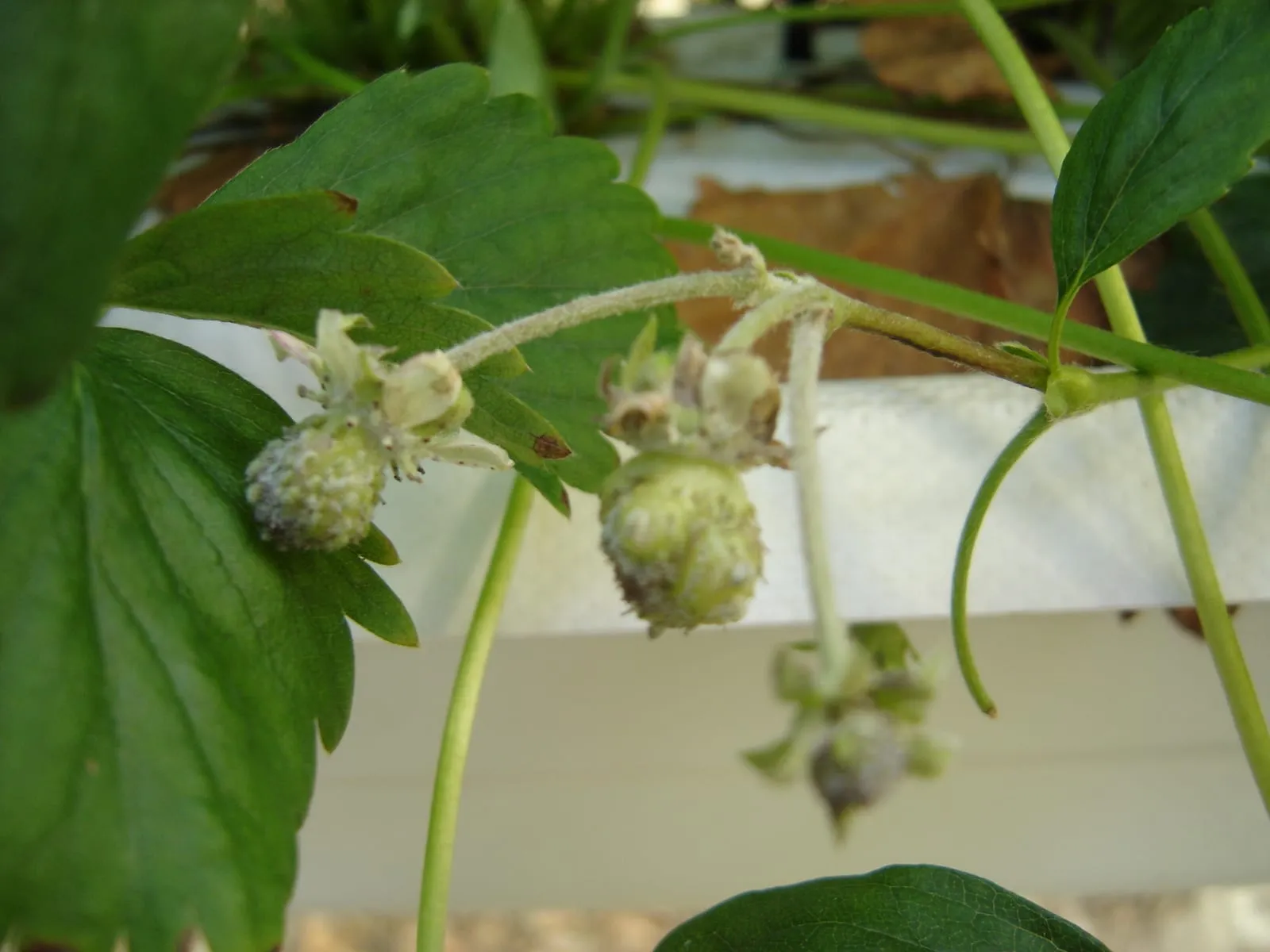
Podosphaera and Sphaerotheca species
Surface-feeding fungal disease producing white powdery growth on leaves and fruit, particularly damaging on gooseberries.
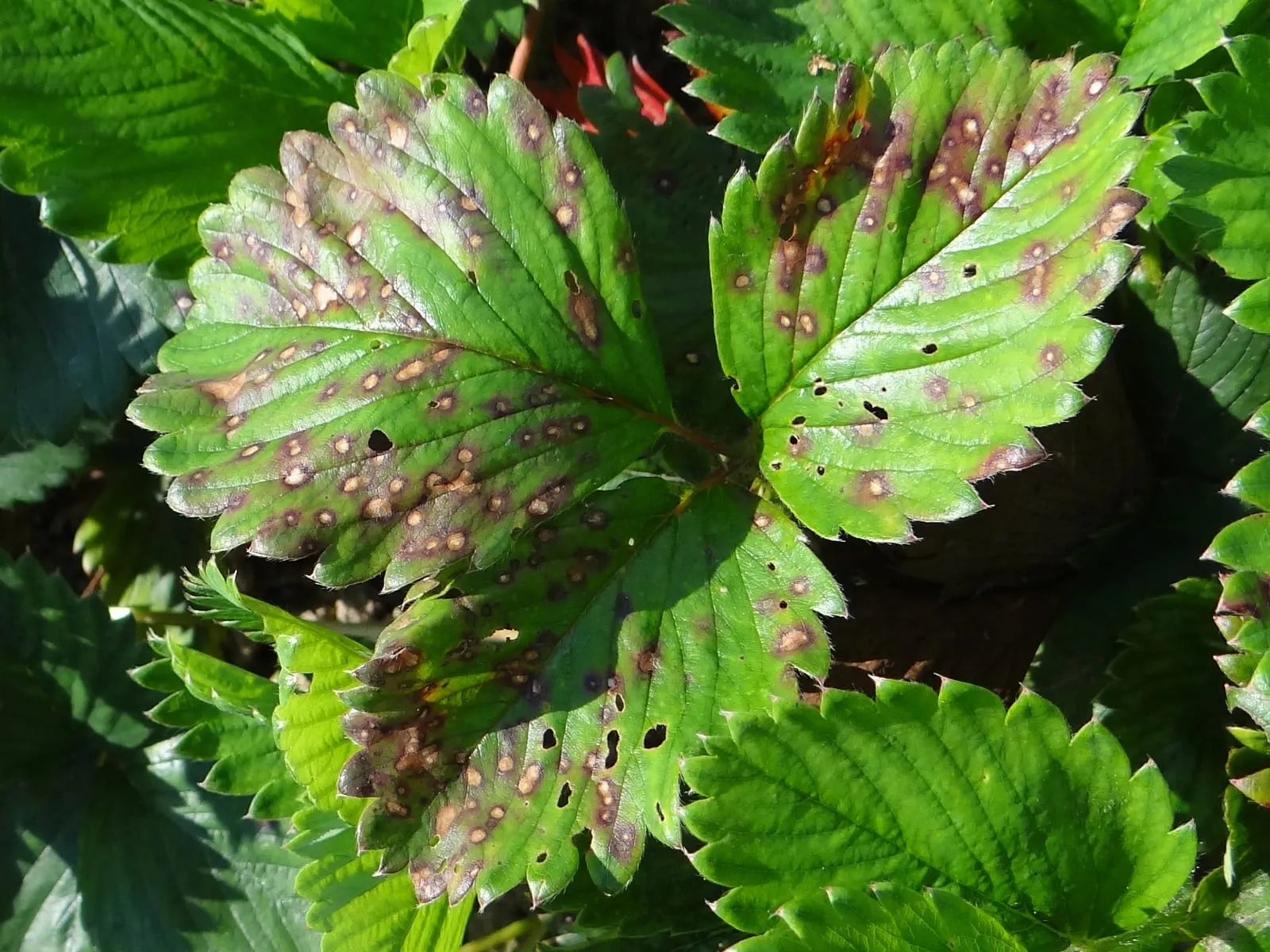
Mycosphaerella fragariae
Common fungal disease producing characteristic small purple spots with white centers on strawberry leaves.
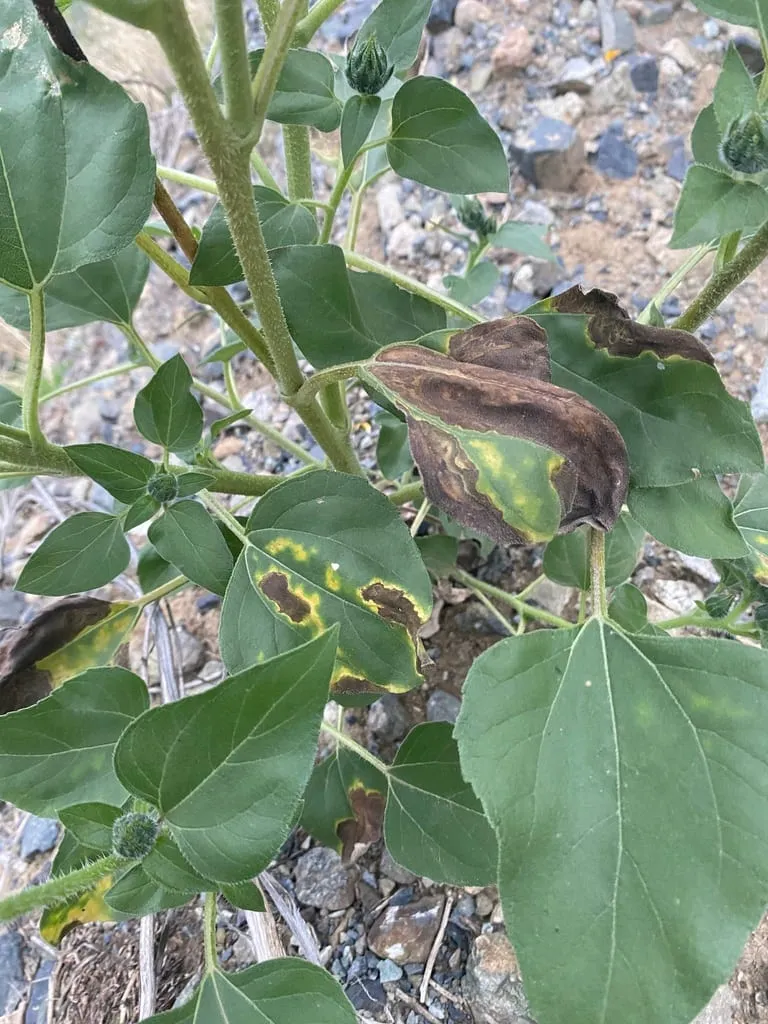
Verticillium dahliae
Soil-borne fungal disease similar to fusarium wilt but with broader host range and cooler temperature optimum. Persists in soil for 10+ years.
Modified care for zone 5b
Crown protection is the primary winter management task. Temperatures below -10°F can injure or kill unprotected crowns, particularly on sandy or exposed sites. Apply 3 to 4 inches of straw mulch after the ground freezes in late November, then pull it back gradually in spring once overnight temperatures stay above 28°F.
Gray mold (Botrytis) and strawberry anthracnose are the most consistent disease threats in zone 5b, both favored by the wet springs typical of the upper Midwest and Northeast. Spacing plants at 18 inches or more, using drip irrigation rather than overhead watering, and removing overripe fruit promptly reduce conditions that favor fungal spread. Phytophthora root rot is a risk on clay-heavy soils that drain slowly after snowmelt; raised beds or well-amended planting sites address this without fungicide dependence. Cedar-apple rust is occasionally noted in the zone challenges but has limited direct impact on strawberries.
Everbearing Strawberry in adjacent zones
Image: "Starr 080103-1271 Fragaria x ananassa", by Forest & Kim Starr, via Wikimedia Commons, licensed under CC-BY Source.

Related