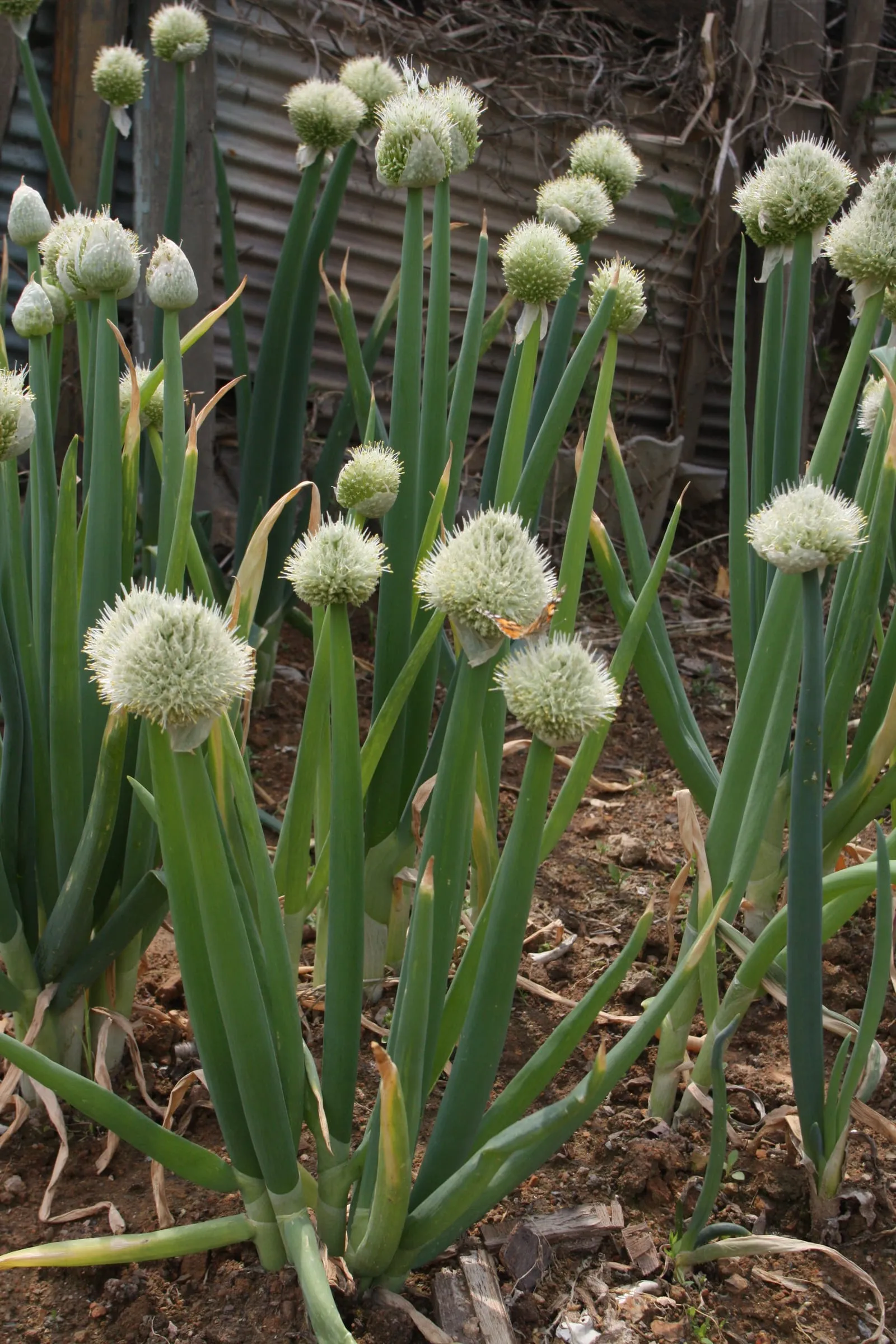
vegetable
Scallion (Bunching Onion)
Allium fistulosum
USDA hardiness range
- Zones
- 3b–9b
- Days to harvest
- 60 to 80
- Sun
- Full
- Water
- Moderate
- Lifespan
- perennial
Growing scallion (bunching onion)
Scallion (Allium fistulosum) is among the most low-maintenance alliums a home grower can add to a kitchen garden. It produces usable green onions in 60 to 80 days and, unlike bulbing onions, skips the chill-hour equation entirely. Zones 3b through 9b cover most of the continental United States, which means the limiting factor is rarely climate and almost always cultural: poor drainage, late transplanting into summer heat, or neglect of soil fertility.
The species performs best in cool seasons. In zones 6a through 8b, spring and fall plantings are both viable; in zones 9a and 9b, fall-through-winter production outperforms summer. In the colder end of the range (zones 3b and 4a), a late-summer planting that overwinters under light mulch will push growth earlier in spring than a direct spring seeding, taking advantage of the perennial root system.
What most often separates a productive planting from a failed one is drainage and succession timing. Scallions in waterlogged soil are highly susceptible to onion white rot, a persistent soilborne fungus with no practical cure once established. Starting with raised beds or amended soil and avoiding reuse of ground where alliums have previously rotted is the most effective preventive measure. Cornell Scallion Production provides regional timing and variety guidance.
Recommended varieties
See all 3 →3 cultivars for home growers, with notes on flavor, ripening, and disease resistance.
| Variety | Notes | Zone fit | Disease resistance |
|---|---|---|---|
| Evergreen Hardy White | Mild, fresh, classic green-onion flavor; white shafts and bright green tops. Salads, garnishes, stir-fries. True bunching onion, perennial in zones 4+, divides indefinitely. | | none noted |
| Tokyo Long White | Mild-sharp, crisp, classic Japanese-style scallion; long white shanks. Stir-fries, salads, garnishes. Productive, can be banked up for blanched white shanks. | | none noted |
| Red Beard | Mild, slightly sweet, beautiful purple-red shanks fading to green; the ornamental scallion. Salads, garnishes, raw use. Productive, shows color best in cool weather. | | none noted |
Soil and site requirements
Scallions tolerate a moderately wide soil pH range, with 6.0 to 7.0 being the workable window; performance drops below 5.8 as nutrient availability decreases. The non-negotiable requirement is drainage. Standing water at the root zone, even briefly, creates conditions where onion white rot (Sclerotium cepivorum) establishes readily.
Full sun is standard guidance and holds for cool-season production. In zones 8b and warmer, afternoon shade can reduce heat stress during fall-into-winter plantings, though yield declines somewhat.
Spacing for bunching types is closer than for bulbing onions. Direct-seeded rows at 1 inch apart with 12 inches between rows work for most garden settings; thin to 2 inches in-row if shanks are crowding. For transplanted sets or divisions from perennial clumps, 4 to 6 inches between plants is sufficient.
Soil preparation matters more than it may seem for this crop. Scallions are shallow-rooted, so compaction in the top 4 to 6 inches limits both yield and disease resistance. Working in compost before planting and avoiding overhead irrigation that packs the soil surface pays dividends over a full season. Raised beds or mounded rows give a meaningful drainage advantage in heavy clay soils.
Common diseases
Common pests
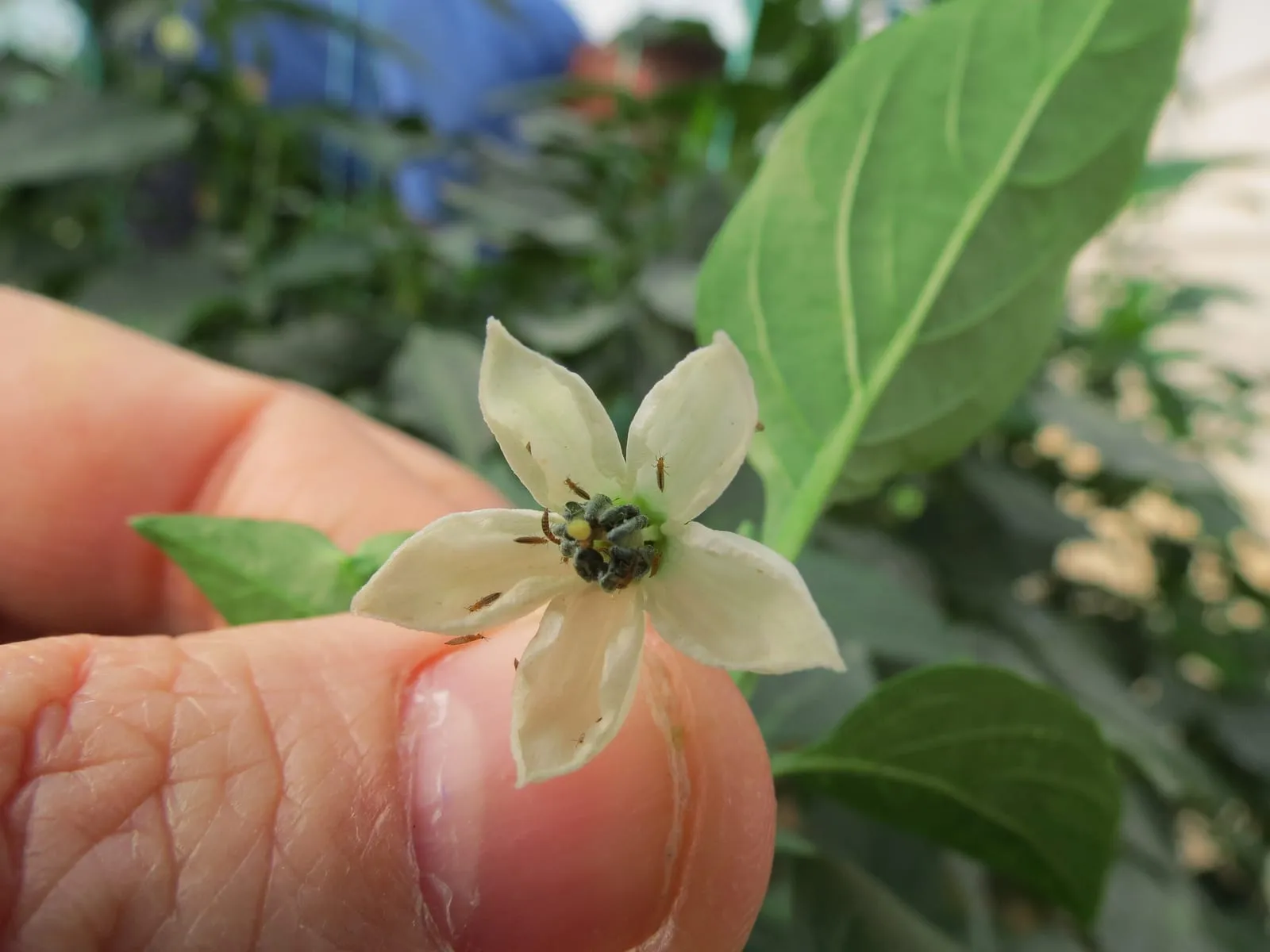
Thrips tabaci
Tiny slender insects that rasp leaf surfaces and suck plant juices. Most damaging on onion and garlic where they reduce bulb size and transmit Iris yellow spot virus.

Delia antiqua
Fly whose larvae tunnel into onion bulbs and roots, causing rot and stunted plants. Three generations per year in most US zones.
Common challenges
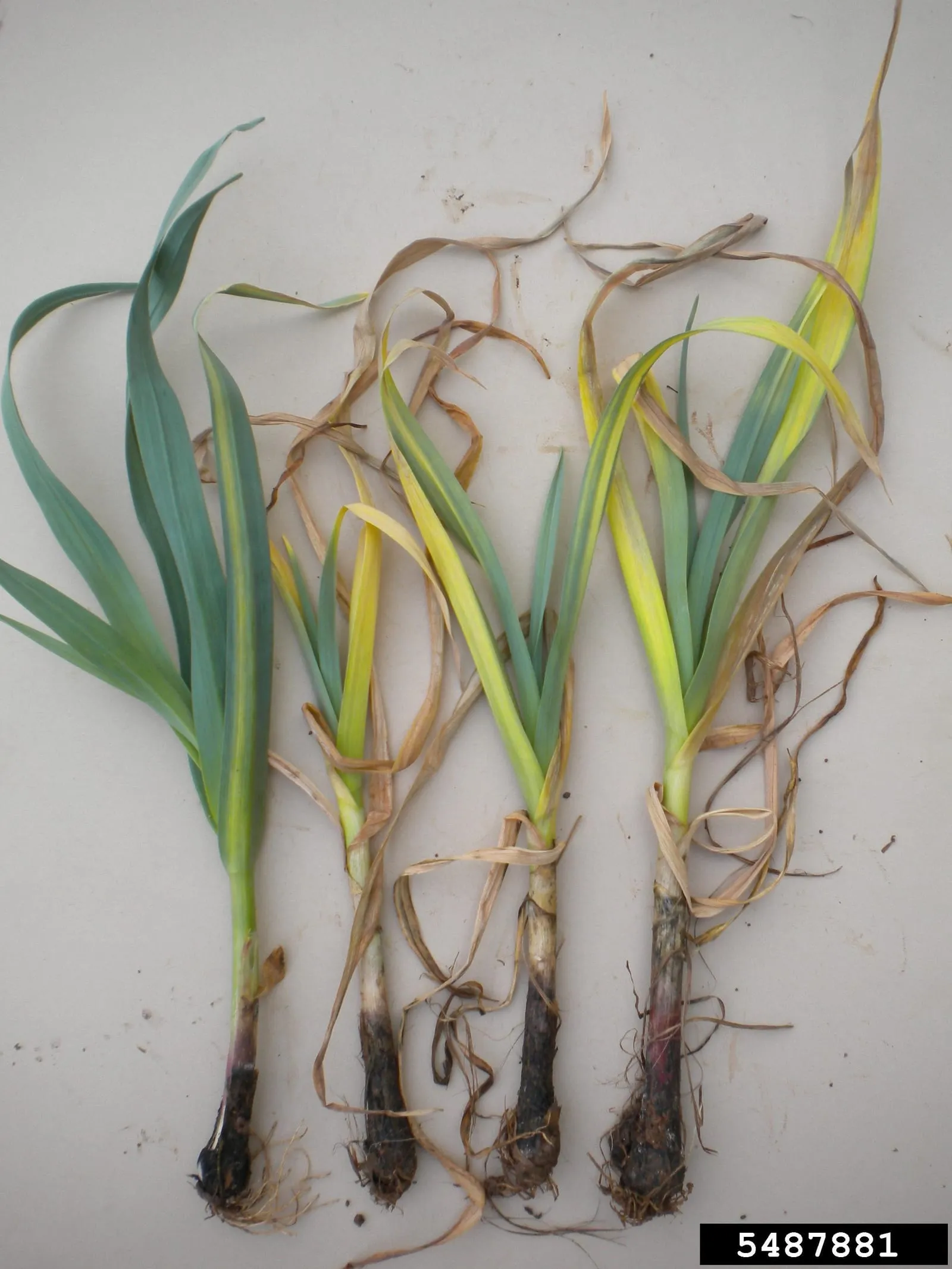
Onion white rot is the primary disease concern for scallions. The causal fungus (Sclerotium cepivorum) produces sclerotia that persist in soil for decades, making any bed where the disease has appeared a long-term liability for allium crops. Symptoms begin as yellowing foliage and progress to a white, fluffy growth at the base with small black sclerotia visible at the soil line. There is no curative treatment; prevention through clean transplants and strict crop rotation (avoid alliums in affected beds for at least eight years) is the only realistic approach.
Onion thrips (Thrips tabaci) are the main insect pressure. They feed inside the leaf sheath, producing silvery streaking on the foliage. Populations spike in dry weather; consistent irrigation reduces but does not eliminate pressure. In severe cases, kaolin clay applications before population peaks offer partial protection.
Timing relative to heat is the third common failure point. Scallions planted too close to the onset of summer heat in zones 7a and warmer will bolt, go tough, or stall before reaching harvest size. Planting 6 to 8 weeks before the last expected frost date in spring, or transitioning to a fall planting once soil temperatures drop below 80 degrees Fahrenheit, keeps production in the cool-season window where scallions perform reliably.
Frequently asked questions
- Do scallions require chill hours to produce?
No. Unlike fruit trees or certain bulbing onions, Allium fistulosum does not require a period of cold exposure to initiate growth or produce harvestable greens. It is a cool-season crop that prefers mild temperatures but does not need vernalization to perform.
- How long do scallions take to reach harvest size?
Most varieties reach usable size in 60 to 80 days from direct seeding. Perennial clumps divided and replanted often push harvestable shoots faster than freshly direct-seeded rows, since the established root system accelerates early growth.
- What USDA zones are suitable for growing scallions?
Scallions grow in zones 3b through 9b, covering most of the continental United States. In zones 9a and 9b, fall and winter are the productive seasons. In zones 3b and 4a, overwintered perennial clumps with light mulch extend the effective growing window into early spring.
- Are scallions self-fertile, or do they require pollinators?
Allium fistulosum is self-fertile and does not require cross-pollination. In practice, scallions are harvested well before they flower, so pollination is not a consideration for most home growers. If seed saving is the goal, insect visitors improve set but are not strictly required.
- What is the most serious disease affecting scallions?
Onion white rot (Sclerotium cepivorum) is the most consequential disease. Its sclerotia persist in soil for decades, making infected beds long-term liabilities for any allium crop. Prevention through crop rotation and clean transplants is the primary control strategy; there is no effective curative treatment once the pathogen is established.
- Can scallions be grown as perennials in home gardens?
Yes. Allium fistulosum is a true perennial that multiplies by division rather than forming large bulbs. In zones 4 and warmer, established clumps divided yearly will continue producing indefinitely, making scallions one of the few alliums well suited to a permanent kitchen garden bed.
- Which variety is best for long, blanched white shanks?
Tokyo Long White is the standard choice for long blanched shanks. Hilling soil up around the base as plants grow extends the white portion. Evergreen Hardy White is the better option for general-purpose use and cold hardiness, while Red Beard is primarily an ornamental choice for salads and garnishes.
+−
+−
+−
+−
+−
+−
+−
Sources
Image: "Allium fistulosum 2", by Dalgial, via Wikimedia Commons, licensed under CC-BY. Source.

Scallion (Bunching Onion) by zone
Related