vegetable in zone 4b
Growing scallion (bunching onion) in zone 4b
Allium fistulosum
- Zone
- 4b -25°F to -20°F
- Growing season
- 130 days
- Suitable varieties
- 3
- Days to harvest
- 60 to 80
The verdict
Scallions are cool-season alliums with no chill-hour requirement, so zone 4b imposes no physiological barrier on the crop. The 130-day growing season comfortably supports multiple successions from direct sow to harvest, which typically runs 60 to 70 days from seed. The limiting factor is winter cold rather than summer heat: zone 4b lows of -25 to -20°F will kill unprotected overwintered plantings outright. Variety selection becomes the key variable. Evergreen Hardy White is the reliable anchor for zone 4b, selected specifically for cold tolerance and spring regrowth after freeze events. Tokyo Long White performs well as a warm-season succession crop. Red Beard adds season interest with no noted disadvantage in zone 4b summers. For growers who stick to spring-through-fall production and skip overwintering, zone 4b is an easy fit. Overwintering is possible but requires deliberate mulching and a reasonable acceptance of partial losses in severe winters.
Recommended varieties for zone 4b
3 cultivars suited to this zone, with disease-resistance and zone-fit annotations.
| Variety | Notes | Zone fit | Disease resistance |
|---|---|---|---|
| Evergreen Hardy White fits zone 4b | Mild, fresh, classic green-onion flavor; white shafts and bright green tops. Salads, garnishes, stir-fries. True bunching onion, perennial in zones 4+, divides indefinitely. | | none noted |
| Tokyo Long White fits zone 4b | Mild-sharp, crisp, classic Japanese-style scallion; long white shanks. Stir-fries, salads, garnishes. Productive, can be banked up for blanched white shanks. | | none noted |
| Red Beard fits zone 4b | Mild, slightly sweet, beautiful purple-red shanks fading to green; the ornamental scallion. Salads, garnishes, raw use. Productive, shows color best in cool weather. | | none noted |
Critical timing for zone 4b
In zone 4b, the last spring frost typically falls in mid-May, with the first fall frost arriving in mid-September. Direct sowing outdoors under row cover can begin 4 to 6 weeks before last frost, around early to mid-April. Without protection, late May is the safe outdoor sow date. At 60 to 70 days to harvest, a late-April sowing yields in early July; a second succession sown in mid-July yields through September before hard frosts arrive. Fall overwintering plantings of Evergreen Hardy White should go in by mid-August to allow enough root establishment before freeze-up. Spring regrowth from overwintered plantings typically resumes in late April when soil temperatures reach 50°F, depending on site conditions.
Common challenges in zone 4b
- ▸ Spring frost timing
- ▸ Apple scab pressure
- ▸ Cane berry winter dieback
Disease pressure to watch for
Modified care for zone 4b
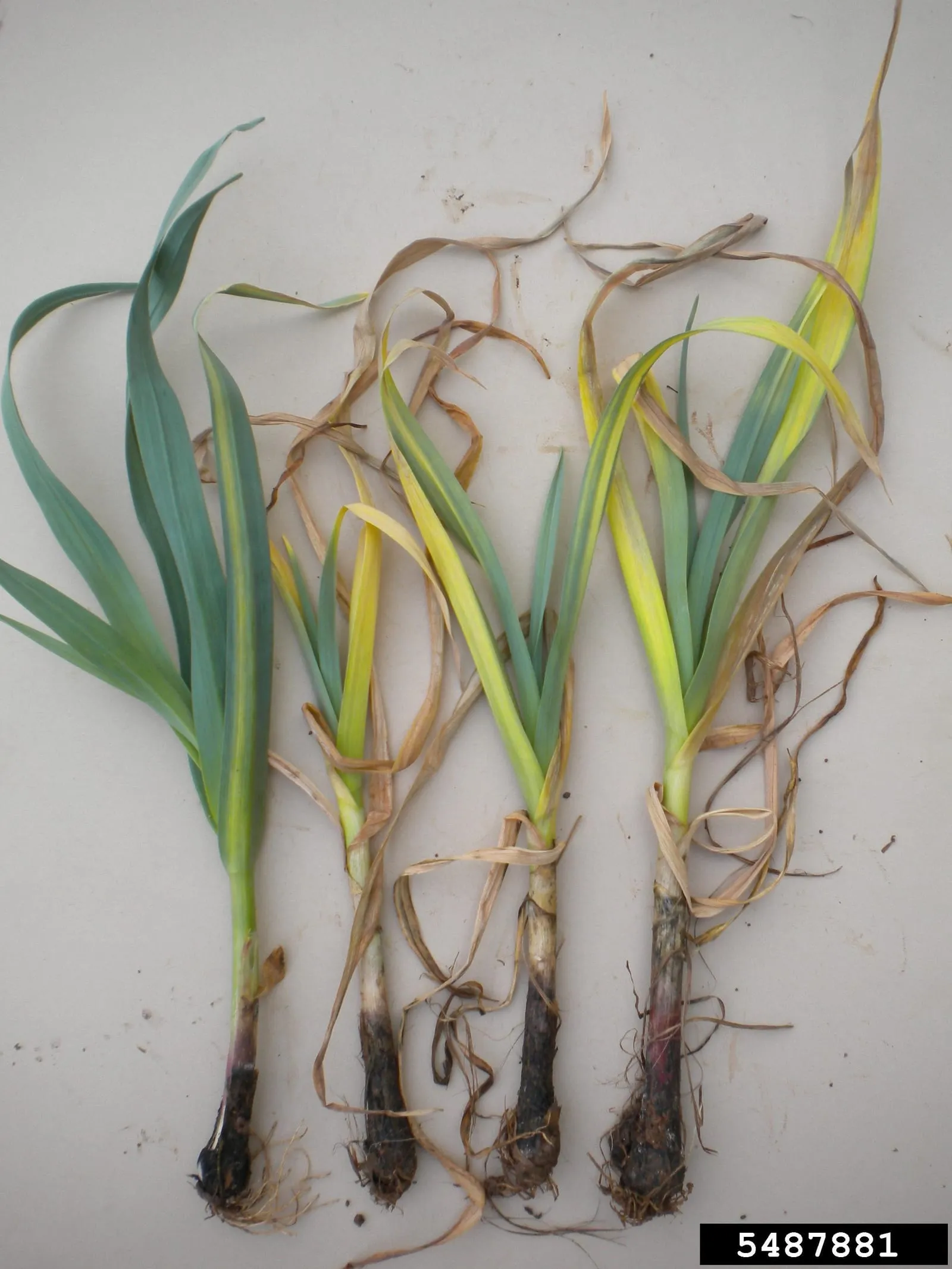
The compressed growing season in zone 4b makes indoor starts worth the effort. Starting seeds 6 to 8 weeks before last frost (late March to early April) adds meaningful weeks of production and sidesteps the risk of late frost damaging newly germinated direct-sown seedlings. For overwintered plantings, 3 to 4 inches of straw mulch applied after the ground hardens reduces winter kill and moderates freeze-thaw cycling in spring. Onion White Rot (Stromatinia cepivora) is the primary disease concern. The pathogen thrives in cool, wet soil, conditions that zone 4b delivers reliably in April and May. Avoid planting alliums in poorly drained areas, and observe a minimum 3-year rotation since sclerotia can persist in soil for decades. Spring frost timing is also the primary scheduling variable from year to year, and a late frost event in the second or third week of May can push all succession dates back by two to three weeks.
Frequently asked questions
- Can scallions survive winter in zone 4b?
With mulch protection and a cold-hardy variety like Evergreen Hardy White, overwintering is possible but not guaranteed at zone 4b lows of -25 to -20°F. Expect partial losses in severe winters. Most zone 4b growers treat scallions as an annual spring-through-fall crop rather than a reliable perennial.
- How many successions of scallions can zone 4b support?
Two to three successions fit within the 130-day growing season. A first sowing in late April under row cover, a second in mid-June, and a third in mid-July is a workable schedule. The third succession harvests in late September, close to first frost.
- What is Onion White Rot and how serious is it in zone 4b?
Onion White Rot is a soilborne fungal disease caused by Stromatinia cepivora that rots roots and bulb bases. Zone 4b's cool, wet springs create favorable infection conditions. There is no chemical cure once established; prevention relies on drainage, crop rotation of 3 or more years, and avoiding moving infected soil between beds.
+−
+−
+−
Scallion (Bunching Onion) in adjacent zones
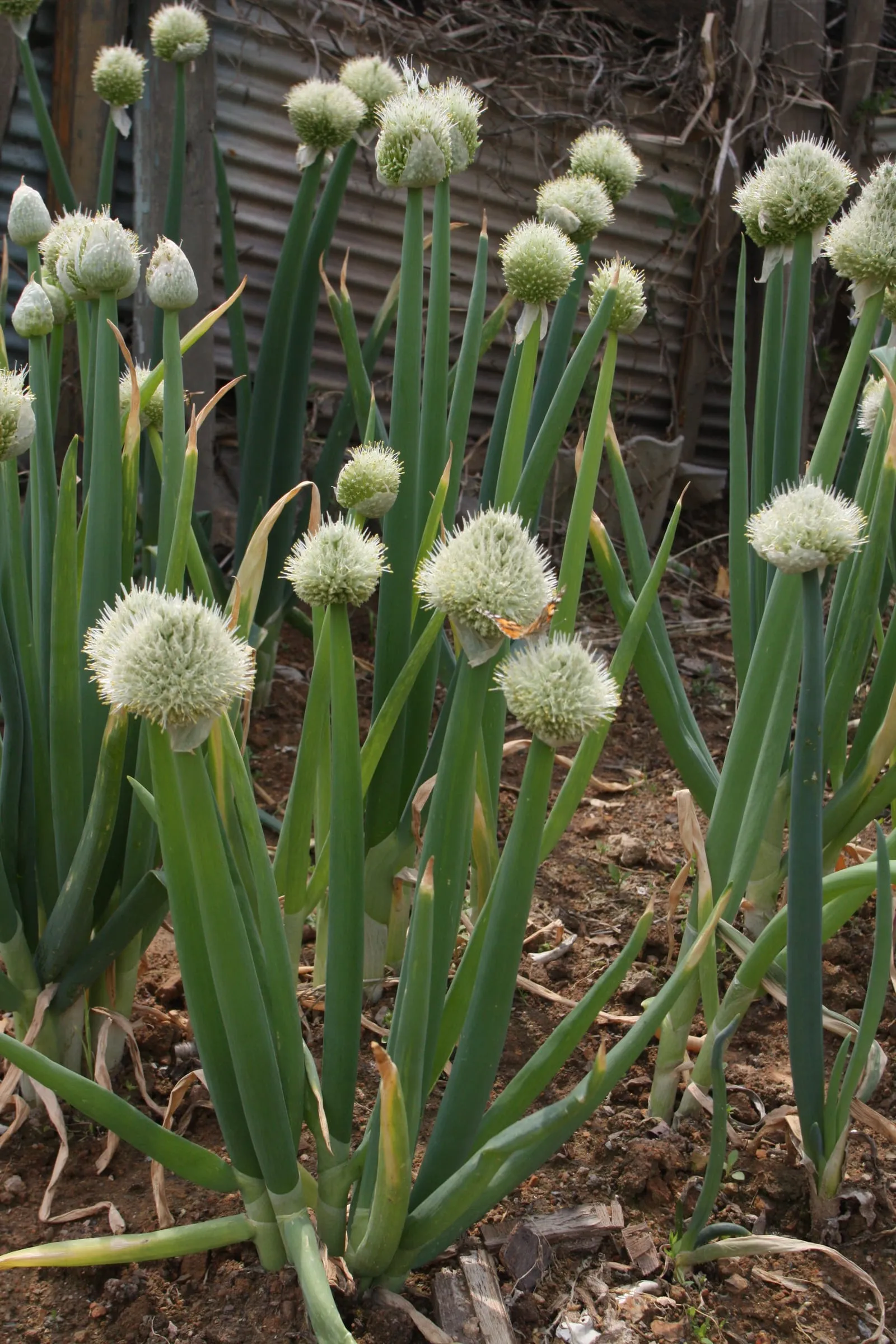
Image: "Allium fistulosum 2", by Dalgial, via Wikimedia Commons, licensed under CC-BY Source.

Related