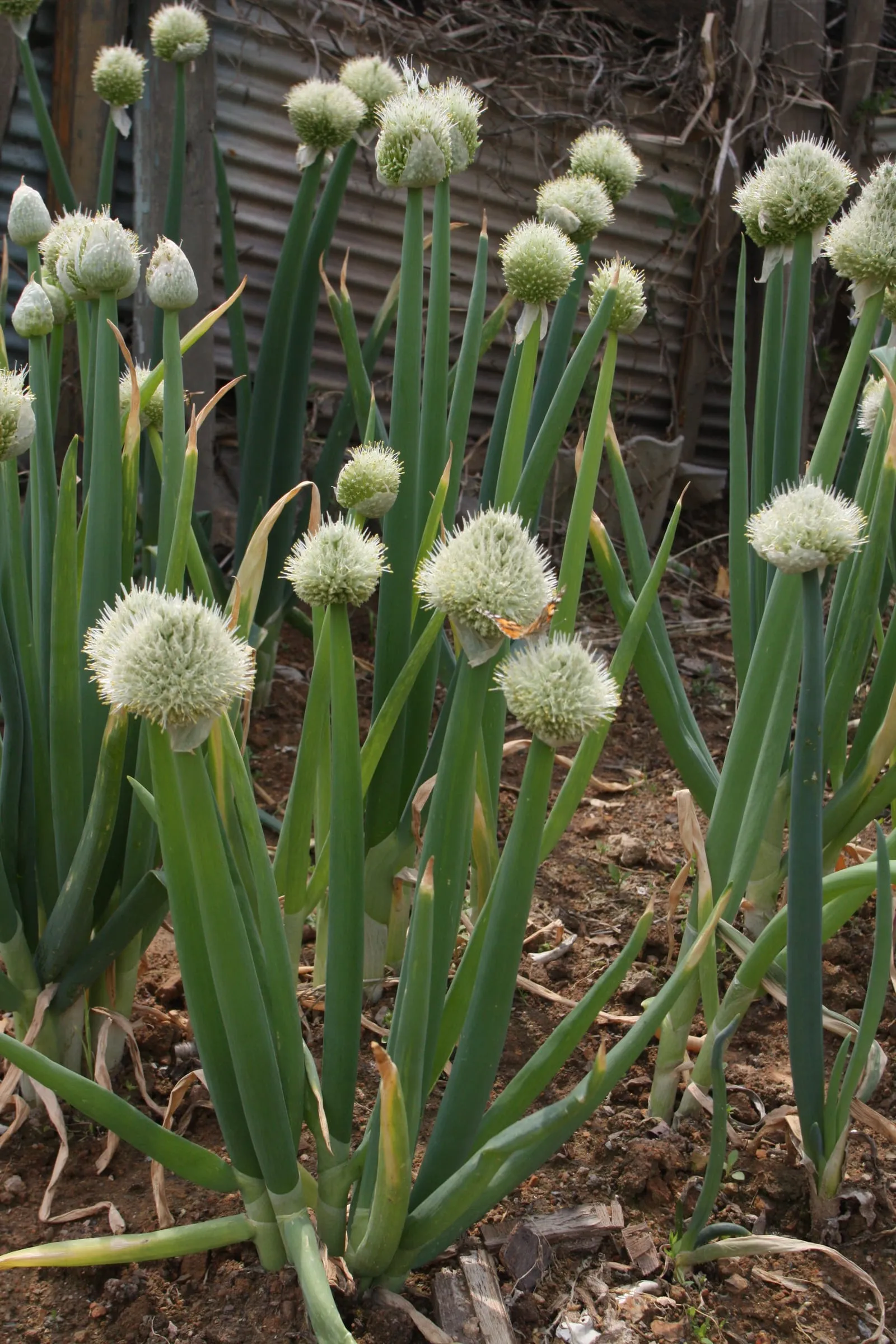
vegetable in zone 8b
Growing scallion (bunching onion) in zone 8b
Allium fistulosum
- Zone
- 8b 15°F to 20°F
- Growing season
- 260 days
- Suitable varieties
- 0
- Days to harvest
- 60 to 80
The verdict
Scallions are one of the easier alliums to fit into zone 8b. They have no meaningful chill-hour requirement, so the low-chill limitation that constrains apple selection here is irrelevant. The 260-day growing season allows multiple succession plantings across fall, winter, and early spring, which is precisely when scallions perform best: cool soil, mild nights, and low disease pressure from foliar pathogens.
Zone 8b is close to a sweet spot for this crop. The limiting factor is summer heat rather than winter cold. Prolonged soil temperatures above 80°F accelerate bolting and produce hollow, sharp-flavored stems with little of the mild sweetness associated with good bunching onions. Growers who treat scallions as a warm-season crop will be disappointed; those who treat them as a cool-season staple grown from September through April will find the zone well-matched. Nematodes in sandy soils are a real concern and affect yield more than temperature does.
Critical timing for zone 8b
In zone 8b, scallions fit into a fall-through-spring window. Direct sow or transplant from late September through early November for a December-to-February harvest. A second succession planted in late January or February will mature in March and April before heat sets in.
Frost risk in zone 8b is low but real: expect frost between late November and late February depending on location. Established scallion seedlings tolerate light frosts (down to the mid-20s°F) without significant damage, so most plantings do not require protection. Summer planting is generally not productive. Soil temperatures above 80°F during germination reduce stand establishment, and plants that do establish tend to bolt quickly in late spring heat rather than bulking usable stems.
Common challenges in zone 8b
- ▸ Low chill hours limit apple variety selection
- ▸ Citrus greening risk
- ▸ Nematodes in sandy soils
Disease pressure to watch for
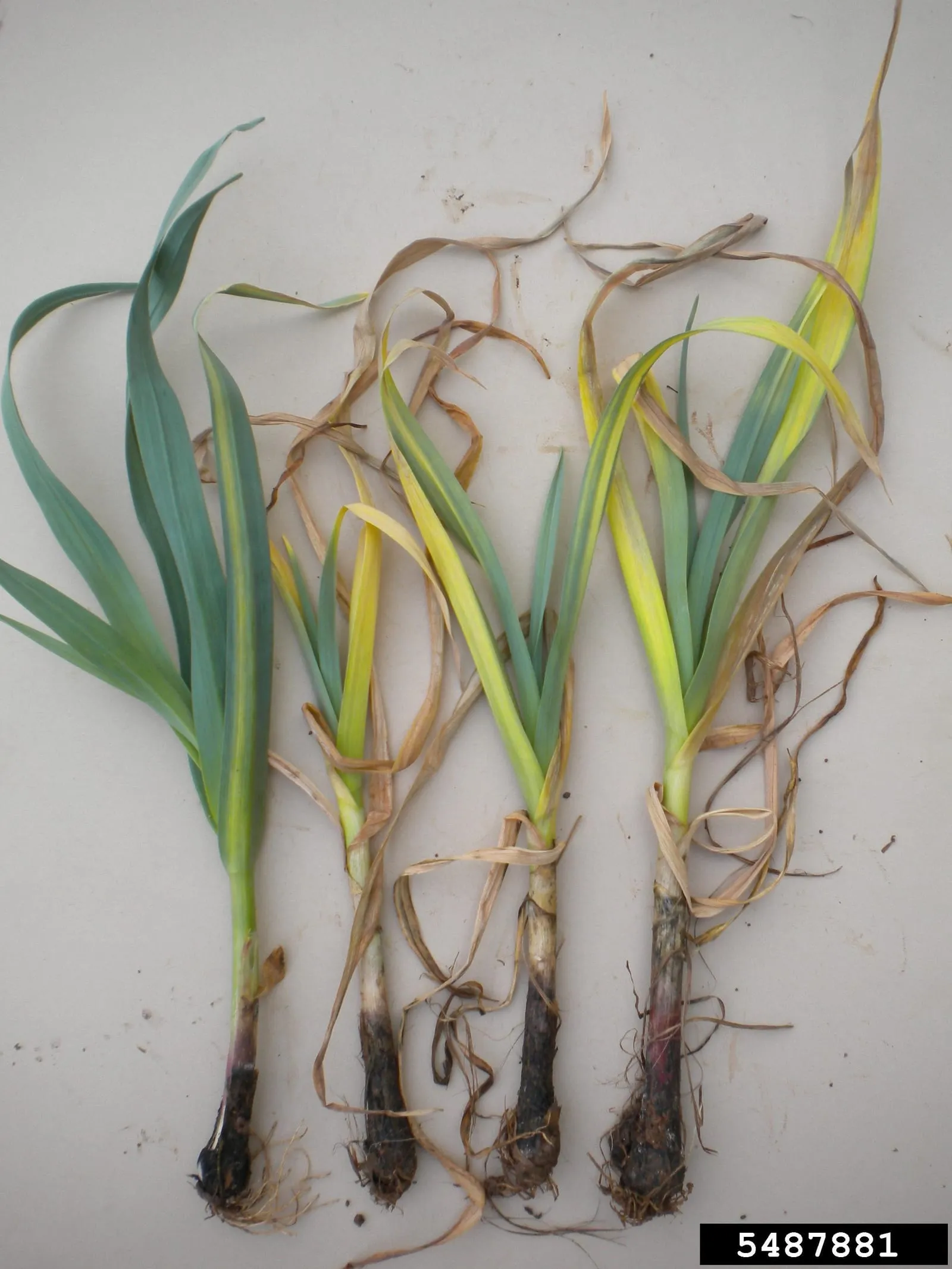
Modified care for zone 8b
The primary adjustment in zone 8b is timing: avoid planting between May and August. Summer plantings rarely produce usable harvest before heat causes quality decline.
Nematodes in sandy soils are the other significant management concern. Bunching onions are susceptible to root-knot nematodes, which reduce vigor and yield without obvious above-ground symptoms early in the season. Rotate scallions away from soil that has hosted onions, garlic, or other alliums for at least two years. Raised beds filled with compost-amended soil outside the native sandy profile reduce nematode pressure substantially.
Onion White Rot (Sclerotium cepivorum) persists in soil for 20 or more years and has no effective in-season chemical remedy. Once confirmed in a bed, that soil should not host alliums. Source clean transplants or untreated seed, and inspect transplants for the white cottony mycelium at the base before planting.
Scallion (Bunching Onion) in adjacent zones
Image: "Allium fistulosum 2", by Dalgial, via Wikimedia Commons, licensed under CC-BY Source.

Related