vegetable in zone 9a
Growing scallion (bunching onion) in zone 9a
Allium fistulosum
- Zone
- 9a 20°F to 25°F
- Growing season
- 290 days
- Suitable varieties
- 0
- Days to harvest
- 60 to 80
The verdict
Zone 9a is well-suited for scallions. Unlike tree fruits, scallions carry no chill-hour requirement, so the zone's mild winters are an asset rather than a limitation. The 290-day growing season allows for multiple successive plantings across fall, winter, and early spring, and the crop performs reliably when daytime temperatures stay in the 60s and 70s.
The real constraint is summer heat. Sustained temperatures above 90°F slow growth, and lengthening hot days trigger bolting before bunches reach useful size. This makes zone 9a a planting-season-intensive environment rather than a year-round one: the window from September through April is productive, while June through August is typically too hot for new starts. Within that longer cool window, though, scallions are as close to trouble-free as alliums get, without the cold-hardening challenges that complicate production in colder zones.
Critical timing for zone 9a
The primary planting windows in zone 9a are fall (late September through November) and late winter (February through March). Fall plantings mature in roughly 60 to 70 days under shortening days and mild temperatures, with harvest running from November into January. Late-winter plantings harvest from April into May before summer heat accelerates bolting.
Zone 9a's last frost typically falls between late January and mid-February, and the first fall frost arrives in late November to December. Scallions tolerate light frost and can remain in the ground through brief cold snaps without significant damage, making the fall-to-winter window particularly forgiving. Avoid starting new plantings after mid-April; by May, temperatures are climbing toward the range that promotes seed stalk formation over bunch development.
Common challenges in zone 9a
- ▸ Limited stone fruit options due to insufficient chill
- ▸ Hurricane and tropical storm exposure
- ▸ Citrus disease pressure
Disease pressure to watch for
Modified care for zone 9a
The primary adjustment in zone 9a is timing plantings around summer heat rather than around winter cold. Treat July and August as the unplanted season, and concentrate succession plantings in fall and late winter to maximize the productive window.
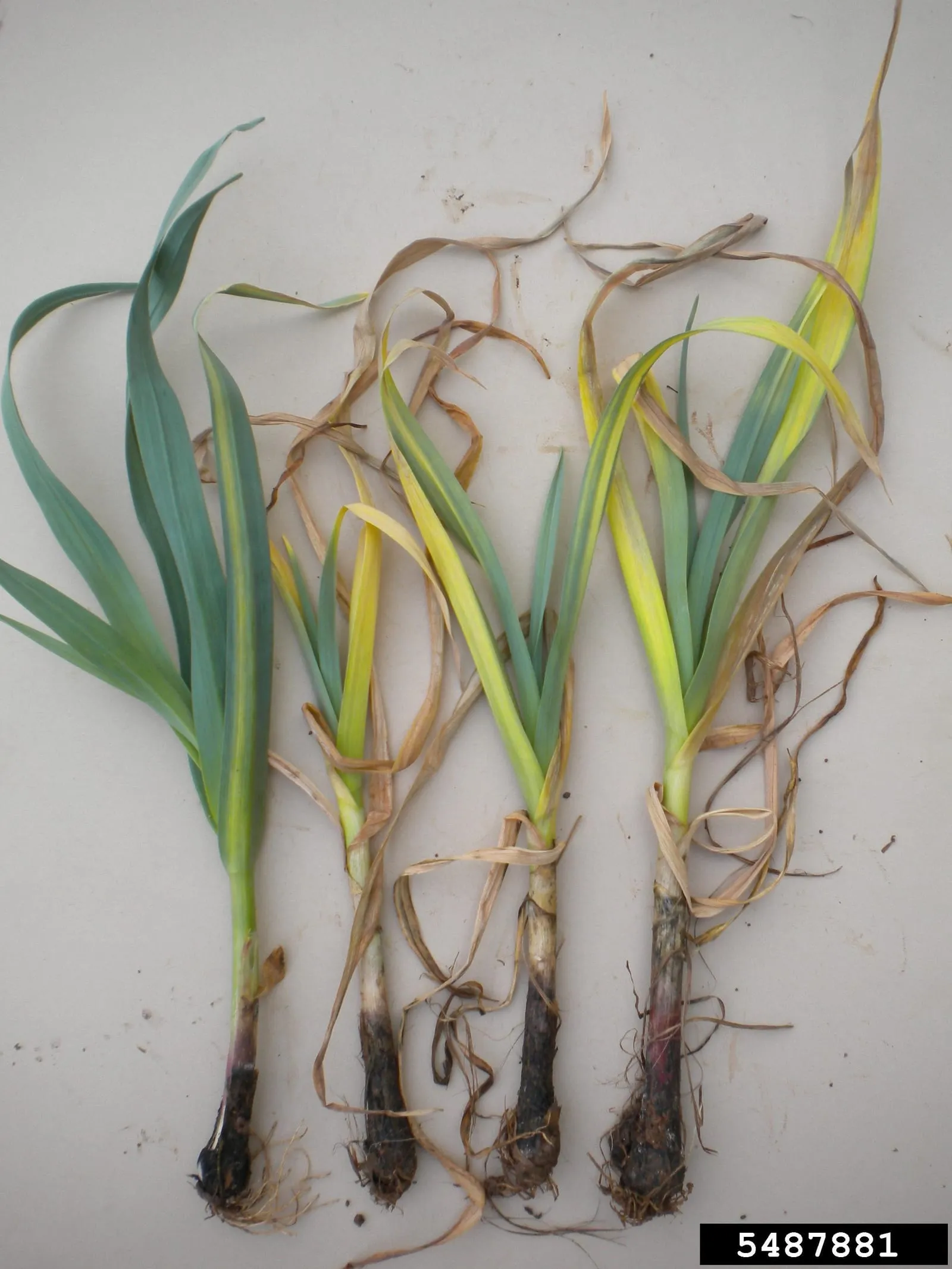
Onion White Rot (Sclerotium cepivorum) is the main disease concern in this region. This soilborne fungus persists in soil for 20 or more years and has no effective chemical cure once established. Strict crop rotation, at minimum a four-year gap before replanting alliums in the same bed, is the practical management strategy. Avoid moving soil between beds, and remove infected plant material rather than composting it.
Coastal growers in zone 9a should account for tropical storm timing when scheduling fall plantings. A late September storm can flatten young transplants; waiting until mid-October reduces that exposure in hurricane-prone areas.
Frequently asked questions
- Can scallions be grown year-round in zone 9a?
Not quite year-round. Scallions thrive in zone 9a from September through May but struggle in the heat of June through August, when high temperatures promote bolting rather than bunch development. Two planting windows, fall and late winter, provide the most reliable harvests.
- How do I manage Onion White Rot in a zone 9a garden?
Prevention is the only reliable strategy. Rotate alliums on at least a four-year cycle, avoid transferring soil between beds, and remove any infected plants and surrounding soil promptly. Once Sclerotium cepivorum is established in a bed, it can remain viable for decades, so contamination is far easier to prevent than to manage after the fact.
- Do scallions need frost protection in zone 9a?
Rarely. Scallions tolerate brief dips into the upper 20s without significant damage, and zone 9a minimum temperatures rarely drop that low for extended periods. Fall and winter plantings generally overwinter without protection, though a light row cover during hard freezes extends the harvest window and improves bunch quality.
+−
+−
+−
Scallion (Bunching Onion) in adjacent zones
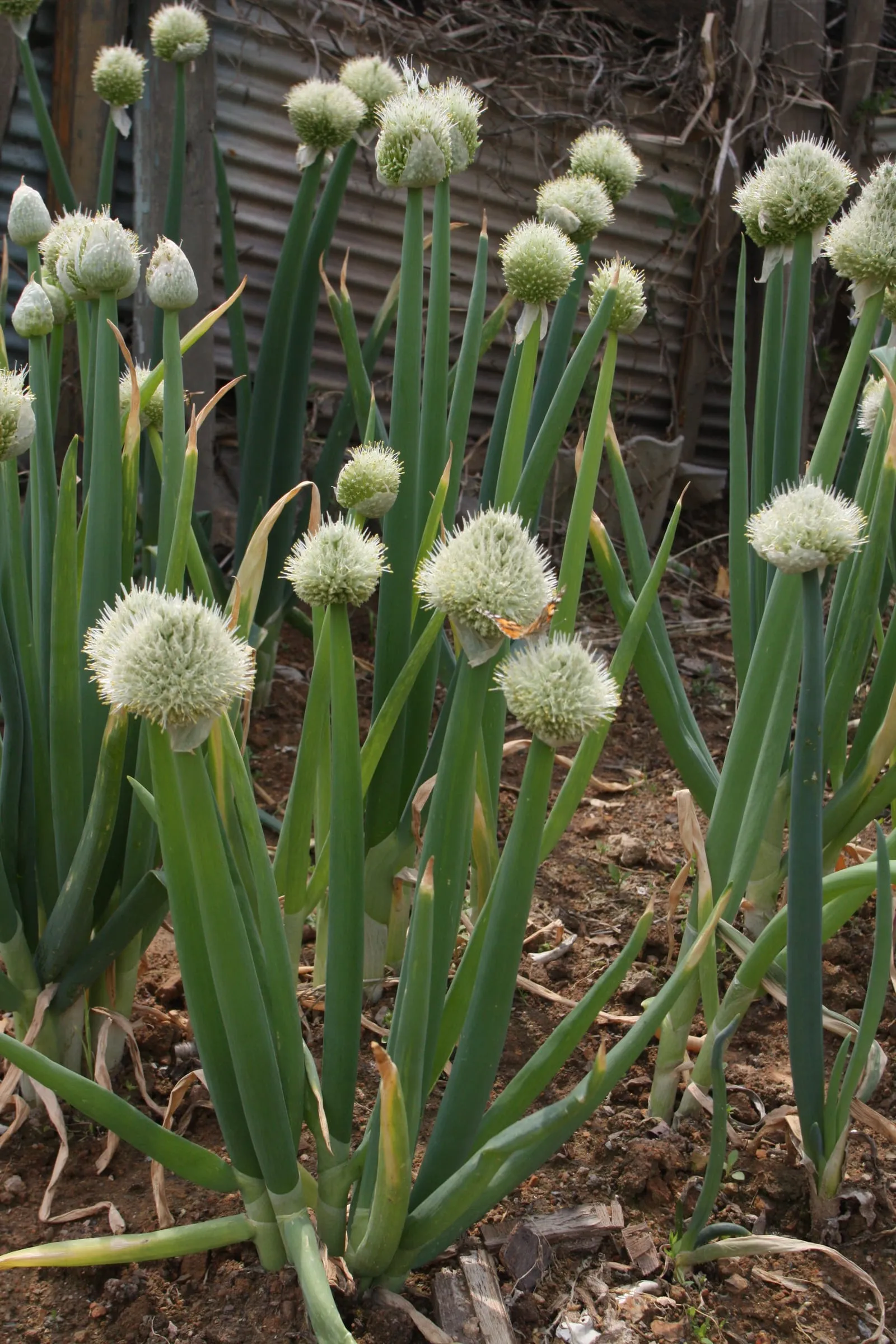
Image: "Allium fistulosum 2", by Dalgial, via Wikimedia Commons, licensed under CC-BY Source.

Related