vegetable in zone 9b
Growing scallion (bunching onion) in zone 9b
Allium fistulosum
- Zone
- 9b 25°F to 30°F
- Growing season
- 310 days
- Suitable varieties
- 0
- Days to harvest
- 60 to 80
The verdict
Scallions are a strong fit for zone 9b. Unlike bulb onions or tree fruits that require chill hours, scallions are harvested before they flower and have no meaningful vernalization requirement. The 310-day growing season gives growers far more flexibility than shorter-season climates, allowing multiple successive plantings across fall, winter, and early spring.
The limiting factor in zone 9b is not cold but heat. Scallions are cool-season alliums; sustained temperatures above 85°F trigger bolting and degraded quality. Summer plantings are not viable in most of the zone. That said, a well-timed fall-to-spring window (roughly October through April in most 9b locations) is genuinely productive. Zone 9b is not marginal for scallions so much as seasonally constrained, with summer functioning as the functional off-season rather than winter.
Critical timing for zone 9b
In zone 9b, the primary planting window runs from late September through February. Seed sown in October germinates quickly in warm-but-cooling soil and reaches harvest size (typically 60 to 90 days from seed) by December or January. Successive sowings every 3 to 4 weeks extend the harvest window through April.
Bolting risk rises sharply once daytime temperatures regularly exceed 80°F, which in most 9b locations means late April or May. Frost rarely affects scallions in this zone; the minimum temperature range of 25 to 30°F is cold enough to check growth briefly but not to damage the plants. Any planting made before December will generally sail through winter without protection.
Common challenges in zone 9b
- ▸ Heat stress in summer
- ▸ Insufficient chill for most apples
- ▸ Salt spray near coasts
Disease pressure to watch for
Modified care for zone 9b
The main adjustment for zone 9b growers is shifting the entire production calendar away from summer. Plantings made from June through August will bolt prematurely and yield poorly regardless of irrigation or shade cloth.
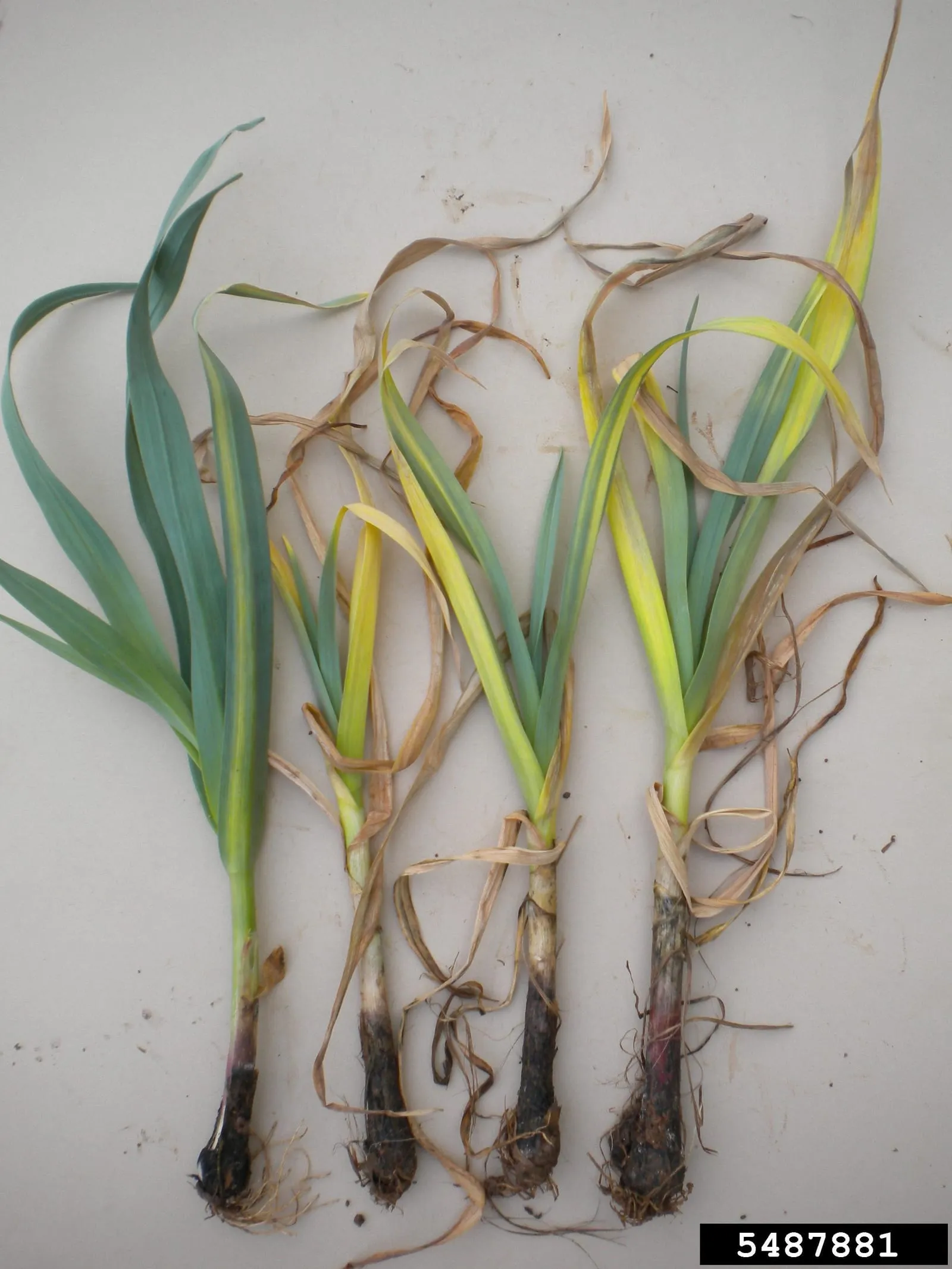
Onion White Rot (Sclerotium cepivorum) is the primary disease concern. This soilborne pathogen thrives in cool, moist conditions, which aligns directly with zone 9b's productive window. Avoid overhead irrigation during the cooler months; drip irrigation reduces leaf wetness and limits spread. Crop rotation out of any allium for at least 4 years in affected beds is the only reliable cultural control, since the pathogen produces long-lived sclerotia that persist in soil for decades.
Coastal growers dealing with salt spray should select sheltered beds or use low windbreaks; scallion foliage is moderately sensitive to salt accumulation on leaf surfaces.
Scallion (Bunching Onion) in adjacent zones
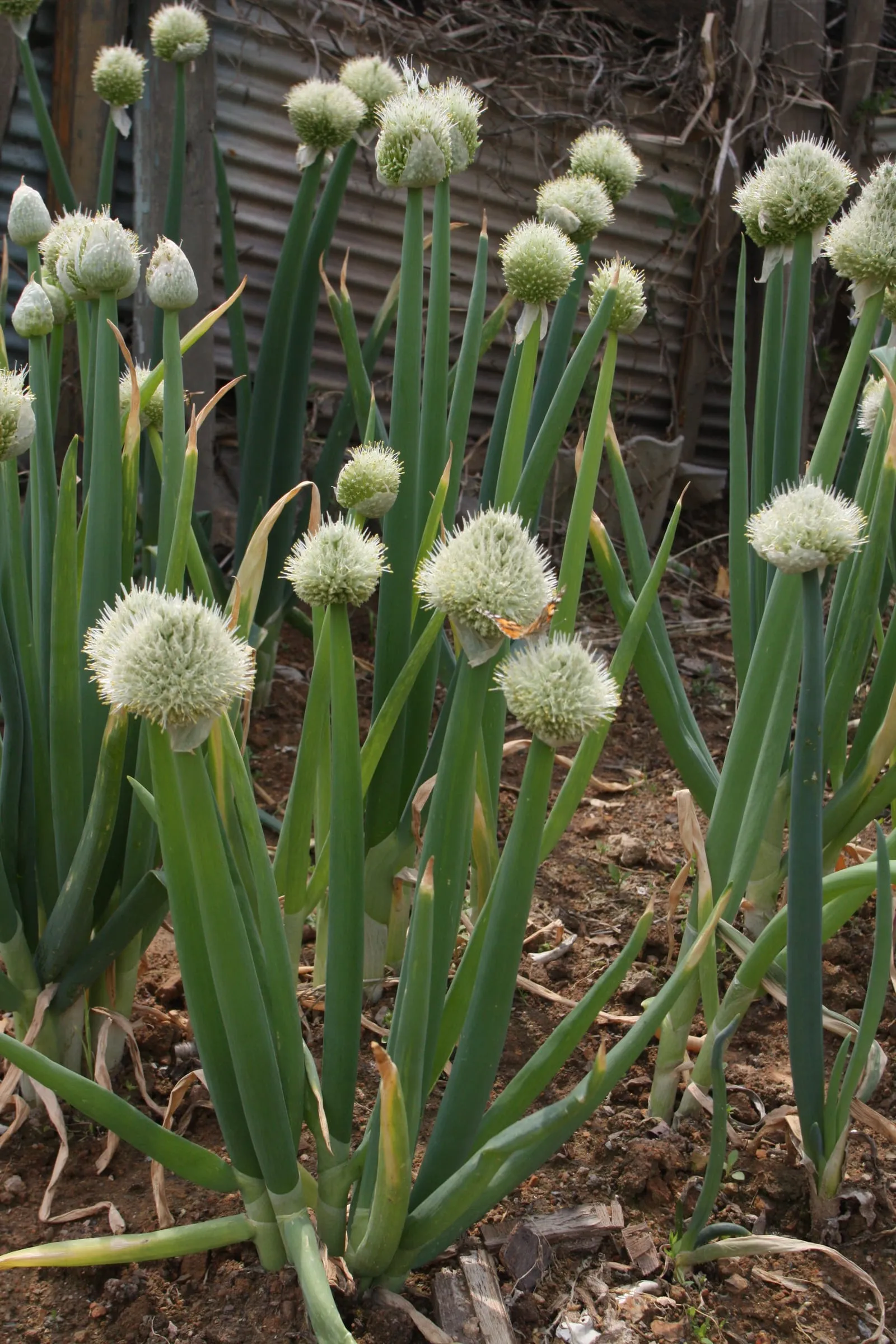
Image: "Allium fistulosum 2", by Dalgial, via Wikimedia Commons, licensed under CC-BY Source.

Related