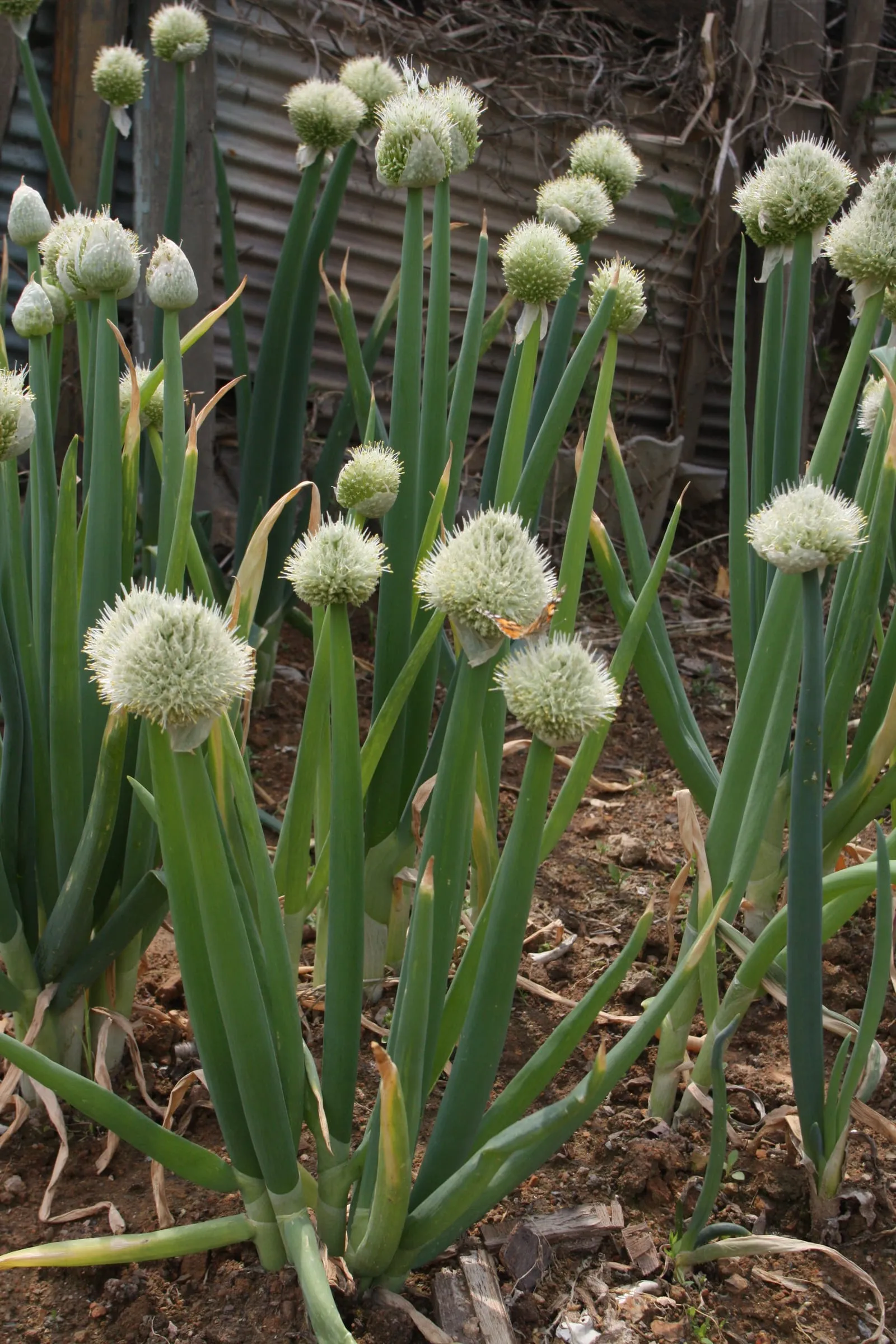
vegetable in zone 8a
Growing scallion (bunching onion) in zone 8a
Allium fistulosum
- Zone
- 8a 10°F to 15°F
- Growing season
- 240 days
- Suitable varieties
- 2
- Days to harvest
- 60 to 80
The verdict
Scallions (bunching onions) are well-suited to zone 8a and can be grown across roughly nine months of the year. Unlike fruiting crops, bunching onions have no chill-hour requirement, so the zone's mild winters are an asset rather than a constraint. The 240-day growing season accommodates sequential plantings from early fall through late spring, with the cooler months delivering the best flavor and most reliable stands.
The primary limitation in zone 8a is summer heat. Extended periods above 90°F cause scallions to bolt prematurely, develop coarse texture, and lose the mild flavor that distinguishes them from mature storage onions. Varieties like Tokyo Long White and Red Beard show reasonable heat tolerance relative to many bunching types, but mid-summer direct seeding remains unreliable. Zone 8a is a genuine sweet spot for this crop outside the summer gap, which is manageable with straightforward timing adjustments.
Recommended varieties for zone 8a
2 cultivars suited to this zone, with disease-resistance and zone-fit annotations.
| Variety | Notes | Zone fit | Disease resistance |
|---|---|---|---|
| Tokyo Long White fits zone 8a | Mild-sharp, crisp, classic Japanese-style scallion; long white shanks. Stir-fries, salads, garnishes. Productive, can be banked up for blanched white shanks. | | none noted |
| Red Beard fits zone 8a | Mild, slightly sweet, beautiful purple-red shanks fading to green; the ornamental scallion. Salads, garnishes, raw use. Productive, shows color best in cool weather. | | none noted |
Critical timing for zone 8a
The primary scallion growing windows in zone 8a are fall-to-spring. Seeds sown from early September through October germinate quickly in still-warm soil and produce harvest-ready plants from November through February, depending on sowing date. A second planting in late January or February capitalizes on lengthening days and moderate temperatures, with harvest running from late March into May before summer heat sets in.
Zone 8a's last spring frost typically falls in late February to mid-March, which rarely threatens established plantings since bunching onions tolerate light frost without meaningful damage. The first fall frost arrives around mid-November, again posing little risk to young transplants or direct-sown seedlings. The real scheduling constraint is the summer heat window from June through August, when consistent heat makes direct seeding impractical and quality declines sharply.
Common challenges in zone 8a
- ▸ Insufficient chill hours for some apple varieties
- ▸ Pierce's disease in grapes
- ▸ Heat stress on cool-season crops
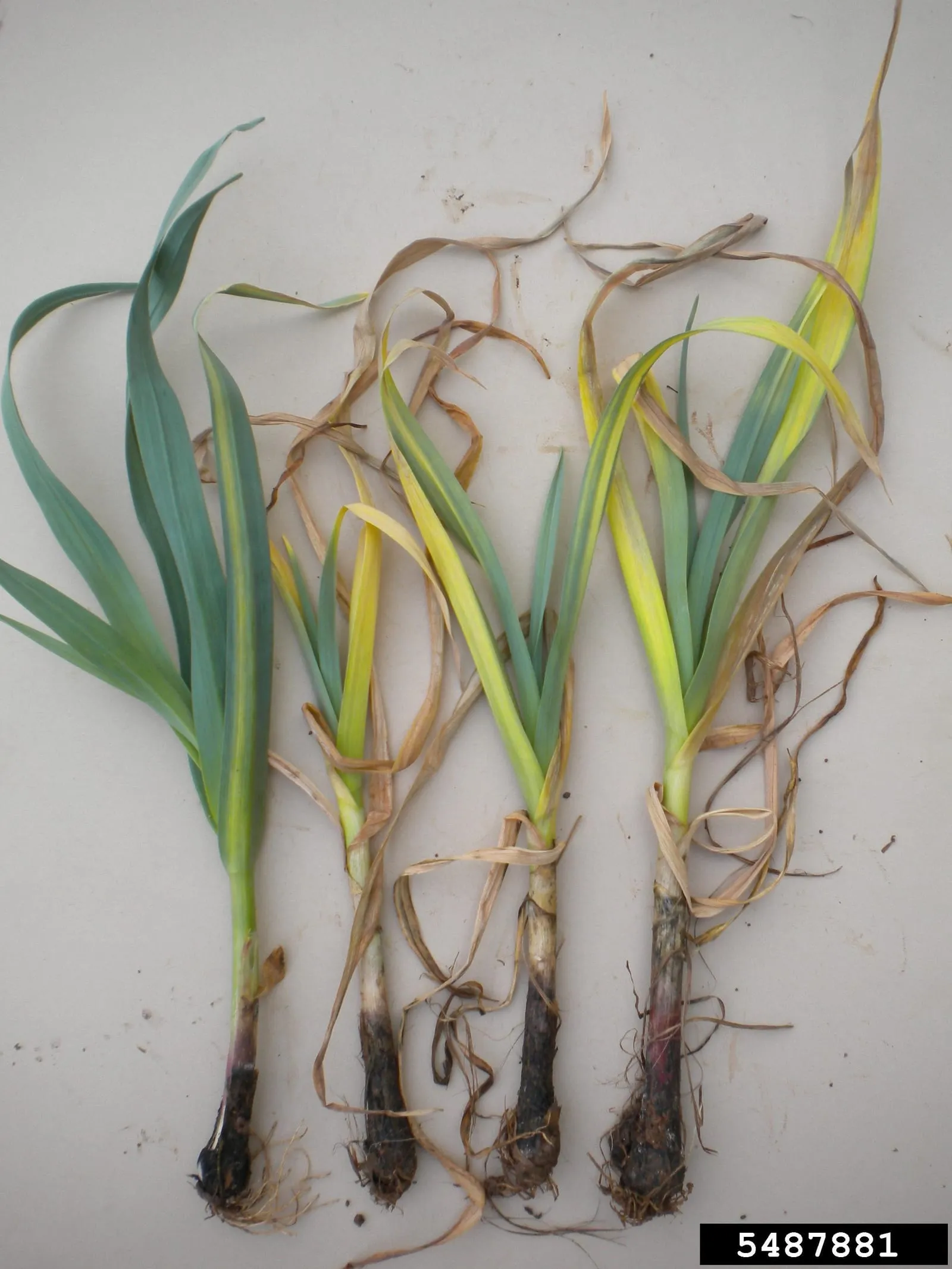
Disease pressure to watch for
Modified care for zone 8a
The primary care adjustment in zone 8a is seasonal scheduling around summer heat rather than cold-weather protection. Unlike northern zones where overwintering is the main challenge, growers here should plan to complete spring harvest before consistently hot weather arrives and restart fall planting in September.
Onion white rot (Sclerotium cepivorum) is the main disease concern in this zone. This soilborne fungus persists in soil for decades and activates in cool, moist conditions, making fall and early spring plantings the most vulnerable windows. Avoid replanting alliums in beds with any history of white rot; there is no practical soil cure once the pathogen is established. Raised beds with good drainage and a multi-year rotation away from alliums are the most reliable mitigation.
For any grower attempting summer succession plantings, 30 to 50 percent shade cloth significantly outperforms mulch alone at moderating soil temperature and slowing bolting.
Scallion (Bunching Onion) in adjacent zones
Image: "Allium fistulosum 2", by Dalgial, via Wikimedia Commons, licensed under CC-BY Source.

Related