vegetable in zone 7b
Growing scallion (bunching onion) in zone 7b
Allium fistulosum
- Zone
- 7b 5°F to 10°F
- Growing season
- 220 days
- Suitable varieties
- 3
- Days to harvest
- 60 to 80
The verdict
Zone 7b is a reliable and productive zone for scallions. Unlike fruit crops with fixed chill-hour requirements, scallions are cool-season vegetables that measure success by soil and air temperature, not accumulated winter cold. The zone's 220-day growing season supports two full successions each year: a spring planting and a fall planting that carries into early winter. Minimum winter temperatures of 5 to 10°F sit right at the threshold where Evergreen Hardy White and Tokyo Long White can overwinter in-ground with minimal protection, giving zone 7b growers an option that colder zones cannot manage. This is not a marginal zone. Scallions prefer the cool shoulders of the growing season, and zone 7b delivers two of them. The primary limiting factor is not temperature but disease pressure in late summer, which cuts into warm-season plantings and makes cool-season succession timing more important than in northern zones.
Recommended varieties for zone 7b
3 cultivars suited to this zone, with disease-resistance and zone-fit annotations.
| Variety | Notes | Zone fit | Disease resistance |
|---|---|---|---|
| Evergreen Hardy White fits zone 7b | Mild, fresh, classic green-onion flavor; white shafts and bright green tops. Salads, garnishes, stir-fries. True bunching onion, perennial in zones 4+, divides indefinitely. | | none noted |
| Tokyo Long White fits zone 7b | Mild-sharp, crisp, classic Japanese-style scallion; long white shanks. Stir-fries, salads, garnishes. Productive, can be banked up for blanched white shanks. | | none noted |
| Red Beard fits zone 7b | Mild, slightly sweet, beautiful purple-red shanks fading to green; the ornamental scallion. Salads, garnishes, raw use. Productive, shows color best in cool weather. | | none noted |
Critical timing for zone 7b
In zone 7b, the most reliable scallion window opens in late February to mid-March, once soil temperatures reach 40°F consistently. Direct sowing then yields harvest from late April through June, roughly 60 to 80 days after germination depending on variety. Last frost in zone 7b typically falls between late March and early April, but scallion seedlings tolerate light frost without damage, so early starts are low-risk. A second planting in late August or early September takes advantage of cooling fall temperatures and can be harvested from October through December. Fall-planted Evergreen Hardy White frequently overwinters and resumes growth by February. Midsummer planting (June through July) is possible but performance drops under heat and humidity; disease pressure from onion white rot increases substantially in those conditions.
Common challenges in zone 7b
- ▸ Cedar-apple rust pressure heavy in piedmont
- ▸ Japanese beetles
- ▸ Brown marmorated stink bug
- ▸ Late summer disease pressure
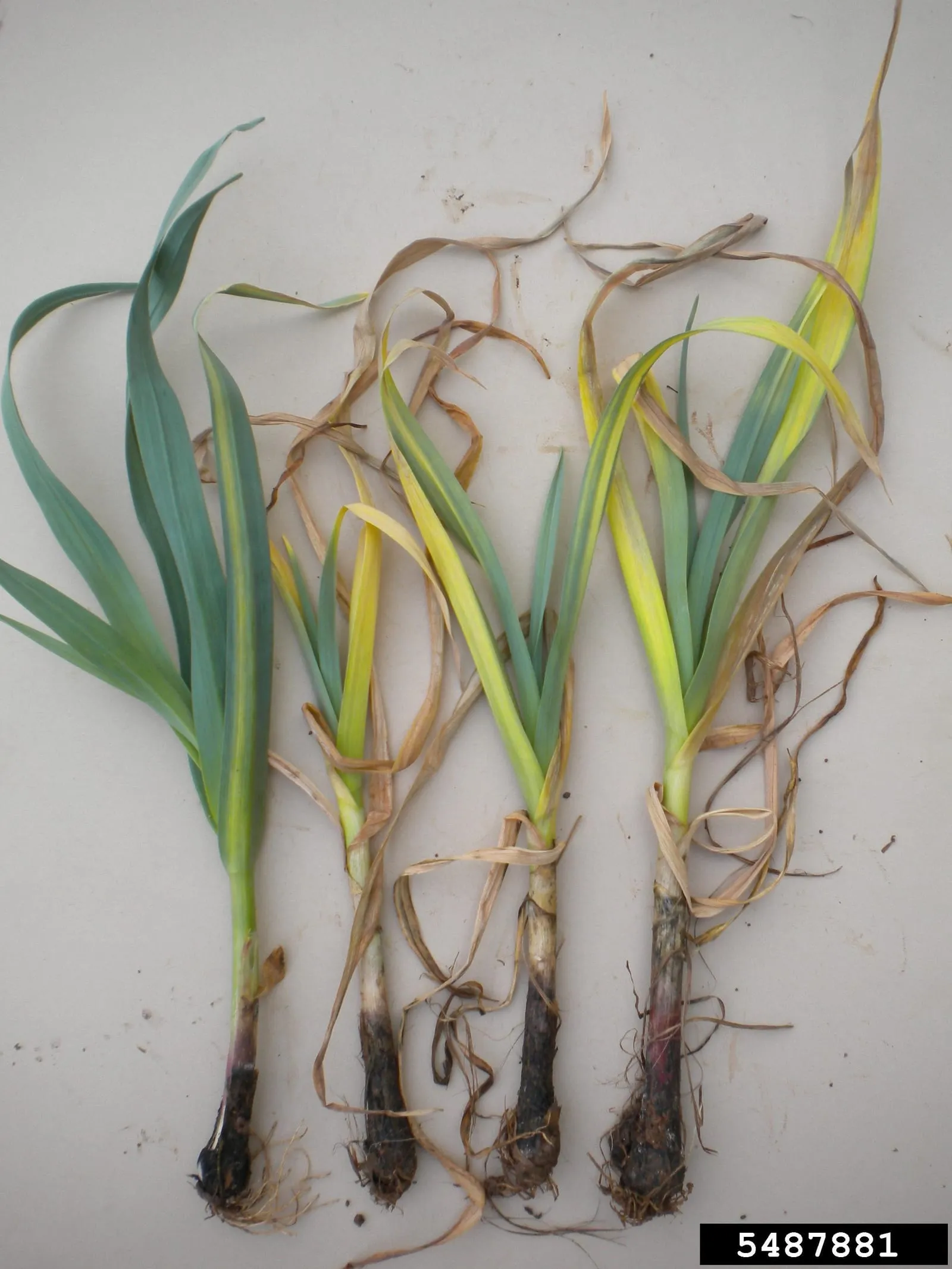
Disease pressure to watch for
Modified care for zone 7b
Zone 7b's primary adjustment for scallion growers is managing late-summer disease pressure. Onion white rot thrives in warm, moist soil and can persist in the soil for years once established. Rotating scallions and all alliums on a minimum three-year cycle is more critical here than in drier climates. Raised beds with sharp drainage help reduce infection risk during humid stretches. Japanese beetles and brown marmorated stink bugs will feed on scallion foliage, though neither causes the level of damage they inflict on broader-leafed crops; hand removal is usually sufficient. For fall-overwinter plantings of Evergreen Hardy White, a light mulch layer of 2 to 3 inches of straw provides adequate protection during zone 7b cold snaps without retaining the excess moisture that promotes rot. No supplemental heat protection is needed.
Frequently asked questions
- Can scallions survive winter in zone 7b?
Cold-hardy varieties like Evergreen Hardy White can overwinter in-ground in zone 7b with light mulch protection. A 2 to 3 inch straw layer is typically sufficient. The plants go semi-dormant during the coldest weeks and resume active growth by late February.
- How many crops of scallions can zone 7b growers expect per year?
Two productive successions are realistic: a spring planting (late February to March, harvested April through June) and a fall planting (August to September, harvested October through December or overwintered). Midsummer plantings are possible but underperform due to heat and disease pressure.
- What is onion white rot and should zone 7b growers worry about it?
Onion white rot is a soilborne fungal disease that attacks allium roots and bulbs, producing white cottony growth and causing plants to collapse. It is a genuine concern in zone 7b's warm, humid late summer. Once present in soil it can survive for 20-plus years. Strict crop rotation and well-drained beds are the primary preventive measures.
+−
+−
+−
Scallion (Bunching Onion) in adjacent zones
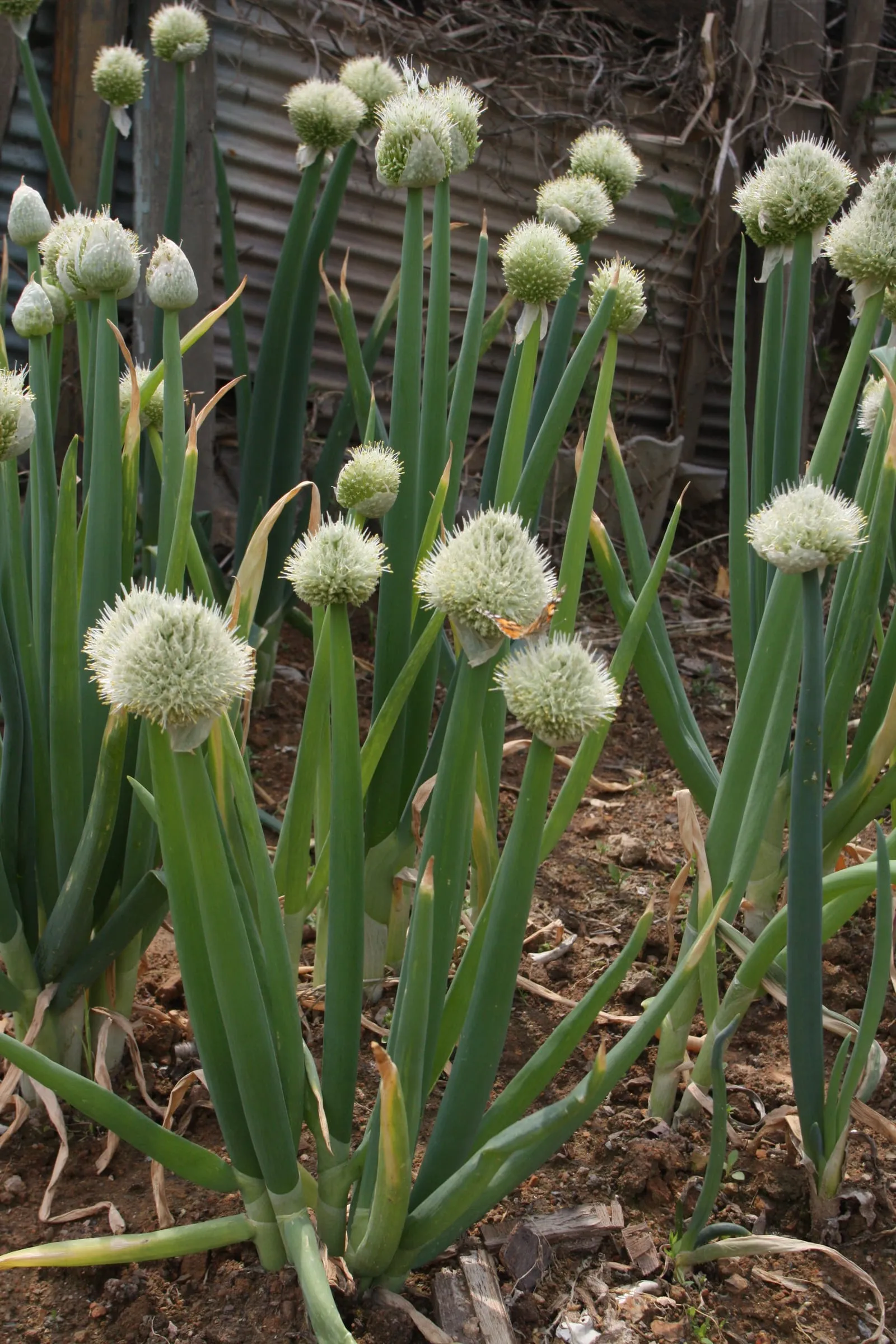
Image: "Allium fistulosum 2", by Dalgial, via Wikimedia Commons, licensed under CC-BY Source.

Related