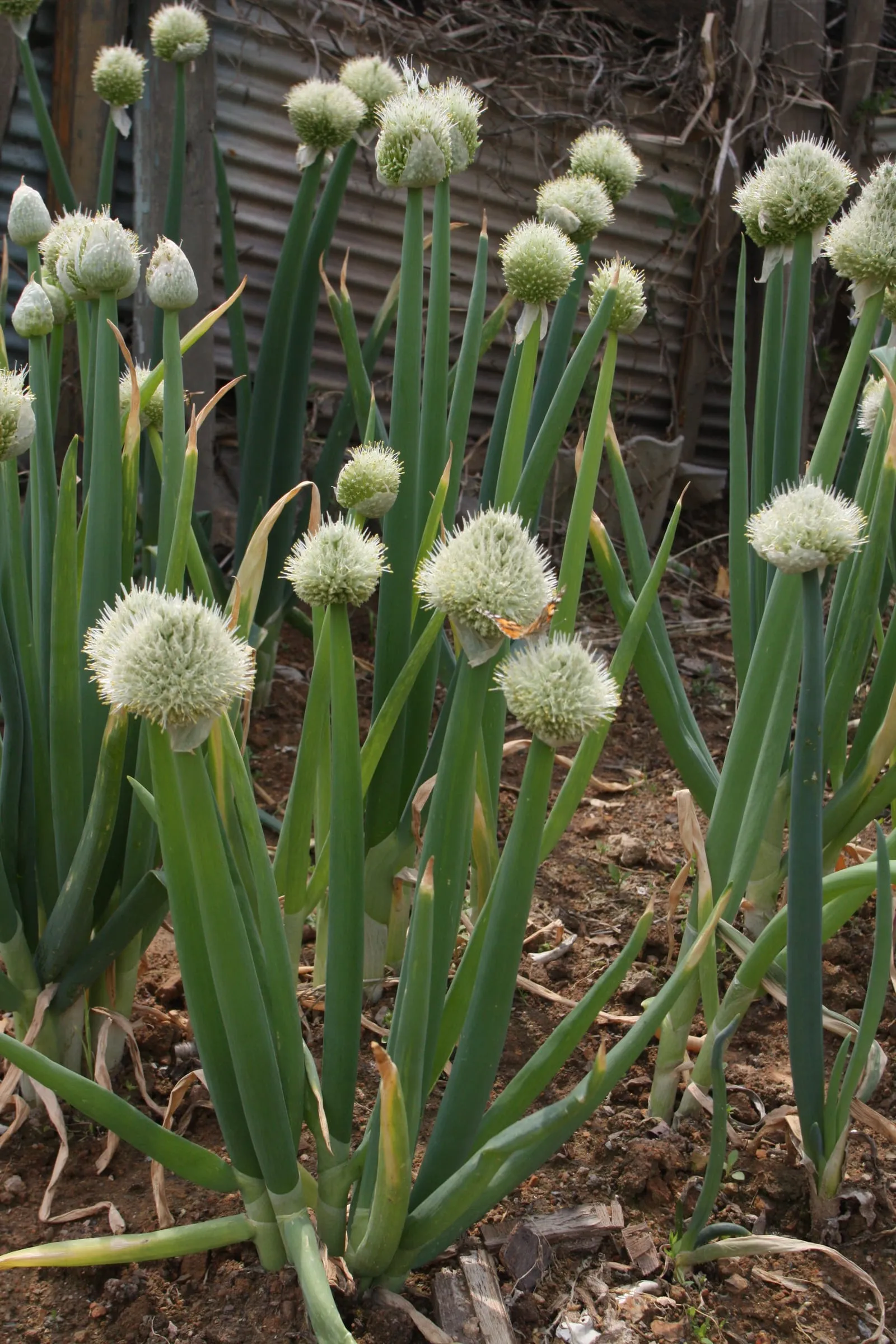
vegetable in zone 7a
Growing scallion (bunching onion) in zone 7a
Allium fistulosum
- Zone
- 7a 0°F to 5°F
- Growing season
- 210 days
- Suitable varieties
- 3
- Days to harvest
- 60 to 80
The verdict
Zone 7a is a reliable production zone for scallions. Unlike tree fruits, scallions have no meaningful chill-hour requirement, so zone temperature minimums of 0 to 5°F are relevant mainly for overwintering hardiness rather than dormancy fulfillment. Hardy varieties such as Evergreen Hardy White are bred to survive exactly this kind of occasional hard freeze, making fall-planted scallions a viable overwintering crop in most zone 7a locations.
The 210-day growing season is the real advantage here. It allows for multiple successions: a spring planting that starts well before last frost, a brief midsummer gap when heat pushes bolt risk higher, and a fall planting that extends harvest into December or beyond. The main limitation is not cold but summer heat. Scallions prefer soil temperatures below 75°F and tend to bolt or go soft when pushed through high heat. Zone 7a summers frequently exceed that threshold, which compresses the comfortable growing window rather than eliminating it.
Recommended varieties for zone 7a
3 cultivars suited to this zone, with disease-resistance and zone-fit annotations.
| Variety | Notes | Zone fit | Disease resistance |
|---|---|---|---|
| Evergreen Hardy White fits zone 7a | Mild, fresh, classic green-onion flavor; white shafts and bright green tops. Salads, garnishes, stir-fries. True bunching onion, perennial in zones 4+, divides indefinitely. | | none noted |
| Tokyo Long White fits zone 7a | Mild-sharp, crisp, classic Japanese-style scallion; long white shanks. Stir-fries, salads, garnishes. Productive, can be banked up for blanched white shanks. | | none noted |
| Red Beard fits zone 7a | Mild, slightly sweet, beautiful purple-red shanks fading to green; the ornamental scallion. Salads, garnishes, raw use. Productive, shows color best in cool weather. | | none noted |
Critical timing for zone 7a
Spring sowings in zone 7a typically begin in late February or early March, 6 to 8 weeks before the average last frost (late March to mid-April for most of zone 7a). Germination is slow in cold soil, so early sowings may take 2 to 3 weeks to emerge. Harvest follows 60 to 75 days from germination for most bunching types, placing spring harvest in May and June before serious heat sets in.
Fall is often the stronger season. Sow in late July through mid-August for harvest from October into November. Plants established before first frost will often hold through winter under light mulch. Overwintered scallions resume growth in February and provide some of the earliest spring harvests. Bolting is the signal that harvest window is closing, and in zone 7a that risk peaks in June and again if summer-sown plants mature into August heat.
Common challenges in zone 7a
- ▸ Cedar-apple rust
- ▸ Brown rot
- ▸ Fire blight
- ▸ High humidity disease pressure
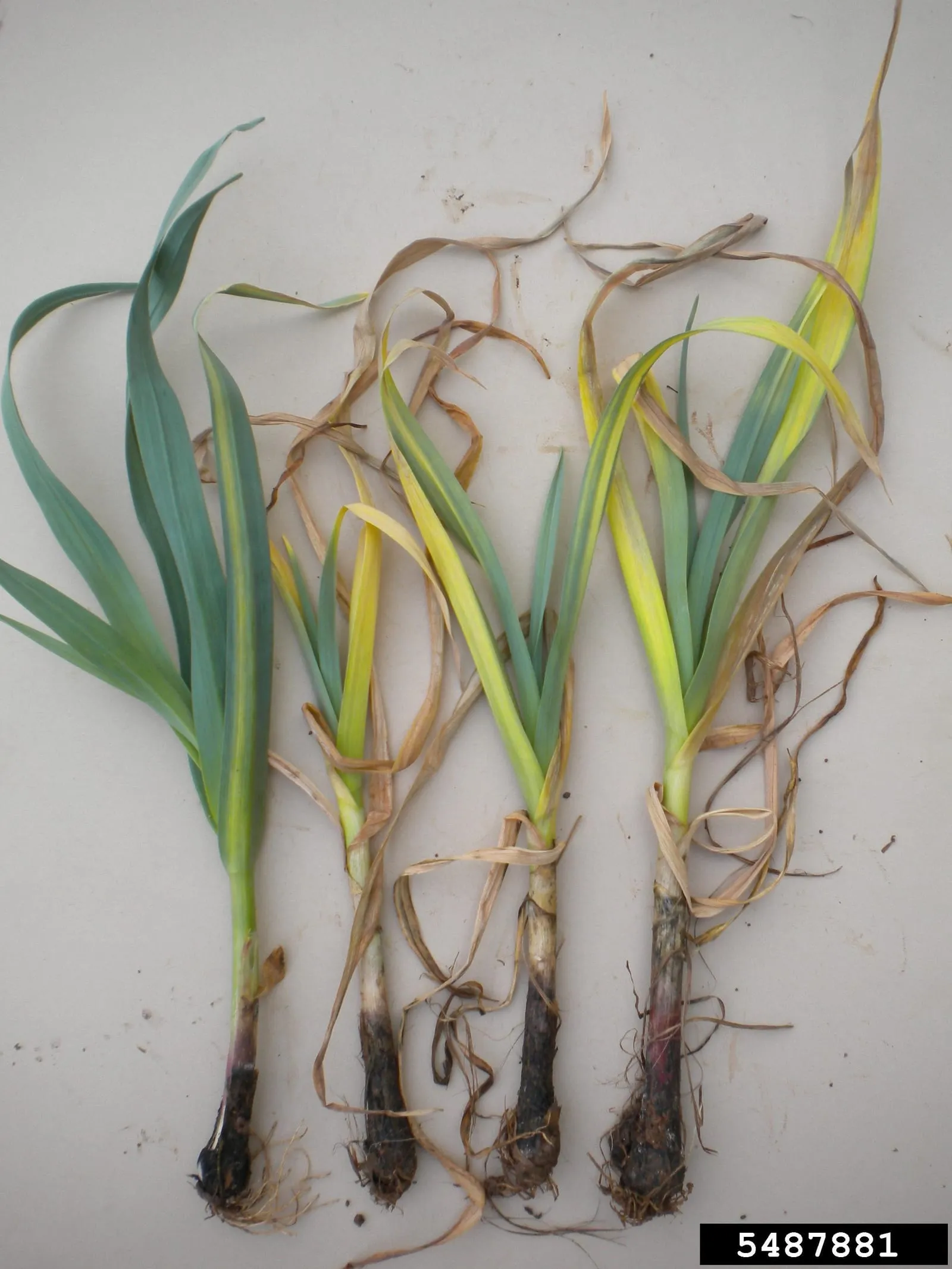
Disease pressure to watch for
Modified care for zone 7a
The primary adjustment for zone 7a growers is disease pressure. High summer humidity creates favorable conditions for Onion White Rot, a soilborne fungus that can persist in the soil for decades once established. Avoid overhead irrigation, ensure beds drain freely, and do not plant alliums in the same location more than once every 4 to 5 years. If white rot has appeared in a bed previously, remove and discard infected material rather than composting it.
For fall plantings intended to overwinter, a 2 to 3 inch layer of straw mulch applied after the first hard freeze helps moderate soil temperature swings and protects crowns during the occasional 0 to 5°F nights zone 7a can produce. Remove mulch in late February to allow soil to warm. Spring sowings require no special protection once soil temperatures are consistently above 40°F.
Frequently asked questions
- Can scallions overwinter in zone 7a?
Hardy varieties like Evergreen Hardy White can survive zone 7a winters with light mulch protection. Plants established in August or September will go semi-dormant in the coldest weeks and resume growth in late winter, often providing harvestable scallions by mid-February.
- How many successions of scallions can zone 7a support in a season?
Most zone 7a growers can fit two productive windows: spring (sown February to March, harvested May to June) and fall (sown late July to mid-August, harvested October through winter). Midsummer sowings are possible but less reliable due to heat and bolt pressure.
- What is Onion White Rot and how serious is it in zone 7a?
Onion White Rot is a soilborne fungal disease caused by Sclerotium cepivorum. Humid conditions common in zone 7a summers favor its spread. Once established in a bed, the pathogen can remain viable in soil for 20 or more years, so prevention through crop rotation and drainage management is far more effective than treatment.
+−
+−
+−
Scallion (Bunching Onion) in adjacent zones
Image: "Allium fistulosum 2", by Dalgial, via Wikimedia Commons, licensed under CC-BY Source.

Related