vegetable in zone 6b
Growing scallion (bunching onion) in zone 6b
Allium fistulosum
- Zone
- 6b -5°F to 0°F
- Growing season
- 190 days
- Suitable varieties
- 3
- Days to harvest
- 60 to 80
The verdict
Zone 6b sits comfortably within the productive range for scallions. Unlike many crops that require precise chill-hour accumulation, scallions are cool-season annuals that perform best in the 45 to 75 degree Fahrenheit window that zone 6b reliably delivers each spring and fall. The minimum winter temperature of -5°F to 0°F is cold enough that unprotected plantings can suffer winter kill, but selections like Evergreen Hardy White are specifically bred to carry through these lows with minimal protection.
The 190-day growing season supports multiple successions, which is exactly how scallions deliver continuous harvests rather than a single flush. This is not a marginal zone for the crop. The primary constraint is not cold tolerance but midsummer heat, which accelerates bolting and reduces usable yield. Varieties like Tokyo Long White and Red Beard extend the season range and provide options across both the spring and fall windows.
Recommended varieties for zone 6b
3 cultivars suited to this zone, with disease-resistance and zone-fit annotations.
| Variety | Notes | Zone fit | Disease resistance |
|---|---|---|---|
| Evergreen Hardy White fits zone 6b | Mild, fresh, classic green-onion flavor; white shafts and bright green tops. Salads, garnishes, stir-fries. True bunching onion, perennial in zones 4+, divides indefinitely. | | none noted |
| Tokyo Long White fits zone 6b | Mild-sharp, crisp, classic Japanese-style scallion; long white shanks. Stir-fries, salads, garnishes. Productive, can be banked up for blanched white shanks. | | none noted |
| Red Beard fits zone 6b | Mild, slightly sweet, beautiful purple-red shanks fading to green; the ornamental scallion. Salads, garnishes, raw use. Productive, shows color best in cool weather. | | none noted |
Critical timing for zone 6b
Scallions reach harvest in 60 to 90 days from seed, depending on variety and conditions. In zone 6b, where last spring frost dates typically fall in the second half of April, direct sowing can begin 4 to 6 weeks before that date, roughly early to mid-March, with row cover to buffer late cold snaps. A spring planting started in March reaches full harvest by late May or June, before summer heat intensifies.
A second succession sown in late July or early August, targeting a window 8 to 10 weeks ahead of zone 6b's first fall frost, which typically arrives in early to mid-October, delivers harvest through September and October. Evergreen Hardy White planted in late summer can be carried through winter under straw mulch and harvested the following April, extending the functional season without a greenhouse.
Common challenges in zone 6b
- ▸ Cedar-apple rust
- ▸ Fire blight
- ▸ Stink bugs
Disease pressure to watch for
Modified care for zone 6b
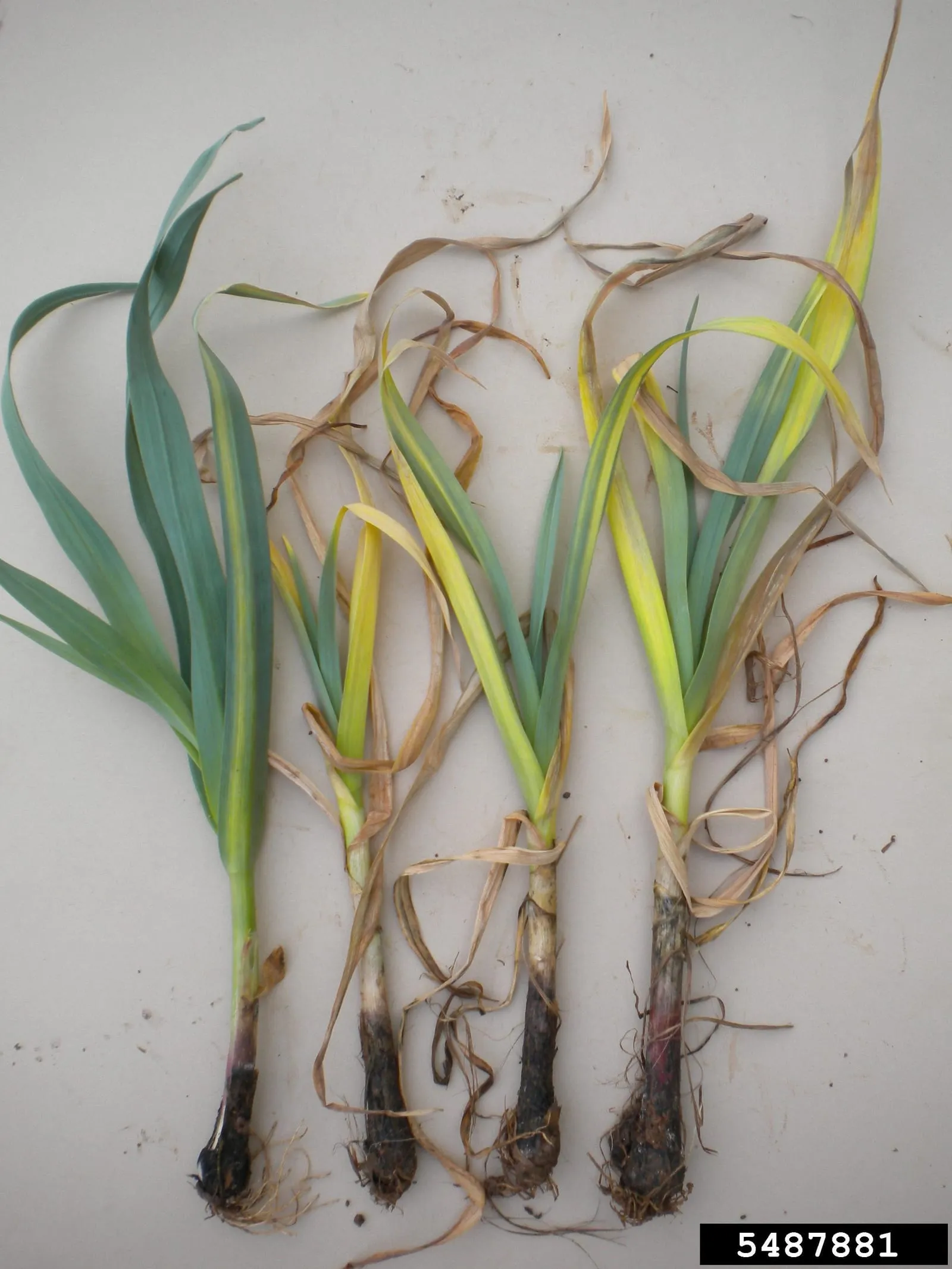
The primary disease adjustment in zone 6b is active management of Onion White Rot, a soilborne fungal pathogen that persists in soil for 20 years or more. Crop rotation alone does not eliminate it once it is established; avoid replanting any allium in an affected bed for multiple seasons and sterilize tools between beds to prevent mechanical spread.
Stink bug pressure, which peaks in late summer and early fall in much of zone 6b, causes cosmetic and structural damage to scallion foliage and necks, particularly on fall plantings that mature in September and October. Row cover applied before populations build in August provides effective mechanical exclusion.
For overwintering plantings of Evergreen Hardy White, a light layer of straw mulch or floating row cover helps the plants carry through the -5°F to 0°F minimum temperatures zone 6b can reach, reducing crown damage without creating the humid conditions that favor rot at the soil line.
Scallion (Bunching Onion) in adjacent zones
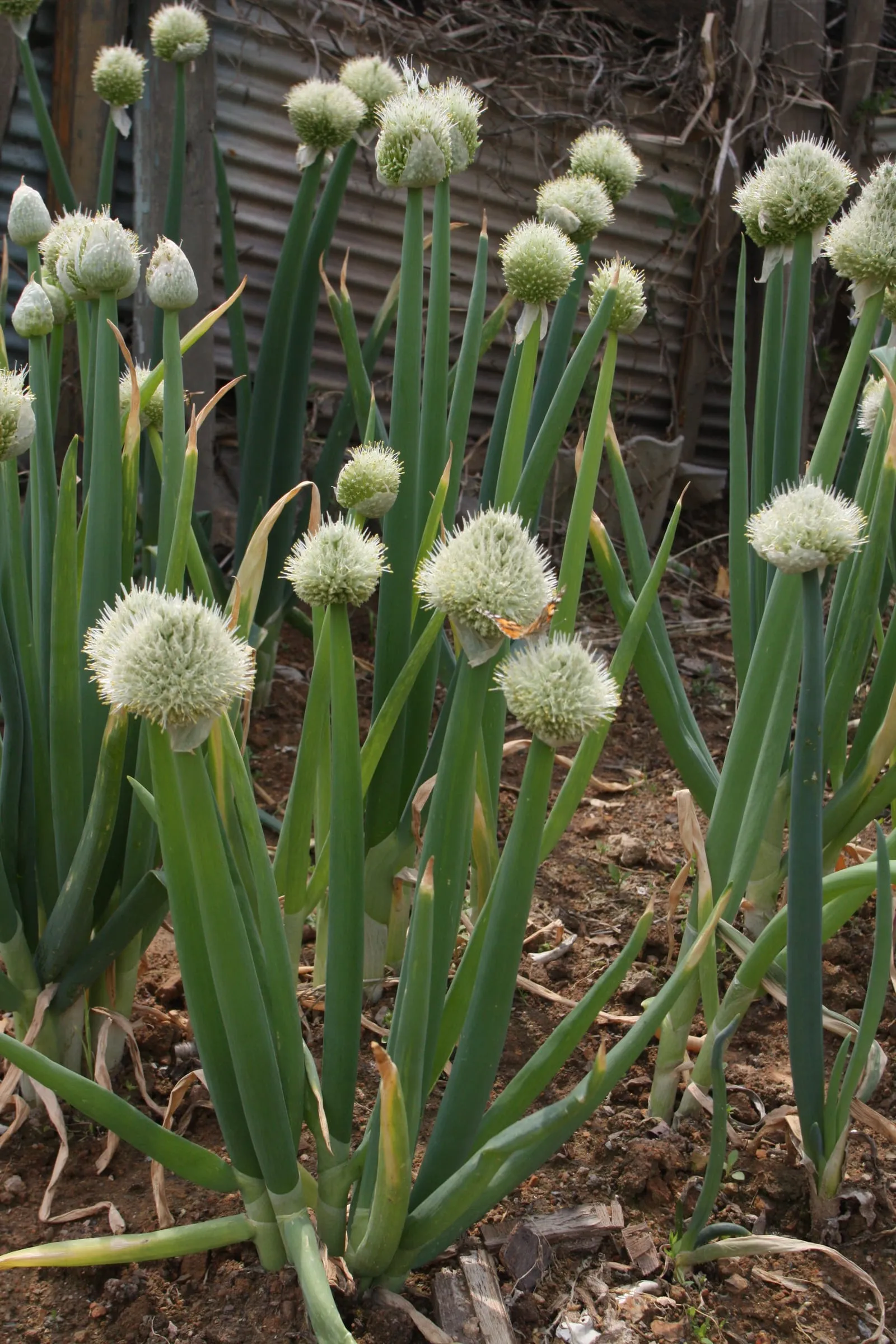
Image: "Allium fistulosum 2", by Dalgial, via Wikimedia Commons, licensed under CC-BY Source.

Related