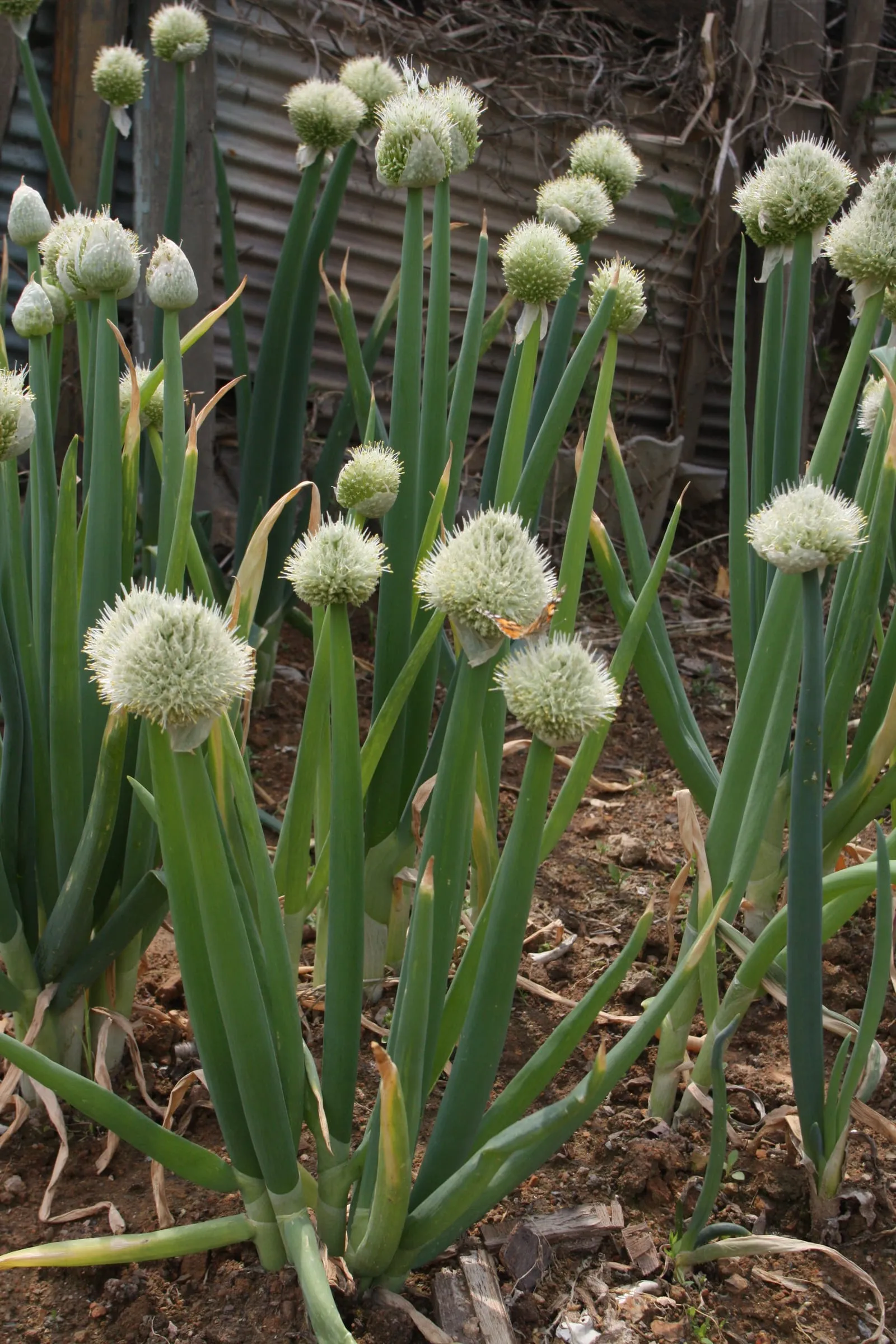
vegetable in zone 6a
Growing scallion (bunching onion) in zone 6a
Allium fistulosum
- Zone
- 6a -10°F to -5°F
- Growing season
- 180 days
- Suitable varieties
- 3
- Days to harvest
- 60 to 80
The verdict
Scallions have no chill-hour requirement, so the usual cold-climate calculus that complicates stone fruit and apple growing in zone 6a simply does not apply here. The crop is grown for foliage, not fruit, and it tolerates a wide range of temperatures. Zone 6a, with its 180-day growing season and winter lows between -10 and -5°F, is a reliable production zone rather than a marginal one.
Variety selection matters at this latitude. Evergreen Hardy White is bred specifically for cold tolerance and can overwinter in-ground in zone 6a, returning growth in early spring before most other crops are even germinating. Tokyo Long White and Red Beard perform well as seasonal plantings but benefit from a protected position or light mulch when temperatures drop sharply. For growers who want year-round production, Evergreen Hardy White makes that possible in zone 6a with minimal intervention.
Recommended varieties for zone 6a
3 cultivars suited to this zone, with disease-resistance and zone-fit annotations.
| Variety | Notes | Zone fit | Disease resistance |
|---|---|---|---|
| Evergreen Hardy White fits zone 6a | Mild, fresh, classic green-onion flavor; white shafts and bright green tops. Salads, garnishes, stir-fries. True bunching onion, perennial in zones 4+, divides indefinitely. | | none noted |
| Tokyo Long White fits zone 6a | Mild-sharp, crisp, classic Japanese-style scallion; long white shanks. Stir-fries, salads, garnishes. Productive, can be banked up for blanched white shanks. | | none noted |
| Red Beard fits zone 6a | Mild, slightly sweet, beautiful purple-red shanks fading to green; the ornamental scallion. Salads, garnishes, raw use. Productive, shows color best in cool weather. | | none noted |
Critical timing for zone 6a
Direct sowing can begin 4 to 6 weeks before the last expected frost, typically mid-March to early April across most of zone 6a. Scallion foliage tolerates light frost, so early plantings are low risk. Harvest begins around 60 to 80 days from sowing, putting first-succession harvest in late May to early June.
A second succession sown in late July or August yields fall harvests before hard frost arrives. Scallions do not have a traditional bloom window that intersects problematically with frost timing; the risk is bolting in heat, not frost damage. If plants run to seed in a warm June, the harvest window closes quickly. Succession planting every 3 to 4 weeks from early spring through midsummer is the standard approach for continuous supply.
Common challenges in zone 6a
- ▸ Brown rot in stone fruit
- ▸ Japanese beetles
- ▸ Spring frost damage to peach buds
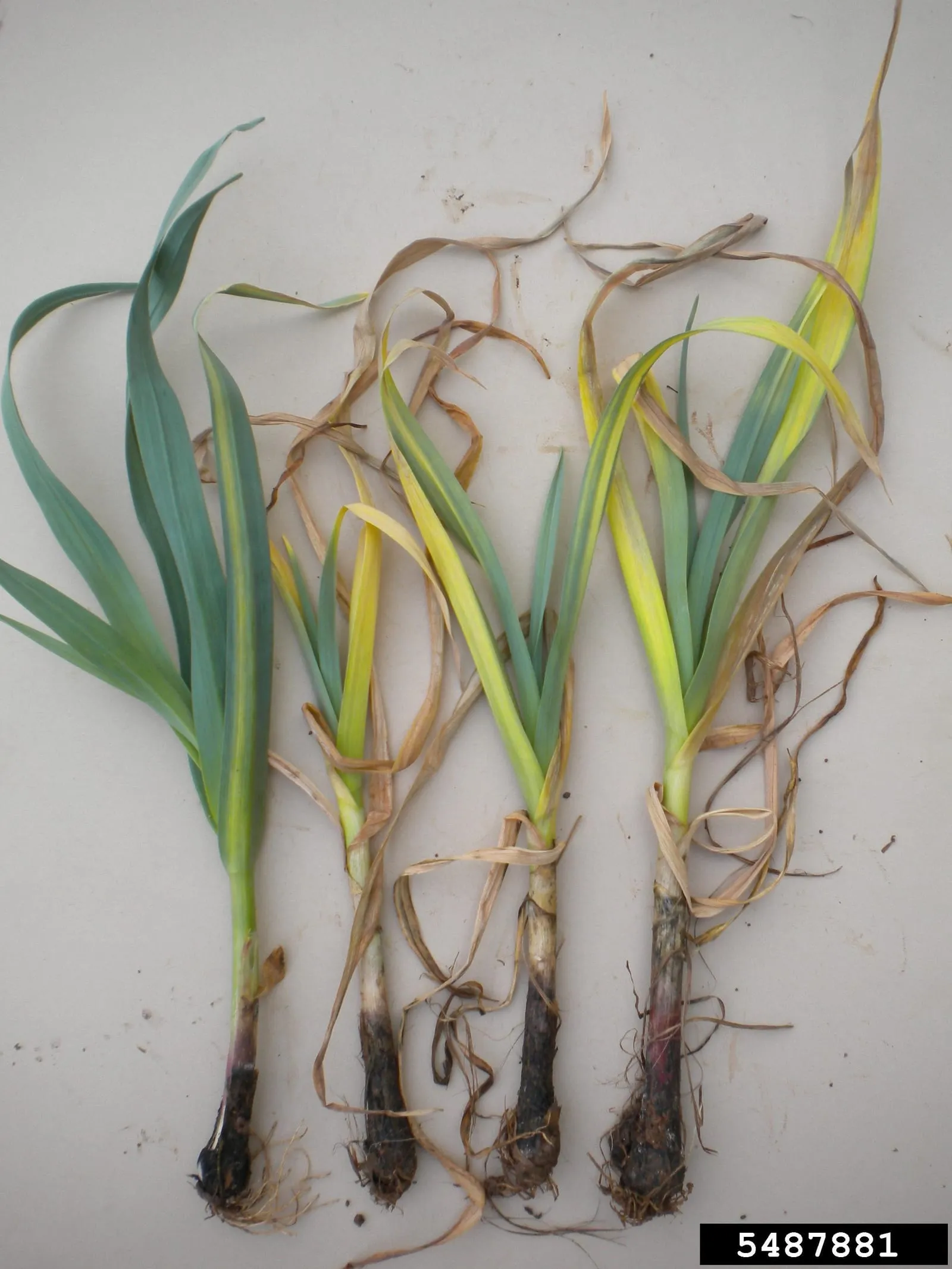
Disease pressure to watch for
Modified care for zone 6a
The primary zone 6a adjustment for scallions is managing Onion White Rot. The pathogen thrives in the cool, wet soils typical during spring and fall planting windows, and its sclerotia persist in infested soil for 20 years or more. Avoid planting in any bed with a documented history of the disease. Raised beds with well-drained soil reduce pressure substantially.
For overwintering Evergreen Hardy White, apply 2 to 3 inches of straw mulch after the ground begins to freeze. This moderates freeze-thaw cycles that can heave shallow-rooted plants. Remove the mulch in early March to let soil warm. Japanese beetles, a listed zone challenge, rarely target alliums and are not a meaningful concern for scallions specifically. Soil temperature is the primary germination constraint: wait until beds reach at least 50°F before direct sowing to avoid poor establishment.
Scallion (Bunching Onion) in adjacent zones
Image: "Allium fistulosum 2", by Dalgial, via Wikimedia Commons, licensed under CC-BY Source.

Related