vegetable in zone 3b
Growing scallion (bunching onion) in zone 3b
Allium fistulosum
- Zone
- 3b -35°F to -30°F
- Growing season
- 100 days
- Suitable varieties
- 1
- Days to harvest
- 60 to 80
The verdict
Scallions are cool-season crops with no chill-hour requirements, which makes zone 3b a workable rather than marginal growing zone for them. The 100-day growing season is tight but sufficient; bunching onions typically reach harvest in 60 to 75 days from transplant, leaving a reasonable buffer before first fall frost. Cold tolerance is the key variable, and Evergreen Hardy White is one of the more reliably cold-hardy bunching onion selections available, capable of surviving light frosts and resuming growth when temperatures recover. The zone's -35 to -30°F winter lows matter less during active growth (plants are harvested or dormant by then) than during the shoulder seasons, when late spring frosts can damage emerging seedlings. Growers who start transplants indoors and time their planting around the last frost date consistently get productive harvests from this crop in zone 3b.
Recommended varieties for zone 3b
1 cultivar suited to this zone, with disease-resistance and zone-fit annotations.
| Variety | Notes | Zone fit | Disease resistance |
|---|---|---|---|
| Evergreen Hardy White fits zone 3b | Mild, fresh, classic green-onion flavor; white shafts and bright green tops. Salads, garnishes, stir-fries. True bunching onion, perennial in zones 4+, divides indefinitely. | | none noted |
Critical timing for zone 3b
Zone 3b last frost typically falls in late May to early June, with first fall frost arriving in early to mid-September, compressing the frost-free window to roughly 90 to 100 days. Outdoor soil temperatures reach 50°F, the minimum for reliable germination, around mid-May. Starting transplants indoors in mid-March provides a meaningful head start and improves the odds of reaching harvest before fall. Bunching onions transplanted out after last frost reach maturity in approximately 60 to 75 days, placing harvest in August for spring-started plants. Late-season succession sowing is not practical given the compressed window; a single well-timed planting produces the most consistent results. Harvest should be completed before the first hard frost drops temperatures below 28°F.
Common challenges in zone 3b
- ▸ Short season
- ▸ Winter desiccation
- ▸ Site selection critical for fruit trees
Disease pressure to watch for
Modified care for zone 3b
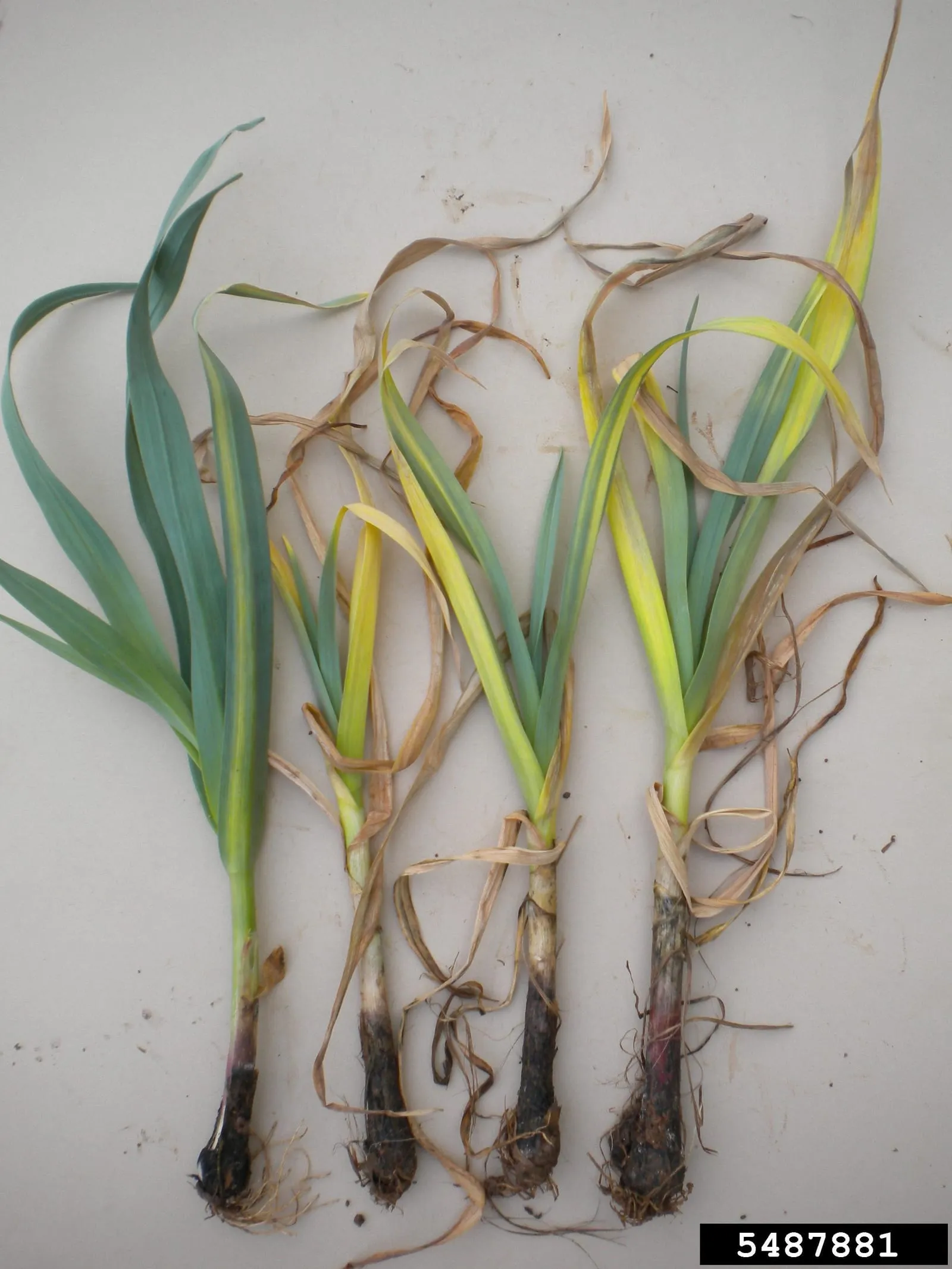
Zone 3b growers should plan on starting transplants indoors rather than relying on direct seeding; the outdoor germination window is too narrow to guarantee maturity before fall frost with a direct-sow approach. Once transplanted after last frost, bunching onions need consistent moisture but not saturated soil. Cool, wet conditions in the shoulder season create favorable conditions for Onion White Rot, a soilborne fungal pathogen that can persist in the soil for many years once established. Raised beds or well-drained garden sites reduce this risk substantially. Winter desiccation, a significant zone challenge for perennial crops, is largely irrelevant for bunching onions harvested in-season. If intentionally overwintering Evergreen Hardy White to extend into the following spring, a light straw mulch applied after the ground cools offers reasonable protection. Succession planting is not practical in this zone; a single correctly timed transplant planting is the standard approach.
Frequently asked questions
- Can scallions survive winter in zone 3b?
Evergreen Hardy White can survive light frosts and is sometimes overwintered under straw mulch in zone 3b, but this is not reliable at -35 to -30°F without substantial protection. Most zone 3b growers treat scallions as an annual crop, harvesting fully in late summer rather than attempting overwintering.
- Is the growing season long enough for scallions in zone 3b?
Yes, with indoor transplant starts. Bunching onions require 60 to 75 days from transplant to harvest, which fits within a 100-day season when transplants are started indoors in mid-March and moved out after last frost in late May or early June.
- What is Onion White Rot and how serious is it in zone 3b?
Onion White Rot is a soilborne fungal disease caused by Stromatinia cepivora that attacks allium roots and bulbs. It thrives in cool, moist soils, which zone 3b provides during spring and early summer. The pathogen persists in soil for decades, so prevention through well-drained beds and crop rotation is far more effective than treatment after infection.
+−
+−
+−
Scallion (Bunching Onion) in adjacent zones
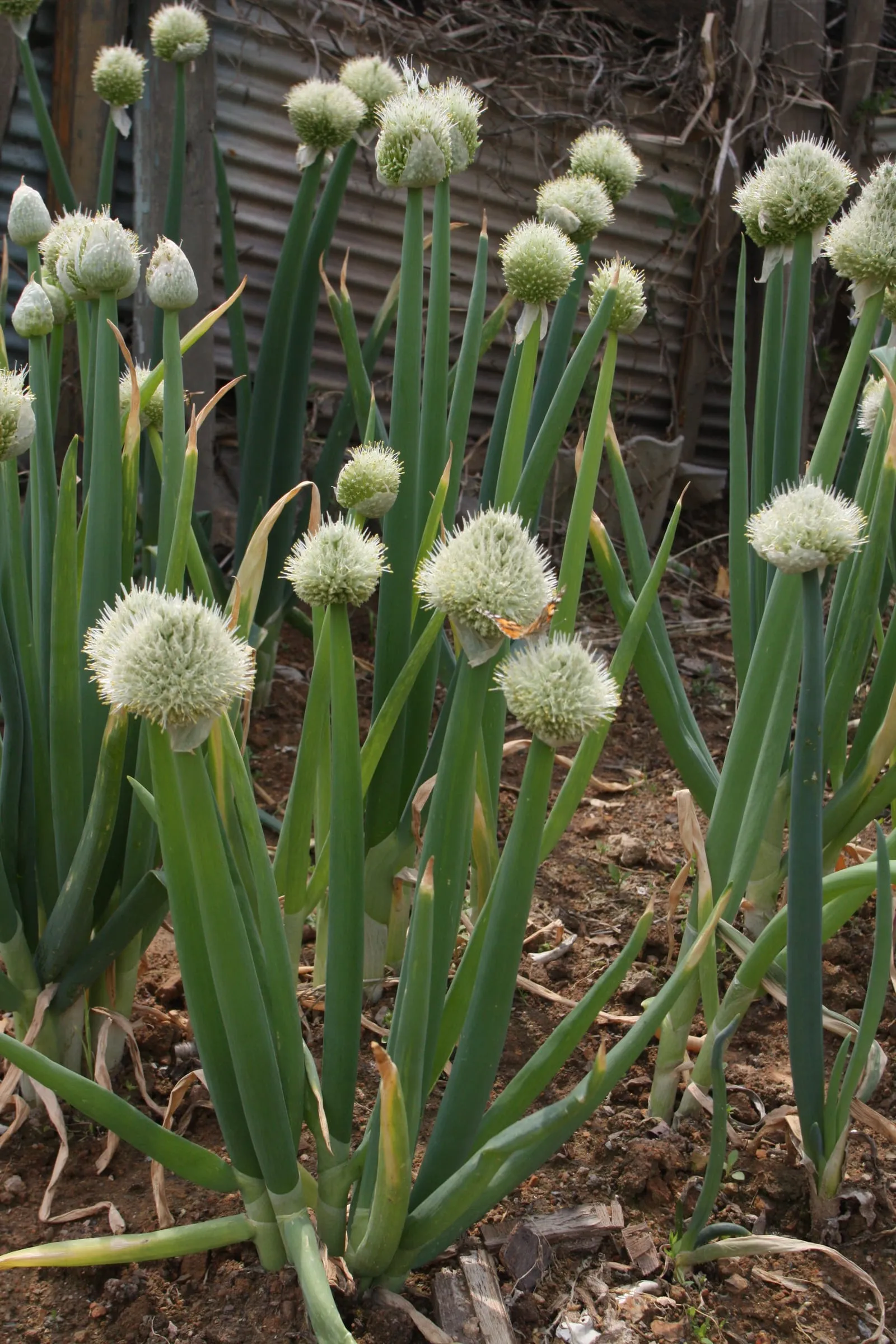
Image: "Allium fistulosum 2", by Dalgial, via Wikimedia Commons, licensed under CC-BY Source.

Related