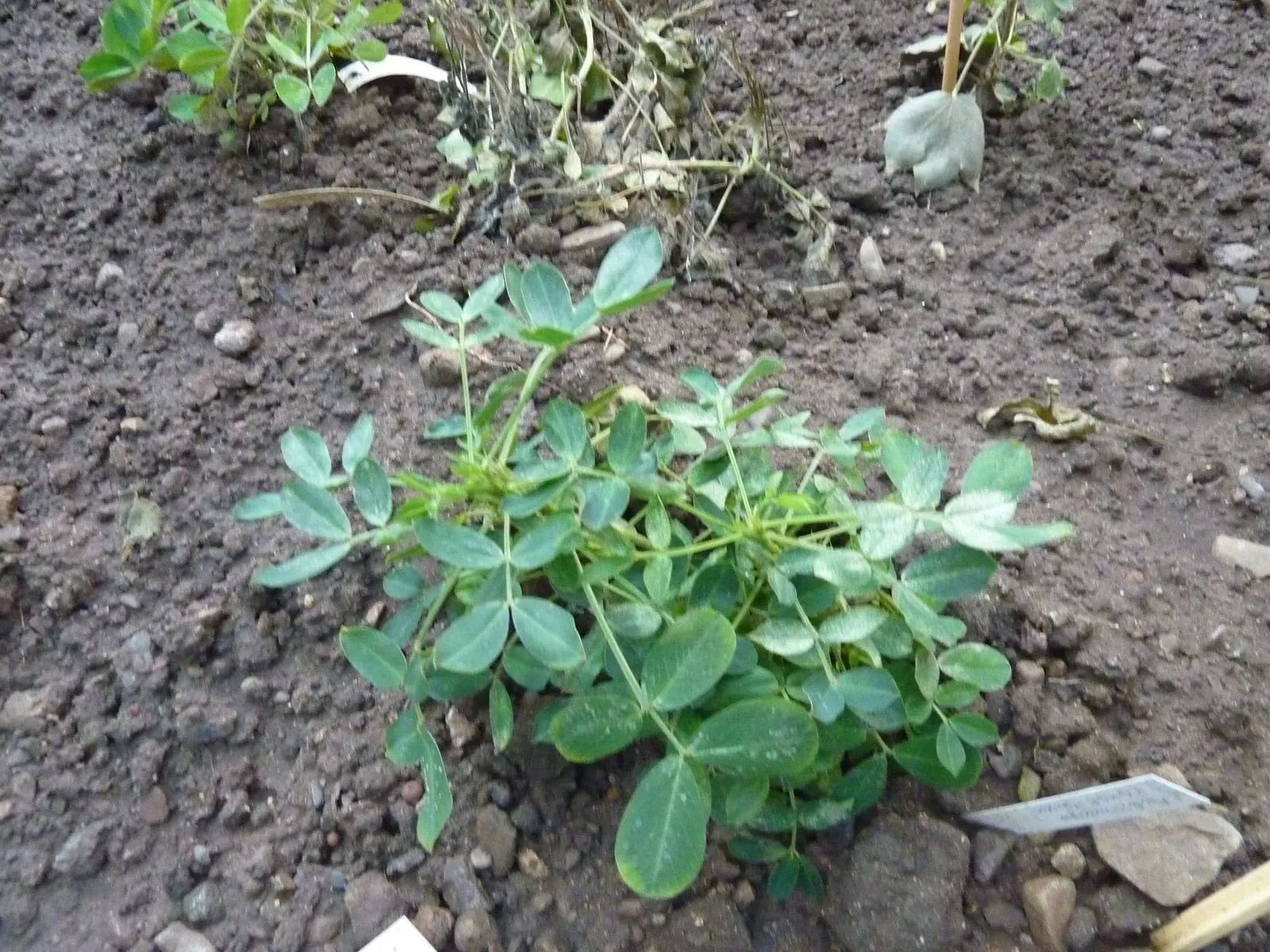
vegetable
Peanut
Arachis hypogaea
USDA hardiness range
- Zones
- 6a–9b
- Days to harvest
- 110 to 150
- Sun
- Full
- Water
- Moderate
- Lifespan
- annual
Growing peanut
Peanut (Arachis hypogaea) is a warm-season annual legume that produces unusually high protein yields from a compact footprint. The crop grows reliably across zones 6a through 9b, though the binding constraint in cooler parts of that range is season length, not cold hardiness. With 110 to 150 frost-free days required depending on variety, zone 6 gardeners must start with early-maturing types like Spanish and get plants in the ground promptly after last frost.
In zones 7 through 9, peanuts are straightforward given adequate sun and well-drained soil. The Southeast is historic peanut country for good reason: long warm seasons, sandy coastal plain soils, and reliable summer heat accelerate pod fill. Zone 9 growers in drier climates can produce excellent yields with supplemental irrigation.
What separates a productive planting from a failed one comes down to three factors. First, soil temperature must reach at least 65°F before planting (70°F is better); cold soil delays germination and invites seed rot. Second, the soil must be loose enough for pegs (the fertilized flower stalks that drive into the ground to form pods) to penetrate without obstruction. Third, the crop needs a full, uninterrupted warm season. A late spring or early fall frost that shortens the season leaves pods underfilled and yield poor. Getting these three conditions right matters more than variety selection.
Recommended varieties
See all 3 →3 cultivars for home growers, with notes on flavor, ripening, and disease resistance.
| Variety | Notes | Zone fit | Disease resistance |
|---|---|---|---|
| Virginia | Mild, classic peanut flavor; large kernels in long pods. Roasting in shell, boiling green, ballpark peanuts. Heritage Southern variety, needs full long warm season. | | none noted |
| Spanish | Rich, oily, intense peanut flavor; small reddish-skinned kernels. Roasting, peanut butter, candy. Earliest-maturing peanut, viable in warm zone 6 with full season. | | none noted |
| Tennessee Red Valencia | Sweet, complex, slightly raisin-like; small red-skinned kernels with 3-4 per pod. Boiling green, roasting, candy. Productive heirloom, ornamental, kid-friendly project crop. | | none noted |
Soil and site requirements
Peanuts are particular about soil in ways most vegetables are not. Because pods develop underground after fertilized flowers drive their pegs into the soil, compacted, rocky, or clay-heavy ground physically blocks pod development. Sandy loam is the ideal texture. In clay-dominant beds, amending heavily with sand and aged compost, or building a raised bed with a loose growing medium, is worth the effort before planting.
Soil pH should fall between 5.9 and 7.0. Below 5.8, calcium and phosphorus availability drops, which reduces pod fill and increases susceptibility to seed rot. A lime application based on a soil test is more reliable than estimating. Calcium is especially critical because developing pods absorb it directly from the surrounding soil, not through the plant's root system.
Full sun is non-negotiable. Peanuts require a minimum of six hours of direct sun daily, and eight to ten hours produce noticeably better yields. Even partial afternoon shade reduces canopy temperature enough to slow pod development.
Spacing plants 12 to 18 inches apart in rows 24 to 36 inches apart allows the sprawling canopy room to develop and pegs to reach undisturbed soil on all sides. Wider row spacing also improves air circulation, which reduces foliar disease pressure during humid midsummer weather.
Common diseases
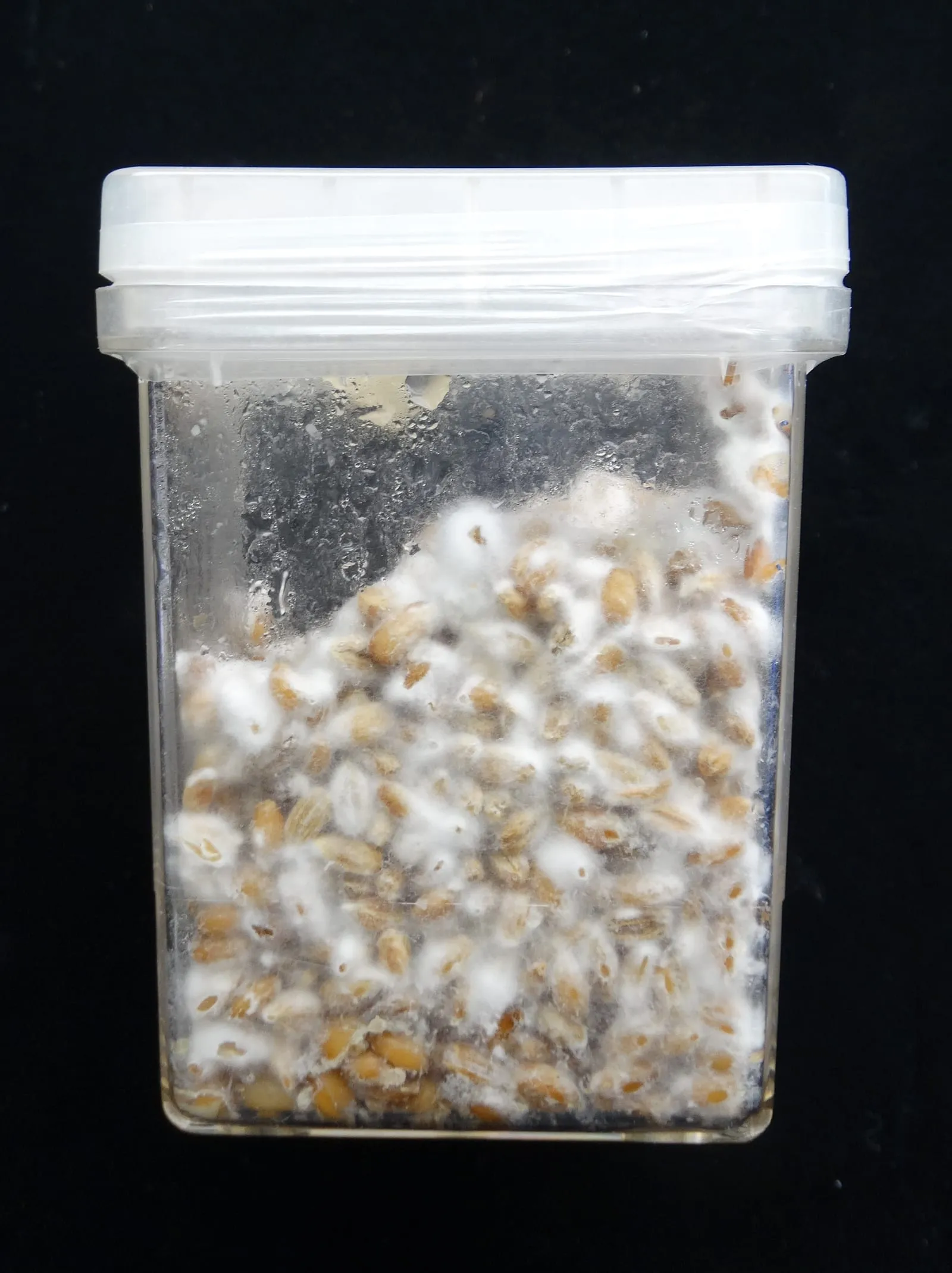
Fusarium oxysporum
Soil-borne fungal disease that plugs vascular tissue and kills affected plants. Persists in soil for many years; impossible to eliminate once established.
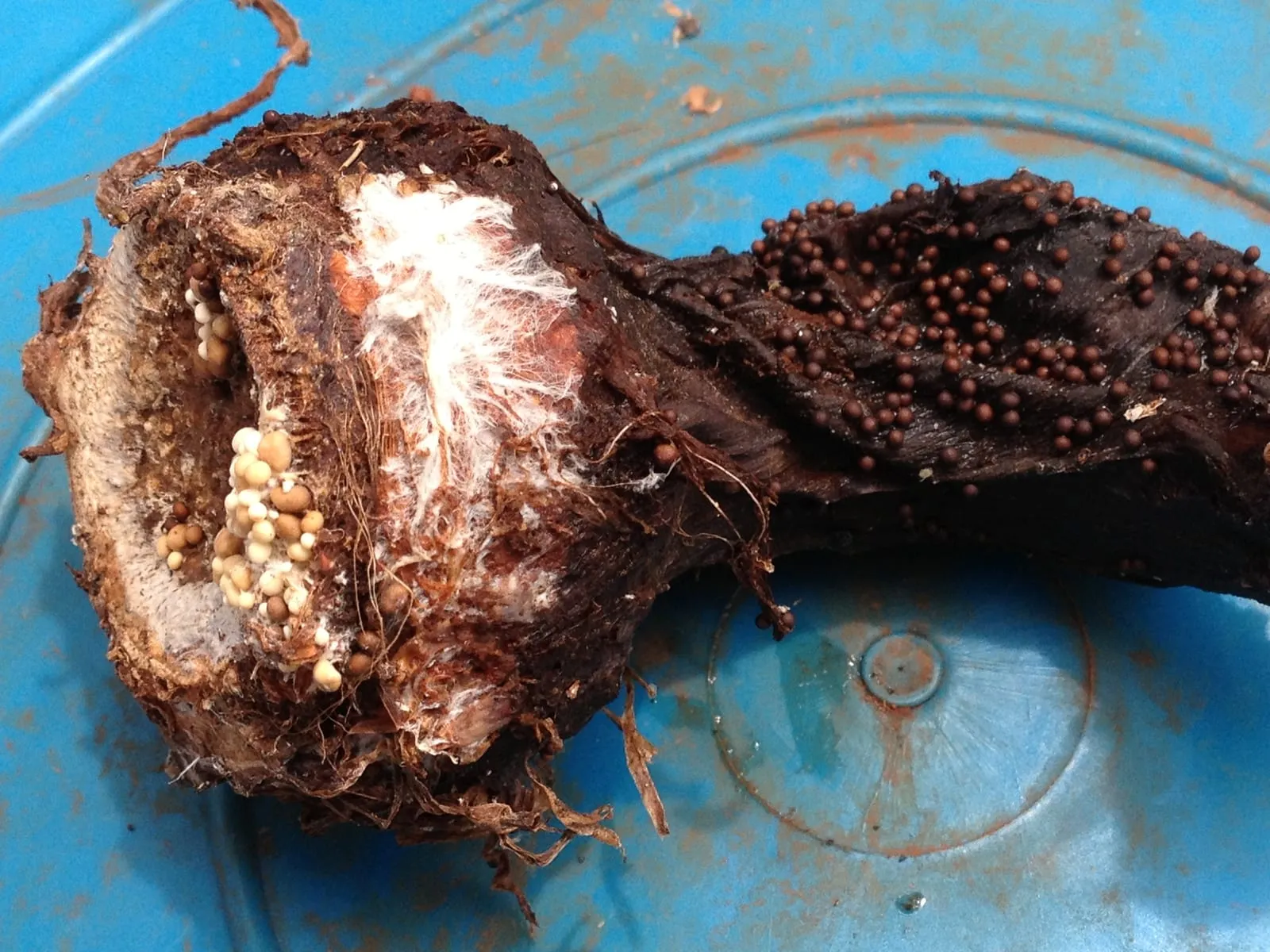
Sclerotium rolfsii
Soil-borne fungal disease most damaging in warm humid Southern conditions. White mycelial fans and small mustard-seed-sized sclerotia at the soil line are diagnostic.
Common pests
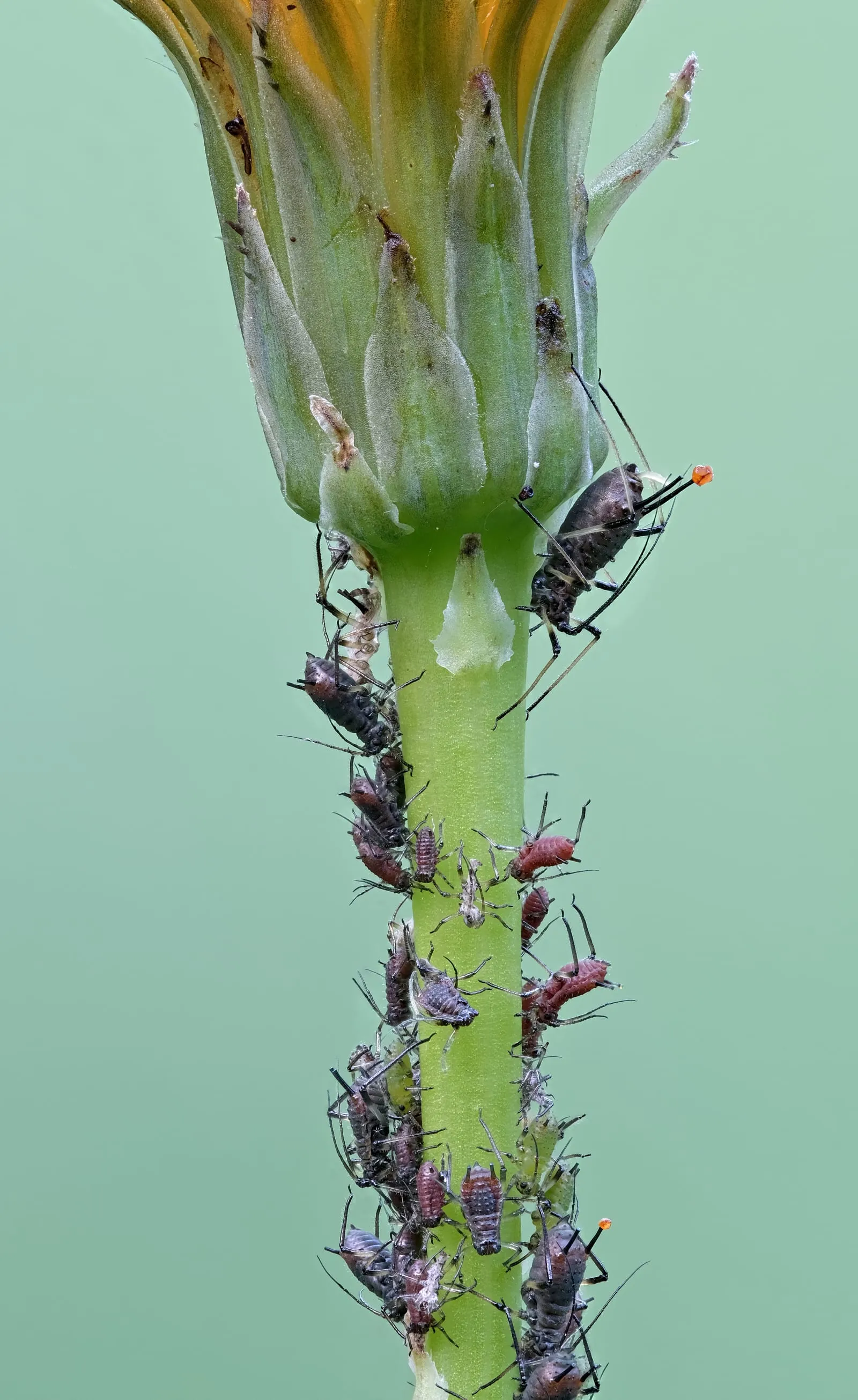
Common challenges
The most common source of failure in zones 6 and 7 is running out of season. Spanish peanuts, the earliest-maturing type, still need roughly 110 days of frost-free weather. In zone 6, that window is narrow. A late spring cold snap or an early September frost can cut yield substantially. Monitoring extended forecasts and using row cover to protect young transplants from late frosts provides a useful buffer. In zone 6a especially, starting seed indoors in biodegradable pots two to three weeks before last frost date extends the effective season without the transplant shock that comes with bare-root handling.
Fusarium wilt is the primary disease concern. The fungal pathogen persists in soil and causes wilting, yellowing, and vine collapse that can spread through a bed quickly in warm, wet conditions. No home-scale fungicide provides reliable control once infection is established. Crop rotation is the main management tool: avoid planting peanuts or other legumes in the same bed more than once every three to four years. Starting with certified disease-free seed eliminates the most common entry point per the UGA Peanut Production Guide.
Aphid infestations are worth monitoring from mid-June onward. Colonies build quickly in hot weather and, beyond direct feeding damage, aphids transmit several peanut viruses. A strong water spray dislodges early infestations effectively. Insecticidal soap handles heavier pressure without disrupting beneficial insect populations.
Frequently asked questions
- Do peanuts require a chill period before planting?
No. Peanuts are a warm-season crop with no chill-hour requirement. They need the opposite: soil temperature at or above 65°F at planting time, with 70°F preferred. Planting into cold soil causes poor germination and increases the risk of seed rot.
- How many days do peanuts take from planting to harvest?
Depending on variety, peanuts take 110 to 150 frost-free days. Spanish types are the fastest at around 110 days. Virginia types, which produce larger pods, need 130 to 150 days and require a longer uninterrupted warm season to fill properly.
- Which USDA hardiness zones can grow peanuts successfully?
Peanuts grow across zones 6a through 9b. Zone 6 gardeners should choose early-maturing Spanish varieties and plant immediately after last frost. Zones 7 through 9 have enough season length for Virginia and Valencia types as well, given full sun and well-drained soil.
- Do peanuts need pollinators to set pods?
No. Peanuts are self-fertile and self-pollinating; flowers pollinate before they fully open, so bees and other pollinators are not required for pod set. A single vine or small row will produce a full crop without any neighboring plants.
- What is the most common disease in home peanut plantings?
Fusarium wilt, caused by a soil-borne fungal pathogen, is the primary risk. It causes wilting and vine collapse and can persist in soil for years. Rotating peanuts out of the same bed for three to four years and starting with certified disease-free seed are the most effective preventive steps.
- Can peanuts be grown in zone 6?
Yes, with careful variety selection and timing. Spanish peanuts, maturing in around 110 days, are the best fit for zone 6. Starting seed indoors in biodegradable pots two to three weeks before last frost, then transplanting once soil reaches 65°F, extends the effective growing window. Zone 6a has little margin for late spring or early fall frosts, which can significantly reduce pod fill.
- What soil type do peanuts need?
Sandy loam with good drainage is ideal. Pods develop underground after fertilized flower stems push into the soil, so compacted or clay-heavy ground physically prevents proper pod formation. Soil pH between 5.9 and 7.0 is important because developing pods absorb calcium directly from surrounding soil, not through the plant's roots.
+−
+−
+−
+−
+−
+−
+−
Sources
Image: "Arachis hypogaea (DITSL)", by James Steakley, via Wikimedia Commons, licensed under CC-BY. Source.
.JPG)
Peanut by zone
Related