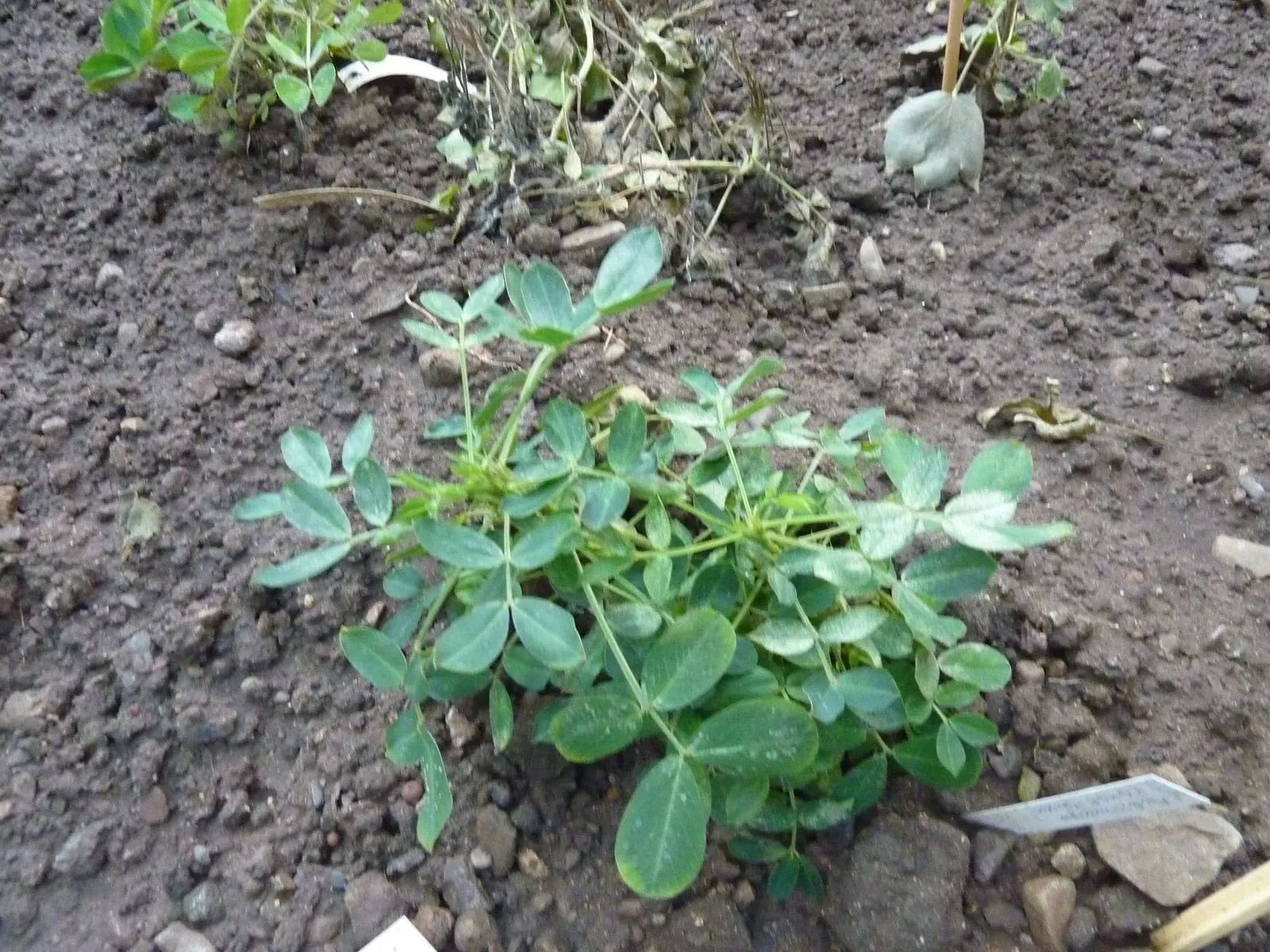
vegetable in zone 7b
Growing peanut in zone 7b
Arachis hypogaea
- Zone
- 7b 5°F to 10°F
- Growing season
- 220 days
- Suitable varieties
- 3
- Days to harvest
- 110 to 150
The verdict
Zone 7b sits squarely within the traditional peanut belt of the eastern United States. Unlike temperate tree crops, peanuts carry no chill-hour requirement; the relevant thresholds are heat accumulation and frost-free days. With a 220-day growing season and summer temperatures that push soil well above the 65°F minimum needed for germination and pod development, zone 7b represents a genuine sweet spot rather than a marginal case. The piedmont portions of this zone mirror the conditions of established peanut-growing counties in Virginia and North Carolina.
Fusarium Wilt is the primary disease concern requiring active management, particularly in poorly drained soils common to parts of the piedmont. Japanese beetles and brown marmorated stink bugs add pest pressure through the summer months but rarely cause crop failure with consistent scouting. Late summer humidity can elevate foliar disease risk as pods approach maturity, which warrants attention to fungicide timing.
Recommended varieties for zone 7b
3 cultivars suited to this zone, with disease-resistance and zone-fit annotations.
| Variety | Notes | Zone fit | Disease resistance |
|---|---|---|---|
| Virginia fits zone 7b | Mild, classic peanut flavor; large kernels in long pods. Roasting in shell, boiling green, ballpark peanuts. Heritage Southern variety, needs full long warm season. | | none noted |
| Spanish fits zone 7b | Rich, oily, intense peanut flavor; small reddish-skinned kernels. Roasting, peanut butter, candy. Earliest-maturing peanut, viable in warm zone 6 with full season. | | none noted |
| Tennessee Red Valencia fits zone 7b | Sweet, complex, slightly raisin-like; small red-skinned kernels with 3-4 per pod. Boiling green, roasting, candy. Productive heirloom, ornamental, kid-friendly project crop. | | none noted |
Critical timing for zone 7b
Soil temperature, not calendar date, is the practical planting trigger for peanuts. In zone 7b, soils typically reach 65°F by late April through early May, which sets the realistic planting window. Virginia-type varieties require 130 to 150 days to maturity; Spanish types mature in roughly 120 days. Either fits comfortably within a 220-day growing season. Tennessee Red Valencia, with a maturity window similar to Virginia types, also clears the frost window with time to spare.
Harvest falls in late September through October, ahead of the average first frost for zone 7b. Planting into cold soil earlier in April increases seed rot risk and slows germination without meaningfully advancing harvest date.
Common challenges in zone 7b
- ▸ Cedar-apple rust pressure heavy in piedmont
- ▸ Japanese beetles
- ▸ Brown marmorated stink bug
- ▸ Late summer disease pressure
Disease pressure to watch for
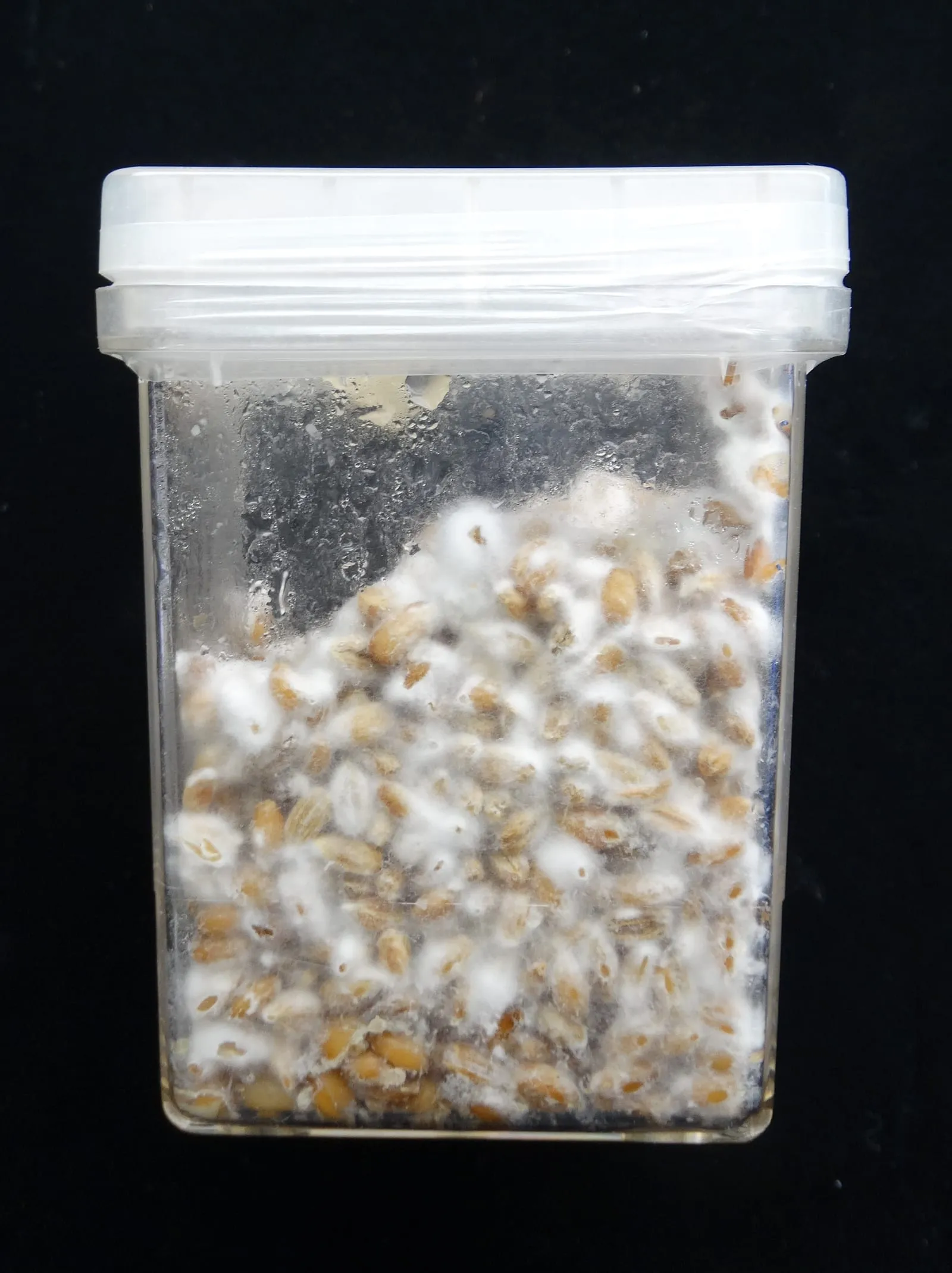
Fusarium oxysporum
Soil-borne fungal disease that plugs vascular tissue and kills affected plants. Persists in soil for many years; impossible to eliminate once established.
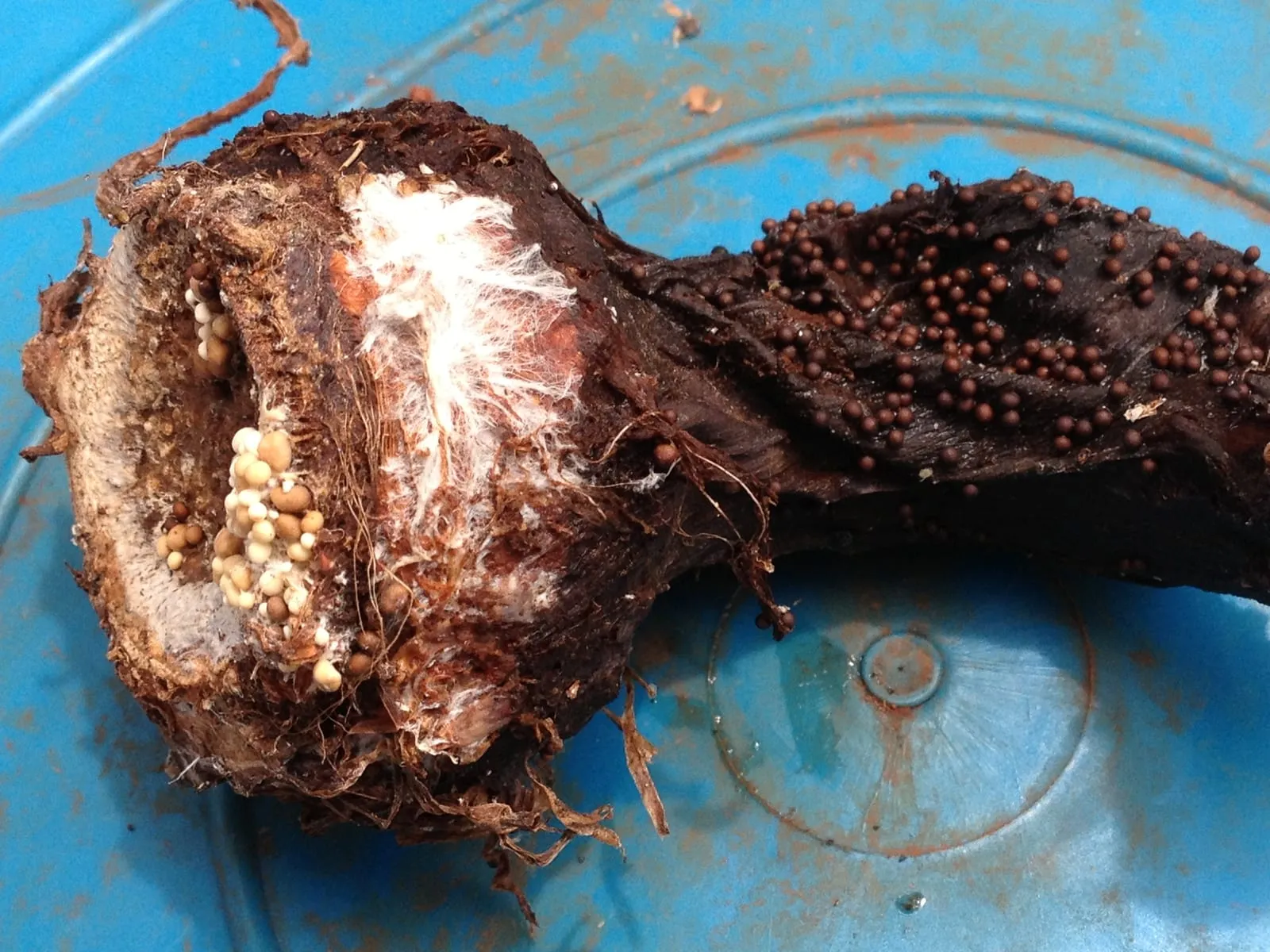
Sclerotium rolfsii
Soil-borne fungal disease most damaging in warm humid Southern conditions. White mycelial fans and small mustard-seed-sized sclerotia at the soil line are diagnostic.
Modified care for zone 7b
The primary adjustment for zone 7b is sustained vigilance against disease and pest pressure in late summer. Fusarium Wilt management centers on rotation: peanuts should not return to the same field more than once every three to four years. Poorly drained fields amplify wilt risk and are worth avoiding or amending with drainage improvements before planting.
Japanese beetle populations peak in July and can cause meaningful foliage loss; scouting twice weekly during peak emergence allows timely response. Brown marmorated stink bug pressure has increased across the piedmont in recent years and can damage developing pods directly. Late summer leaf spot pressure is managed with a fungicide program beginning around canopy closure, typically 30 to 40 days after planting, repeated on a 14-day interval through harvest. Growers coming from drier or cooler parts of the peanut range will find the piedmont's humidity compresses the margin for error on fungicide timing.
Peanut in adjacent zones
Image: "Arachis hypogaea (DITSL)", by James Steakley, via Wikimedia Commons, licensed under CC-BY Source.
.JPG)
Related