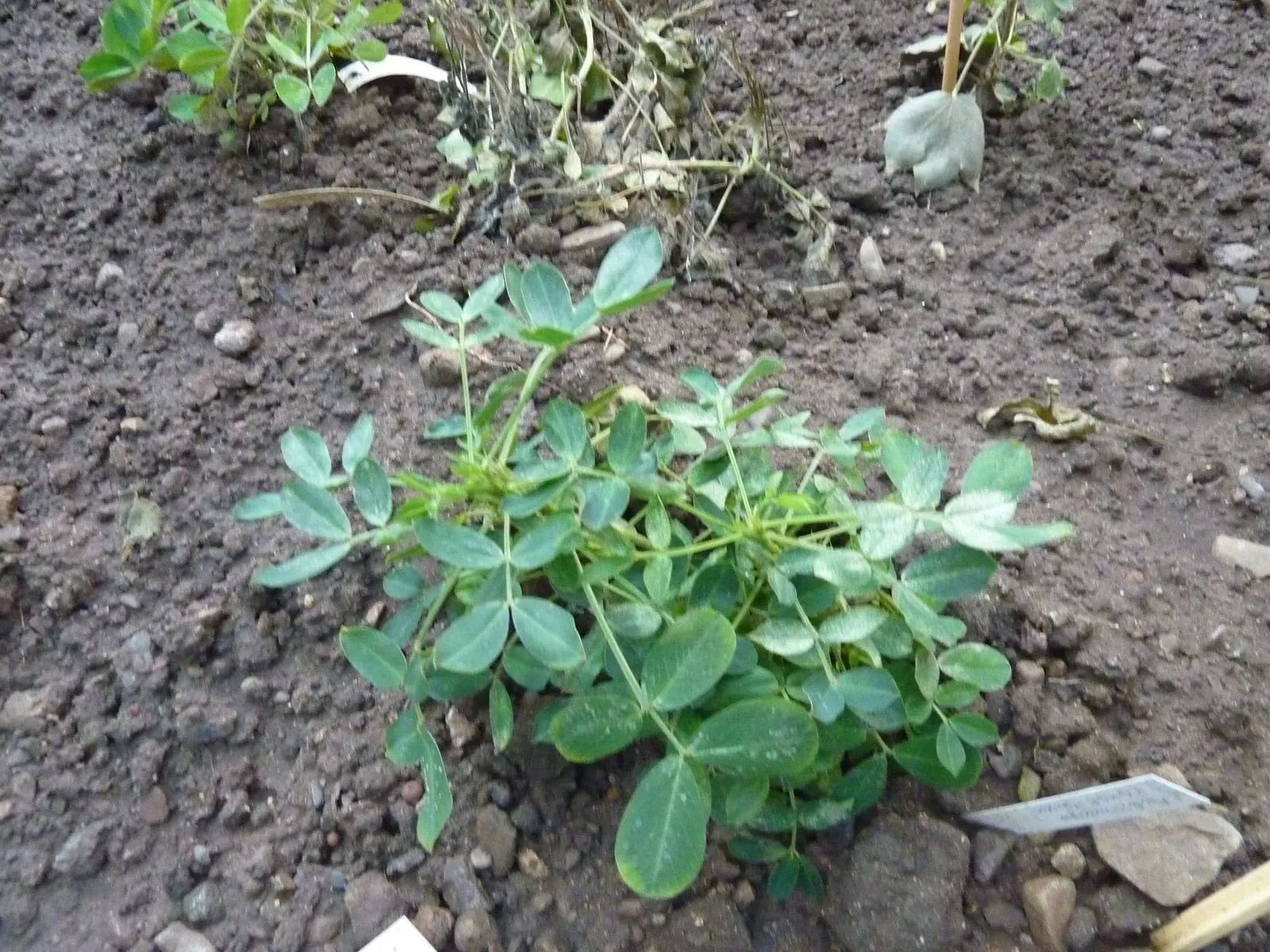
vegetable in zone 8a
Growing peanut in zone 8a
Arachis hypogaea
- Zone
- 8a 10°F to 15°F
- Growing season
- 240 days
- Suitable varieties
- 3
- Days to harvest
- 110 to 150
The verdict
Zone 8a is a natural fit for peanuts. The crop requires no chill hours, so the zone's mild winters are irrelevant to variety selection. What matters is the warm season, and zone 8a delivers: a 240-day frost-free window exceeds the minimum 120 days that Spanish types need and comfortably accommodates Virginia types, which require 130 to 150 days from planting to harvest. All three varieties suited to this zone (Virginia, Spanish, and Tennessee Red Valencia) perform well here without special accommodation.
The 10 to 15°F minimum winter temperatures are cold enough to kill volunteer plants from the previous season, which moderates carry-over disease pressure, but winters are not severe enough to complicate spring planting windows. This is core peanut-growing territory. Growers elsewhere adjust for this crop; growers in zone 8a simply plant it.
Recommended varieties for zone 8a
3 cultivars suited to this zone, with disease-resistance and zone-fit annotations.
| Variety | Notes | Zone fit | Disease resistance |
|---|---|---|---|
| Virginia fits zone 8a | Mild, classic peanut flavor; large kernels in long pods. Roasting in shell, boiling green, ballpark peanuts. Heritage Southern variety, needs full long warm season. | | none noted |
| Spanish fits zone 8a | Rich, oily, intense peanut flavor; small reddish-skinned kernels. Roasting, peanut butter, candy. Earliest-maturing peanut, viable in warm zone 6 with full season. | | none noted |
| Tennessee Red Valencia fits zone 8a | Sweet, complex, slightly raisin-like; small red-skinned kernels with 3-4 per pod. Boiling green, roasting, candy. Productive heirloom, ornamental, kid-friendly project crop. | | none noted |
Critical timing for zone 8a
Soil temperature is the critical planting trigger for peanuts, not calendar date. Zone 8a soils typically reach the 65°F threshold in mid-April to early May, which is when planting should begin. Spanish types planted in early May will bloom in mid-June, roughly 40 to 50 days after germination, and reach harvest maturity by late August to early September. Virginia types, with their 130 to 150-day season, run through October if planted in May.
Zone 8a's first frost typically arrives in November, leaving a comfortable buffer of four to six weeks after even the longest-maturing varieties complete harvest. Planting before soils warm consistently slows germination and invites seedling disease, so patience with soil temperature in early spring pays dividends at harvest.
Common challenges in zone 8a
- ▸ Insufficient chill hours for some apple varieties
- ▸ Pierce's disease in grapes
- ▸ Heat stress on cool-season crops
Disease pressure to watch for
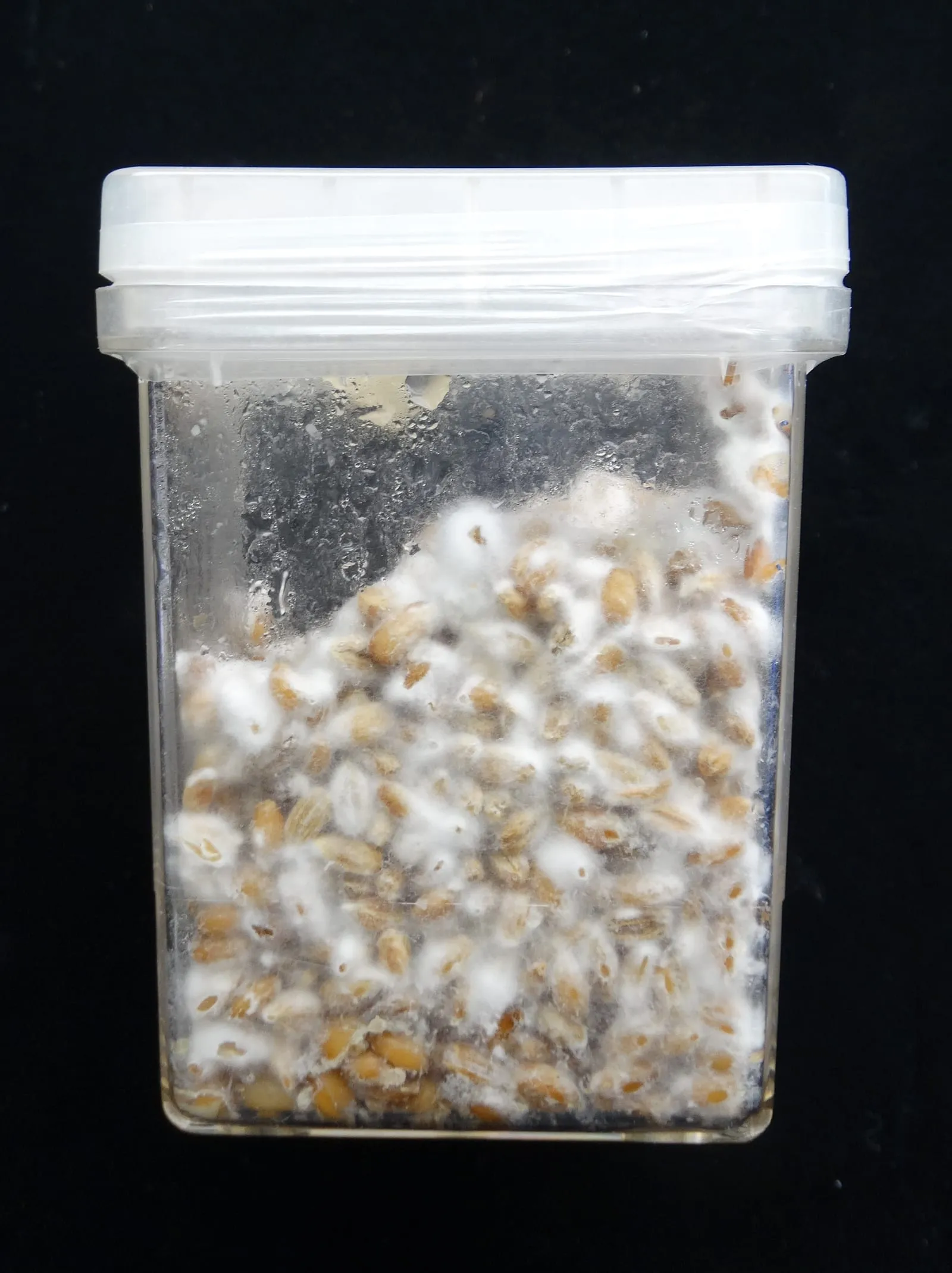
Fusarium oxysporum
Soil-borne fungal disease that plugs vascular tissue and kills affected plants. Persists in soil for many years; impossible to eliminate once established.
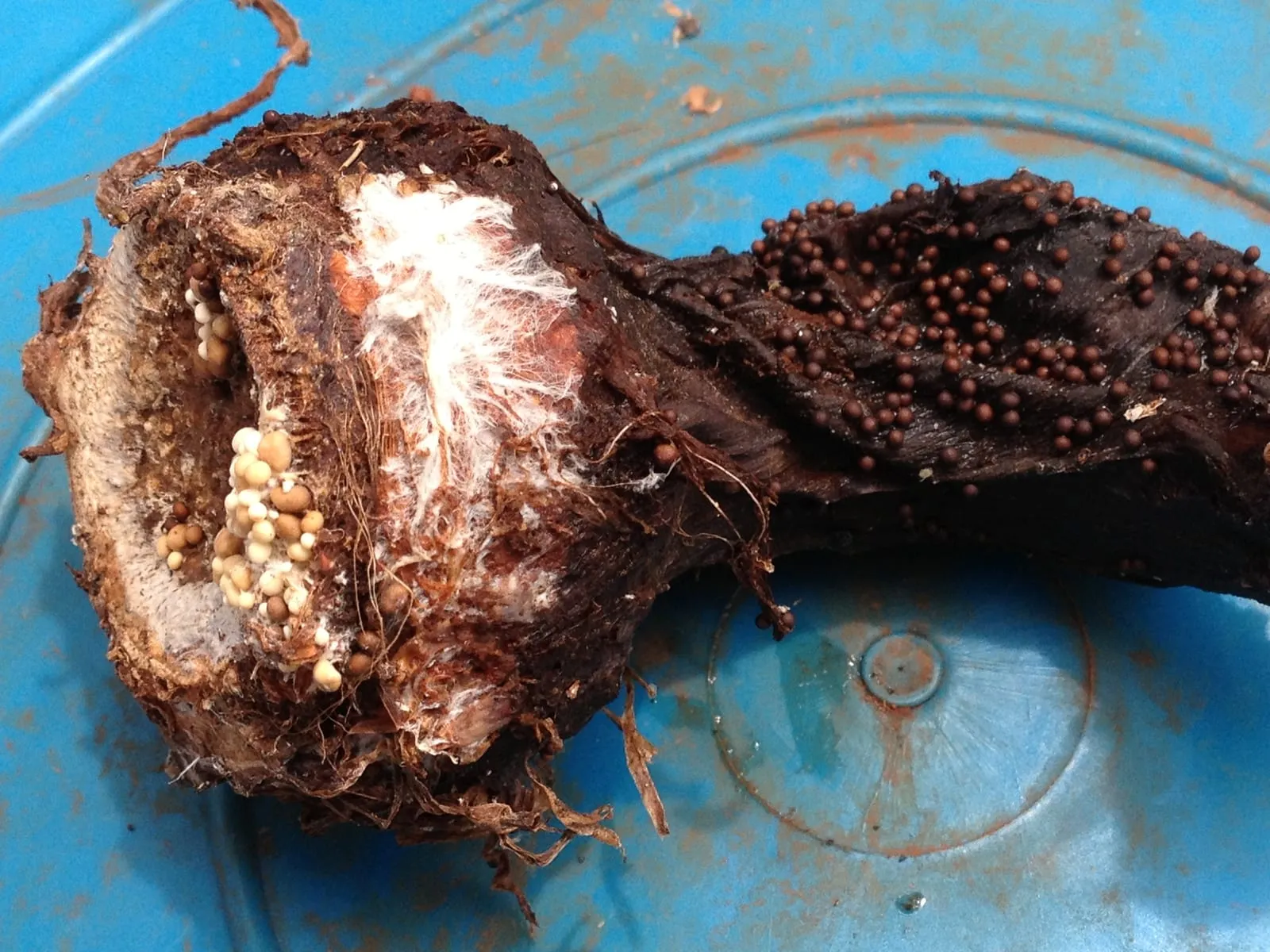
Sclerotium rolfsii
Soil-borne fungal disease most damaging in warm humid Southern conditions. White mycelial fans and small mustard-seed-sized sclerotia at the soil line are diagnostic.
Modified care for zone 8a
Fusarium wilt is the primary disease concern in zone 8a, and crop rotation is the most effective management tool. Peanuts should not follow peanuts in the same field, and avoiding fields with a recent history of cotton or other Fusarium hosts reduces inoculum pressure in the soil.
Zone 8a's hot, humid summers accelerate fungal development, so well-drained sandy loam soils and good surface drainage around the pegging zone matter more here than in cooler or drier parts of the crop's range. Calcium availability at the peg zone directly affects pod fill and reduces susceptibility to kernel diseases. Gypsum applications at 500 to 1,000 pounds per acre during early bloom are standard practice across the region. Overhead irrigation during bloom should be avoided to limit leaf disease spread.
Peanut in adjacent zones
Image: "Arachis hypogaea (DITSL)", by James Steakley, via Wikimedia Commons, licensed under CC-BY Source.
.JPG)
Related