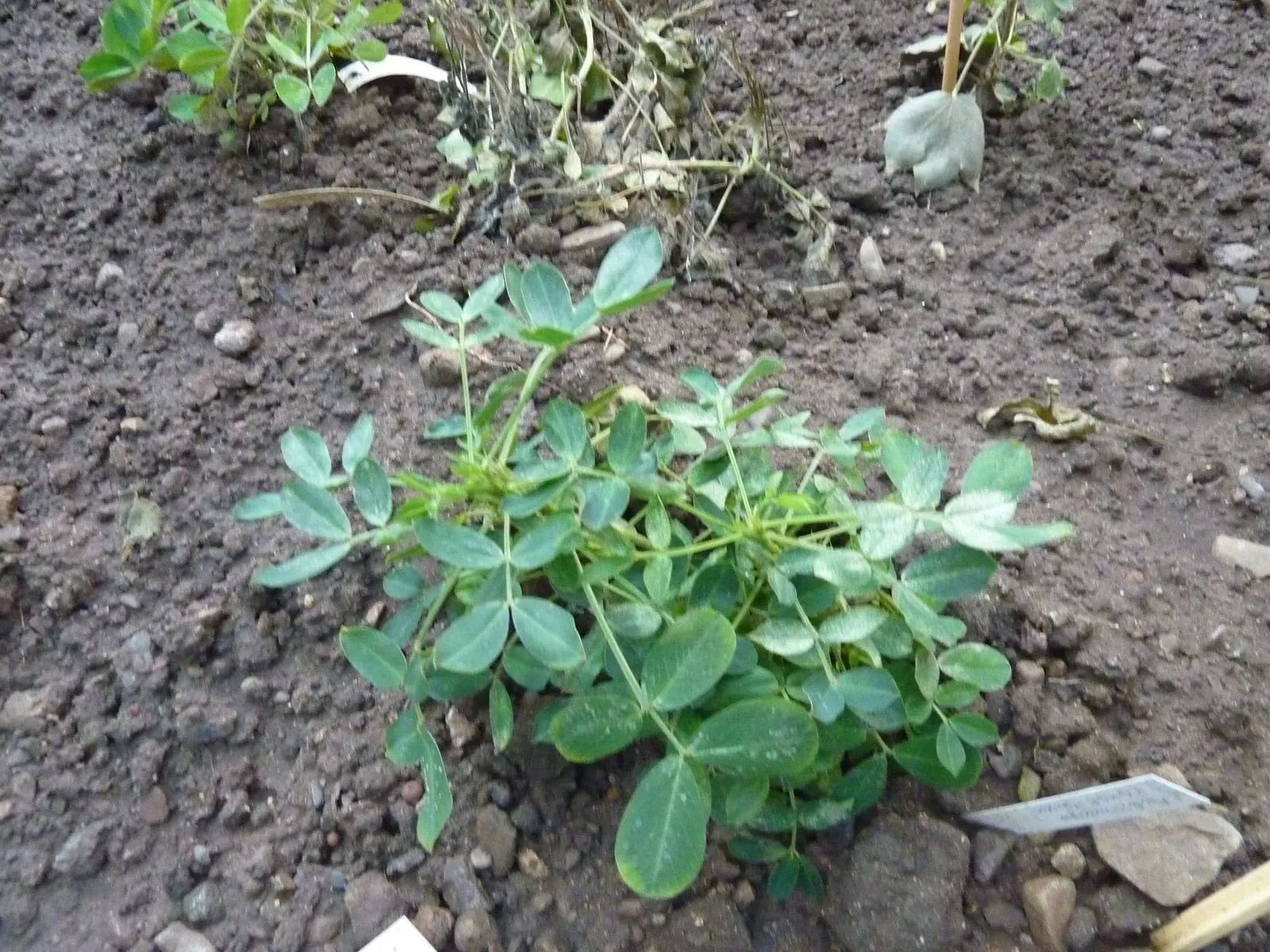
vegetable in zone 8b
Growing peanut in zone 8b
Arachis hypogaea
- Zone
- 8b 15°F to 20°F
- Growing season
- 260 days
- Suitable varieties
- 3
- Days to harvest
- 110 to 150
The verdict
Zone 8b is a genuine sweet spot for peanuts, not a marginal case. Unlike most tree crops, peanuts carry no chill-hour requirement, so the mild winters of zone 8b present no variety-limiting constraint. What peanuts do need is a long, warm, frost-free growing season, and zone 8b delivers roughly 260 days of it. Soil temperatures must reach 65°F before seed germinates reliably, and in zone 8b that threshold typically arrives by late March or early April, leaving ample runway before fall frost.
All three varieties in the compatible set, Virginia, Spanish, and Tennessee Red Valencia, perform well here. Spanish types (90 to 100 days to maturity) give the most scheduling flexibility. Virginia types (130 to 150 days) require more of the season but are achievable without strain. The primary limiting factor in zone 8b is not climate but soil biology: sandy, well-drained soils common in the region favor good pod development but also support nematode populations that can reduce stands significantly.
Recommended varieties for zone 8b
3 cultivars suited to this zone, with disease-resistance and zone-fit annotations.
| Variety | Notes | Zone fit | Disease resistance |
|---|---|---|---|
| Virginia fits zone 8b | Mild, classic peanut flavor; large kernels in long pods. Roasting in shell, boiling green, ballpark peanuts. Heritage Southern variety, needs full long warm season. | | none noted |
| Spanish fits zone 8b | Rich, oily, intense peanut flavor; small reddish-skinned kernels. Roasting, peanut butter, candy. Earliest-maturing peanut, viable in warm zone 6 with full season. | | none noted |
| Tennessee Red Valencia fits zone 8b | Sweet, complex, slightly raisin-like; small red-skinned kernels with 3-4 per pod. Boiling green, roasting, candy. Productive heirloom, ornamental, kid-friendly project crop. | | none noted |
Critical timing for zone 8b
In zone 8b, the practical planting window opens when soil temperature at 4-inch depth holds above 65°F, typically late March through mid-April depending on latitude within the zone. Planting into cold soil delays germination and increases seed rot risk without gaining meaningful growing days.
Spanish varieties planted in early April reach physiological maturity by mid-July to early August, well ahead of any frost risk. Virginia types need 130 to 150 days, so an April 10 planting targets harvest in late August through early September. Tennessee Red Valencia falls between the two.
The zone's first frost typically arrives in late November, giving even the latest plantings a comfortable buffer. The harvest-timing risk in zone 8b is not frost but excess summer rainfall during pod fill, which can complicate curing if pods are lifted into humid conditions.
Common challenges in zone 8b
- ▸ Low chill hours limit apple variety selection
- ▸ Citrus greening risk
- ▸ Nematodes in sandy soils
Disease pressure to watch for
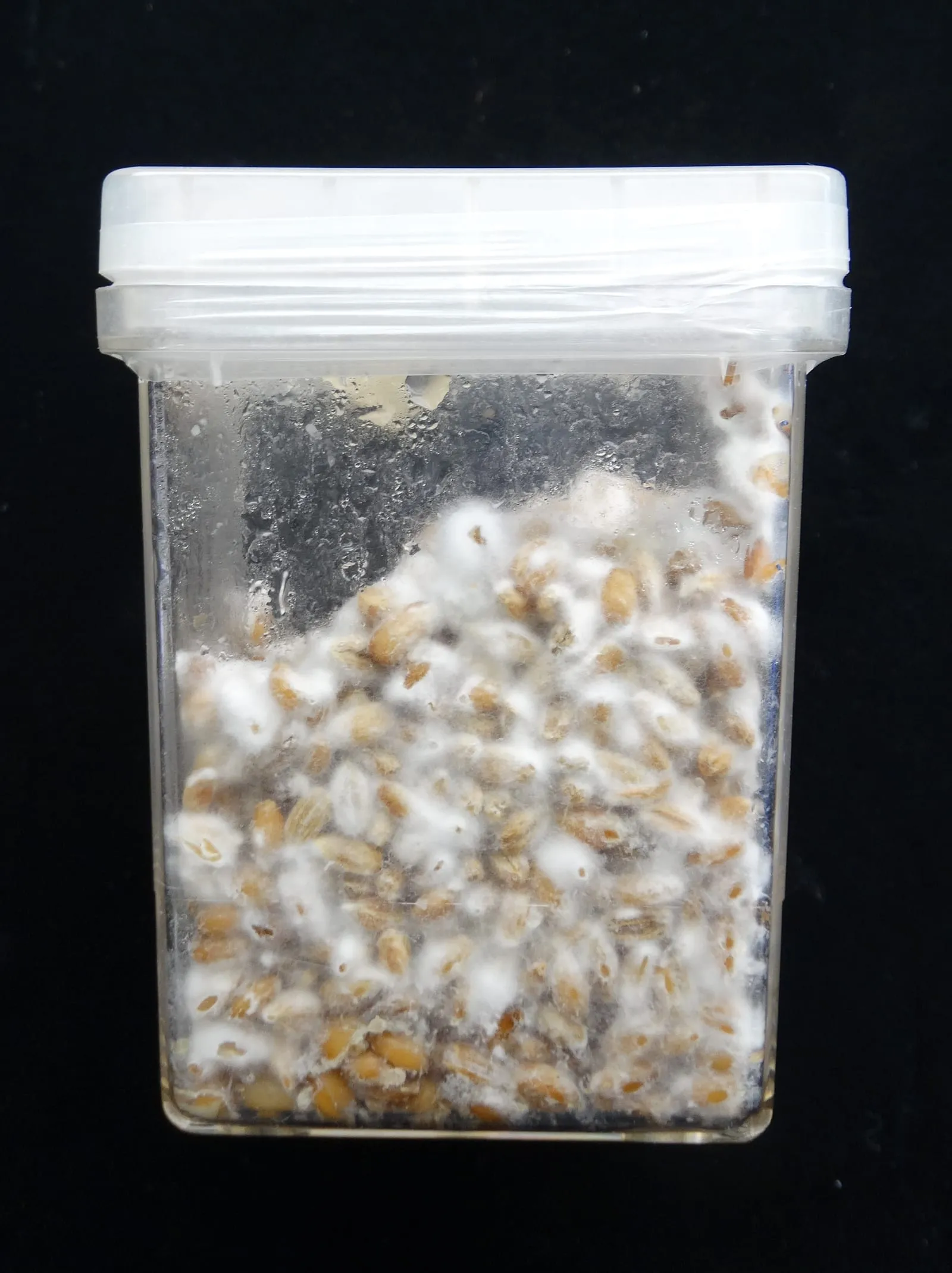
Fusarium oxysporum
Soil-borne fungal disease that plugs vascular tissue and kills affected plants. Persists in soil for many years; impossible to eliminate once established.
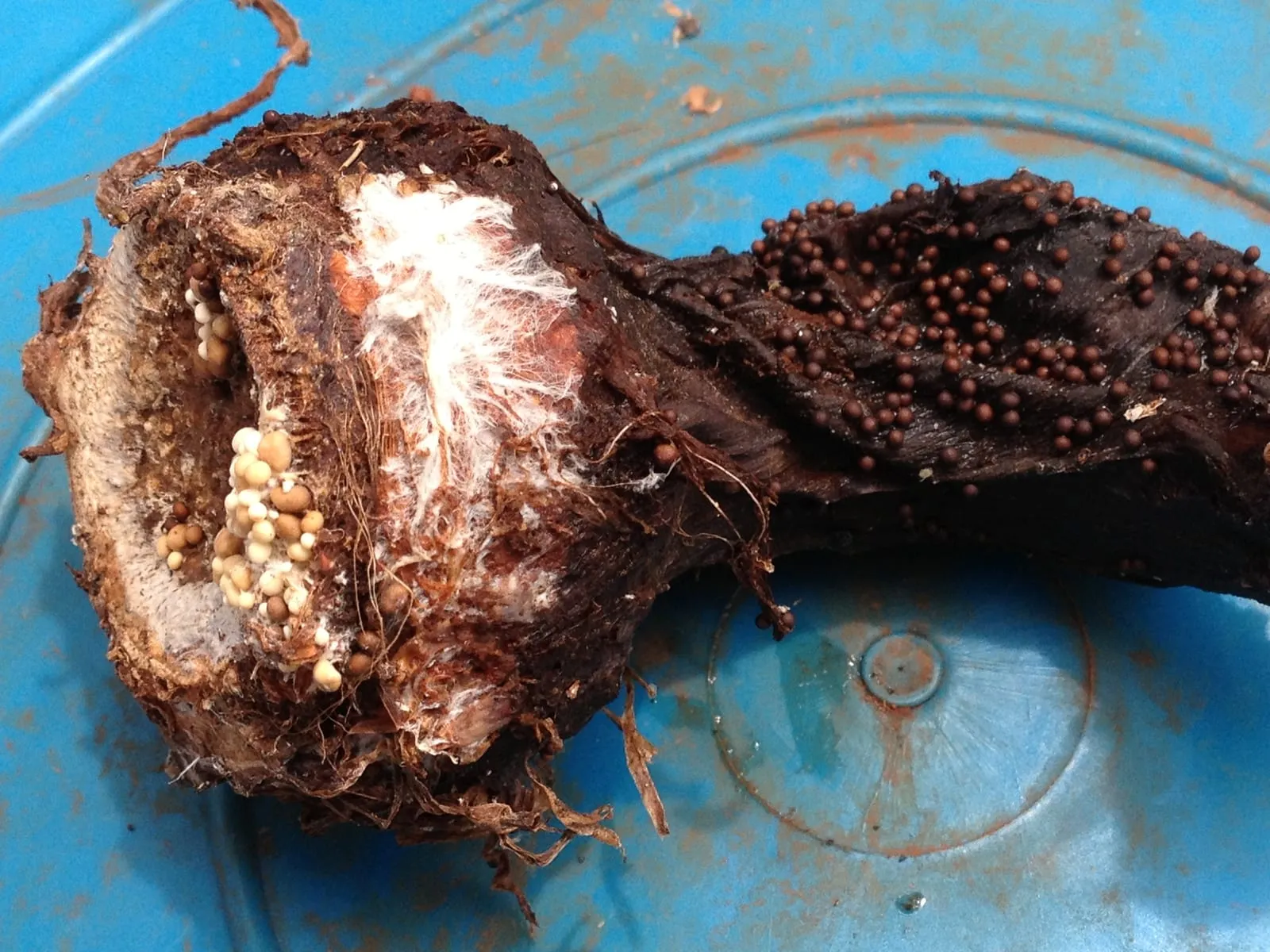
Sclerotium rolfsii
Soil-borne fungal disease most damaging in warm humid Southern conditions. White mycelial fans and small mustard-seed-sized sclerotia at the soil line are diagnostic.
Modified care for zone 8b
The most consequential adaptation in zone 8b is nematode management. Root-knot and peanut root-knot nematodes thrive in the sandy, warm soils common to much of this zone, and repeated planting in the same ground compounds the problem rapidly. A minimum 3-year rotation out of peanuts is the standard recommendation; rotating with small grains or bahiagrass provides the most reliable suppression.
Fusarium wilt pressure warrants attention at planting. Well-drained soil reduces infection risk considerably, but compacted or waterlogged areas should be avoided or amended before planting. If Fusarium has been confirmed in a field, selecting resistant varieties where available and treating seed with a registered fungicide at planting are practical mitigations.
Summer irrigation management differs from cooler zones: zone 8b growers need consistent moisture during pegging and pod fill (roughly 60 to 130 days after planting) but should avoid overhead irrigation close to harvest, which extends the drying window and increases aflatoxin risk during curing.
Frequently asked questions
- Do peanuts need a cold winter period to produce well in zone 8b?
No. Peanuts are a warm-season legume with no chilling requirement. Zone 8b's mild winters are not a limitation; the crop's performance depends on warm soil temperatures and a long frost-free season, both of which zone 8b provides reliably.
- Which peanut variety matures fastest in zone 8b?
Spanish types typically mature in 90 to 100 days, the shortest of the three compatible varieties. This makes them the lowest-risk choice for growers concerned about timing or who want flexibility for a follow-on cover crop.
- How serious is the nematode problem in zone 8b peanut production?
Nematodes are a significant and common constraint in the sandy soils typical of zone 8b. Without rotation, populations build quickly and yield losses can be severe. A 3-year rotation away from peanuts is the baseline mitigation; bahiagrass is a particularly effective rotation partner.
- When should peanuts be dug in zone 8b?
Dig timing depends on variety and planting date, but hull-scrape assessment is more reliable than calendar date alone. When 70 to 75 percent of pods show darkened interior mesocarp coloration, the crop is at optimum maturity. In zone 8b, this typically falls between late July and late September depending on variety.
+−
+−
+−
+−
Peanut in adjacent zones
Image: "Arachis hypogaea (DITSL)", by James Steakley, via Wikimedia Commons, licensed under CC-BY Source.
.JPG)
Related