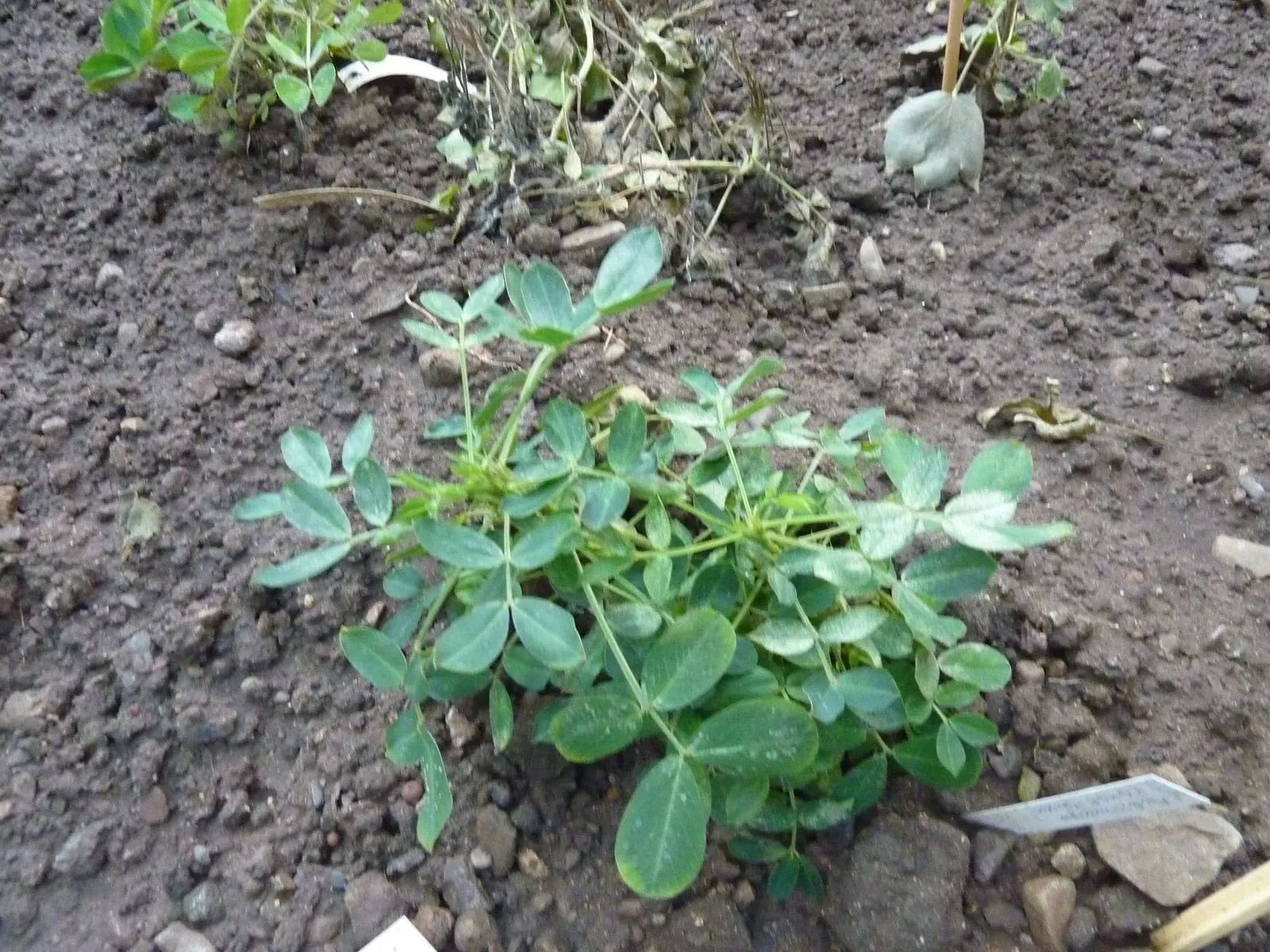
vegetable in zone 9a
Growing peanut in zone 9a
Arachis hypogaea
- Zone
- 9a 20°F to 25°F
- Growing season
- 290 days
- Suitable varieties
- 1
- Days to harvest
- 110 to 150
The verdict
Zone 9a is a strong fit for peanuts. Unlike stone fruits, peanuts have no meaningful chill-hour requirement; they are warm-season annuals that need accumulated heat and a long frost-free window. Zone 9a delivers both. With minimum winter temperatures in the 20 to 25°F range and a 290-day growing season, growers have far more time than peanuts require to complete their cycle, which runs 120 to 150 days depending on type.
The Virginia variety listed for this zone performs well in the long, hot summers characteristic of 9a climates. Sandy, well-drained soils common in many 9a regions suit peanuts particularly well. Fusarium Wilt is the primary disease risk to manage, but variety selection and rotation practices can keep it in check. This is not a marginal zone for peanuts; it is solidly within the crop's preferred range.
Recommended varieties for zone 9a
1 cultivar suited to this zone, with disease-resistance and zone-fit annotations.
| Variety | Notes | Zone fit | Disease resistance |
|---|---|---|---|
| Virginia fits zone 9a | Mild, classic peanut flavor; large kernels in long pods. Roasting in shell, boiling green, ballpark peanuts. Heritage Southern variety, needs full long warm season. | | none noted |
Critical timing for zone 9a
Peanuts require soil temperatures of at least 65°F at the 4-inch depth before planting. In zone 9a, that threshold is typically crossed in late February to early March, well ahead of the last frost date in most 9a locations. Planting from mid-March through April is common.
Bloom begins roughly 40 days after germination. The "pegs" that form after bloom push into the soil and develop into pods over the following 60 to 90 days. With a March planting, harvest falls in July or August, comfortably before any fall tropical storm activity. The 290-day frost-free window allows flexibility to push the planting date later if spring conditions require it without risking an early frost cutting the season short.
Common challenges in zone 9a
- ▸ Limited stone fruit options due to insufficient chill
- ▸ Hurricane and tropical storm exposure
- ▸ Citrus disease pressure
Disease pressure to watch for
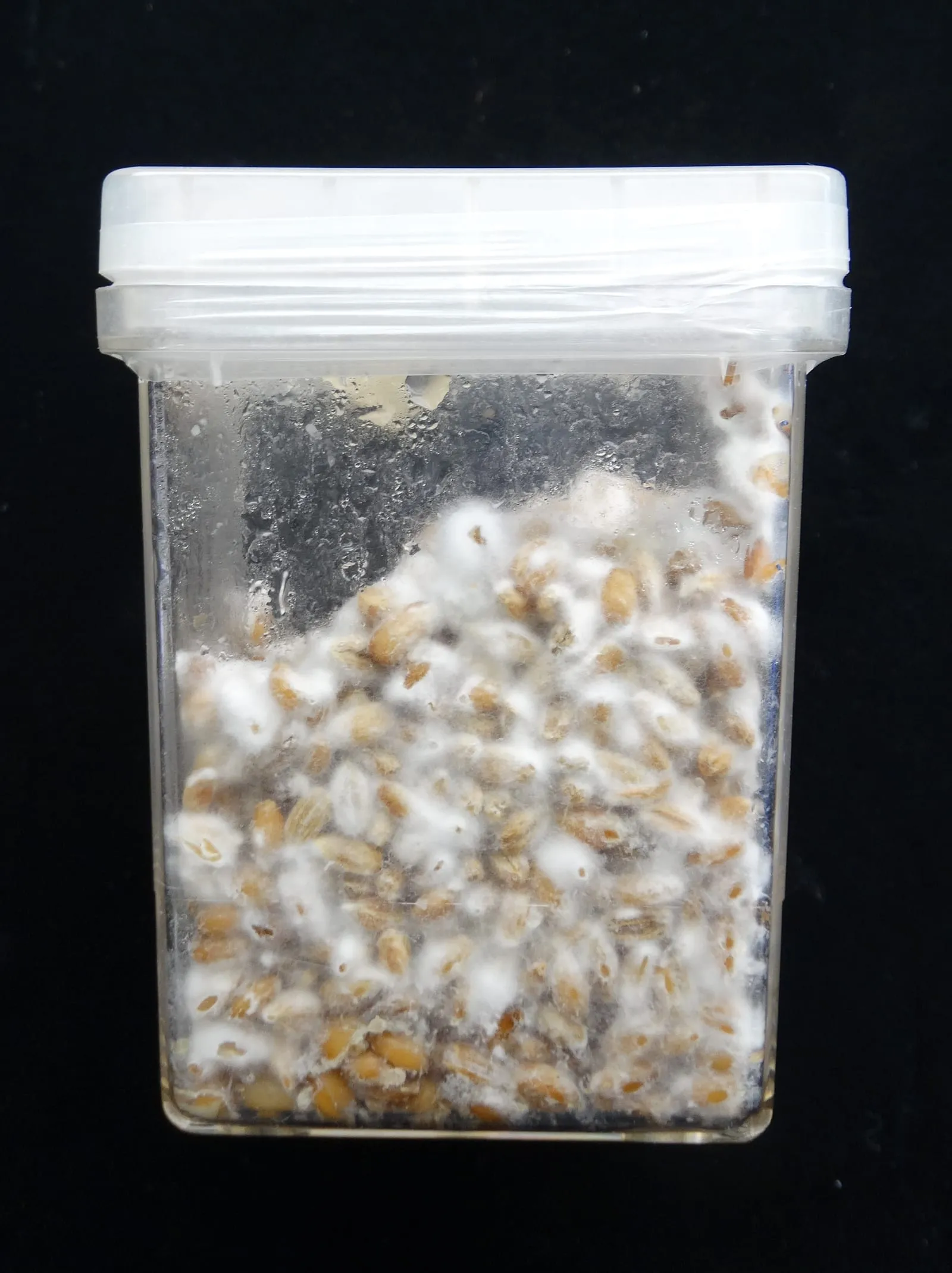
Fusarium oxysporum
Soil-borne fungal disease that plugs vascular tissue and kills affected plants. Persists in soil for many years; impossible to eliminate once established.
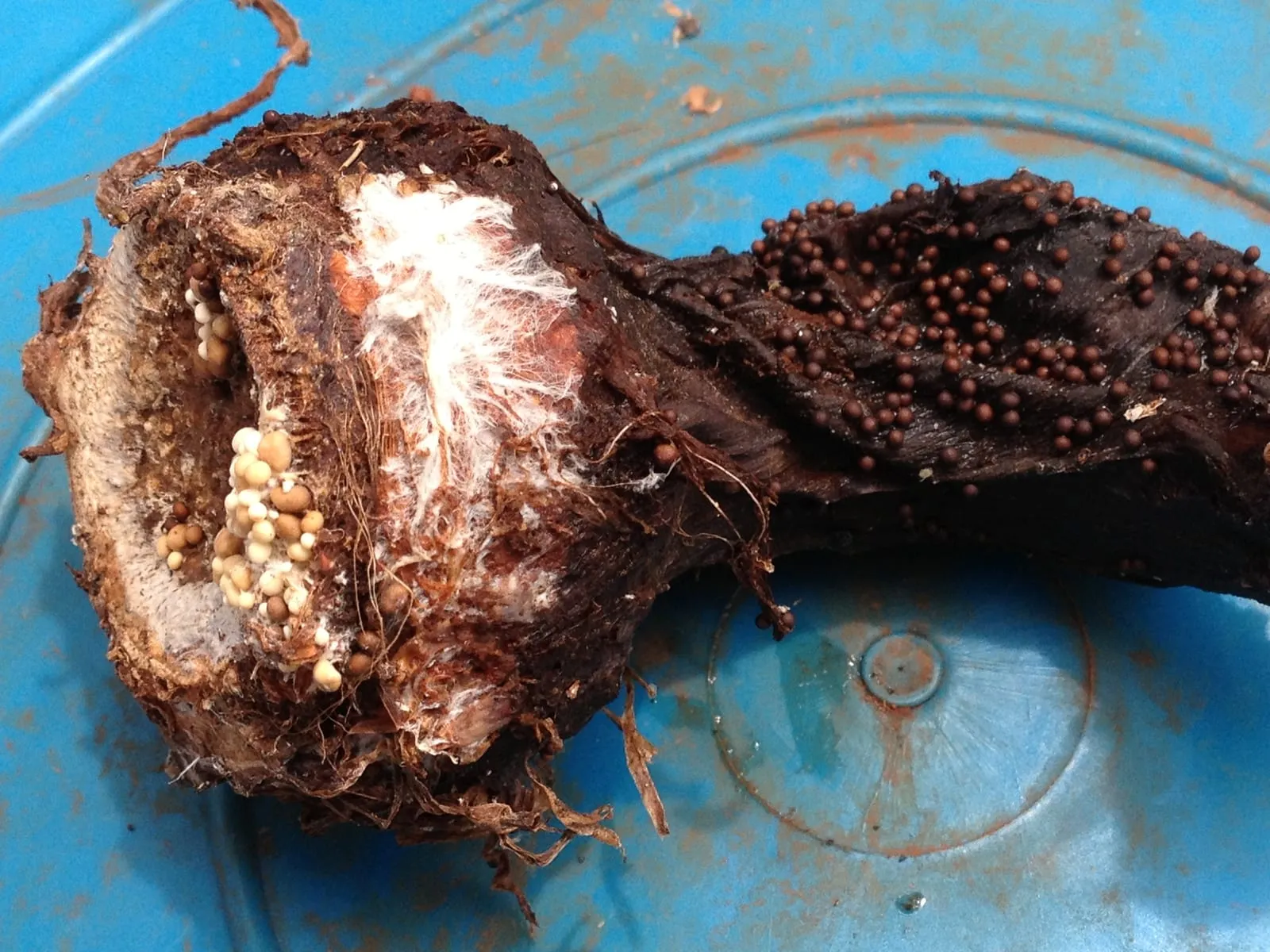
Sclerotium rolfsii
Soil-borne fungal disease most damaging in warm humid Southern conditions. White mycelial fans and small mustard-seed-sized sclerotia at the soil line are diagnostic.
Modified care for zone 9a
Fusarium Wilt is the primary disease pressure to plan around in zone 9a. The pathogen persists in soil, so rotating peanuts on a three-year or longer cycle with non-host crops is the most effective management strategy. Avoid replanting in fields with a wilt history without confirmed variety resistance.
Hurricane and tropical storm exposure adds a practical soil-management consideration. Heavy rainfall events can compact sandy soils or cause temporary waterlogging; planting on slight ridges or in raised beds improves drainage. Prolonged wet soil during pod-fill increases the risk of aflatoxin-producing molds, so harvest promptly once plants are mature rather than leaving them in-ground through potential storm windows. Summer heat itself requires no special adaptation; peanuts are heat-tolerant and do not need shade or supplemental cooling in this zone.
Frequently asked questions
- Do peanuts need a chill period to produce in zone 9a?
No. Peanuts are warm-season annuals with no chill-hour requirement. They need heat, long days, and well-drained soil. Zone 9a provides all three in abundance.
- What is the main disease risk for peanuts in zone 9a?
Fusarium Wilt is the primary concern. Crop rotation on a minimum three-year cycle and selecting resistant varieties are the most reliable controls. Avoid replanting in affected soils without a break.
- How does hurricane season affect peanut timing in zone 9a?
Planting in March or April allows harvest in July or August, ahead of peak hurricane activity. Growers who plant later should monitor storm forecasts and prioritize timely harvest to avoid waterlogging during pod maturation.
- Is the Virginia variety well-suited to zone 9a conditions?
Yes. Virginia types thrive in the long, hot growing seasons of zone 9a. They require 130 to 150 days to maturity, which the zone's 290-day season accommodates without difficulty.
+−
+−
+−
+−
Peanut in adjacent zones
Image: "Arachis hypogaea (DITSL)", by James Steakley, via Wikimedia Commons, licensed under CC-BY Source.
.JPG)
Related